What is lymphoma? Learn Hodgkin & Non-Hodgkin types, symptoms, diagnosis, treatment, and why patients choose Liv Hospital Turkey for care.
Send us all your questions or requests, and our expert team will assist you.
Overview and Definition

Lymphoma is a type of cancer that begins in the lymphatic system, which is the body’s expansive germ-fighting network. This system includes your lymph nodes (lymph glands), spleen, thymus gland, and bone marrow. Because the lymphatic system runs throughout the entire body, lymphoma can start almost anywhere, primarily affecting a group of white blood cells called lymphocytes. These cells are essential for a healthy immune system, but when they undergo a genetic mutation, they begin to multiply uncontrollably, crowding out healthy cells and forming tumors.
At Liv Hospital, we view lymphoma not just as a clinical diagnosis, but as a journey that requires a multidisciplinary map. As a leading destination for international medical tourism, our “Smart Hospital” infrastructure in Turkey is designed to provide US-standard hematologic oncology care. We combine advanced molecular diagnostics with a compassionate, patient-first approach to ensure that every individual receives a personalized roadmap to recovery.
The development of lymphoma begins when a lymphocyte, a type of white blood cell develops a mutation in its DNA. Under normal conditions, these cells have a set lifespan; they grow, divide, and eventually die to make room for new cells. However, the mutated instructions in a lymphoma cell tell it to continue multiplying and to stay alive when it should have perished.
These abnormal cells often collect in the lymph nodes, causing them to swell. Because lymphocytes travel through the blood and lymphatic fluid, these cancerous cells can spread to distant organs.
The two primary types of lymphocytes involved are:
Understanding which cell type is affected is the first step our specialists take at Liv Hospital to determine the most effective treatment protocol.
Lymphoma is not a single disease but an umbrella term for dozens of different subtypes. However, they are generally categorized into two main groups based on how the cells appear under a microscope:


This type is characterized by the presence of a specific abnormal cell called the Reed-Sternberg cell.
Hodgkin Lymphoma is considered one of the most treatable forms of cancer, especially when detected early. It often spreads in an orderly fashion from one group of lymph glands to the next.

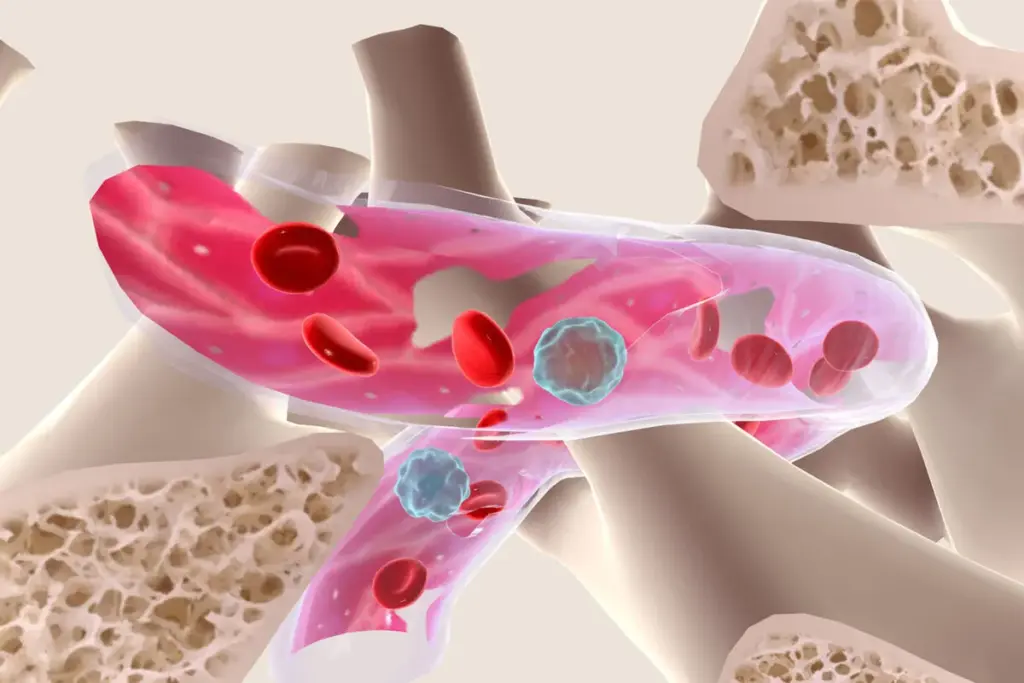
Non-Hodgkin Lymphoma is far more common and encompasses a diverse range of subtypes. These are further classified by their growth rate:
Learn more about identifying the specific conditions and indications of lymphoma.
Conditions and Indications

Because lymphoma includes many subtypes, the most accurate care starts with matching your symptoms, clinical findings, and risk profile to the most likely lymphoma category. At Liv Hospital, we use a structured approach to clarify the condition behind the presentation whether it suggests Hodgkin Lymphoma, a specific Non-Hodgkin subtype, or a non-malignant cause that can mimic lymphoma.
This section typically focuses on:
One of the challenges of diagnosing lymphoma is that its early signs often mimic common illnesses like the flu or a persistent cold. However, unlike a temporary infection, lymphoma symptoms do not go away. The most hallmark sign is a painless swelling of the lymph nodes in the neck, armpits, or groin.
Other critical indicators, often referred to as “B-symptoms” by oncologists, include:
While anyone can develop lymphoma, certain factors can increase the likelihood of the DNA mutations that trigger the disease. At Liv Hospital, we analyze these risk factors to better understand the patient’s unique biological background:
Diagnosis and Evaluation
A precise lymphoma diagnosis requires more than recognizing symptoms it requires confirming cell type, subtype, and extent of disease. At Liv Hospital, our evaluation pathway is designed to be fast, comprehensive, and aligned with international hematologic oncology standards, using advanced imaging and molecular profiling to guide decisions.
Diagnosis and evaluation commonly include:
To understand how we confirm these findings, explore our guide on lymphoma diagnosis and evaluation.
Treatment and Procedures
Treatment is tailored to the lymphoma subtype, stage, growth rate, and the patient’s overall health goals. At Liv Hospital, protocols are planned through a multidisciplinary Tumor Board and may combine systemic therapies with advanced procedures—especially for complex or relapsed cases.
Depending on the case, treatment and procedures may include:
Recovery and Follow-up
Lymphoma care doesn’t end when treatment finishes recovery is an active phase focused on rebuilding strength, monitoring response, and reducing recurrence risk. Liv Hospital’s follow-up plans are individualized and include medical, laboratory, and imaging checkpoints plus supportive services to help patients return to daily life safely.
Recovery and follow-up often covers:
For US-based patients, Liv Hospital offers an advanced alternative to domestic care, combining elite medical expertise with significantly shorter wait times for specialized procedures. Our “Center of Excellence in Hematology” utilizes a multidisciplinary Tumor Board. This means your case is not just reviewed by one doctor, but by a panel of hematologists, oncologists, radiologists, and geneticists.
We integrate the latest in Stem Cell Research and Cellular Therapies into our lymphoma protocols. For international patients, we provide a seamless experience including pre-arrival consultations, comprehensive evaluation, and a personalized treatment plan that mirrors the protocols of the world’s top clinics.

Send us all your questions or requests, and our expert team will assist you.
Yes, many forms of lymphoma, especially Hodgkin Lymphoma and certain types of Non-Hodgkin Lymphoma, are highly curable with modern treatments such as chemotherapy, immunotherapy, and stem cell transplants.
Both are blood cancers. However, leukemia usually starts in the bone marrow and travels in the blood, while lymphoma typically starts in the lymphatic system and lymph nodes.
There is no direct evidence that stress causes lymphoma. However, chronic stress can weaken the immune system, which is a factor in overall health management during and after treatment.
No. Most swollen lymph nodes are caused by a common infection. However, if the swelling is painless, firm, and lasts longer than two weeks, you should seek a medical evaluation.
The duration depends on the subtype and stage. Some treatments last a few months, while others may involve long-term maintenance therapy. Liv Hospital provides a clear timeline during your initial consultation.

 Cardiology
 Cardiology
 Cardiology
 Cardiology
 Cardiology
 Cardiology
Leave your phone number and our medical team will call you back to discuss your healthcare needs and answer all your questions.
Your Comparison List (you must select at least 2 packages)