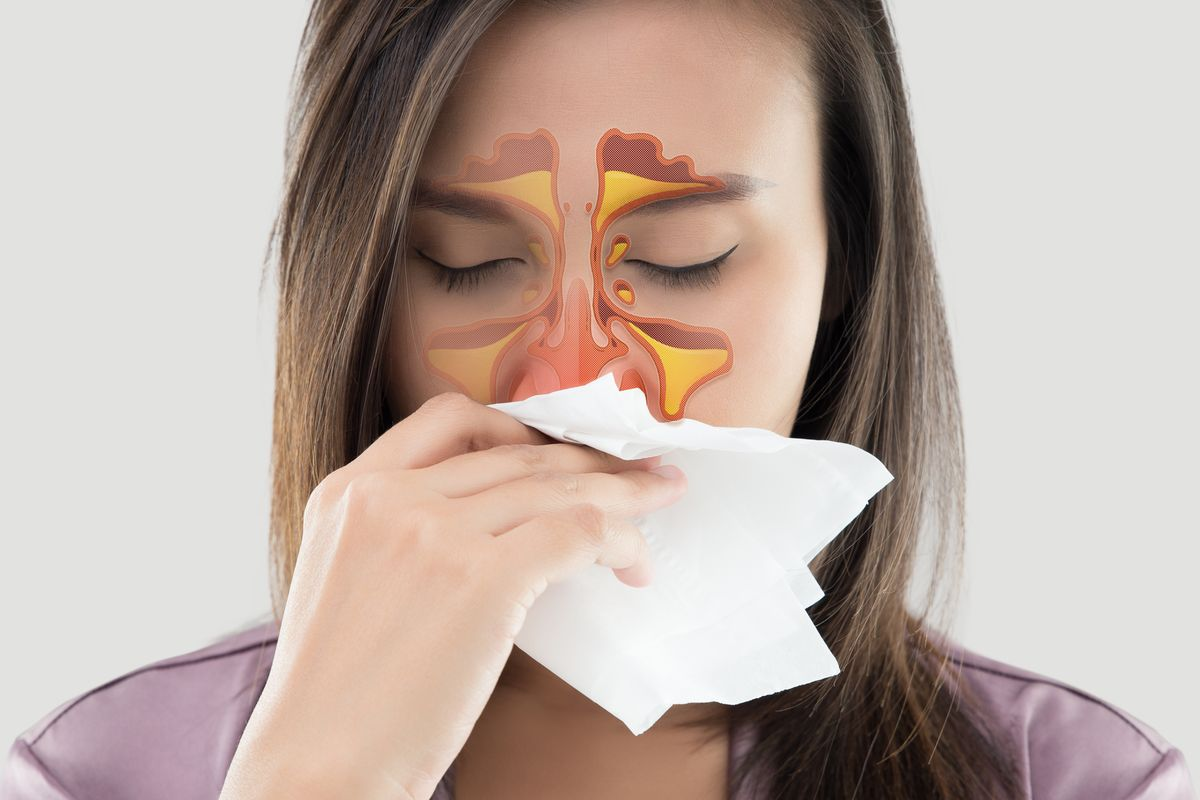
Waking up with unexpectedly swollen eyelids can be scary. Yet, it happens to millions every year. Pollen and pet dander are common culprits behind swollen eyes. Dealing with this can be really upsetting swollen eyelid from allergies.
Ever wondered why your eye randomly swelled up? You’re not alone. Allergies can make your eyes red, itchy, and watery. At Liv Hospital, we help you understand and manage these symptoms.
Key Takeaways
- Allergens like pollen and pet dander can cause allergic eyelid swelling.
- Understanding triggers is key to managing the condition.
- Allergic reactions can lead to red, itchy, and watery eyes.
- Effective relief strategies can be applied once the causes are identified.
- Liv Hospital provides complete support for managing allergic eyelid swelling.
The Science Behind Allergic Eye Reactions
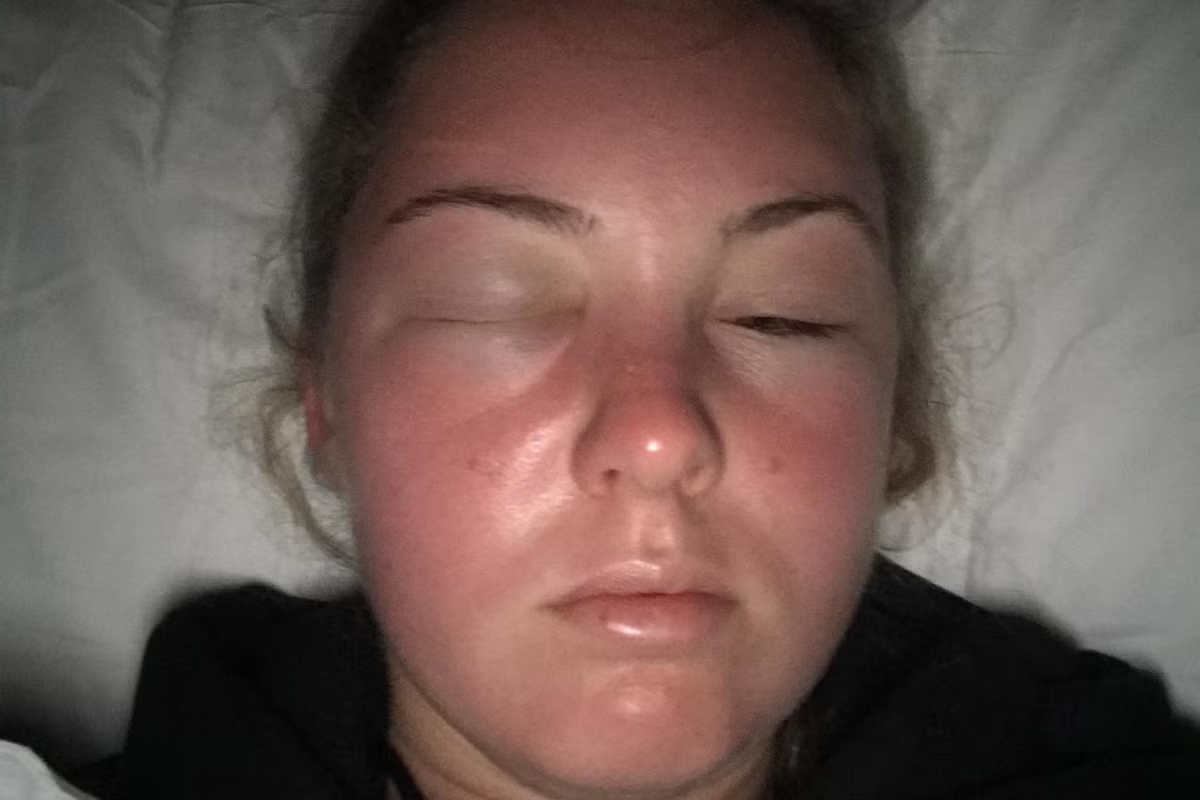
It’s important to know how allergic eye reactions work to find relief. These reactions happen when the immune system reacts too strongly to something it sees as a threat. This leads to the release of histamine and other chemicals.
How Allergic Reactions Affect the Eyes
The eyes are very sensitive to allergic reactions. This is because of mast cells in the conjunctiva, a thin layer over the white part of the eyes and the inside of the eyelids. When an allergen meets these mast cells, it sets off a chain reaction.
This reaction involves many immune cells and chemicals. Histamine makes blood vessels expand, causing them to leak and swell. This leads to symptoms like redness, itching, and swelling in the eyes.
The Prevalence of Eye Allergies in America
Eye allergies are a big problem in America, affecting up to 40% of adults. They get worse during pollen seasons, like spring and fall.
Eye allergies can really disrupt your life. They can cause chronic discomfort, itching, and swelling, making everyday tasks hard. Knowing how common and how they work is key to managing them.
Swollen Eyelid from Allergies: Understanding the Mechanism
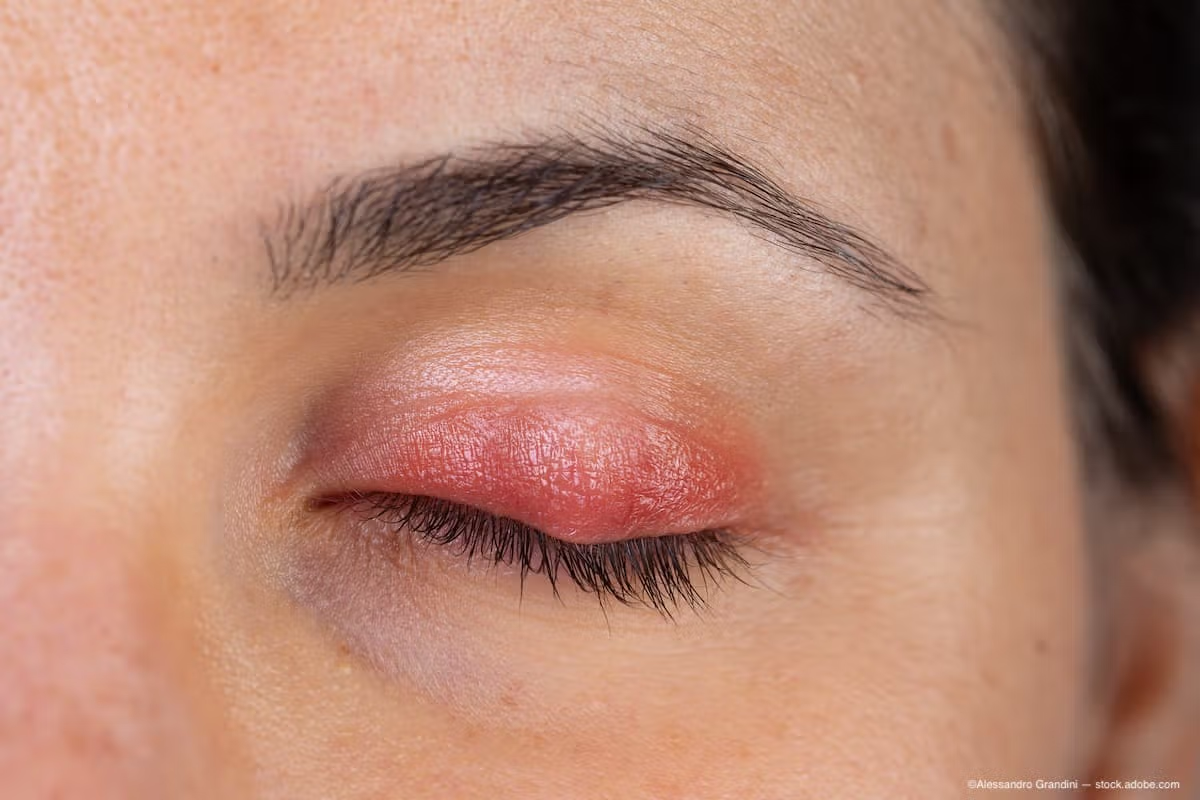
A swollen eyelid from allergies is more than a cosmetic issue. It’s a sign of inflammation. When an allergen enters the body, it triggers an immune response. This response leads to the release of histamine and other chemicals.
These chemicals cause blood vessels to dilate. This makes them more permeable and leads to fluid buildup in tissues, including the eyelids.
The Role of Histamine and Inflammation
Histamine is key in the allergic response. When an allergen binds to IgE antibodies on mast cells, it causes these cells to release histamine. Histamine then acts on blood vessels, causing them to become more permeable.
This leads to the swelling seen in allergic reactions. The eyelid tissue, being rich in blood vessels and loose connective tissue, is very susceptible to this swelling.
Why Eyelid Tissue Is Particular Vulnerable
The tissue around the eyes is prone to swelling due to its anatomy. The eyelids have loose connective tissue that can easily accumulate fluid. This is why even a mild allergic reaction can result in noticeable swelling around the eyes.
The skin around the eyes is thin and delicate. This makes it more susceptible to histamine and other inflammatory mediators.
Understanding the mechanism behind swollen eyelids from allergies is key to managing and treating this condition. By recognizing the role of histamine and the vulnerability of eyelid tissue, we can better appreciate the need for targeted treatments.
Common Allergens That Trigger Eye Swelling
Knowing what causes eye swelling is key to feeling better. Allergies are a big reason for eye swelling. Finding out what allergens are causing it is the first step to relief. We’ll look at the usual culprits, like seasonal and environmental allergens, contact allergens, and food and medication allergies.
Seasonal and Environmental Triggers
Pollen from trees, grasses, and weeds often causes eye swelling. These allergens are in the air during certain times of the year. They can easily get into your eyes and cause allergic reactions. Also, mold spores indoors and outdoors can make your eyes swell.
- Tree pollen
- Grass pollen
- Weed pollen
- Mold spores
Contact Allergens
Some products can also cause eye swelling. This includes makeup, eye drops, and contact lens solutions. These items might have preservatives or chemicals that some people are allergic to. Knowing what’s in your products and choosing hypoallergenic ones is important.
Food and Medication-Related Eye Allergies
Some foods and medications can also lead to eye swelling. Specific food items and certain antibiotics or other medications are common offenders. If you think a food or medication is causing your eye swelling, see a doctor for help.
Why Did My Eye Randomly Swell Up? Identifying Allergic Reactions
Eye swelling from allergies can happen suddenly or slowly, affecting one or both eyes. Knowing about allergic reactions is key to figuring out the cause and finding relief.
Sudden vs. Gradual Onset Swelling
Allergic eye swelling can show up in different ways. Sudden onset swelling usually happens right after being exposed to an allergen, like pollen or pet dander. On the other hand, gradual onset swelling might take longer to appear because of ongoing exposure to an allergen or sensitivity.
- Sudden Onset: Often linked to quick allergic reactions, like being exposed to pollen or certain foods.
- Gradual Onset: Usually tied to ongoing sensitivities, like makeup or contact lens solutions.
Knowing the difference between sudden and gradual swelling helps find the cause and the right treatment.
One Eye vs. Both Eyes: Explaining Unilateral Swelling
It’s common for swelling to happen in just one eye, known as unilateral swelling. This can be because of direct exposure to an allergen or other reasons.
Sometimes, swelling only affects one eyelid overnight because of gravity’s effect when lying on one’s side. This can cause fluid to build up on the side you’re lying on, leading to unilateral swelling.
- Direct contact with an allergen, such as touching something with an allergen on it and then touching your eye.
- Insect bites or stings near the eye.
- Localized irritation from makeup, eye drops, or contact lens solutions.
Knowing if swelling is in one eye or both can help figure out the cause and guide treatment.
Eyelid Swelling Overnight: Causes and Factors
Waking up with swollen eyelids can be due to allergies or how we sleep. Knowing why it happens helps us prevent it.
The Role of Gravity and Sleeping Position
Our body’s position while sleeping affects our eyelids. Gravity’s effect when lying on one’s side can cause unilateral swelling overnight. Fluid builds up in the eyelid because of gravity. This is why some people wake up with swollen eyelids, mainly if they sleep on their side.
Also, how we sleep can affect fluid in our face. For example, sleeping with our face in a pillow can make eyes puffy. This is because of the increased pressure and fluid retention.
Nighttime Allergen Exposure
Being exposed to allergens at night can also cause eyelid swelling. Allergens like dust mites in bedding, pet dander on pillows, or certain bedding materials can trigger allergies. When we’re exposed to these allergens while sleeping, our body reacts by releasing histamine. This leads to inflammation and swelling.
To show the impact of allergens, here’s a table:
|
Allergen |
Common Sources |
Effect on Eyelids |
|---|---|---|
|
Dust Mites |
Bedding, Mattresses |
Inflammation, Swelling |
|
Pet Dander |
Pillows, Bedding |
Allergic Reaction, Itching |
|
Mold Spores |
Damp Environments |
Swelling, Redness |
Doctors say, “Understanding and managing allergen exposure is key to reducing overnight eyelid swelling.” Reducing allergen exposure can be done by cleaning regularly, using hypoallergenic bedding, and keeping a clean sleep area.
Swollen Eyelid Not Red: Is It Stil an Allergy?
Dealing with a swollen eyelid that’s not red can be tricky. Allergic reactions usually show redness, itching, and swelling. But, not having redness doesn’t mean it’s not an allergy.
Variations in Allergic Reactions
Allergic reactions can differ a lot from one person to another. Some people might see swelling without redness. This could be because of the specific allergen or how their body reacts.
For example, some might swell up from pollen or dust mites without getting red. Allergic reactions are complex. They can be affected by many things, like how severe the allergy is, other health issues, and how well the body fights it off.
Other Conditions That Mimic Allergic Swelling
Other issues can also make eyelids swell, making it look like an allergy. Conditions like blepharitis, cellulitis, or even a stye can cause swelling. Sometimes, these don’t show redness. To tell if it’s an allergy or something else, doctors need to look at other symptoms and might do tests.
Getting a proper diagnosis is key to figuring out why eyelids swell. It helps find the right treatment and manage the issue better. Knowing what’s causing the swelling is the first step to feeling better.
Allergic Reaction Eyelids Swollen: Symptoms and Recognition
Eyelid swelling from allergies is more than just a cosmetic issue. It’s a sign of an allergic response that needs attention. Knowing the symptoms of swollen eyelids from allergies is key to managing and relieving them.
Distinguishing Between Mild and Severe Reactions
Allergic reactions can vary from mild to severe. Mild reactions might cause slight swelling and redness. Severe reactions can lead to significant swelling, which might even affect your vision. It’s important to watch how symptoms progress to understand the reaction’s severity.
Mild Allergic Reaction Symptoms: – Slight swelling – Redness – Itching – Watery eyes
Severe Allergic Reaction Symptoms: – Significant swelling – Impaired vision – Severe itching or burning – Discharge or crusting around the eyes
|
Symptom |
Mild Reaction |
Severe Reaction |
|---|---|---|
|
Swelling |
Slight |
Significant |
|
Redness |
Present |
More pronounced |
|
Itching/Burning |
Mild |
Severe |
|
Vision Impairment |
No |
Possible |
Associated Symptoms Beyond Swelling
Allergic reactions can cause more than just swelling. They can also lead to itching, burning, watery eyes, and sensitivity to light. Some people might feel grittiness or like something is in their eye.
“Allergic conjunctivitis can cause significant discomfort, including itching, burning, and watery discharge. Understanding these symptoms is key to managing the condition effectively.” — American Academy of Ophthalmology
Other symptoms include nasal congestion and sneezing, often triggered by airborne allergens like pollen or dust mites. Recognizing these symptoms helps diagnose swollen eyelids and guides treatment.
Understanding the symptoms of swollen eyelids from allergies helps identify the condition and seek relief. Whether it’s mild or severe, these reactions need attention to prevent complications and ease discomfort.
Medical Treatments for Allergic Eye Swelling
There are many treatments for allergic eye swelling. These range from things you can buy over the counter to prescription drugs. Knowing what options are out there is key to managing symptoms.
Over-the-Counter Antihistamines and Eye Drops
For mild to moderate allergies, over-the-counter antihistamines and eye drops are a good start. Antihistamines stop histamine, a chemical that causes allergic reactions. Eye drops, like antihistamines or mast cell stabilizers, can quickly ease itchy, swollen eyes.
Common OTC medications include:
- Antihistamine eye drops like ketotifen
- Mast cell stabilizer eye drops
- Oral antihistamines such as diphenhydramine or loratadine
Prescription Medications for Severe Reactions
For severe allergies, you might need prescription drugs. These can include stronger antihistamines, corticosteroids, or immunomodulators. Corticosteroid eye drops can help with swelling but should be used carefully due to side effects.
Prescription options may involve:
- Corticosteroid eye drops for short-term use
- Stronger oral antihistamines
- Immunomodulatory drugs for chronic conditions
Allergy Testing and Immunotherapy Options
For those with persistent or severe allergies, testing and immunotherapy can be a long-term fix. Testing finds out what allergens are causing the problem. Immunotherapy involves regular exposure to these allergens to build up a tolerance.
Benefits of immunotherapy include:
- Reduced sensitivity to specific allergens
- Long-term relief from allergy symptoms
- Potential reduction in the need for medication
As shown in the image below, understanding the different treatment options is key to managing allergic eye swelling effectively.
Exploring these medical treatments can help those with allergic eye swelling find relief and improve their life quality.
Home Remedies and Natural Relief for Swollen Eyelids
Swollen eyelids can be a real nuisance, often caused by allergies. Luckily, there are many home remedies that can help. These natural methods can ease discomfort and reduce swelling. Let’s look at some ways to manage swollen eyelids.
Cold Compresses and Their Benefits
Applying a cold compress is a simple yet effective way to tackle swollen eyelids. Cold temperatures help shrink blood vessels, which in turn reduces swelling and itching. To make one, just wet a cloth with cold water, wring it out, and place it over your closed eyes for a few minutes. You can also use a cold pack or a bag of frozen peas wrapped in cloth.
Benefits of Cold Compresses:
- Reduces swelling by constricting blood vessels
- Eases itching and irritation
- Provides immediate relief
Herbal and Natural Approaches
Herbal remedies have long been used to combat allergic reactions and swelling. For example, cooling chamomile tea bags can be applied to the eyes to soothe irritation. Cucumber slices or cooled green tea bags can also offer relief.
“Herbal remedies like chamomile have anti-inflammatory properties that can help soothe irritated eyes and reduce swelling.”
Here’s a table summarizing some herbal remedies and their benefits:
|
Herbal Remedy |
Benefits |
|---|---|
|
Chamomile |
Anti-inflammatory, soothes irritation |
|
Cucumber |
Cooling effect, reduces puffiness |
|
Green Tea |
Antioxidant properties, reduces inflammation |
Lifestyle Adjustments for Symptom Relief
Changing your lifestyle can also help with swollen eyelids. Avoid rubbing your eyes and keep your home clean to reduce allergens. Using hypoallergenic cosmetics is also a good idea. Drinking plenty of water and getting enough sleep can also help your body fight off allergic reactions better.
By using these home remedies and natural methods, you can find relief from swollen eyelids. If your symptoms don’t improve or get worse, it’s important to talk to a healthcare professional for advice.
Preventing Eye Swelling from Allergies
To avoid swollen eyelids from allergies, it’s important to take action. You need to know the causes, control your environment, and protect yourself. This approach helps prevent eye swelling.
Environmental Controls and Allergen Avoidance
One key way to stop eye swelling is to control your environment. This means:
- Using air purifiers to cut down indoor pollen and dust
- Keeping windows closed when pollen is high
- Avoiding strong smells and chemicals that can irritate your eyes
- Regularly cleaning and dusting your home, focusing on bedding and furniture
By avoiding common allergens, you can lower your risk of swollen eyelids.
Protective Measures During High Allergy Seasons
When allergies are at their worst, extra steps can help. Some things to do include:
- Wearing sunglasses outside to block pollen
- Using allergy-proof bedding covers
- Avoiding eye rubbing to prevent irritation
- Showering and changing clothes after being outside to remove pollen
These steps can greatly reduce your risk of an allergic reaction.
Daily Eye Care Routines for Allergy Sufferers
For those with allergies, a daily eye care routine is essential. It should include:
|
Routine |
Benefits |
|---|---|
|
Using lubricating eye drops |
Flushes out allergens and keeps eyes moist |
|
Avoiding contact lenses during high allergy periods |
Lessens irritation and reaction risk |
|
Applying a cold compress |
Reduces swelling and soothes the eyes |
By following these routines, you can manage your allergies better and avoid swollen eyelids.
In conclusion, preventing eye swelling from allergies requires a few steps. You need to control your environment, take protective measures, and follow a daily eye care routine. By doing these things, you can greatly reduce your risk of swollen eyelids from allergies.
When to See a Doctor About Swollen Eyelids
If your eyelids are swollen, it’s important to know when to see a doctor. Swollen eyelids can mean many things, like allergies or infections. Knowing when to get help is key to treating it right and avoiding bigger problems.
Warning Signs That Require Medical Attention
Some signs mean you need to see a doctor right away. These include:
- Severe swelling that makes it hard to see or open your eyes.
- Pain or tenderness around your eyes.
- Vision changes, like blurry or double vision.
- Discharge or pus, which could mean an infection.
- Fever, which often comes with an infection.
If you notice any of these, you should go to a doctor. The American Academy of Ophthalmology says to get help fast if your eyes are really bad.
“If you experience any sudden changes in your vision, severe pain, or signs of infection such as redness, swelling, or discharge, you should seek medical attention immediately.”
Differentiating Between Allergies and Infections
It’s important to tell if you have an allergy or an infection. Allergies usually come with itching, sneezing, or a runny nose. Infections might have discharge, fever, or a lot of pain.
|
Symptom |
Allergic Reaction |
Infection |
|---|---|---|
|
Itching |
Common |
Rare |
|
Discharge |
Rare |
Common |
|
Pain |
Mild |
Severe |
|
Fever |
Rare |
Possible |
What to Expect During Your Doctor’s Visit
At your doctor’s visit for swollen eyelids, expect a full check-up. The doctor will look at your medical history, ask about your symptoms, and examine your eyes and face.
The check-up might include:
- Visual acuity tests to check your vision.
- Looking at the outside of your eye and eyelids.
- Checking for signs of infection or allergies.
The doctor might give you medicine like antihistamines for allergies or antibiotics for infections. Sometimes, more tests are needed to find out why your eyelids are swollen.
Knowing when to see a doctor for swollen eyelids is key to getting the right care. By spotting the warning signs and knowing the difference between allergies and infections, you can get the right treatment and avoid bigger problems.
Conclusion
Understanding why eyelids swell from allergies is key to managing it well. By using medical treatments, home remedies, and preventive steps, you can ease the discomfort. This helps a lot.
Swollen eyelids from allergies can be caused by many things. These include seasonal and environmental allergens, contact allergens, and some foods or medicines. Knowing what causes it helps find the right treatment.
Wondering why your eye swelled up? It’s probably an allergic reaction. We’ve talked about how to handle and prevent swollen eyelids. This includes using over-the-counter antihistamines and eye drops, and making lifestyle changes.
By managing allergies well, you can lessen swollen eyelids and live better. Good management helps reduce allergic reactions. It keeps your eyes healthy and comfortable.
FAQ
Why did my eye randomly swell up?
Eye swelling can happen for many reasons. Allergies are a common cause. They release histamine, leading to swelling. Common allergens include pollen, dust, and certain products.
My eye is swollen for no reason, is it an allergy?
Swollen eyes might be due to allergies. But, other conditions can look like allergies too. We look at what causes swollen eyelids and different allergic reactions.
What does it mean when your eye swells up?
Swelling in the eye can mean an allergic reaction. This reaction causes inflammation and swelling. The eyelid’s loose structure makes it more prone to swelling.
Why is my one eye swollen?
Swelling in one eye can be due to an allergen in that eye. Or, it might be because of how sensitive you are to certain things. We explain why one eye swells and how to find out why.
What causes your eyes to swell up?
Eyes swelling up is often due to allergies. Allergens like pollen, dust, and certain products can trigger this. Makeup or contact lens solutions can also cause it.
How can I relieve swollen eyelids from allergies?
There are ways to ease swollen eyelids. Over-the-counter antihistamines and eye drops can help. Cold compresses and changing your lifestyle can also help. We talk about these treatments and home remedies.
When should I see a doctor about my swollen eyelid?
If your swelling is severe, painful, or affects your vision, see a doctor. We explain when to seek medical help and what to expect at the doctor’s office.
Can I prevent eye swelling from allergies?
Yes, you can prevent eye swelling. By controlling your environment and wearing protective gear, you can reduce exposure to allergens. We discuss how to keep your eyes safe.
Are there any natural remedies for swollen eyelids?
Yes, natural remedies can help. Cold compresses, herbal remedies, and lifestyle changes can offer relief. We explore these options and their benefits.
What are the symptoms of an allergic reaction causing swollen eyelids?
Symptoms include swelling, redness, itchiness, and watery eyes. We discuss other symptoms and how to tell if it’s a mild or severe reaction.
References
National Health Service (NHS). Allergic Swollen Eyes: Causes and Relief. Retrieved from https://www.nhs.uk/conditions/allergic-conjunctivitis