
Understanding COPD is key for better health. The GOLD system helps by dividing the disease into four groups. It looks at more than just lung function copd categories .
The GOLD system looks at how bad the breathing problem is, how symptoms affect you, how often you have bad episodes, and your medical history. This helps doctors create the best treatment plans for you.
At Liv Hospital, we use the GOLD guidelines to help patients breathe better. We focus on each patient’s needs to improve their health and life quality.
Key Takeaways
- The GOLD classification system categorizes COPD into four distinct categories based on airflow obstruction, symptoms, and exacerbation history.
- It provides a complete framework for diagnosing, managing, and preventing COPD.
- The GOLD system looks at how bad the breathing problem is, how symptoms affect you, how often you have bad episodes, and your medical history.
- Personalized treatment plans are guided by the GOLD classification.
- Liv Hospital applies the latest GOLD guidelines with patient-centered care.
What Is COPD and Why Classification Matters

COPD, or Chronic Obstructive Pulmonary Disease, is a long-term lung disease. It makes breathing hard and gets worse over time. It’s often caused by smoking, but also by other things like pollution and genes.
Definition and Pathophysiology of COPD
COPD includes conditions like emphysema and chronic bronchitis. These make it hard to breathe and can’t be fully fixed. It causes symptoms like trouble breathing, coughing, and mucus.
How fast COPD gets worse can vary. So, it’s important to measure it carefully to know how severe it is.
The Importance of Standardized Assessment
Measuring COPD in a standard way is key. The GOLD system is used a lot for this. It looks at how bad breathing is, how symptoms affect daily life, and how often flare-ups happen.
Key parts of the GOLD system are:
- How bad the breathing problem is
- How symptoms affect daily life
- How often flare-ups happen
- Any other health problems
Impact on Treatment Decisions
How COPD is classified affects treatment choices. Doctors can pick the right treatments based on how severe it is. This might include medicines, exercise programs, or plans for when things get worse.
For example, those at high risk of flare-ups might need stronger treatments. This could include medicines like inhaled steroids and phosphodiesterase-4 inhibitors.
- How symptoms affect daily life helps decide on treatments.
- How often flare-ups happen helps plan for emergencies.
Using the GOLD system helps give better care. It means patients get treatments that really help them.
Evolution of COPD Classification Systems
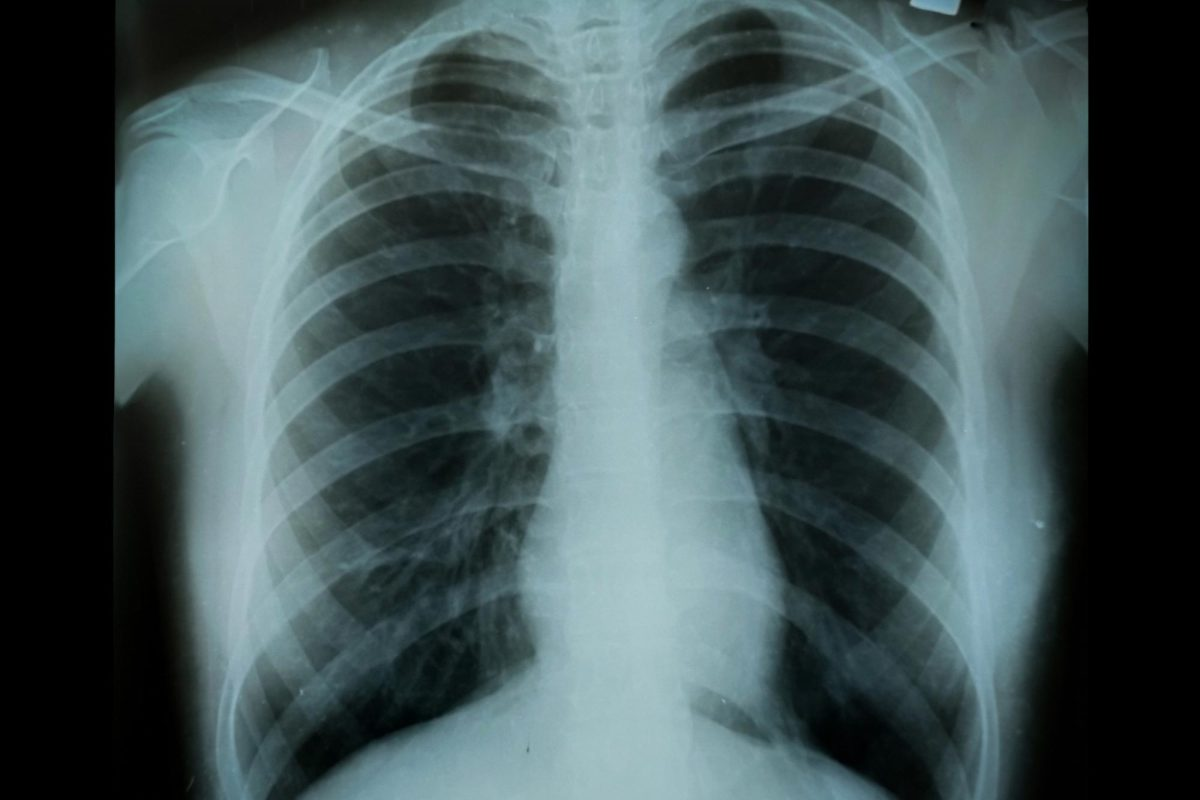
The way we classify COPD has changed a lot. This change shows we now understand the disease better. Our knowledge of COPD has grown, making our classification systems more detailed and accurate.
Historical Approaches to COPD Assessment
In the past, doctors mainly used spirometry to check lung function. Spirometry helped figure out how severe COPD was by looking at the forced expiratory volume in one second (FEV1). But, this method had its limits. It didn’t fully show how COPD affects people’s lives.
Limitations of Spirometry-Only Classification
Using spirometry alone had big problems. It didn’t take into account the different ways symptoms can affect people. This made treatment plans not always right for each patient.
Development of the Multidimensional Approach
The GOLD (Global Initiative for Chronic Obstructive Lung Disease) system was created to fix these issues. It looks at spirometry, symptoms, and how often patients get worse. This gives a clearer picture of COPD.
With GOLD, doctors can make treatment plans that really fit each patient. This shows how much we’ve learned about COPD. By looking at more than just spirometry, we can help patients more.
The GOLD Initiative: A Comprehensive Framework
The GOLD classification system offers a detailed plan for COPD diagnosis and treatment. It was created by the Global Initiative for Chronic Obstructive Lung Disease (GOLD). This system helps healthcare providers give top-notch care to patients all over the world.
Origins and Purpose
The GOLD initiative started to tackle the growing COPD problem worldwide. Its main goal is to have a single way to diagnose and manage COPD. This way, GOLD hopes to make COPD treatment more consistent and improve patient results. The GOLD system is easy to use and fits well in different healthcare settings.
COPD is a complex disease that needs a detailed look beyond just spirometry. The GOLD initiative considers symptoms, past flare-ups, and other health issues. This makes the GOLD system more accurate and detailed.
Key Updates in Recent GOLD Guidelines
Recent GOLD updates have made the system better, adding new evidence and expert views. These changes show how our understanding of COPD and its treatment has grown. The latest guidelines stress the role of symptoms and past flare-ups in figuring out COPD severity.
The GOLD system has evolved, focusing more on personalized care. The new guidelines give doctors the tools to give more effective and specific care to their patients.
Evidence-Based Foundations
The GOLD system is backed by solid research. It uses many studies and expert opinions to guide its rules. Its multi-faceted approach to COPD assessment has been proven to boost patient results and cut healthcare costs.
We see the GOLD initiative as a big leap in COPD care. It offers a detailed and research-backed plan for managing COPD. As more research comes in, we expect the GOLD guidelines to keep getting better, helping us understand and treat this complex disease better.
The Four Components of GOLD COPD Assessment
Healthcare providers look at many factors when assessing COPD. The GOLD classification system helps them do this in a structured way.
Airflow Obstruction Severity
Airflow obstruction is key in COPD assessment. It’s measured with spirometry, focusing on FEV1 and FVC. The GOLD guidelines divide this into four levels:
- GOLD 1: Mild COPD (FEV1 ≥ 80% predicted)
- GOLD 2: Moderate COPD (50% ≤ FEV1
- GOLD 3: Severe COPD (30% ≤ FEV1
- GOLD 4: Very Severe COPD (FEV1
This system helps doctors understand the airflow limitation’s impact on treatment.
Symptom Burden Evaluation Tools
Symptom burden is also important in COPD assessment. Doctors use tools like the COPD Assessment Test (CAT) and the Modified British Medical Research Council (mMRC) Dyspnea Scale. These tools measure symptom severity.
- The COPD Assessment Test (CAT)
- The Modified British Medical Research Council (mMRC) Dyspnea Scale
These tools help doctors see how COPD affects daily life and guide treatment.
Exacerbation History and Risk Assessment
A patient’s history of exacerbations is key in COPD management. The frequency and severity of these events help predict future risks. Doctors look at:
- The number of exacerbations in the past year
- The presence of any severe exacerbations requiring hospitalization
This information helps doctors make treatment choices and prevent future exacerbations.
Role of Comorbidities
Comorbidities, like cardiovascular disease and diabetes, are important in COPD management. Managing these conditions is vital for patient care.
Here’s a summary of the four components and their significance:
|
Component |
Description |
Significance |
|---|---|---|
|
Airflow Obstruction Severity |
Measured using spirometry (FEV1/FVC) |
Determines degree of airflow limitation |
|
Symptom Burden |
Evaluated using CAT or mMRC |
Quantifies impact on daily life |
|
Exacerbation History |
Assesses frequency and severity |
Informs treatment choices and risk assessment |
|
Comorbidities |
Identifies presence of other conditions |
Impacts overall management and treatment |
By looking at these four components, healthcare providers can fully understand COPD. They can then create personalized treatment plans.
Breaking Down the 4 COPD Categories in Detail
The GOLD COPD classification system divides patients into four groups (A, B, C, and D). It looks at symptoms, how often they get worse, and how well they can breathe. Knowing these stages is key to making good treatment plans.
Patients in Category A have few symptoms and don’t get worse often. Those in Category B have more symptoms but don’t get worse much. Category C patients get worse often but have fewer symptoms. Category D patients have both many symptoms and get worse a lot.
Healthcare providers can make better treatment plans by knowing each category’s traits. This system helps us give care that really works. It makes patients’ lives better and helps them breathe easier.
FAQ
What is the GOLD classification system for COPD?
The GOLD system is a way to sort COPD into four groups. It looks at how bad the breathing problem is, how symptoms affect the patient, how often they get worse, and their medical history.
How does the GOLD classification system assess COPD severity?
It checks four main things: how bad the breathing problem is, how symptoms affect the patient, how often they get worse, and any other health issues they might have.
What are the four categories of COPD in the GOLD classification system?
The GOLD system breaks COPD into four groups. Each group shows a different level of disease and has its own treatment plan.
How has the classification of COPD evolved over the years?
Over time, COPD classification has changed. It used to just look at lung function. Now, it looks at breathing problems, symptoms, how often things get worse, and other health issues.
What is the significance of the GOLD initiative in COPD management?
The GOLD initiative is a big push to better understand and manage COPD. It offers a detailed plan for diagnosing and treating the disease.
How does the GOLD classification system impact treatment decisions for COPD patients?
The GOLD system helps doctors make better treatment plans. It shows how severe the disease is and what treatments are best, helping patients get the right care.
What are the benefits of using the GOLD classification system in COPD management?
The GOLD system helps doctors manage COPD better. It gives them a clear plan for diagnosing and treating the disease, leading to better care and outcomes for patients.
How does the GOLD system evaluate symptom burden in COPD patients?
The GOLD system uses special tools to measure symptoms. This helps doctors understand the patient’s condition better and make the right treatment choices.
What is the role of comorbidities in the GOLD COPD assessment?
Comorbidities, or other health issues, are important in the GOLD system. They can affect treatment and outcomes, so doctors consider them when making plans for patients.
How does the GOLD classification system categorize COPD based on exacerbation history?
The GOLD system looks at how often and how bad exacerbations are. This helps doctors decide on treatments and improve patient care.
References
National Center for Biotechnology Information. Evidence-Based Medical Guidance. Retrieved from https://www.ncbi.nlm.nih.gov/pmc/articles/PMC10111975/[7