
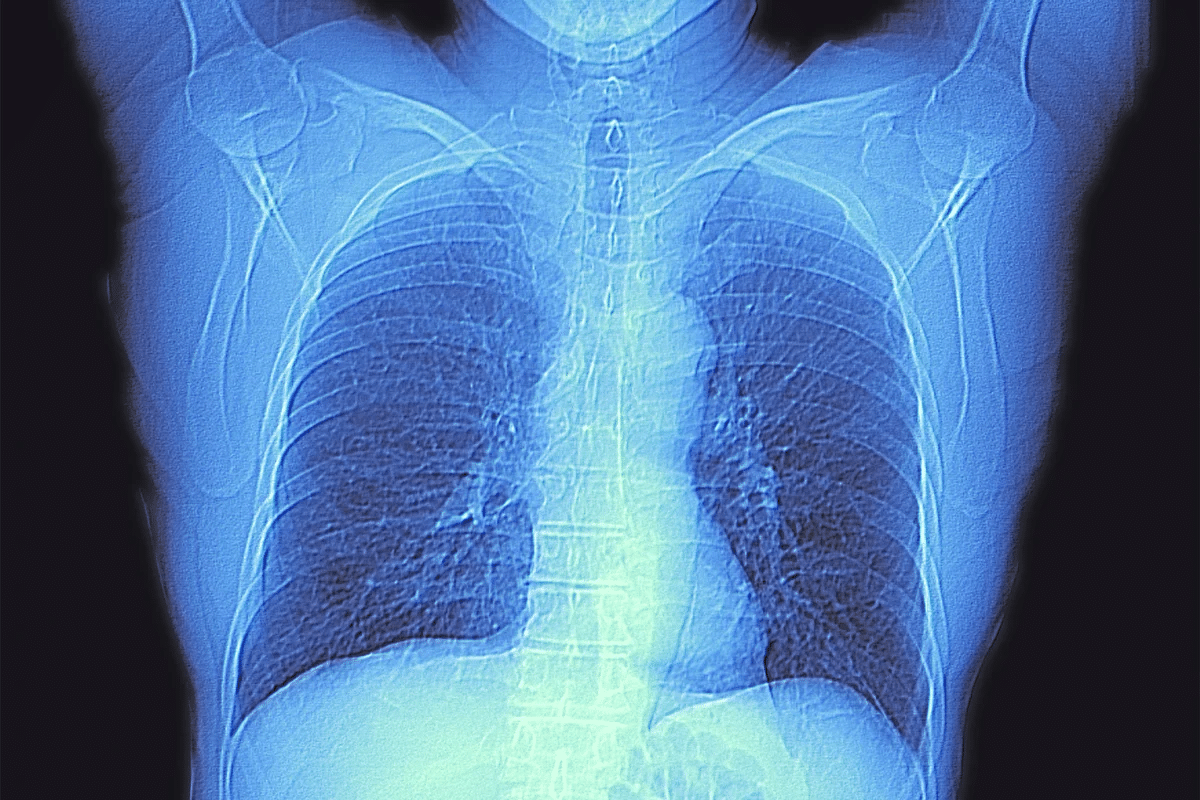
Spotting unusual patterns on lung CT scans is key for catching Interstitial Lung Disease (ILD) early. It helps in managing the disease better. We focus on finding important signs on High-Resolution CT (HRCT) scans to help care for patients.Identifying five keyabnormal lung ct scan findings and interstitial lung disease (ILD) patterns for accurate diagnosis.
Interstitial Lung Abnormalities (ILAs) are common in older smokers, affecting up to 17%. They are linked to higher death rates and health issues. At Liv Hospital, we use top-notch radiology and care that puts patients first. This ensures we handle ILD thoroughly.
Early detection and accurate diagnosis are critical for improving patient outcomes.
Key Takeaways
- Early recognition of ILD patterns on CT scans improves patient outcomes.
- ILAs are prevalent in older smokers and associated with higher risks.
- HRCT findings play a critical role in diagnosing ILD.
- Comprehensive care involves expert radiology and patient-centered approaches.
- Liv Hospital offers integrated care for ILD management.
Understanding Abnormal Lung CT Scan Findings in Clinical Practice

In clinical practice, it’s key to understand abnormal lung CT scan findings. These scans can show a variety of conditions, from interstitial lung abnormalities (ILAs) to severe diseases like interstitial lung disease (ILD).
Interstitial lung abnormalities are a big deal on lung CT scans. They affect patient outcomes. We’ll look at their clinical importance, how common they are, and what risks they carry.
Clinical Significance of Interstitial Lung Abnormalities
ILAs mean lower lung function, less exercise ability, and a higher risk of death. Seeing ILAs on a CT scan can show early lung damage. This damage might get worse over time.
Key clinical implications of ILAs include:
- Increased risk of mortality
- Reduced lung function
- Diminished exercise tolerance
Prevalence and Risk Factors in Different Populations
ILAs happen more in some groups than others. Certain factors make them more likely. These include:
- Age: ILAs are more common in older people.
- Smoking history: Smoking greatly increases the risk of ILAs.
- Genetic predisposition: Family history can influence the risk of ILAs.
Association with Increased Mortality and Complications
Research links ILAs to higher death rates and complications, mainly in those with lung disease. Spotting and treating ILAs early is vital for better patient care.
We stress the need to spot ILAs on CT scans. Understanding their importance helps give the best care to those with interstitial lung disease.
The Role of High-Resolution CT in Interstitial Lung Disease Diagnosis

High-resolution CT (HRCT) is key in diagnosing interstitial lung disease (ILD). It gives detailed images that help doctors spot specific patterns and abnormalities. We will look at why HRCT is so important for ILD diagnosis.
HRCT Technical Considerations for Optimal Imaging
To get the best HRCT images, several things need to be done. Thin-section collimation, usually 1-2 mm, is used to avoid mixing up small details. A special algorithm is also used to make lung details clearer.
The type of CT scanner used is very important. It must produce high-quality images with few errors. Also, patients need to breathe deeply and sit right to avoid blurry images.
Key Technical Parameters for HRCT:
- Thin-section collimation (1-2 mm)
- High spatial frequency reconstruction algorithm
- High-quality CT scanner
- Patient cooperation for optimal image acquisition
Advantages Over Conventional Imaging Techniques
HRCT has many benefits over regular CT scans for ILD. It shows small details that regular scans can’t. This is very helpful in catching ILD early and figuring out what type it is.
HRCT also lets doctors see how much of the lung is affected. This is key in telling different types of ILD apart. It helps spot complications and track how the disease changes over time.
Systematic Approach to HRCT Interpretation
Reading HRCT scans needs a careful method to catch all important details. Doctors look closely at the lung’s structure for signs like ground-glass opacities and honeycombing.
Using a detailed reporting system is recommended. It includes a full description of any abnormalities found. This method ensures accurate and consistent readings, which helps patients get better care.
Ground-Glass Opacities: Hazy Increases in Lung Density
Ground-glass opacities are important when we look at lung CT scans. They show a hazy increase in lung density. Unlike other lung issues, they don’t block the view of the vessels.
Radiological Characteristics and Appearance
On CT scans, ground-glass opacities look like hazy, increased opacity areas. They can be spread out, patchy, or in one spot. High-resolution CT (HRCT) scans help us see these opacities clearly.
The look of ground-glass opacities can change. Spotting them is key to figuring out what’s wrong with the lungs. We examine their presence, spread, and details to guess the cause.
Differential Diagnosis of Ground-Glass Patterns
There are many possible reasons for ground-glass opacities. They can range from quick infections to long-term lung diseases. We use the patient’s history, symptoms, and other scan results to guess what might be causing it.
- Infectious diseases, such as pneumonia
- Inflammatory conditions, like acute interstitial pneumonia
- Chronic ILDs, including idiopathic pulmonary fibrosis (IPF)
- Drug-induced lung disease
Clinical Correlation and Disease Associations
Ground-glass opacities are linked to different lung diseases. Their importance depends on the disease they’re linked to. We match the scan findings with symptoms and other tests to find out the cause and how far it has spread.
In interstitial lung disease, these opacities might show inflammation or scarring. Knowing how much and where they are helps us see how serious the disease is and how well it’s responding to treatment.
Understanding ground-glass opacities helps us make better diagnoses and care for lung disease patients.
Reticular Patterns: Linear Opacities Indicating Interstitial Thickening
Reticular patterns on HRCT scans show interstitial thickening, a sign of many ILDs. These patterns are a network of linear opacities seen on HRCT images. They point to fibrosis or inflammation in the lung’s interstitium.
Identifying Reticular Patterns on HRCT
To spot reticular patterns, we look for a network of linear opacities on HRCT images. This pattern is linked to interstitial lung abnormalities. It’s seen in ILDs like idiopathic pulmonary fibrosis (IPF) and nonspecific interstitial pneumonia (NSIP).
HRCT’s high-resolution imaging is key. It lets us see the lung’s details and interstitium clearly.
Common Causes and Disease Associations
Reticular patterns on HRCT are linked to many ILDs, each with its own implications. Common causes include:
- Idiopathic pulmonary fibrosis (IPF)
- Nonspecific interstitial pneumonia (NSIP)
- Connective tissue disease-related ILD
- Sarcoidosis
Knowing the cause of reticular patterns is vital. It helps us choose the right treatment and predict outcomes.
Progression and Monitoring Strategies
It’s important to watch how reticular patterns change on HRCT. This helps us see how severe the disease is and if treatment is working. Strategies include:
- Regular HRCT scans to track changes in the extent and severity of reticular patterns.
- Pulmonary function tests (PFTs) to assess lung function and detect any decline.
- Clinical evaluation to monitor symptoms and overall patient health.
By using these methods, we can manage ILDs with reticular patterns well. This helps improve patient outcomes.
Honeycombing: Characteristic Cystic Spaces of End-Stage Fibrosis
Honeycombing shows up as cystic airspaces and is a sign of lung fibrosis at its worst. It’s key for diagnosing and predicting the outcome of interstitial lung disease (ILD).
Definitive Features of Honeycombing on CT
Honeycombing is seen as clusters of cystic airspaces with thick walls, mainly in the lung’s outer parts. These cysts are 3-10 mm in size but can grow bigger. Seeing honeycombing means the lung disease has reached a severe stage.
Key features include:
- Cystic airspaces with well-defined walls
- Subpleural distribution
- Clustered appearance
Distribution Patterns and Disease Associations
Honeycombing’s spread can differ in various ILD types. For example, idiopathic pulmonary fibrosis (IPF) often affects the lung’s base and outer parts. Knowing these patterns is vital for correct diagnosis.
|
Disease |
Typical Distribution of Honeycombing |
|---|---|
|
Idiopathic Pulmonary Fibrosis (IPF) |
Basal and subpleural |
|
Nonspecific Interstitial Pneumonia (NSIP) |
More uniform, less subpleural |
Prognostic Implications and Clinical Significance
Seeing honeycombing on CT scans is a bad sign. It means the disease is likely to get worse faster. Doctors use this to understand the disease’s stage and plan treatment.
Prognostic factors to consider:
- Extent of honeycombing
- Rate of progression
- Associated comorbidities
Knowing about honeycombing is key for doctors treating ILD patients. It helps in giving accurate predictions and making treatment plans more effective.
Traction Bronchiectasis: Fibrotic Distortion of Airways
High-resolution CT scans show traction bronchiectasis as a sign of fibrotic lung disease. It’s when lung fibrosis pulls on airway walls, making them wider. This is called traction bronchiectasis.
Radiological Features and Recognition
Traction bronchiectasis shows up as irregularly widened airways on HRCT. It’s often seen with signs of fibrosis like reticulation and architectural distortion. Unlike inflammatory bronchiectasis, it doesn’t have thick walls or mucus.
Key radiological features include:
- Irregular bronchial dilatation
- Association with other fibrotic changes
- Lack of significant wall thickening or mucus plugging
Distinguishing from Inflammatory Bronchiectasis
It’s important to tell traction bronchiectasis apart from inflammatory bronchiectasis. They have different treatments and meanings. Inflammatory bronchiectasis has thick walls and mucus, due to chronic infection or inflammation.
The main distinguishing features are:
- Presence of fibrosis in traction bronchiectasis
- Absence of significant wall thickening or mucus plugging in traction bronchiectasis
- Clinical context and associated symptoms
Associated Interstitial Lung Diseases
Traction bronchiectasis is common in interstitial lung diseases with fibrosis. It shows how severe and progressing the disease is.
Some ILDs with traction bronchiectasis include:
- Idiopathic pulmonary fibrosis (IPF)
- Nonspecific interstitial pneumonia (NSIP)
- Cryptogenic organizing pneumonia (COP)
Spotting traction bronchiectasis helps in diagnosing and treating ILD patients accurately.
Subpleural Predominance: Hallmark of Fibrotic Interstitial Disease
Subpleural predominance is a key sign in fibrotic lung diseases, like usual interstitial pneumonia (UIP). It means lung problems are more common near the pleura, the outer lung lining.
Recognizing Peripheral Distribution Patterns
Spotting subpleural predominance on CT scans is important. It means looking for lung issues more in the outer parts. This helps doctors tell different lung diseases apart.
“The way lung problems spread is key in diagnosing ILD,” say imaging experts. “Seeing subpleural predominance points towards fibrotic ILD, like UIP.”
Key Differential Diagnoses Based on Distribution
Seeing subpleural predominance means several diseases could be considered. These include:
- Usual Interstitial Pneumonia (UIP)
- Nonspecific Interstitial Pneumonia (NSIP)
- Cryptogenic Organizing Pneumonia (COP)
- Chronic Hypersensitivity Pneumonitis
Each disease has its own signs on scans and symptoms. For example, UIP shows subpleural and basal issues, plus honeycombing.
Correlation with Specific ILD Types
Linking subpleural predominance with certain lung diseases is important. UIP, a common IPF, shows this pattern on scans. NSIP might also show it but in a more even way.
Spotting subpleural predominance and linking it with lung diseases is key for treatment and predicting outcomes. Doctors use scans, patient info, and sometimes tissue samples to make better decisions.
Clinical Management Based on Abnormal Lung CT Scan Patterns
Interpreting abnormal lung CT scans is key to treating ILD patients well. Accurate scans help doctors make good treatment plans. We’ll see how scan patterns affect treatment and how to track disease changes.
Multidisciplinary Approach to ILD Diagnosis
A team of pulmonologists, radiologists, and pathologists is vital for ILD diagnosis. They match CT scan results with symptoms and tissue samples. Accurate diagnosis is the base for treatment.
“The multidisciplinary discussion is essential for integrating clinical, radiological, and pathological findings to arrive at a confident diagnosis in ILD patients.”
Treatment Considerations for Different CT Patterns
ILD’s CT patterns need different treatments. For example, those with a ground-glass pattern might get anti-inflammatory drugs. But, those with honeycombing might need treatments for fibrosis.
|
CT Pattern |
Treatment Consideration |
|---|---|
|
Ground-Glass Opacity |
Anti-inflammatory therapy |
|
Honeycombing |
Antifibrotic therapy |
|
Reticular Pattern |
Monitoring for progression; consider antifibrotic therapy |
Monitoring Disease Progression and Treatment Response
Regular CT scans are important for tracking disease and treatment success. Changes in scans can help adjust treatment plans. For instance, more reticular patterns or honeycombing might mean the disease is getting worse.
Conclusion: Improving Patient Outcomes Through Expert Pattern Recognition
Spotting unusual patterns on lung CT scans is key for diagnosing and treating interstitial lung disease (ILD) well. We’ve talked about how important it is to understand these patterns in medical practice. We’ve also seen how high-resolution CT scans help in diagnosing ILD and spotting different lung conditions.
Healthcare experts use their skills to spot specific signs on HRCT scans. These include ground-glass opacities, reticular patterns, and honeycombing. Knowing these signs helps improve care for ILD patients.
Getting CT scans right is critical for making good treatment plans and tracking how the disease changes. As we keep improving in ILD radiology, the need for accurate ILD radiology grows. By using expert pattern recognition and a team approach, we can better care for patients with abnormal lung CT findings.
FAQ
What is an abnormal lung CT scan, and how is it related to interstitial lung disease (ILD)?
An abnormal lung CT scan shows changes in the lungs that are not normal. These changes can point to interstitial lung disease (ILD). ILD affects the lung’s interstitium, and CT scans are key in diagnosing and managing it.
What are interstitial lung abnormalities (ILAs), and why are they significant?
ILAs are small changes seen on CT scans that might show early ILD. They are important because they can lead to serious health issues. Early detection and treatment are vital.
How does high-resolution CT (HRCT) contribute to the diagnosis of ILD?
HRCT gives detailed lung images. It helps spot small changes and patterns of ILD. This is key for diagnosing and treating ILD and tracking how it changes over time.
What are ground-glass opacities, and what do they indicate on a CT scan?
Ground-glass opacities are hazy spots on CT scans. They can mean inflammation, infection, or fibrosis. They need to be looked at with other signs and symptoms to understand what they mean.
How is honeycombing identified on CT, and what does it signify in the context of ILD?
Honeycombing shows up as clusters of airspaces with thick walls on CT scans. It’s a sign of advanced fibrosis and a poor prognosis in ILD patients.
What is traction bronchiectasis, and how is it related to fibrotic lung disease?
Traction bronchiectasis is when bronchi and bronchioles get dilated due to fibrosis. It distorts airway architecture. It’s a sign of fibrotic lung disease and often seen with other fibrosis signs on HRCT.
How does subpleural predominance relate to the diagnosis of fibrotic ILD?
Subpleural predominance means changes are mostly in the lung’s subpleural areas. This pattern is typical of certain fibrotic ILDs, like IPF. It helps in diagnosing these conditions.
What is the role of a multidisciplinary approach in managing ILD?
A team of pulmonologists, radiologists, and pathologists is essential for ILD management. They ensure accurate diagnosis and tailored treatment plans by considering all relevant information.
How are different CT patterns used to guide treatment decisions in ILD?
CT patterns like ground-glass opacities and honeycombing give clues about the disease. This information helps decide on treatments and monitor how the disease responds to therapy.
What is the significance of monitoring disease progression and treatment response in ILD?
Keeping track of ILD progression and treatment response is critical. It helps adjust treatment plans, manage symptoms, and improve patient outcomes. Regular CT scans and clinical checks are key.
How does understanding abnormal lung CT scan findings improve patient outcomes in ILD?
Knowing what abnormal lung CT scans mean is vital for accurate diagnosis and treatment. Expertise in reading these scans helps healthcare providers give targeted care. This improves patient outcomes.
References
National Center for Biotechnology Information. Evidence-Based Medical Guidance. Retrieved from https://www.ncbi.nlm.nih.gov/pmc/articles/PMC7970441/



 Departments
 Related Videos
 Our Doctors
 News
News