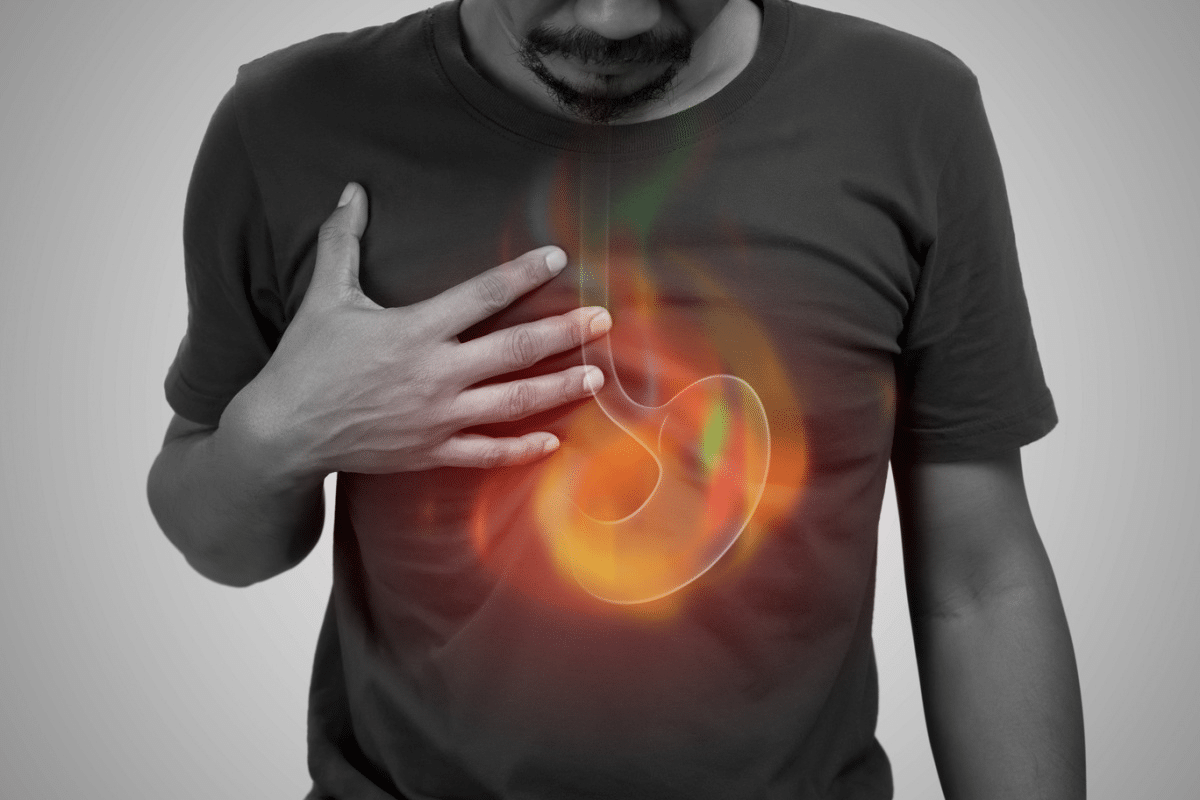
We often see patients with both COPD and congestive heart failure. These are two big chronic conditions that often go together can copd cause heart failure chronic obstructive pulmonary disease and congestive heart failure.
COPD causes airway blockage and poor gas exchange. On the other hand, heart failure means the heart can’t pump enough blood.
It’s key to understand how these conditions are linked. They share risk factors and symptoms, making it hard to diagnose and treat.
Key Takeaways
- COPD and congestive heart failure often coexist and share common risk factors.
- The presence of both conditions complicates diagnosis and treatment.
- Understanding the link between COPD and heart failure is essential for effective management.
- Shared symptoms between COPD and heart failure can lead to delayed diagnosis.
- Comprehensive care is necessary for patients with both COPD and heart failure.
Understanding COPD: Pathophysiology and Progression
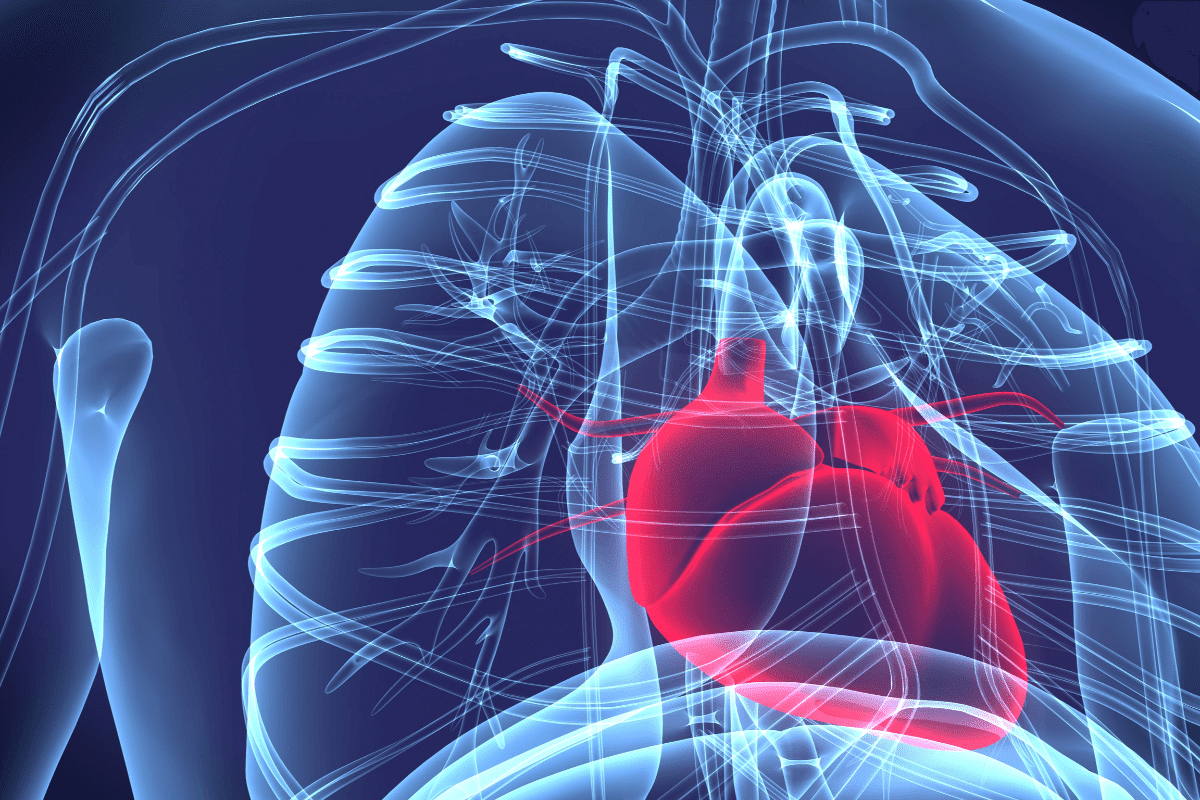
COPD is a complex condition that affects the lungs. It causes airway flow obstruction and lung damage, known as emphysema. This impacts patients’ quality of life over time.
Definition and Classification
COPD is marked by chronic airflow limitation. This is a progressive condition with inflammation in the airways and lungs. The Global Initiative for Chronic Obstructive Lung Disease (GOLD) divides COPD into four stages based on airflow limitation.
The GOLD classification helps doctors understand the severity of COPD. It considers symptoms, risk of exacerbations, and quality of life.
Airway Obstruction and Gas Exchange Impairment
COPD causes airway obstruction due to inflammation and structural changes. This leads to gas trapping and hyperinflation, causing dyspnea.
Gas exchange impairment is also key in COPD. Lung tissue destruction reduces gas exchange areas. This results in hypoxemia and, in severe cases, hypercapnia.
Common Symptoms and Disease Burden
COPD patients often have dyspnea on exertion, chronic cough, and sputum production. The disease also has systemic effects like weight loss, muscle weakness, and increased cardiovascular disease risk.
COPD progression varies. Some experience slow lung function decline, while others have rapid decline or frequent exacerbations. This greatly affects their quality of life and survival.
Congestive Heart Failure: An Overview
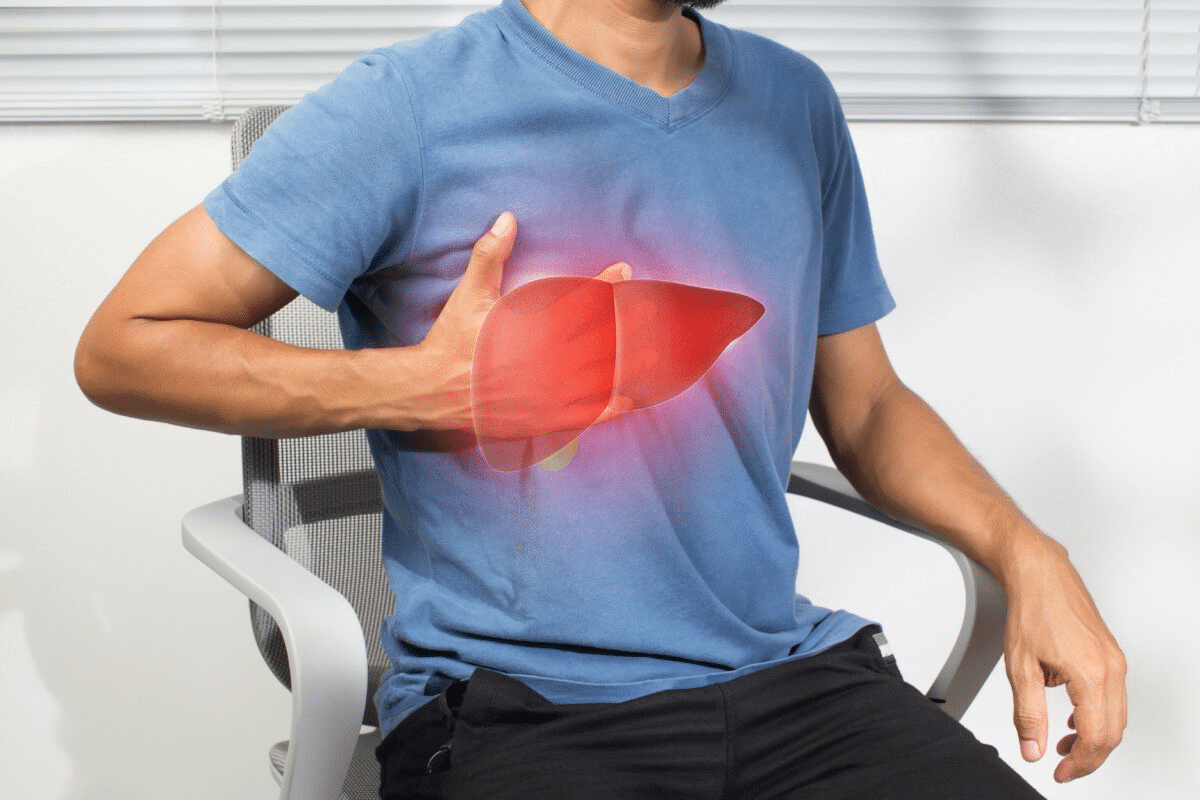
Congestive heart failure is a big challenge, mainly for those with COPD. It’s important to know about its different parts and how they connect with other health issues.
Definition and Types of Heart Failure
Heart failure means the heart can’t pump enough blood. It’s divided into two main types: heart failure with reduced ejection fraction (HFrEF) and heart failure with preserved ejection fraction (HFpEF). HFrEF happens when the heart can’t contract well. HFpEF is when the heart can’t fill up properly.
Knowing the difference is key for the right treatment. HFrEF is about the heart’s contraction, while HFpEF is about its filling. Both can happen together.
Left-Sided vs. Right-Sided Heart Failure
Heart failure can affect either side of the heart. Left-sided heart failure is more common. It causes symptoms like shortness of breath and trouble breathing when lying down. This is because of fluid buildup in the lungs.
Right-sided heart failure causes swelling in the legs and ankles. It’s due to fluid buildup in the body’s veins. Left-sided failure can lead to right-sided failure over time.
Common Symptoms and Diagnostic Criteria
The symptoms of congestive heart failure vary. They include:
- Dyspnea on exertion or at rest
- Orthopnea or paroxysmal nocturnal dyspnea
- Fatigue and weakness
- Peripheral edema
- Jugular venous distension
Doctors use clinical checks, echocardiography, and blood tests to diagnose. Knowing these signs is key for treating heart failure, even in those with COPD.
Heart failure is complex and needs careful management. The connection with COPD makes it even more challenging. A detailed approach is needed for diagnosis and treatment.
The Relationship Between Chronic Obstructive Pulmonary Disease and Congestive Heart Failure
Research has shown a strong link between chronic obstructive pulmonary disease (COPD) and congestive heart failure (CHF). It’s important to understand this connection to better care for patients. This knowledge helps in managing their health more effectively.
Epidemiological Evidence and Prevalence
Studies have found that COPD patients face a higher risk of heart failure, often right-sided due to high blood pressure in the lungs. A meta-analysis showed that 17% to 43% of COPD patients have CHF. This is much higher than in the general population. It’s vital to keep these numbers in mind when treating COPD patients.
Key findings include:
- A higher incidence of CHF in COPD patients compared to those without COPD.
- Increased prevalence of right-sided heart failure in COPD patients due to pulmonary hypertension.
- The presence of COPD complicates the diagnosis and management of CHF.
Shared Risk Factors and Comorbidities
COPD and CHF both have common risk factors like smoking, age, and heart disease history. These factors make managing patients with both conditions more complex. It’s essential to tackle these risks to improve patient care.
Comorbidities like high blood pressure, diabetes, and high cholesterol add to the challenge. Effective management strategies must take these comorbidities into account to reduce the overall disease burden.
Overlapping Symptoms and Diagnostic Challenges
Managing COPD and CHF is tough because their symptoms often overlap. Symptoms like shortness of breath, fatigue, and swelling can make diagnosis tricky.
To tackle these challenges, we suggest:
- A thorough clinical evaluation, including a detailed medical history and physical examination.
- The use of diagnostic tests such as echocardiography and pulmonary function tests.
- Careful consideration of the patient’s symptom profile and response to initial treatments.
By grasping the connection between COPD and CHF, we can improve diagnosis and treatment plans. This approach helps patients with these complex conditions.
Pathophysiological Mechanisms Linking COPD to Heart Failure
COPD and heart failure are closely linked through several key mechanisms. Understanding these is key to seeing how COPD affects heart health.
Systemic Inflammation and Oxidative Stress
COPD causes chronic inflammation in the lungs and body. This inflammation, along with oxidative stress, plays a big role in heart failure. Systemic inflammation releases cytokines that harm the heart.
Oxidative stress, from too many reactive oxygen species, damages the heart even more. The heart’s high energy needs and many mitochondria make it vulnerable to damage.
“Systemic inflammation and oxidative stress are key factors in the development of cardiovascular comorbidities in COPD patients.”
Neurohumoral Activation
Neurohumoral activation, like the RAAS and sympathetic nervous system, links COPD to heart failure. Hypoxemia and hypercapnia in COPD activate these systems. This leads to vasoconstriction, sodium retention, and more work for the heart.
The RAAS system causes heart fibrosis and remodeling, hurting heart function. The sympathetic nervous system increases heart rate and contractility. This helps at first but eventually leads to heart fatigue and dysfunction.
Vascular Dysfunction and Remodeling
Vascular dysfunction and remodeling are also key in COPD-related heart failure. Systemic inflammation and oxidative stress harm the endothelium. This reduces vasodilation and increases vascular resistance.
|
Mechanism |
Effect on the Heart |
|---|---|
|
Systemic Inflammation |
Promotes cardiac dysfunction through cytokine release |
|
Oxidative Stress |
Exacerbates cardiac damage through ROS production |
|
Neurohumoral Activation |
Increases cardiac workload and promotes remodeling |
|
Vascular Dysfunction |
Impairs vasodilation and increases vascular resistance |
These mechanisms work together, creating a cycle that worsens heart failure in COPD patients.
Pulmonary Hypertension: The Bridge Between COPD and Right Heart Failure
Pulmonary hypertension is a serious problem for people with chronic obstructive pulmonary disease (COPD). It connects COPD to right heart failure. As COPD gets worse, the chance of getting pulmonary hypertension goes up. This makes managing the condition very important.
Development of Pulmonary Hypertension in COPD
Pulmonary hypertension in COPD means high blood pressure in the lungs’ arteries. This happens because of several reasons like low oxygen levels, changes in blood vessels, and inflammation. Chronic hypoxemia is a big factor, causing blood vessels to narrow and change shape.
Having pulmonary hypertension in COPD makes things worse. It means a higher risk of right heart failure. Early detection is key to managing this condition well.
Progression to Cor Pulmonale
Cor pulmonale is a serious problem in advanced COPD. It’s when the right side of the heart gets too thick or big because of high blood pressure in the lungs. This puts a lot of work on the right ventricle.
Things like how bad COPD is, how long someone has been breathing low oxygen, and other health problems can make it worse. Timely intervention can help slow down or stop this from getting worse.
Clinical Manifestations and Prognosis
People with COPD and pulmonary hypertension often feel short of breath, tired, and can’t do as much as they used to. These symptoms can be hard to spot, making it tough to diagnose.
|
Clinical Feature |
COPD |
Pulmonary Hypertension |
|---|---|---|
|
Dyspnea |
Common |
Common |
|
Fatigue |
Less Common |
Common |
|
Chest Pain |
Rare |
Occasional |
The outlook for people with COPD and pulmonary hypertension is not good. They face a higher chance of needing to go to the hospital and dying. Comprehensive management strategies are needed to improve their chances.
Hypoxemia and Its Effects on Cardiac Function
Hypoxemia is when blood doesn’t have enough oxygen. This can really hurt how well the heart works. Without enough oxygen, the heart can’t pump blood as well as it should.
How Low Oxygen Levels Stress the Heart
When there’s not enough oxygen, the heart has to work harder. It pumps more blood to try to get oxygen to the body. This can damage the heart over time.
The heart’s response to hypoxemia involves several mechanisms:
- Increased heart rate to deliver more oxygen to tissues
- Redistribution of blood flow to prioritize vital organs
- Potential for cardiac remodeling due to chronic stress
Compensatory Mechanisms and Their Consequences
The body tries to fix low oxygen levels in different ways. It breathes more and makes more blood cells. But these fixes can also cause problems, like:
|
Compensatory Mechanism |
Potential Consequence |
|---|---|
|
Increased ventilation |
Respiratory alkalosis, potentially leading to muscle fatigue |
|
Enhanced erythropoiesis |
Increased blood viscosity, potentially leading to thrombotic events |
Impact on Left Ventricular Function
Hypoxemia can really hurt the left ventricle’s ability to pump blood. Over time, this can cause the ventricle to not work as well. This might even lead to heart failure.
The link between hypoxemia and heart problems is complex. It involves many different ways the body reacts. Knowing how these work is key to helping patients with heart and lung issues.
COPD Exacerbations and Heart Failure Risk
Exacerbations of COPD can lead to heart failure. These events harm the lungs and the heart. They can cause serious problems for the heart.
Acute Respiratory Deterioration and Cardiac Strain
When COPD worsens, breathing gets harder. This puts extra stress on the heart. It can cause heart problems.
The heart works harder because of the lung issues. This can make the heart’s right side work too hard.
Research on Left Ventricular Dysfunction Following COPD Exacerbations
Research shows COPD attacks can harm the heart’s left side. This is a big risk for heart failure. The reasons are complex, involving inflammation and stress.
How often and how bad COPD attacks are matters. Managing these attacks well is key to protect the heart.
|
Study |
Findings |
Implications |
|---|---|---|
|
Study A |
COPD exacerbations lead to increased inflammation and oxidative stress, contributing to left ventricular dysfunction. |
Effective management of COPD exacerbations is critical to reduce cardiac risk. |
|
Study B |
Frequent COPD exacerbations are linked to a higher risk of heart failure. |
Lowering the number of attacks through proper treatment can lessen heart failure risk. |
Long-term Cardiac Consequences of Repeated Exacerbations
Recurring COPD attacks can harm the heart over time. They can lead to chronic heart failure. The heart may not work well for a long time.
It’s vital to manage COPD long-term. We need to reduce how often and how severe these attacks are. This helps protect the heart from lasting damage.
Management Strategies for Patients with Coexisting COPD and Heart Failure
COPD and heart failure together are a big challenge. We must create a special plan for these patients. This plan should cover all their needs.
Pharmacological Considerations and Possible Interactions
When treating patients with both COPD and heart failure, we must be careful with medicines. Beta-blockers help with heart failure but might make breathing harder in COPD. But, cardioselective beta-blockers can be used safely in some cases.
We also need to watch how ACE inhibitors and ARBs work. They help with heart failure but can be risky for the kidneys, which is common in these patients.
Non-pharmacological Interventions and Lifestyle Changes
Non-medical treatments are key for managing these patients. Pulmonary rehabilitation can make breathing and living better. Quitting smoking is also very important, as it makes both conditions worse.
Healthy eating and regular exercise are also important. Patients should learn about managing fluids and salt to help their heart.
Monitoring and Follow-up Recommendations
Keeping an eye on these patients is essential. Regular check-ups help us see how the diseases are doing and adjust treatments. Spironometry and echocardiography help us check lung and heart health.
Teaching patients to spot when things are getting worse is important. They should know when to get help. A team of doctors, including lung and heart specialists, should work together to make a care plan.
Conclusion: Clinical Implications and Future Directions
It’s key to understand how chronic obstructive pulmonary disease (COPD) and congestive heart failure are connected. We’ve looked into how these two conditions share risk factors and symptoms. We’ve also talked about the challenges in diagnosing them together.
Managing patients with both COPD and heart failure needs a detailed plan. This plan should include the right medicines and lifestyle changes. It’s important to treat both conditions together for the best results.
Research and treatment methods will keep getting better. We’ll learn more about how COPD and heart failure are connected. This will help us find new ways to help patients with these conditions.
By taking a complete care approach, we can make a big difference. We’ll keep up with the latest in treating COPD and heart failure. This will help improve the lives of those dealing with these serious health issues.
FAQ
Can COPD cause congestive heart failure?
Yes, COPD can increase the risk of congestive heart failure. This is due to shared risk factors, systemic inflammation, and the strain it puts on the heart.
What is the relationship between COPD and heart disease?
COPD and heart disease are closely linked. COPD often goes hand in hand with heart failure. Both share common risk factors like smoking.
How does COPD affect the heart?
COPD can lead to pulmonary hypertension. This can cause the right side of the heart to fail, known as cor pulmonale. Low oxygen levels also stress the heart, potentially leading to left ventricular dysfunction.
Can COPD exacerbations lead to heart failure?
Yes, COPD exacerbations can increase the risk of heart failure. They put additional strain on the heart. Repeated exacerbations can have long-term cardiac consequences.
How are COPD and heart failure managed together?
Managing both conditions together requires a holistic approach. This includes pharmacological treatments, lifestyle changes, and close monitoring. It aims to address both conditions effectively.
What are the symptoms of COPD and heart failure?
COPD symptoms include dyspnea, wheezing, and coughing. Heart failure symptoms include shortness of breath, fatigue, and swelling. Overlapping symptoms can make diagnosis challenging.
How does smoking affect COPD and heart failure?
Smoking is a major risk factor for both COPD and heart failure. It damages the lungs and cardiovascular system. This increases the likelihood of developing these conditions.
What is the impact of COPD on cardiac function?
COPD can lead to changes in cardiac function. It increases strain on the right heart due to pulmonary hypertension. It can also contribute to left ventricular dysfunction.
Can COPD cause right-sided heart failure?
Yes, COPD can lead to pulmonary hypertension. This can cause right-sided heart failure, known as cor pulmonale. It’s due to increased pressure on the right side of the heart.
How does low oxygen levels affect the heart?
Low oxygen levels can stress the heart. This leads to changes in cardiac function. It can contribute to left ventricular dysfunction and heart failure.
References
National Center for Biotechnology Information. COPD Association with Congestive Heart Failure. Retrieved from https://www.ncbi.nlm.nih.gov/pmc/articles/PMC12250576/