
Managing Asthma-COPD Overlap Syndrome (ACOS) needs a detailed plan. It combines asthma and chronic obstructive pulmonary disease traits. ACOS is a big challenge, affecting millions globally and adding to their health burden chronic asthma copd.
People with ACOS face symptoms from both diseases, often worse than either alone. We know how hard it is to manage ACOS. A custom treatment plan is key to better living for these patients.
Key Takeaways
- ACOS is a distinct clinical phenotype that combines characteristics of asthma and COPD.
- Managing ACOS requires a comprehensive and multidisciplinary care approach.
- ACOS patients experience a higher burden of disease and more frequent exacerbations.
- A tailored treatment plan is crucial to improve the quality of life for ACOS patients.
- Comprehensive care for ACOS involves international medical standards and support.
Understanding Asthma and COPD Overlap Syndrome (ACOS)

Asthma and COPD Overlap Syndrome is not one disease but a mix of both. It has features of asthma and COPD. This condition shows signs of asthma, like bronchial hyperreactivity, and COPD’s fixed obstruction.
Definition and Clinical Significance
ACOS combines asthma and COPD traits. It’s hard to diagnose because symptoms overlap. Patients may have wheezing, shortness of breath, and coughing.
ACOS is important because it needs a special treatment plan. It’s not just like treating asthma or COPD alone. A more detailed and intense treatment is often needed.
Historical Recognition of ACOS
The idea of ACOS has changed over time. At first, asthma and COPD were seen as separate diseases. But now, we know they share traits, mainly in older adults and smokers.
Now, ACOS is recognized as a unique condition. This has led to more research and guidelines. These help doctors manage patients with both asthma and COPD traits better.
Understanding ACOS helps doctors improve patient care. This leads to better health and quality of life for those affected.
Prevalence and Epidemiology of ACOS
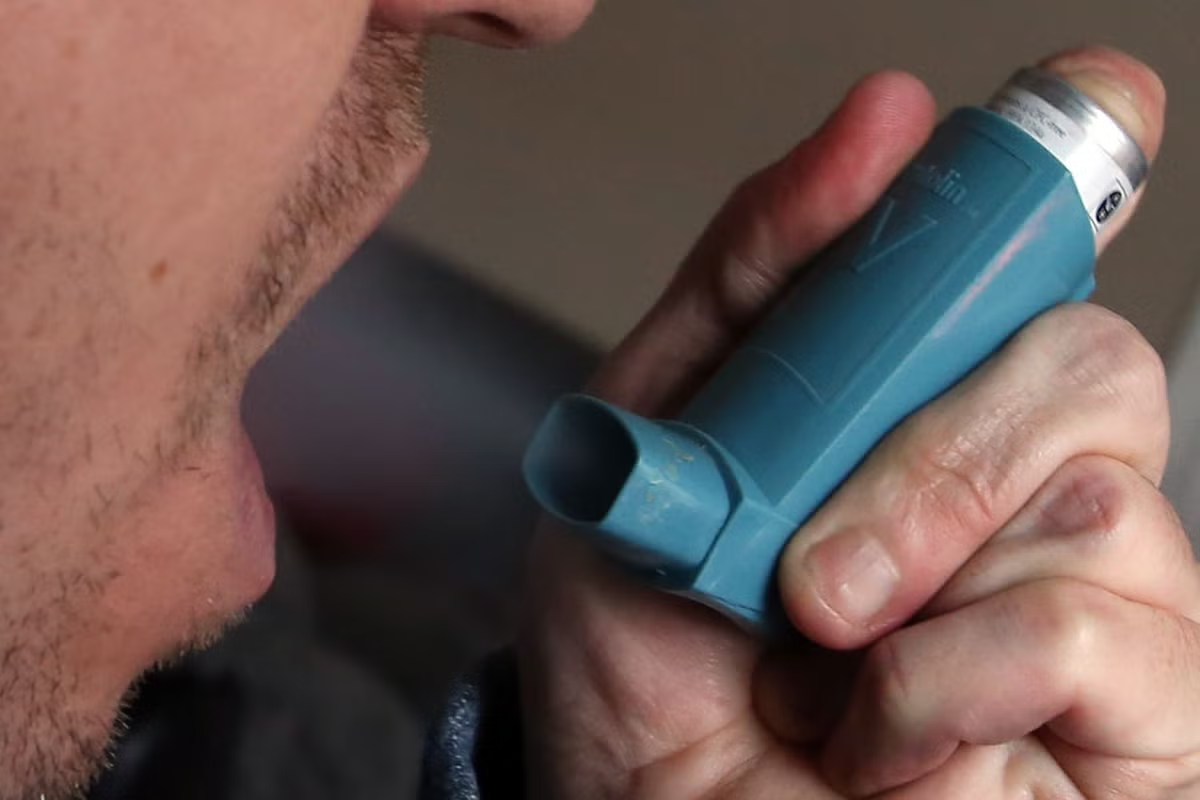
It’s key to understand Asthma and COPD Overlap Syndrome (ACOS) to manage it well. ACOS happens when asthma and COPD are both present in a patient. This makes diagnosis and treatment tricky.
General Population Statistics
Studies say ACOS affects 1.6 to 4.5 percent of people. This means a lot of people worldwide deal with this condition. It’s found more often in those who already have asthma or COPD.
The prevalence of ACOS changes based on age, smoking, and environment. For example, older people and smokers are more likely to have ACOS.
Risk Factors and Demographic Patterns
Smoking, pollution, and genes can increase ACOS risk. ACOS is also more common in certain age groups and populations. For example, it’s more common in people over 50.
Knowing these risk factors and patterns helps doctors spot ACOS early. This way, they can take steps to prevent and treat it. Understanding ACOS helps us improve care and outcomes for patients.
Pathophysiology of Chronic Asthma COPD Overlap
ACOS combines features of asthma and COPD. It’s important to understand its pathophysiology. This knowledge helps in creating effective management plans for ACOS patients.
Airway Inflammation Mechanisms
The inflammation in ACOS involves many cell types and mediators. Inflammatory cells such as eosinophils and neutrophils are key players. Eosinophils are linked to asthma, while neutrophils are more common in COPD. In ACOS, both types contribute to the inflammation.
This inflammation leads to the production of cytokines and chemokines. These substances keep the inflammation going. Knowing how they work is key to finding targeted treatments.
Structural Changes in Airways
ACOS is marked by changes in the airways. These changes cause airflow limitation and symptoms. Airway remodeling and emphysema are common in ACOS.
Airway remodeling includes thickening of the airway walls and more smooth muscle and mucus glands. Emphysema destroys alveolar walls, reducing lung elastic recoil.
|
Structural Change |
Description |
Impact on ACOS |
|---|---|---|
|
Airway Remodeling |
Thickening of airway walls, increased smooth muscle, and mucus gland hypertrophy |
Contributes to airflow limitation and symptom severity |
|
Emphysema |
Destruction of alveolar walls, leading to loss of lung elastic recoil |
Results in breathlessness and reduced lung function |
Understanding these changes is critical for managing ACOS. By tackling inflammation and structural changes, healthcare providers can offer better care to ACOS patients.
Clinical Features and Symptoms
It’s key to know the signs of Asthma and COPD Overlap Syndrome (ACOS). This helps tell it apart from asthma and COPD alone. ACOS has its own set of symptoms that affect how it’s treated and managed.
Common Presenting Symptoms
People with ACOS often have breathing problems like wheezing and shortness of breath. They might also cough a lot and feel tightness in their chest. These symptoms can get worse if not treated right.
Key symptoms include:
- Wheezing and coughing, characteristic of asthma
- Shortness of breath and chronic cough, typical of COPD
- Frequent exacerbations, indicating a more severe disease state
Knowing these symptoms is key to making a good treatment plan.
Distinguishing ACOS from Pure Asthma or COPD
It can be hard to tell ACOS apart from asthma or COPD because their symptoms overlap. But, there are clues that can help with diagnosis.
|
Characteristics |
ACOS |
Asthma |
COPD |
|---|---|---|---|
|
Age of Onset |
Often >40 years |
Can occur at any age |
Typically >40 years |
|
Smoking History |
Often present |
May or may not be present |
Often present |
|
Reversibility of Airflow Limitation |
Partially reversible |
Reversible |
Not fully reversible |
|
Exacerbation Frequency |
Frequent |
Varies |
Frequent |
By looking at these traits and understanding ACOS, doctors can make a better diagnosis. This leads to a more effective treatment plan.
Diagnostic Criteria and Assessment
Diagnosing ACOS is a detailed process. It involves looking at medical history, physical exams, and advanced tests. Getting ACOS right is key for good treatment.
Medical History and Physical Examination
Starting with a detailed medical history is important. Doctors look for symptoms like wheezing, coughing, and breathing trouble. They also ask about smoking or pollution exposure. A physical check might show signs of breathing issues or wheezing.
Pulmonary Function Testing
Pulmonary function tests (PFTs), like spirometry, are vital. They check lung function and help spot ACOS. These tests show how well air moves and if it can improve.
Imaging and Biomarkers
Imaging, like chest X-rays or CT scans, helps see lung damage. It helps rule out other problems. Biomarkers, like eosinophil counts, give clues about inflammation.
|
Diagnostic Tool |
Purpose |
Key Findings in ACOS |
|---|---|---|
|
Medical History |
Identify symptoms and risk factors |
History of wheezing, smoking, or pollutant exposure |
|
Pulmonary Function Tests (PFTs) |
Assess lung function and airflow limitation |
Partially reversible airflow limitation |
|
Imaging Studies |
Assess lung damage and rule out other conditions |
Evidence of lung hyperinflation or damage |
|
Biomarkers |
Assess underlying inflammation |
Elevated eosinophil counts or inflammatory markers |
Getting a full picture is key to diagnosing ACOS right. By using history, physicals, PFTs, and imaging and biomarkers, doctors can manage ACOS well.
Complications and Disease Burden
Managing ACOS is tough because of its complications, like frequent and severe attacks. People with ACOS face a much bigger disease burden than those with just asthma or COPD.
Exacerbation Frequency and Severity
ACOS attacks happen more often and are more severe than in asthma or COPD alone. This is because ACOS combines airway inflammation with structural changes.
Key factors contributing to exacerbations include:
- Enhanced airway inflammation
- Increased mucus production
- Airway hyperresponsiveness
These issues create a cycle of worsening symptoms, less lung function, and lower quality of life.
Impact on Quality of Life and Mortality
ACOS greatly affects quality of life. Patients have more symptoms, less physical activity, and use more healthcare. It also impacts mental health and overall well-being.
Mortality rates are also higher in ACOS patients because of severe attacks and other health issues. It’s important to manage ACOS well to improve patient outcomes.
We know managing ACOS needs a full approach. This includes medicines and other treatments to tackle both physical and mental parts of the disease.
Pharmacological Management Strategies
Managing Asthma and COPD Overlap Syndrome (ACOS) with medicine is key. It helps control symptoms and slow disease progress. A detailed plan is needed to tackle the disease’s complex nature.
Bronchodilator Therapy
Bronchodilators are vital in treating ACOS. They relax airway muscles, making breathing easier. There are two main types: beta-2 agonists and anticholinergics.
Beta-2 agonists, like salbutamol, work quickly to relax airways. Anticholinergics, such as tiotropium, help control symptoms over time. The right choice depends on how well the patient responds and the severity of symptoms. Sometimes, using both types together can help more.
Inhaled Corticosteroids
Inhaled corticosteroids (ICS) are key in reducing inflammation in ACOS. They are very important for those with asthma history or significant inflammation.
ICS therapy must be balanced to avoid risks like pneumonia and systemic side effects. Regular checks are needed to adjust doses and prevent side effects.
Combination Therapies
ACOS’s complexity often calls for combination therapies. Mixing bronchodilators with ICS can improve lung function and cut down on flare-ups.
Here’s a quick look at common treatments for ACOS:
|
Therapy |
Primary Benefit |
Common Medications |
|---|---|---|
|
Bronchodilator Therapy |
Relax airway muscles, improve breathing |
Salbutamol, Tiotropium |
|
Inhaled Corticosteroids (ICS) |
Reduce airway inflammation |
Fluticasone, Budesonide |
|
Combination Therapies |
Improved lung function, reduced exacerbations |
ICS + Bronchodilators |
Understanding these treatments helps doctors create personalized plans. This approach can greatly improve ACOS outcomes.
Non-Pharmacological Interventions
Non-pharmacological treatments offer big benefits for ACOS patients. They help improve life quality and manage symptoms well. We’ll look at three main strategies: pulmonary rehabilitation, smoking cessation, and vaccination and infection prevention.
Pulmonary Rehabilitation
Pulmonary rehabilitation is a full program. It includes exercise, education, and behavior changes. It helps ACOS patients breathe better, feel less symptoms, and live better lives.
A typical program includes:
- Exercise to boost heart health and muscle strength
- Learning how to manage the disease and take care of yourself
- Nutrition advice to eat right
Smoking Cessation
Stopping smoking is key for ACOS management. Smoking makes the disease worse and symptoms worse too. Doctors should help patients quit smoking with counseling, nicotine therapy, and medicines.
Good ways to quit smoking include:
- Behavioral counseling to change smoking habits
- Nicotine therapy to ease withdrawal
- Medicines to cut cravings and withdrawal
Vaccination and Infection Prevention
Vaccines and preventing infections are very important. They help avoid respiratory infections that can make ACOS worse. Flu and pneumococcal vaccines are very important.
|
Vaccination |
Recommendation |
|---|---|
|
Influenza |
Get vaccinated every year |
|
Pneumococcal |
Recommended for those 65+ or with certain health issues |
In summary, non-pharmacological treatments like pulmonary rehab, quitting smoking, and vaccines are key for ACOS care. They help control symptoms, improve life quality, and lower the chance of getting worse.
Managing Acute Exacerbations
Managing acute exacerbations in Asthma and COPD Overlap Syndrome (ACOS) is key for patient care. These episodes can greatly affect a patient’s life and future. So, it’s important to manage them well and quickly.
Early Recognition of Worsening Symptoms
Spotting worsening symptoms early is vital in managing ACOS. Patients and their caregivers need to know the signs, like breathing harder, wheezing, and coughing. Prompt identification leads to early treatment, which can prevent serious problems.
A study in a respiratory medicine journal found that “early intervention with the right therapy can greatly lessen the severity and length of these episodes.”
“Being able to recognize and act on worsening symptoms is essential for managing ACOS well.”
|
Symptom |
Description |
Action |
|---|---|---|
|
Increased Shortness of Breath |
Feeling winded or having trouble breathing even when resting |
Use rescue medication as directed |
|
Wheezing |
A high-pitched sound when breathing out |
Keep a close eye on symptoms |
|
Coughing |
A persistent cough, often with mucus |
Get medical help if it’s severe |
Emergency Treatment Protocols
Emergency treatment for ACOS exacerbations includes medicines and supportive care. Bronchodilators and corticosteroids help ease symptoms and reduce swelling.
- Give bronchodilators through inhalers or nebulizers
- Provide supplemental oxygen if needed
- Use corticosteroids to fight inflammation
Hospital Management vs. Home Care
Choosing between hospital care and home treatment for ACOS exacerbations depends on how bad the symptoms are and the patient’s health. Severe cases might need hospital care for better monitoring and treatment.
Signs that a patient needs to go to the hospital include severe breathing trouble, not getting better with first treatment, and serious health problems. But, mild to moderate cases can often be treated at home with the right meds and follow-up care.
- Check how bad the exacerbation is
- Decide if hospital care is needed based on clinical criteria
- Plan a treatment for home care if it’s okay
Managing ACOS exacerbations well needs a team effort. This includes educating patients, recognizing symptoms early, and using the right treatment plans. Understanding ACOS and using these strategies can help healthcare providers improve patient outcomes and quality of life.
Daily Living with Chronic Asthma COPD Overlap
Managing Asthma and COPD Overlap Syndrome (ACOS) daily means knowing your condition well. It’s about making a care plan that fits you. ACOS is complex, so a detailed approach is needed.
Creating a Personalized Action Plan
Having a personal action plan is key for ACOS management. Work with your healthcare team to make one. It should cover:
- Ways to handle symptoms
- When to take your meds
- What to do in emergencies
- Changes to your lifestyle
With a solid plan, you can tackle ACOS’s challenges. This helps lower the chance of getting worse.
Environmental Trigger Avoidance
Staying away from triggers is important for ACOS care. Common ones are:
- Air pollution
- Allergens like dust mites, pet dander, and pollen
- Smoke from cigarettes and other fires
To avoid these, use air purifiers, keep your space clean, and steer clear of smoke.
Exercise and Nutritional Considerations
Regular exercise and a healthy diet are vital for ACOS. Exercise boosts lung function and health. A good diet supports your body and helps with weight.
Monitoring and Tracking Symptoms
Keeping an eye on symptoms is critical for ACOS care. Track your symptoms daily and tell your doctor about any changes. This helps adjust your treatment as needed.
|
Symptom |
Tracking Method |
Action if Worsening |
|---|---|---|
|
Shortness of breath |
Daily symptom diary |
Contact healthcare provider |
|
Wheezing |
Peak flow meter |
Adjust medication |
|
Coughing |
Symptom log |
Seek medical attention if persistent |
By managing your ACOS through these steps, you can live better. This reduces the risk of serious problems.
Conclusion: Advances and Future Directions in ACOS Management
Managing asthma COPD overlap syndrome (ACOS) needs a full approach. This includes both medicines and lifestyle changes. It’s key to understand ACOS well to make treatment plans that fit each patient’s needs.
New research and treatments are changing how we handle ACOS. We’re seeing new medicines and combos that target the root causes of ACOS. These aim to improve how we treat obstructive asthma and asthma with COPD.
As we learn more about ACOS, we can better tell it apart from COPD and asthma. This helps us give more accurate diagnoses and treatments. The future of ACOS care will keep getting better thanks to ongoing research and trials.
Healthcare teams can give the best care to those with ACOS by keeping up with new findings. This helps improve their health and life quality.
FAQ
What is Asthma and COPD Overlap Syndrome (ACOS)?
ACOS is a condition where you have both asthma and COPD symptoms. It’s marked by ongoing breathing problems.
How is ACOS diagnosed?
Doctors use several tests to diagnose ACOS. These include looking at your medical history, doing a physical exam, and running lung function tests. They also use imaging and biomarkers to make the diagnosis.
What are the common symptoms of ACOS?
Symptoms of ACOS include wheezing, coughing, and feeling short of breath. You might also feel tightness in your chest.
How is ACOS managed?
Managing ACOS involves several steps. This includes using medicines like bronchodilators and inhaled corticosteroids. You might also need to quit smoking, exercise, and get vaccinated.
What is the role of bronchodilators in ACOS management?
Bronchodilators help relax the airway muscles. This makes it easier to breathe. They are a key part of treating ACOS.
Can ACOS be treated with inhaled corticosteroids?
Yes, inhaled corticosteroids can help reduce airway inflammation. They are often used with bronchodilators to manage ACOS.
How can exacerbations of ACOS be managed?
To manage ACOS exacerbations, look for worsening symptoms early. Use emergency treatment plans. Decide if you need hospital care or can manage at home.
What lifestyle changes can help manage ACOS?
To manage ACOS, create a personal action plan. Avoid triggers, exercise, and eat well. These steps can help control symptoms.
How does ACOS impact quality of life?
ACOS can greatly affect your quality of life. It can limit your daily activities and impact your overall well-being.
What is the prognosis for patients with ACOS?
The prognosis for ACOS patients varies. It depends on the condition’s severity, treatment response, and any other health issues.
What is the difference between ACOS and asthma or COPD alone?
ACOS combines symptoms of both asthma and COPD. It’s a unique condition that needs a detailed management plan.
Can ACOS be prevented?
While you can’t fully prevent ACOS, avoiding smoking and harmful environmental exposures can lower your risk.
How does smoking cessation impact ACOS management?
Quitting smoking is key in managing ACOS. It can slow disease progression and improve your health.
References
Valuable How To Manage Chronic Asthma COPD Overlap https://www.ncbi.nlm.nih.gov/books/NBK592422/