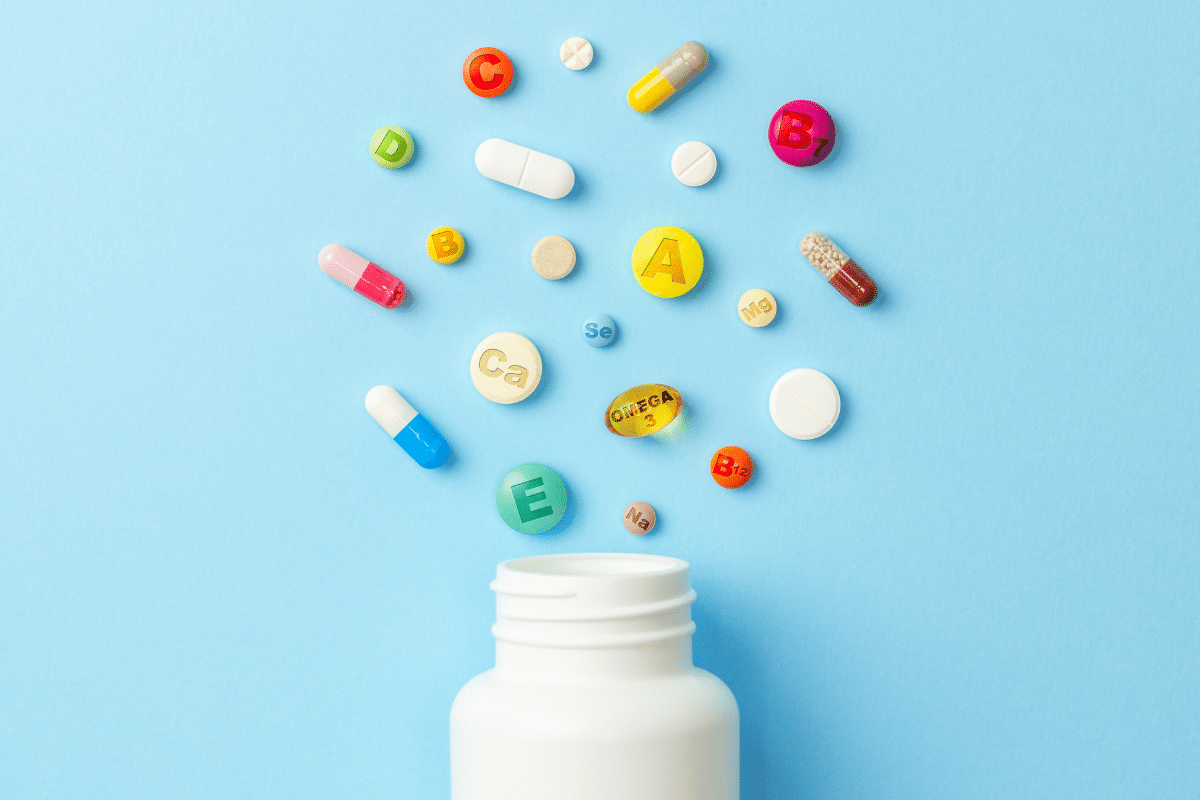
As women get older, their bodies need different nutrients to stay healthy. Studies show that up to 30% of older adults have trouble absorbing vitamins. This makes senior supplements very important.Discover the best vitamins for 50 and over women. This senior supplements guide lists 9 essentials for optimal aging.
Women over 50 need special nutrients for strong bones, sharp minds, and energy. For example, women over 51 should get 1,200 mg of calcium and 600 IU of vitamin D every day. At Liv Hospital, we focus on filling these nutritional gaps with the right supplements.
Our guide helps you find the best vitamins for women over 50. It’s all about making smart choices for your health.
Key Takeaways
- Women over 50 need targeted supplementation due to changes in nutritional absorption.
- Calcium and vitamin D are key for strong bones.
- Senior supplements can fill nutritional gaps.
- Liv Hospital offers patient-centered care for women over 50.
- Knowing your nutritional needs is essential for choosing the right supplements.
Understanding Nutritional Needs for Women Over 50
Women’s nutritional needs change as they age. This is mainly because of how their bodies absorb nutrients and the effects of menopause.
Age-Related Changes in Nutrient Absorption
Women in their 50s find it harder to absorb some nutrients. This makes them more likely to have deficiencies. For example, they absorb less calcium, which is key for strong bones.
Impact of Menopause on Nutritional Requirements
Menopause leads to big hormonal changes, like a drop in estrogen. This can raise the risk of osteoporosis. So, calcium and vitamin D supplements are very important.
Women over 50 need 1,200 mg of calcium every day to keep their bones strong. It’s vital to pick the right supplements to fight aging and menopause risks.
Why Supplementation Becomes Essential After 50

Women over 50 face unique nutritional challenges. These challenges often require targeted supplementation. As we age, our bodies change how we absorb and use nutrients.
Declining Nutrient Absorption Efficiency
One key reason for supplementation after 50 is declining nutrient absorption. Up to 30% of people over 50 have atrophic gastritis. This condition makes it hard to absorb vitamin B12, important for energy and brain function.
Declining nutrient absorption efficiency means even with enough nutrients, bodies may not absorb them well. This can cause deficiencies that harm health and well-being.
Increased Nutritional Demands
Aging increases nutritional needs. After menopause, women need more calcium and vitamin D for bone health. Supplements help meet these needs.
Calcium supplements are often recommended for postmenopausal women to prevent osteoporosis. Vitamin D supplements also help maintain bone density and overall health.
Common Deficiencies in Senior Women
Senior women often lack vitamin B12, calcium, and vitamin D. These deficiencies can cause fatigue, weakness, and increase fracture risk.
- Vitamin B12 deficiency can cause neurological symptoms and fatigue.
- Calcium deficiency increases the risk of osteoporosis.
- Vitamin D deficiency can lead to bone pain and muscle weakness.
Targeted supplementation can help address these deficiencies. It improves health and quality of life for women over 50. When choosing senior health supplements, consider individual nutritional needs and health status.
Understanding the importance of supplementation after 50 is key. Selecting the right supplements for seniors helps women maintain health and well-being as they age.
Calcium: Building Blocks for Aging Bones
Calcium is key for women over 50 to keep bones strong and fight osteoporosis. As we get older, our bones lose density. So, taking calcium supplements is vital for strong bones.
Daily Calcium Needs for Women Over 50
Women over 50 need 1,200 mg of calcium every day for bone health. You can get this from food and supplements. Getting enough calcium helps avoid osteoporosis and fractures, big worries for older women.
Choosing the Right Calcium Supplement
There are many calcium supplements, like calcium citrate and calcium carbonate. Calcium citrate is good because it’s easily absorbed, even without food. Calcium carbonate is cheaper but needs stomach acid to work well.
When picking a calcium supplement, think about how well it’s absorbed, its cost, and any side effects. Always talk to a doctor to find the right one for you.
Potential Side Effects and Considerations
Calcium supplements are usually safe but can cause bloating, constipation, and kidney stones in some. To avoid these, take calcium in small doses with lots of water. Also, be careful if you’re taking other medicines, like thyroid hormones or antibiotics.
To get the most from calcium supplements, women over 50 should eat well. Include foods rich in vitamin D and magnesium. These nutrients help calcium work better for bone health.
Vitamin D: The Sunshine Vitamin for Bone Health
Women over 50 need enough vitamin D for strong bones and health. Our skin makes less vitamin D from sunlight as we age. Our kidneys also lose their ability to turn it into its active form. So, taking supplements is key to keeping levels right.
Vitamin D Deficiency in Older Women
Many older women lack vitamin D, often because they don’t get enough sun or wear too much clothing. Experts say vitamin D deficiency can lead to osteoporosis and fractures in older adults.
“Vitamin D plays a critical role in maintaining bone mineralization and density.”
Getting enough vitamin D can help avoid these problems.
Optimal Dosage Guidelines
The daily vitamin D intake changes with age. Women 51-70 need 600 IU (International Units) per day. Those over 70 should aim for 800 IU. But, your needs can differ based on sun exposure, skin color, and health.
- Check with a healthcare provider to find the right dose for you.
- Know the upper limit for vitamin D to avoid too much.
D2 vs. D3: Which Form Is Superior?
Vitamin D has two main types: D2 (ergocalciferol) and D3 (cholecalciferol). Studies show D3 is better at keeping vitamin D levels up. D2 comes from fungi, while D3 comes from animals or sunlight.
|
Form |
Source |
Effectiveness |
|---|---|---|
|
D2 |
Fungal sources |
Less effective |
|
D3 |
Animal sources or skin production |
More effective |
When picking a vitamin D supplement, think about the type and your needs. Always talk to a healthcare expert to pick the best one for you.
Vitamin B12: Essential for Cognitive Function
Vitamin B12 is key for brain health, mainly for women over 50. As we get older, our bodies change, affecting how we absorb nutrients. Vitamin B12 is important for making myelin, which protects nerve fibers.
Absorption Challenges After 50
Up to 30% of people over 50 face atrophic gastritis. This condition makes it hard to get vitamin B12 from food. So, taking supplements is vital to keep vitamin B12 levels up.
Signs of B12 Deficiency
Vitamin B12 deficiency shows in many ways. You might feel tired, weak, or have numbness in your hands and feet. It can also affect your memory and how well you focus.
Supplement Forms and Recommendations
Vitamin B12 supplements are available in tablets, drops, and injectables. The right choice depends on your needs and how well your body absorbs it.
When picking a vitamin B12 supplement, think about the form and how much to take. The table below compares different forms and their benefits.
|
Supplement Form |
Absorption Rate |
Convenience |
|---|---|---|
|
Oral Tablets |
Moderate |
High |
|
Sublingual Drops |
High |
Moderate |
|
Injectable Solutions |
Very High |
Low |
The best vitamin B12 supplement varies by person. Talking to a healthcare professional can help find the right one for you.
Magnesium: Supporting Heart and Bone Health
For women over 50, magnesium is key for strong bones and a healthy heart. As we age, our bodies change, affecting magnesium levels. This makes taking supplements more important.
Age-Related Magnesium Deficiency Risks
Magnesium deficiency is common in older adults, hitting women over 50 hard. Several factors lead to this, including:
- Decreased absorption efficiency
- Increased excretion
- Adequacy of dietary intake
- Certain medications that interfere with magnesium absorption
It’s vital to tackle magnesium deficiency. It can cause heart disease, osteoporosis, and brain decline.
Different Types of Magnesium Supplements
There are many magnesium supplements, each with its own benefits and how well they’re absorbed. Some common ones are:
- Magnesium Citrate: It’s well absorbed and gentle on the stomach.
- Magnesium Glycinate: It’s absorbed well and rarely causes stomach problems.
- Magnesium Oxide: It has a lot of magnesium but might upset the stomach in some.
Optimal Dosing Strategies
Finding the right amount of magnesium depends on many factors. These include age, health, and diet. Women over 50 need about 320 mg daily.
It’s wise to talk to a healthcare expert to find the right dose for you. Also, pick a high-quality supplement from a trusted brand for best results and safety.
Best Vitamins for 50 and Over: B-Complex Support
As women get older, B-complex vitamins become more important. They help with cognitive function and heart health. These vitamins are key for energy and nerve function.
B-complex vitamins, like B6, folate, and B12, work together for health. Let’s look at how these vitamins help women over 50.
B6 for Cognitive Function
Vitamin B6 is key for cognitive function. It helps make neurotransmitters that control mood and thinking. A lack of B6 can lead to brain decline, making supplements important for brain health.
- Supports neurotransmitter synthesis
- Enhances cognitive function
- May help reduce symptoms of depression
Folate for Heart Health
Folate, or vitamin B9, is important for heart health. It helps keep homocysteine levels in check. High homocysteine levels increase heart disease risk.
Keeping folate levels up can lower heart disease and stroke risk for women over 50.
- Regulates homocysteine levels
- Supports heart health
- May reduce the risk of cardiovascular disease
B-Complex Synergy Benefits
B vitamins work best together, not alone. B-complex supplements offer synergistic effects. They support overall health and well-being.
The benefits of B-complex synergy include:
- Enhanced energy production
- Improved nerve function
- Support for heart health and cognitive function
When picking a B-complex supplement, choose one with a balanced mix of B vitamins. This ensures you get all the benefits these vitamins offer.
In conclusion, B-complex supplements are great for women over 50. They support cognitive function and heart health. These vitamins are vital for overall health and well-being.
Omega-3 Fatty Acids: Brain and Joint Protection
Omega-3 fatty acids are key for brain and joint health in women over 50. They help reduce inflammation and support brain function. These essential fats, EPA and DHA, offer many health benefits.
Fish Oil vs. Plant-Based Sources
Women over 50 have two main options for omega-3 supplements: fish oil and plant-based sources. Fish oil is high in EPA and DHA, great for heart and brain health. Plant-based sources, like algal oil, are a vegan option rich in DHA.
- Fish Oil: Rich in EPA and DHA, supporting heart and brain health.
- Plant-Based Sources: Algal oil is a vegan alternative rich in DHA.
Dosage Recommendations for Women Over 50
The right amount of omega-3 fatty acids varies by individual. A daily dose of 1000mg EPA and DHA is often recommended. But, always talk to a healthcare provider to find the best dose for you.
When picking an omega-3 supplement, consider a few things:
- The ratio of EPA to DHA.
- Any extra nutrients it has.
- The quality control of the manufacturer.
Quality Indicators for Omega-3 Supplements
Not all omega-3 supplements are the same. Look for these quality signs:
- Purity: Make sure it’s free from harmful contaminants like mercury and PCBs.
- Potency: Check the EPA and DHA amount per serving.
- Certification: Look for third-party certifications like IFOS or NSF International.
Choosing a high-quality omega-3 supplement and getting advice from a healthcare provider can greatly benefit women over 50. It helps support their overall health and well-being.
Vitamin K2 and CoQ10: The Overlooked Essentials
Vitamin K2 and CoQ10 are key nutrients for women in their 50s and beyond. They help keep bones strong, boost energy, and support overall health.
Vitamin K2 for Calcium Regulation
Vitamin K2 is key for calcium regulation in the body. It makes sure calcium goes to bones and teeth, not soft tissues. This is important for strong bones and heart health.
Recommended Forms: MK-4 and MK-7 are the best forms of Vitamin K2. MK-7 lasts longer in the body, making it more effective at lower doses.
CoQ10 for Energy and Heart Health
CoQ10 is a strong antioxidant that helps cells make energy. It’s also vital for heart health. As we get older, our CoQ10 levels drop, so supplements become more important.
Benefits: CoQ10 boosts energy and fights oxidative stress. This stress can harm cells and lead to aging and diseases.
Recommended Dosages for Senior Women
Dosage needs vary based on health. Here are some general guidelines:
|
Nutrient |
Recommended Daily Dosage |
Key Benefits |
|---|---|---|
|
Vitamin K2 (MK-7) |
45-180 mcg |
Calcium regulation, bone health |
|
CoQ10 |
30-100 mg |
Energy production, heart health, antioxidant |
Always talk to a healthcare provider before starting supplements. They can help find the right doses for you.
Conclusion: Creating Your Personalized Supplement Regimen
Women over 50 have special nutritional needs that supplements can help with. It’s important to create a personalized supplement regimen for the best health. Always talk to a healthcare professional to find the right supplements and amounts for you.
Think about how your body changes with age and what you need during menopause. The best nutritional supplement for elderly women might include calcium, vitamin D, and omega-3 fatty acids. These can help with bone health and heart health.
To figure out what supplements should women over 50 take, look at your nutritional gaps and health goals. A healthcare professional can make a plan just for you. This ensures you’re getting the right supplements safely and effectively.
By focusing on your own health needs, women over 50 can improve their overall health. We suggest women take charge of their health. Work with a healthcare professional to create a supplement plan that’s right for you.
FAQ
What are the best vitamins for women over 50?
Women over 50 should take calcium, vitamin D, and vitamin B12. Magnesium, B-complex vitamins, and omega-3 fatty acids are also key. Vitamin K2 and CoQ10 are important too. These help keep your body healthy.
Why is calcium important for women over 50?
Calcium keeps bones strong in women over 50. You need 1,200 mg daily. There are many types of calcium supplements, like calcium citrate and calcium carbonate.
What is the recommended daily intake of vitamin D for older women?
Vitamin D is vital for bones. Older women often lack it. Talk to a doctor to find the right amount for you.
What are the signs of vitamin B12 deficiency?
Lack of vitamin B12 can cause tiredness, nerve problems, and brain fog. You can take it orally or by injection.
What type of magnesium supplement is best for women over 50?
There are many magnesium types, like magnesium citrate and magnesium glycinate. The right dose varies by person. Always check with a doctor.
Are omega-3 fatty acids essential for women over 50?
Yes, omega-3s are good for your brain and joints. They can help if you’re not getting enough. There are fish oil and plant-based options, and the right dose depends on you.
What is the role of vitamin K2 in women’s health over 50?
Vitamin K2 helps control calcium. It’s key for women over 50’s health. The right dose varies by person.
How can I create a personalized supplement regimen?
Talk to a doctor to find the best supplements for you. They’ll consider your health and what you need.
What are the best nutritional supplements for seniors?
Seniors should take vitamins D, B12, and K2, and calcium. Magnesium, omega-3s, and CoQ10 are also good. They help with age-related health issues.
Can supplements replace a healthy diet for women over 50?
No, supplements should add to a healthy diet, not replace it. A good diet gives you all the nutrients you need. Supplements just fill in the gaps.
References
World Health Organization. Evidence-Based Medical Guidance. Retrieved fromhttps://www.who.int/news-room/fact-sheets/detail/nutrition-in-older-adults