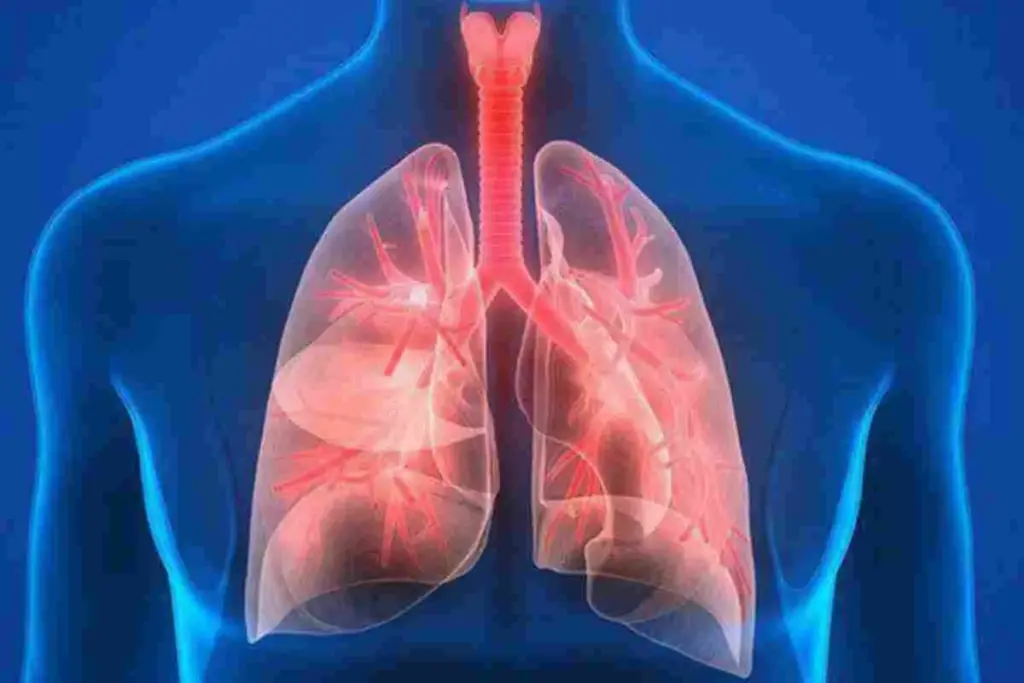
Stage 4 pulmonary fibrosis is the most severe lung disease. It causes a lot of scarring in the lungs. This scarring makes it hard to breathe.
People with stage 4 often find it hard to breathe even when they’re not doing anything. They need oxygen all the time to help their blood get enough oxygen.
Knowing the symptoms and life expectancy at this stage is very important. It helps doctors and patients make the best care plans.
Key Takeaways
- Stage 4 pulmonary fibrosis is characterized by severe lung scarring and impaired respiratory function.
- Patients often require continuous oxygen supplementation.
- Understanding symptoms and life expectancy is critical for effective management.
- Advanced medical care can significantly improve quality of life.
- Compassionate, patient-centered care is essential during this challenging period.
Understanding Stage 4 Pulmonary Fibrosis
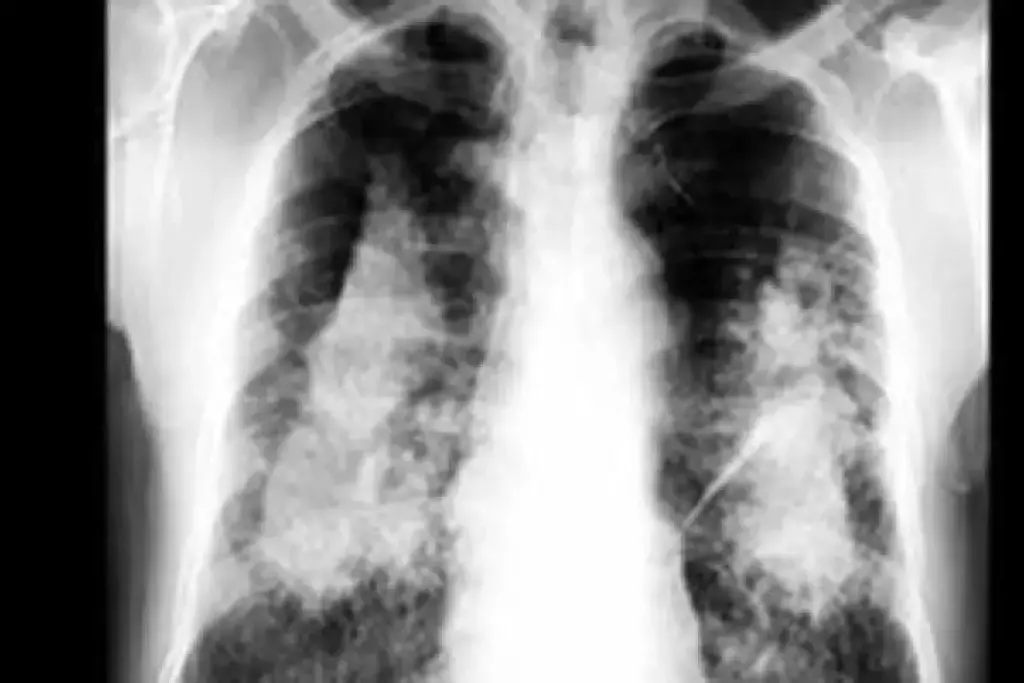
Stage 4 pulmonary fibrosis is the most severe stage of idiopathic pulmonary fibrosis (IPF). At this point, lung function is greatly reduced. The disease has caused a lot of scarring and damage to the lung tissue.
Definition and Characteristics of Advanced Lung Fibrosis
Advanced lung fibrosis, or stage 4 IPF, is marked by a lot of scarring in the lungs. This makes it hard for the lungs to exchange gases. As a result, there’s not enough oxygen in the blood, known as hypoxemia. People at this stage often have severe breathing problems, which really affects their life quality.
Medical Expert, a pulmonologist, says, “Getting to stage 4 IPF means a quick drop in lung function. It’s very important for patients to get the right care quickly.”
Progression from Early to End-Stage Idiopathic Pulmonary Fibrosis
The journey of idiopathic pulmonary fibrosis through its stages is complex. It starts with mild symptoms and gets worse over time, ending at stage 4. As the disease progresses, more lung tissue gets scarred, leading to a decrease in lung function.
- The early stages of IPF have mild symptoms that might not show how serious the disease is.
- As IPF gets worse, symptoms get more severe, and lung function drops, causing bigger breathing problems.
- In stage 4, or end-stage IPF, lung function is very bad, often needing oxygen and other treatments to help.
Knowing how IPF progresses is key to managing it well. By understanding each stage, patients and their caregivers can prepare for the challenges of advanced pulmonary fibrosis.
Pulmonary Fibrosis Stage 4 Symptoms
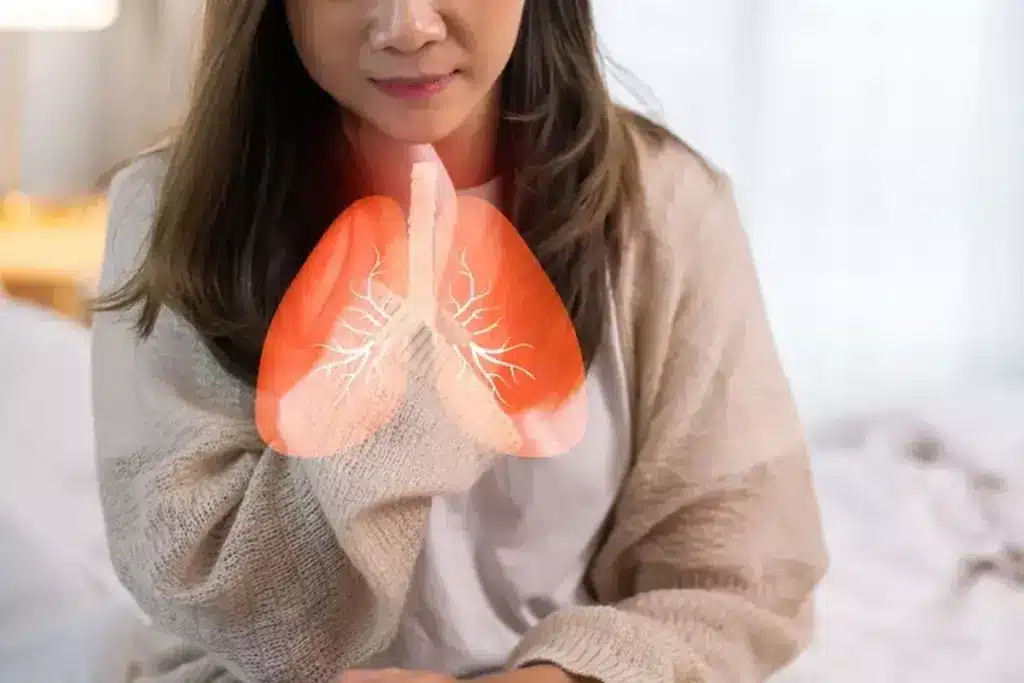
Stage 4 pulmonary fibrosis brings tough symptoms that need careful handling. The disease’s growth causes big breathing problems and other body issues.
Primary Respiratory Symptoms in End-Stage Pulmonary Fibrosis
In stage 4, patients face severe dyspnea even when they’re not moving. This makes it hard to breathe. They also get a dry cough that lasts a long time and makes it hard to do everyday things.
Oxygen Requirements in Advanced Disease
Patients at stage 4 often need oxygen to fight off low oxygen levels. They might need 4 liters per minute or more of oxygen to keep their oxygen levels up. This shows how serious the breathing problems are.
Systemic Effects and Quality of Life Impact
Stage 4 pulmonary fibrosis also affects the whole body, not just the lungs. Profound fatigue is common, making it hard to move or do anything. Patients might also lose weight and have trouble moving, making their condition even harder to manage.
Managing stage 4 pulmonary fibrosis symptoms means dealing with both breathing and body issues. It needs a team of doctors and a plan that focuses on the patient. This way, we can help improve their life quality.
Conclusion: Life Expectancy and Management Options
Knowing how long someone with stage 4 pulmonary fibrosis might live is key. Life expectancy can be from 6 months to 2 years. But, it really depends on the person’s age, health, and the care they get.
People with idiopathic pulmonary fibrosis (IPF) have different outlooks. Some live a long time, while others decline faster. Age, health, and lifestyle play big roles in how long someone might live.
Options like oxygen therapy, pulmonary rehab, and medicine can improve life for stage 4 patients. Knowing about these options helps patients and their families make better care choices.
Getting the right care and support can really help someone with stage 4 pulmonary fibrosis. It can slow down the disease and make the end of life better for those with IPF.
FAQ:
What are the primary symptoms of stage 4 pulmonary fibrosis?
Severe shortness of breath at rest, chronic dry cough, extreme fatigue, low oxygen levels, and reduced ability to perform daily activities.
How does oxygen therapy help in managing stage 4 pulmonary fibrosis?
Oxygen therapy improves blood oxygen levels, eases breathlessness, reduces strain on the heart, and improves comfort and daily functioning.
What is the typical oxygen requirement for patients with stage 4 pulmonary fibrosis?
Most patients require continuous supplemental oxygen, often at higher flow rates (4–10 L/min or more), including during rest and sleep.
What is the life expectancy for patients diagnosed with stage 4 pulmonary fibrosis?
Life expectancy is typically limited to months to a few years, though it varies based on overall health, complications, and response to care.
How does idiopathic pulmonary fibrosis progress to its end-stage?
Progressive lung scarring worsens gas exchange over time, leading to respiratory failure and severe oxygen dependence.
What management options are available for stage 4 pulmonary fibrosis?
Management focuses on symptom relief with oxygen therapy, medications, pulmonary rehab, palliative care, and lung transplant evaluation when appropriate.
Can individualized care plans make a difference in managing stage 4 pulmonary fibrosis?
Yes, personalized care plans improve symptom control, quality of life, and alignment of treatment with patient goals.
What are the stages of idiopathic pulmonary fibrosis?
IPF is commonly described as early, moderate, advanced, and end-stage based on lung function decline and symptom severity.
What are the signs of end-stage pulmonary fibrosis?
Signs include severe breathlessness at rest, constant oxygen need, frequent infections, weight loss, fatigue, and reduced consciousness from low oxygen.
References:
The median survival of patients with idiopathic pulmonary fibrosis (IPF) ranges from 2.5 years to 3.5 years [1]. However, the clinical course of disease can https://pmc.ncbi.nlm.nih.gov/articles/PMC9487566/



 Departments
 Related Videos
 Our Doctors
 News
News