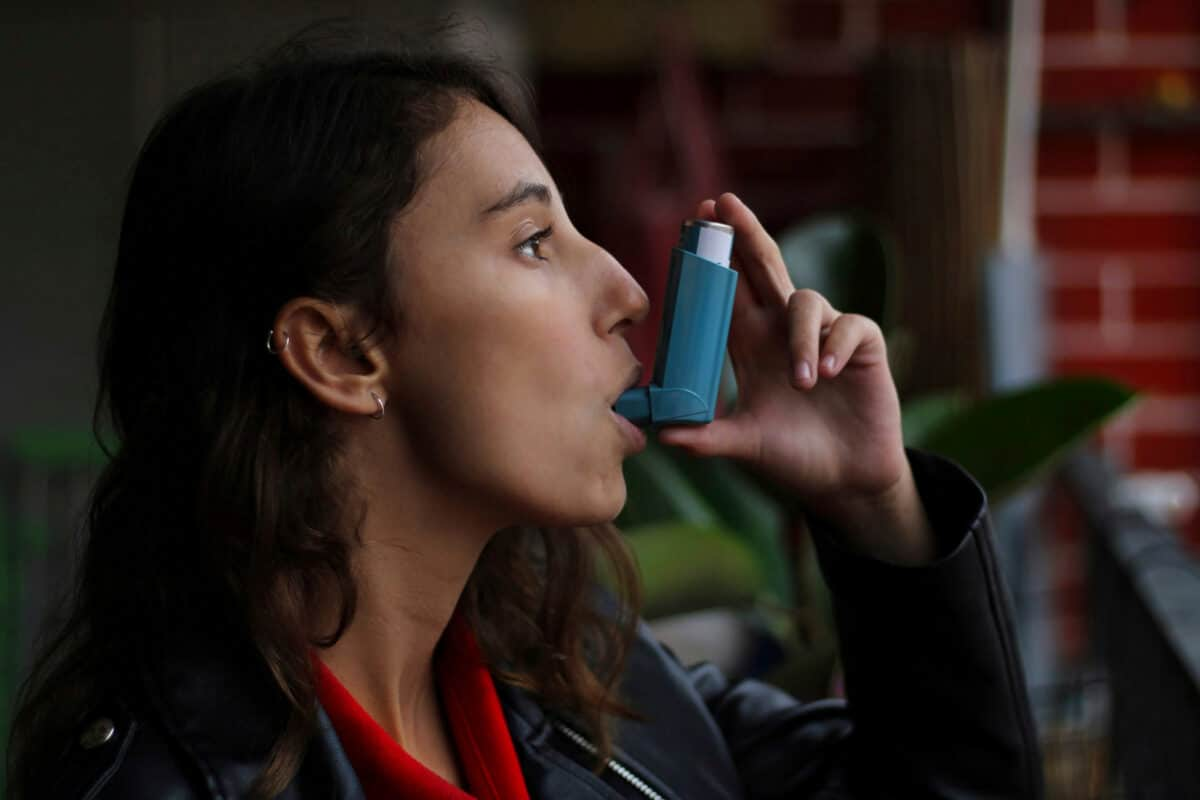
Asthma is a big health issue worldwide, hitting about 260 million people. It makes airways narrow and swell, leading to breathing problems, coughing, wheezing, and shortness of breath.what causes asthma in adultsNormal RR Rate in Adults Explained
Knowing asthma triggers is key to managing the disease and avoiding serious problems. At Liv Hospital, our team uses the latest tests to find out what triggers each person’s asthma.
Key Takeaways
- Asthma affects millions worldwide, with varying prevalence rates.
- Identifying personal asthma triggers is key to managing the condition.
- Common triggers include environmental, occupational, allergic, and psychological factors.
- Effective management involves understanding and avoiding individual triggers.
- Liv Hospital’s respiratory care teams use advanced diagnostic protocols for personalized care.
Understanding Asthma in Adults

Asthma in adults is a chronic condition that affects the airways. It causes inflammation, airway obstruction, and spasms. These symptoms lead to breathing problems.
Asthma is more common in some areas than others. We’ll look at how it affects people worldwide.
Prevalence and Global Impact
Worldwide, asthma affects about 339 million people. It’s a big health issue. The number of people with asthma varies greatly depending on where they live.
|
Region |
Asthma Prevalence (%) |
Estimated Population Affected |
|---|---|---|
|
North America |
7.8% |
25 million |
|
Europe |
5.4% |
30 million |
|
Australia/Oceania |
10.9% |
3 million |
Asthma has a big impact on health and the economy. Knowing where it’s more common helps us find better ways to help.
Pathophysiology of Asthma Attacks
Asthma attacks happen when airways get inflamed and narrow. Many things can set off an attack, like allergens or infections.
Key mechanisms involved in asthma attacks include:
- Airway inflammation
- Bronchial hyperresponsiveness
- Mucus production
Understanding asthma helps us manage it better. Knowing what triggers attacks lets us create better treatment plans.
Asthma can’t be cured, but its symptoms can be controlled. It’s important to keep track of symptoms and adjust treatment as needed.
What Causes Asthma in Adults: Overview of Trigger Categories
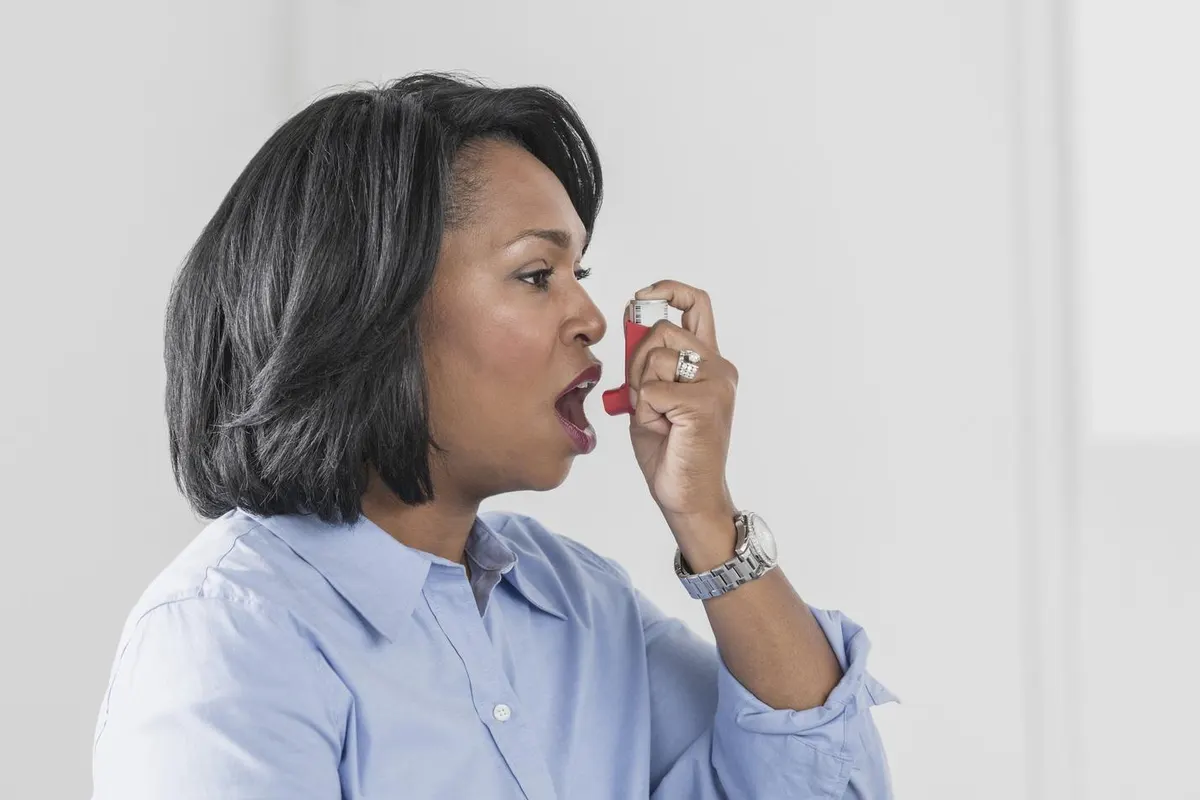
Asthma in adults is a complex condition with many triggers. It’s important to know the different types of triggers. Each person’s triggers can be different, and finding them is key to managing asthma.
Allergic vs. Non-Allergic Triggers
Asthma triggers fall into two main categories: allergic and non-allergic. Allergic triggers cause allergic reactions, leading to asthma symptoms. Common ones include:
- House dust mites
- Cockroach residue
- Animal dander
- Mold spores
- Pollens
Non-allergic triggers can also make asthma worse without an allergic reaction. These include:
- Respiratory infections
- Tobacco smoke and secondhand smoke
- Cold air and temperature changes
- Physical exercise
Individual Susceptibility Factors
Individual factors also play a role in how asthma triggers affect a person. These include genetics, environmental exposures, and overall health. Knowing these factors helps in creating treatment plans tailored to each person.
Healthcare providers can help patients manage asthma by avoiding triggers and using medication. They also suggest lifestyle changes to reduce exposure to triggers.
Common Allergic Triggers
Asthma attacks in adults can be caused by many things. These include house dust mites, cockroach allergens, animal dander, and mold spores. Knowing and controlling these triggers is key to managing asthma well.
House Dust Mites
House dust mites are tiny creatures that live in dust. They love warm, humid places and are often in bedding, carpets, and furniture.
- Use allergen-proof bedding and mattress covers.
- Wash bedding in hot water (at least 130°F) weekly.
- Reduce humidity levels in the home.
Cockroach Allergens
Cockroach allergens are a big problem for asthma. These allergens are in cockroach saliva, feces, and body parts.
To minimize cockroach allergens:
- Keep a clean home, free of food debris.
- Seal cracks and crevices to prevent cockroach entry.
- Use traps or professional pest control services if necessary.
Animal Dander
Animal dander, tiny skin particles from animals, is a common allergen. It can make asthma symptoms worse.
To reduce exposure to animal dander:
- Keep pets out of bedrooms.
- Use HEPA air purifiers.
- Bathe pets regularly.
Mold Spores
Mold spores are a strong allergen that can cause asthma attacks. They grow in damp places.
- Fix leaks promptly.
- Use exhaust fans in bathrooms and kitchens.
- Reduce indoor humidity.
By understanding and managing these common allergic triggers, adults with asthma can live better. They can also have fewer asthma attacks.
Non-Allergic Asthma Triggers
Many things other than allergies can set off asthma symptoms in adults. Knowing what these are is key to managing asthma well.
Respiratory Infections
Common colds and other respiratory infections can trigger asthma attacks. These infections make airways more likely to react with asthma symptoms.
The Centers for Disease Control and Prevention (CDC) says these infections are a top cause of asthma attacks. Keeping infections at bay with good hygiene and medical care can lower asthma attack risk.
Tobacco Smoke and Secondhand Smoke
Being around tobacco smoke is bad for asthma. Smoking or being around secondhand smoke can irritate airways and cause asthma symptoms.
“Exposure to tobacco smoke is a serious risk factor for asthma, affecting both children and adults. Quitting smoking and avoiding secondhand smoke are key steps in managing asthma.”
Cold Air and Temperature Changes
Cold air and sudden temperature changes can also trigger asthma. Cold air dries out airways, making them more likely to get irritated.
Adults with asthma can prevent this by wearing masks in cold weather or using scarves to warm the air before breathing it in.
Exercise-Induced Bronchoconstriction
Exercise can also trigger asthma symptoms, known as exercise-induced bronchoconstriction (EIB). Physical activity can cause airways to narrow, leading to wheezing and shortness of breath.
|
Trigger |
Prevention Strategy |
|---|---|
|
Respiratory Infections |
Practice good hygiene, get vaccinated |
|
Tobacco Smoke |
Avoid smoking and secondhand smoke |
|
Cold Air |
Wear a mask, use a scarf to warm the air |
|
Exercise |
Use a pre-exercise inhaler, warm up before exercising |
By understanding and managing these non-allergic triggers, adults with asthma can greatly reduce their risk of asthma attacks. This improves their quality of life.
Occupational Asthma Triggers
Occupational asthma is a big health risk for some workers. We’ll look at what causes it, like high-molecular-weight sensitizers and low-molecular-weight agents. We’ll also talk about jobs that are more likely to have this problem.
High-Molecular-Weight Sensitizers
High-molecular-weight sensitizers come from animals, plants, and tiny living things. They can make some workers allergic, leading to asthma.
Low-Molecular-Weight Agents
Low-molecular-weight agents, like some chemicals and metals, can also cause occupational asthma. For example, diisocyanates in spray painting and soldering fluxes in electronics.
High-Risk Occupations
Some jobs are more likely to lead to occupational asthma. Farming workers might breathe in animal dander and mold. Hairdressers are exposed to chemicals like persulfates. And workers in manufacturing, like those using diisocyanates, are also at risk.
|
Occupation |
Common Asthma Triggers |
Prevalence of Occupational Asthma |
|---|---|---|
|
Farming |
Animal dander, mold spores |
High |
|
Hairdressing |
Chemicals (e.g., persulfates) |
Moderate to High |
|
Manufacturing (e.g., spray painting) |
Diisocyanates |
High |
Knowing what causes occupational asthma is key to preventing and managing it. Workers in risky jobs need to be aware of dangers and take steps to protect themselves.
Environmental Factors and Air Quality
Asthma triggers aren’t just about allergens. The air we breathe, indoors and outdoors, is full of pollutants. These can make asthma symptoms worse. Knowing about these factors is key for adults with asthma to manage their condition well.
Outdoor Air Pollution
Outdoor air pollution is a big problem for asthma. Pollutants like PM, ozone, nitrogen dioxide, and sulfur dioxide can set off asthma symptoms. These pollutants come from cars, factories, and wildfires.
Common Outdoor Pollutants and Their Sources:
|
Pollutant |
Source |
|---|---|
|
Particulate Matter (PM) |
Vehicle emissions, construction, wildfires |
|
Ozone (O3) |
Vehicle emissions, industrial activities |
|
Nitrogen Dioxide (NO2) |
Vehicle emissions, power plants |
|
Sulfur Dioxide (SO2) |
Power plants, industrial activities |
Indoor Air Quality Concerns
Indoor air quality is also important for asthma. Homes can have pollutants like dust mites, mold, pet dander, and chemicals from cleaning products.
Common Indoor Air Pollutants:
- Dust mites
- Mold and mildew
- Pet dander
- Volatile Organic Compounds (VOCs)
- Secondhand smoke
Weather Pattern Influences
Weather can also affect asthma. Changes in temperature, humidity, and wind can cause asthma attacks. For example, cold air can narrow airways, and high humidity can lead to mold, making symptoms worse.
Weather-Related Asthma Triggers:
- Cold air
- High humidity
- Thunderstorms
- Wind
By understanding these environmental factors and reducing exposure, adults with asthma can manage their condition better. This improves their quality of life.
Medication and Food-Related Triggers
Medications and certain foods can trigger asthma attacks. It’s important to know which ones can cause problems. This way, you can avoid them and manage your asthma better.
Some medications, like aspirin, can make asthma worse. If you take these, talk to your doctor about it. They can help find safer options for you.
Some foods can also trigger asthma. Common culprits include dairy, gluten, and shellfish. If you notice your symptoms get worse after eating these, try avoiding them.
It’s also good to keep a food diary. Write down what you eat and when your symptoms happen. This can help you figure out which foods might be causing problems.
Remember, everyone’s triggers are different. What triggers asthma in one person might not affect another. So, it’s key to work with your doctor to find out what triggers your asthma.
By avoiding these triggers, you can help control your asthma. This can make it easier to breathe and live a healthier life.
Stress and Emotional Triggers
The connection between stress, emotional triggers, and asthma is complex. Stress and anxiety can make asthma symptoms worse. It’s important for adults with asthma to know how to handle these triggers well.
Psychological Stress Mechanisms
Stress can set off asthma symptoms in many ways. When we’re stressed, our body goes into “fight or flight” mode. This releases stress hormones like cortisol and adrenaline. These hormones can cause inflammation and tighten airways, leading to an asthma attack.
Key factors that contribute to stress-induced asthma include:
- High levels of emotional stress
- Chronic anxiety
- Panic attacks
- Significant life changes or stressors
Anxiety and Panic Attacks
Anxiety and panic attacks can directly affect asthma symptoms. During a panic attack, breathing becomes fast and shallow. This can lead to hyperventilation and trigger asthma symptoms. The fear and anxiety of a panic attack can also make things worse, creating a cycle.
It’s important to understand how anxiety, panic attacks, and asthma are linked. Using relaxation exercises, mindfulness, and cognitive-behavioral therapy can help manage anxiety. This can reduce the risk of asthma symptoms caused by emotional factors.
The table below shows the main differences between stress-induced asthma and anxiety-induced asthma:
|
Characteristics |
Stress-Induced Asthma |
Anxiety-Induced Asthma |
|---|---|---|
|
Primary Trigger |
Psychological stress |
Anxiety or panic |
|
Common Symptoms |
Wheezing, shortness of breath |
Rapid breathing, hyperventilation |
|
Management Strategies |
Stress management techniques, relaxation exercises |
Anxiety management, cognitive-behavioral therapy |
Identifying Your Personal Asthma Triggers
Finding out what causes your asthma attacks is key to managing it well. Asthma affects everyone differently. So, knowing what triggers your symptoms is very important.
Keeping an Asthma Diary
Keeping an asthma diary is a great way to find your triggers. It helps you track your symptoms and peak flow readings. You can also note any possible triggers you come across.
What to Include in Your Asthma Diary:
- Symptoms experienced and their severity
- Peak flow meter readings
- Medication use, including dosage and frequency
- Potential triggers encountered (e.g., allergens, irritants, weather conditions)
- Any changes in your environment or lifestyle
Working with Healthcare Providers
Working with your healthcare providers is very important. They can help you understand your diary and suggest changes to your treatment. They might also recommend tests to find more about your triggers.
Tips for Effective Collaboration:
- Bring your asthma diary to appointments
- Ask questions about your treatment plan and any concerns you have
- Discuss any changes in your symptoms or triggers
- Seek advice on managing exposure to identified triggers
|
Benefit |
Description |
|---|---|
|
Personalized Insights |
Understanding your unique triggers and symptoms |
|
Tailored Management |
Developing a treatment plan that addresses your specific needs |
|
Improved Control |
Better management of asthma symptoms and triggers |
Allergy Testing Options
Allergies often play a big role in asthma. Testing can show which allergens might be causing your symptoms. There are skin prick tests and blood tests available.
By using your diary, talking to your healthcare providers, and getting allergy test results, you can really understand your asthma. This knowledge helps you manage your asthma better, improving your life.
Strategies for Avoiding and Managing Triggers
Managing asthma well means using many strategies to avoid and handle triggers. Knowing what triggers asthma and how to lessen exposure can greatly improve life quality.
Environmental Control Measures
Controlling the environment is key in managing asthma. It’s about finding and cutting down on allergens and irritants around us.
- Use allergen-proof bedding and mattress covers to reduce exposure to dust mites.
- Maintain a clean home environment, including regular vacuuming with a HEPA-filter vacuum.
- Control humidity levels to prevent mold growth.
- Avoid strong odors and chemicals, such as those from cleaning products or perfumes.
Lifestyle Modifications
Making lifestyle changes is important for managing asthma. These changes help reduce exposure to triggers and improve health.
- Avoid smoking and secondhand smoke.
- Maintain a healthy weight through diet and exercise.
- Stay physically active, but avoid exercising in cold, dry air.
- Manage stress through relaxation techniques, such as meditation or yoga.
Medication Adherence
Following the doctor’s advice on medication is vital for managing asthma. It’s about knowing the different medicines and how they help control asthma.
- Use controller medications as directed to reduce inflammation.
- Have a rescue inhaler on hand to relieve acute symptoms.
- Understand the proper use of inhalers and other devices.
Action Plans for Trigger Exposure
Even with careful planning, triggers can sometimes be unavoidable. Having a plan for when triggers happen is essential for managing asthma symptoms.
- Identify personal triggers and develop strategies to avoid them.
- Know when to use rescue medications and how to adjust treatment plans.
- Have a plan for emergency situations, including knowing when to seek medical help.
By using these strategies to avoid and manage triggers, people with asthma can better control their symptoms. This improves their overall quality of life.
Conclusion
Understanding and managing asthma triggers is key to controlling asthma. Asthma is a long-term condition that needs constant care and treatment. By avoiding triggers, adults with asthma can lessen the number and severity of attacks.
Creating a treatment plan with a healthcare provider is vital. This plan should cover how to handle common triggers like allergens and infections. It also includes strategies for dealing with environmental factors.
Adults with asthma can lead better lives by managing their condition. Working with healthcare providers is important. This approach includes using medication, making lifestyle changes, and avoiding triggers.
FAQ
What are the most common triggers of asthma in adults?
Common triggers include allergens like house dust mites and cockroach allergens. Animal dander and mold spores also play a role. Non-allergic triggers include respiratory infections, tobacco smoke, cold air, and exercise-induced bronchoconstriction.
How can I identify my personal asthma triggers?
Keeping an asthma diary is a good start. Working with healthcare providers and considering allergy testing can also help. This way, you can figure out what triggers your asthma.
What are some strategies for avoiding and managing asthma triggers?
Environmental control measures and lifestyle modifications are key. Sticking to your medication plan is also important. Having a plan for when you’re exposed to triggers can help too.
Can stress and emotional factors trigger asthma attacks?
Yes, stress and anxiety can trigger asthma attacks in some people. This includes panic attacks.
Are there any specific occupational hazards that can trigger asthma?
Yes, jobs that expose you to certain chemicals can increase your risk of occupational asthma. This includes high-molecular-weight sensitizers and low-molecular-weight agents.
How does air quality affect asthma?
Air pollution outside and poor indoor air quality can worsen asthma symptoms. Weather patterns can also affect your asthma.
Can certain medications trigger asthma attacks?
Yes, some medications like aspirin and NSAIDs can trigger asthma attacks. This is more common in people with aspirin-exacerbated respiratory disease.
What role do food additives and preservatives play in triggering asthma?
Some food additives and preservatives can cause asthma attacks in certain people.
How can I minimize my exposure to asthma triggers?
Knowing your triggers is the first step. Then, use strategies like controlling your environment, making lifestyle changes, and sticking to your medication plan. This can help reduce your exposure to asthma triggers.
What is the importance of understanding the etiology of asthma?
Knowing what causes asthma is key to managing it. It helps in creating effective treatment plans.
What causes asthma flare-ups?
Asthma flare-ups can be caused by many things. This includes allergens, respiratory infections, and air pollutants.
What are the individual susceptibility factors for asthma?
Factors that make you more likely to get asthma include genetics and environmental factors. Other health conditions can also play a role.
References
World Health Organization. Evidence-Based Medical Guidance. Retrieved from
https://www.who.int/news-room/fact-sheets/detail/asthma



 Departments
 Related Videos
 Our Doctors
 News
News