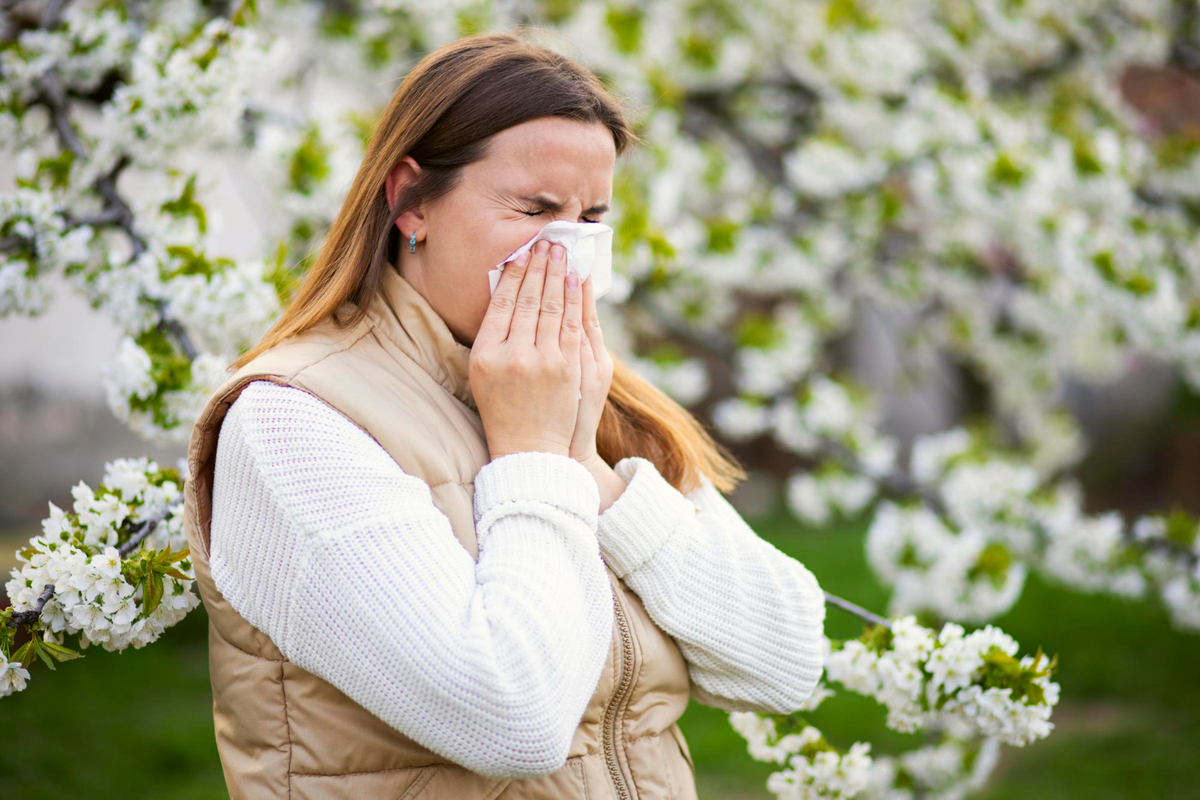
It’s important to know what allergic means today, as allergies are more common. Being allergic means your body reacts badly to something that usually doesn’t harm you. what does allergic meanWhat Does Uptake on a Bone Scan Mean—Cancer, Arthritis, or Something Else?? Learn simple facts about the body’s overreaction to harmless substances and how it is diagnosed.
Our immune system can sometimes get too excited about things like pollen, pet dander, or some foods. This can cause anything from a little discomfort to serious problems. Knowing what allergic means and how it affects health can help people take better care of themselves.
Key Takeaways
- Allergic reactions happen when the immune system gets too strong about harmless things.
- Common things that can cause allergies include pollen, pet dander, and some foods.
- The symptoms of allergic reactions can be mild or very serious.
- Understanding what allergic means is key to managing allergies well.
- Liv Hospital offers full care for people with allergies.
The Definition of Allergic: Understanding the Term
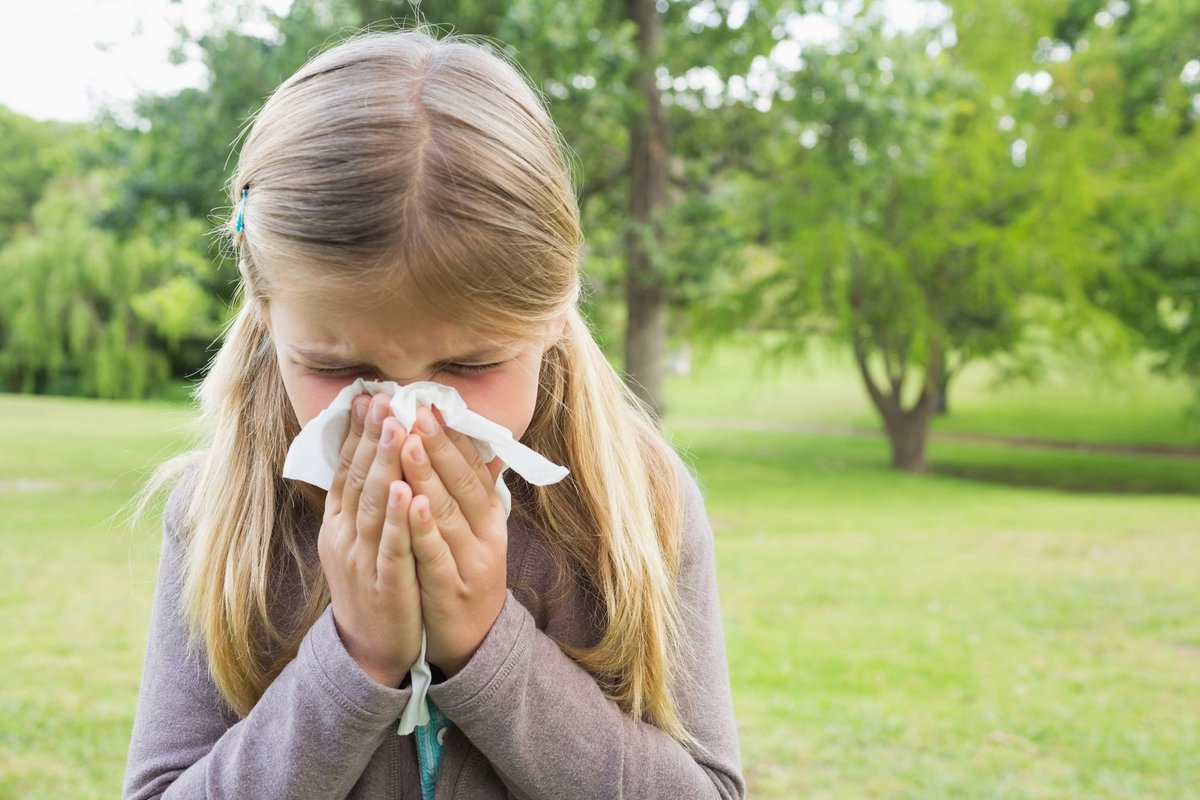
To understand what it means to be allergic, we need to look at the word’s origins and how it’s used. The term “allergic” is key in medical talk, but its background and exact use are interesting.
Etymology and Origin of the Word “Allergic”
The word “allergic” started in the early 1900s, from 1908. It was made by adding “-ic” to “allergy.” This shows that “allergic” is closely linked to allergies, which are body reactions to foreign substances. Knowing this helps us see that being allergic is more than just not liking something.
The word “allergic” is pronounced /əˈlɜːrdʒɪk/ (uh-LUR-jik). It describes conditions or reactions from allergies. For example, saying “I’m allergic to peanuts” means a serious immune reaction, not just dislike.
Allergic as an Adjective: Grammatical Usage
“Allergic” is an adjective that changes nouns to describe allergy-related conditions. For example, “allergic rhinitis” is inflammation in the nasal passages from an allergy, known as hay fever. Saying someone is “allergic to something” means they can have a reaction to it.
Here’s how it’s used in a sentence: “She is allergic to shellfish, so she always checks the ingredients when dining out.” This shows “allergic” clearly means a medical issue, not just a preference.
|
Term |
Definition |
Example |
|---|---|---|
|
Allergic |
Relating to or caused by an allergy |
“He’s allergic to dust mites.” |
|
Allergic Reaction |
A response by the immune system to a foreign substance |
“She had a severe allergic reaction to the bee sting.” |
|
Allergic Condition |
A health condition resulting from an allergy |
“Allergic asthma is a common condition among children.” |
Understanding “allergic” helps us see its importance in health and daily life. This knowledge improves our vocabulary and how we talk about allergies.
What Does Allergic Mean in Medical Context?

In medical terms, ‘allergic’ means an immune response that’s both wrong and harmful. It happens when the body’s immune system gets too sensitive to things that usually don’t bother anyone, like some foods, pollen, or medicines.
The Scientific Definition of an Allergic Response
An allergic response is when the immune system overreacts to something it shouldn’t. This leads to the release of chemicals that cause symptoms, from mild to very serious. The immune system’s parts, like Immunoglobulin E (IgE) antibodies, mast cells, and cytokines, all play a role.
The Role of Immunoglobulin E (IgE) Antibodies
IgE antibodies are key in starting allergic reactions. When an allergen gets into the body, the immune system makes IgE antibodies just for that allergen. These antibodies stick to mast cells. When the body meets the same allergen again, the mast cells release chemicals like histamine, causing symptoms.
|
Component |
Role in Allergic Reaction |
|---|---|
|
IgE Antibodies |
Bind to allergens and trigger mast cell activation |
|
Mast Cells |
Release histamine and other mediators upon IgE binding |
|
Histamine |
Causes blood vessels to dilate, leading to increased permeability and smooth muscle contraction |
Knowing how IgE antibodies and allergic reactions work is key to treating allergies. By understanding how the immune system and allergens interact, doctors can find better ways to help people with allergies. This can make life better for those dealing with allergies.
The Immune System and Allergic Reactions
Our immune system fights off harmful invaders. But sometimes, it mistakes something harmless for a threat, leading to an allergic reaction. It’s a complex system made up of cells, tissues, and organs working together to protect us.
How a Normal Immune Response Works
When the immune system finds a pathogen, like a virus, it acts fast. It uses immune cells like T cells and B cells to fight it off. This way, the body can get rid of the invader without harming itself.
The immune system is very specific. It can tell different pathogens apart and respond differently. This helps it avoid attacking the body’s own cells.
What Happens During an Allergic Reaction
In an allergic reaction, the immune system overreacts to something harmless, like pollen. This leads to the release of chemicals like histamine. These chemicals cause blood vessels to widen and muscles to tighten.
This can lead to symptoms like itching, swelling, and congestion. In severe cases, it can cause anaphylaxis. Understanding this helps us find better ways to treat allergies.
Common Types of Allergic Conditions
Allergic conditions show up in many ways, affecting different parts of the body. They can really change how someone lives, so it’s key to know what they are and their symptoms.
Allergic Rhinitis (Hay Fever)
Allergic rhinitis, or hay fever, happens when you breathe in things like pollen or pet dander. You might sneeze a lot, have a stuffy nose, or itchy eyes. Staying away from what makes you allergic and using medicines like antihistamines can help.
Allergic Asthma
Allergic asthma is asthma that gets worse because of allergens. It makes your airways swell and narrow, causing wheezing, coughing, and trouble breathing. Staying away from allergens and taking the right medicine can help manage it.
Allergic Conjunctivitis
Allergic conjunctivitis makes your eyes red, itchy, and watery because of things like pollen or dust. Not being around the allergen and using special eye drops can treat it.
Atopic Dermatitis (Eczema)
Eczema, or atopic dermatitis, is a long-term skin problem that makes your skin dry and itchy. It often happens in people who are allergic or have asthma. Keeping your skin moisturized, avoiding things that irritate it, and using creams when needed can help manage it.
|
Allergic Condition |
Common Symptoms |
Typical Triggers |
Management Strategies |
|---|---|---|---|
|
Allergic Rhinitis (Hay Fever) |
Sneezing, nasal congestion, itchy eyes |
Pollen, dust mites, pet dander |
Avoiding triggers, antihistamines |
|
Allergic Asthma |
Wheezing, coughing, shortness of breath |
Dust mites, pollen, pet dander |
Identifying and avoiding allergens, medication |
|
Allergic Conjunctivitis |
Red, itchy, watery eyes |
Pollen, dust, chemicals |
Avoiding allergens, anti-allergic eye drops |
|
Atopic Dermatitis (Eczema) |
Dry, itchy skin, inflammation |
Irritants, allergens, stress |
Moisturizing, avoiding irritants, topical corticosteroids |
Symptoms of Being Allergic to Something
Being allergic to something can cause a variety of symptoms. These can range from mild to severe. When an allergen enters the body, the immune system overreacts. This leads to the release of chemicals that cause symptoms.
Mild to Moderate Allergic Symptoms
Mild to moderate symptoms include sneezing, runny or itchy nose, nasal congestion, itchy or watery eyes, and skin rashes. These happen because the body sees a harmless substance as a threat.
Some people may also get gastrointestinal symptoms like nausea, vomiting, diarrhea, or stomach cramps. This is more common if they ate something they’re allergic to.
Severe Allergic Symptoms and Warning Signs
Severe allergic reactions, or anaphylaxis, are very dangerous and need quick medical help. Symptoms include difficulty breathing, rapid heartbeat, dizziness or fainting, confusion, and a drop in blood pressure.
Other signs of a severe reaction are constriction of the airways, swelling of the face, lips, tongue, or throat, and abdominal cramps. If you see these, use an EpiPen or other auto-injector if you have one. Then, get to the emergency room right away.
Knowing the symptoms of allergic reactions is key to managing allergies. Recognizing these signs helps people take steps to lessen their symptoms. It also helps prevent severe reactions.
Common Allergens: What People Are Allergic To
Many things can cause allergies, and they fall into several main groups. Knowing these groups helps doctors diagnose and treat allergies well.
Environmental Allergens
Environmental allergens are things in our surroundings that can make us allergic. These include:
- Pollen: Pollen from trees, grasses, and weeds causes hay fever in many.
- Dust Mites: These tiny creatures in dust can make us allergic when we breathe them in.
- Pet Dander: Proteins in pet skin, saliva, and urine can make some people allergic.
- Mold Spores: Mold in damp places can make us allergic when we breathe them in.
Food Allergens
Food allergens are things in food that can make us allergic. Common ones are:
- Peanuts: Peanuts are a common and serious food allergen that can cause anaphylaxis.
- Tree Nuts: Nuts like almonds, walnuts, and pecans can also cause severe reactions.
- Fish and Shellfish: Both can trigger allergic reactions, from mild to severe.
- Milk and Eggs: Common in children, they can cause various allergic symptoms.
Drug and Insect Sting Allergens
Some medicines and insect stings can also cause allergies. These include:
- Penicillin and Other Antibiotics: Some antibiotics, like penicillin, can cause allergic reactions, even anaphylaxis.
- Insect Stings: Stings from bees, wasps, hornets, and fire ants can cause allergic reactions, some severe.
To understand how common these allergens are, let’s look at the data in the table below:
|
Allergen Category |
Common Allergens |
Typical Reaction |
|---|---|---|
|
Environmental |
Pollen, Dust Mites, Pet Dander, Mold Spores |
Respiratory symptoms, skin irritation |
|
Food |
Peanuts, Tree Nuts, Fish, Shellfish, Milk, Eggs |
Skin symptoms, gastrointestinal issues, anaphylaxis |
|
Drug and Insect Sting |
Penicillin, Insect Stings |
Anaphylaxis, skin symptoms |
The table shows that allergens are everywhere, from our environment to our food and medicines. Knowing about these allergens is key to managing allergies well.
Diagnosing Allergic Conditions
Healthcare professionals use a mix of medical history and tests to find out if you have an allergy. This way, they can give you the right treatment.
Allergy Testing Methods
Testing for allergies is key. There are a few ways to do this:
- Skin Prick Tests: A small amount of an allergen is put on your skin. Then, the reaction is watched.
- Blood Tests: These check for IgE antibodies in your blood. These are linked to allergic reactions.
- Elimination Diets: You stop eating foods that might cause an allergy. Then, you see if your symptoms get better.
The test you get depends on your history and what might be causing your allergy.
|
Testing Method |
Description |
Advantages |
|---|---|---|
|
Skin Prick Test |
Involves placing a small amount of an allergen on the skin |
Quick results, relatively inexpensive |
|
Blood Test |
Measures the level of IgE antibodies in the blood |
Useful for patients with severe skin conditions, can test multiple allergens |
|
Elimination Diet |
Involves removing suspected allergenic foods from the diet |
Effective for diagnosing food allergies, can be tailored to individual needs |
Working with an Allergist
An allergist is a doctor who knows a lot about allergies. They help you understand your allergy and create a plan to manage it. They use test results to help you avoid bad reactions.
By combining medical knowledge with the latest tests, we make sure you get the best care for your allergies.
Treatment Options for Allergic Reactions
Understanding the treatment options for allergic reactions is key. These reactions can be mild or severe. The right treatment can greatly improve life for those with allergies.
Medications for Allergic Symptoms
Many medications help manage allergic symptoms. These include:
- Antihistamines: Good for mild to moderate symptoms like itching, sneezing, and runny nose.
- Decongestants: Relieve nasal congestion from allergic rhinitis.
- Corticosteroids: Powerful for severe reactions, reducing inflammation and swelling.
These medicines come in different forms. You can take them orally, use nasal sprays, or eye drops. It depends on your symptoms and how severe they are.
Immunotherapy for Allergies
Immunotherapy, or allergy shots, is a long-term treatment. It makes your body less reactive to specific allergens. You get regular injections of small amounts of the allergen, with the dose increasing over time.
The benefits of immunotherapy include:
- Reduced symptoms over time
- Potential long-term remission of allergy symptoms
- Reduced need for medications
Emergency Treatments for Severe Reactions
Severe allergic reactions, or anaphylaxis, need immediate medical help. Emergency treatments include:
- Epinephrine auto-injectors: Devices like EpiPen give epinephrine to quickly reverse anaphylaxis symptoms.
- Emergency medical care: After using epinephrine, seek immediate medical help.
Knowing how to use these emergency treatments can save lives in severe allergic reactions.
|
Treatment Option |
Description |
Use Case |
|---|---|---|
|
Antihistamines |
Relieve mild to moderate allergic symptoms |
Itching, sneezing, runny nose |
|
Immunotherapy |
Desensitize the body to specific allergens |
Long-term management of allergies |
|
Epinephrine auto-injectors |
Rapidly reverse symptoms of anaphylaxis |
Severe allergic reactions |
Genetic and Environmental Factors in Developing Allergies
Understanding allergies involves looking at both genetic and environmental factors. Allergic conditions develop through a mix of inherited traits and outside influences.
Hereditary Components of Allergic Conditions
Studies show that genetic predisposition is key in allergies. People with a family history of allergies are more likely to get them. Certain genes make some more prone to allergies.
If a parent has an allergy, their child is more at risk. This risk grows if both parents have allergies. The genetic link affects not just the presence but also the type of allergy.
Environmental Influences on Allergy Development
Genetics set the stage, but environmental factors spark allergic reactions. Allergens like pollen, dust mites, and pet dander can trigger allergies in some.
The hygiene hypothesis suggests a lack of early exposure to microbes may lead to allergies. It shows how environment shapes our immune system.
Changes in lifestyle and environment, like urbanization and pollution, also raise allergy rates. Knowing these factors helps in fighting allergies.
Using “Allergic” in Everyday Language and Expressions
The word “allergic” is used in many ways, not just in medicine. It’s used in everyday talk, showing how it’s more than just a medical term. It’s found in many common sayings.
Common Phrases and Idioms Using “Allergic”
People often say they’re “allergic” to things they don’t like. For example:
- “I’m allergic to early morning meetings” means someone dislikes or has a strong preference against early meetings.
- “She’s allergic to criticism” implies that she is highly sensitive or defensive when criticized.
These sayings show a strong dislike or discomfort. It’s like how an allergic reaction feels.
Correct Usage in Sentences and Conversations
It’s important to use “allergic” correctly in sentences. For example:
“The comedian joked about being allergic to bad jokes, highlighting how the term can be used humorously to express distaste.”
To use “allergic” right, keep these tips in mind:
- Use it for a medical condition: “She is allergic to peanuts.”
- Use it to show a strong dislike: “He’s allergic to spicy food.”
Remember, “allergic” is spelled a-l-l-e-r-g-i-c. Don’t confuse it with “alergic” or “allergicly.” The correct adverb is “allergically.”
Knowing how to use “allergic” helps us talk better. We can share our likes and dislikes clearly.
Conclusion: Understanding What It Means to Be Allergic
Being allergic means your body reacts to things it shouldn’t, causing symptoms and needing treatment. We’ve looked into what it means to be allergic, its medical side, and different allergy types.
Knowing what allergic means helps us deal with allergic reactions. An allergic reaction happens when your body sees something as a threat. This leads to histamine and other chemicals being released. Allergic reactions can range from mild to very serious.
Recognizing allergic reaction signs is key. This way, people can get the right medical help and manage their allergies. We’ve talked about how to diagnose allergies, treatment choices, and the role of genes and environment in allergies.
In short, knowing about allergies helps people take charge of their health. By understanding allergic reactions, we can make places safer for those with allergies.
FAQ
What does it mean to be allergic?
Being allergic means your body reacts badly to something it shouldn’t. This something is called an allergen.
How is the word “allergic” used grammatically?
“Allergic” is an adjective. It describes a condition or reaction to an allergy.
What is the scientific definition of an allergic response?
An allergic response happens when your body overreacts to something harmless. This involves the release of chemicals like histamine.
What role do IgE antibodies play in allergic reactions?
IgE antibodies are key in allergic reactions. They bind to allergens and start the release of chemicals. This leads to symptoms.
How does a normal immune response differ from an allergic reaction?
A normal immune response fights off bad guys. An allergic reaction is an overreaction to harmless things. It causes damage and symptoms.
What are some common allergic conditions?
Common allergies include hay fever, asthma, conjunctivitis, and eczema.
What are the symptoms of being allergic to something?
Symptoms can be mild or severe. They include hives, itching, swelling, stomach cramps, diarrhea, and in bad cases, anaphylaxis.
What are common allergens that people are allergic to?
People often react to pollen, dust mites, peanuts, shellfish, and drugs or insect stings.
How are allergic conditions diagnosed?
Doctors use skin prick tests and blood tests to diagnose allergies. An allergist usually guides these tests.
What treatment options are available for managing allergic reactions?
Treatments include antihistamines, immunotherapy, and emergency treatments like epinephrine for severe reactions.
How do genetic and environmental factors influence the development of allergies?
Genetics and environment both play big roles in allergies. They interact in complex ways.
How is “allergic” used in everyday language?
“Allergic” is used to mean a strong dislike or reaction to something. It’s not always about a medical allergy.
What is the correct spelling of “allergic”?
The correct spelling is A-L-L-E-R-G-I-C.
Is “allergic” a noun or an adjective?
“Allergic” is an adjective. It describes a condition or reaction.
What does “allergically” mean?
“Allergically” means related to or caused by an allergy. It’s not as common as “allergic”.
References
National Center for Biotechnology Information. Evidence-Based Medical Guidance. Retrieved from https://www.ncbi.nlm.nih.gov/books/NBK545237/