
Asthma attacks are sudden episodes of respiratory distress. They can be frightening and potentially life-threatening. During an asthma attack, the airways in the lungs become narrow. This makes it difficult to breathe.
Understanding the physical sensations of asthma symptoms is key to managing the condition. We will give an overview of the warning signs. We will also explain why it’s important to recognize them to seek the right medical care.
Key Takeaways
- Asthma attacks are episodes of respiratory distress that can be life-threatening.
- Recognizing asthma symptoms is essential for effective management.
- Narrowing of airways in the lungs characterizes an asthma attack.
- Understanding physical sensations during an asthma attack can help in seeking medical care.
- Asthma is a long-term condition that requires complete management.
Understanding Asthma and Its Global Impact
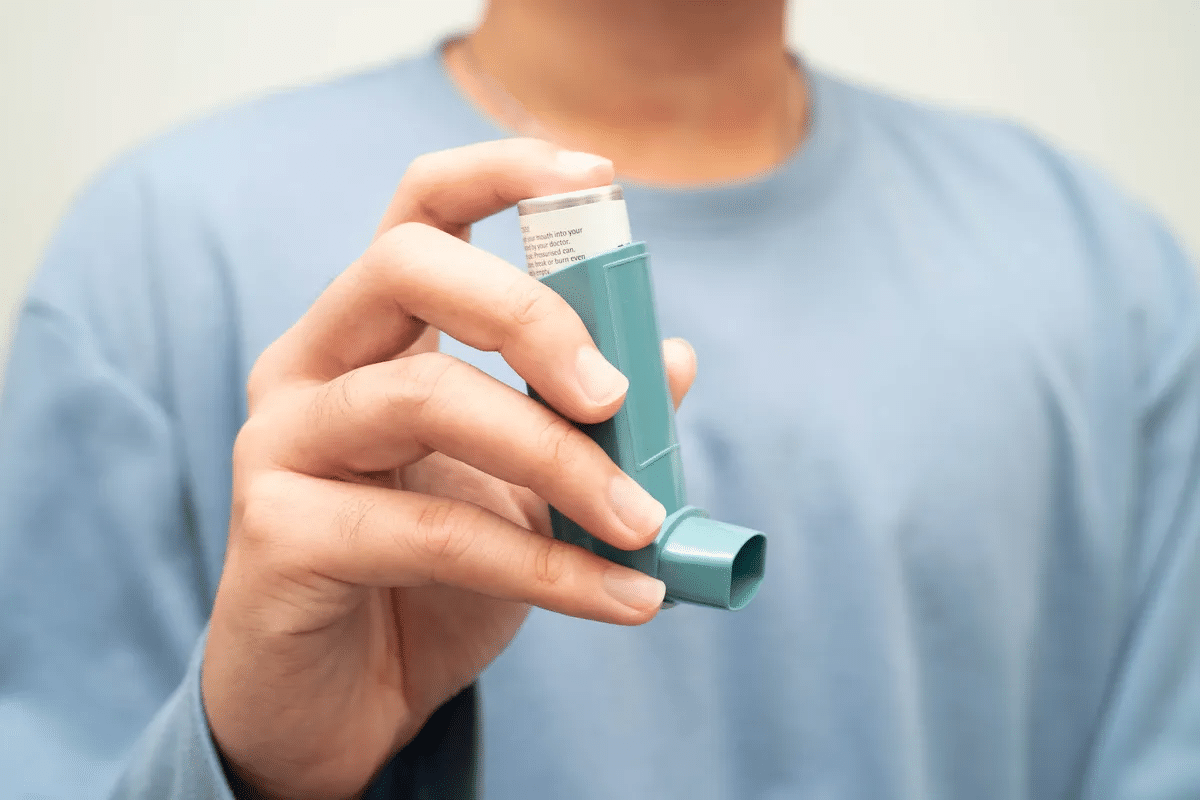
Asthma is a big deal because it affects so many people. It’s a long-term lung condition that makes breathing hard. Symptoms include wheezing, coughing, and feeling tight in the chest.
What Is Asthma?
Asthma makes your airways swell and narrow. This can make breathing tough. It also causes chest tightness, coughing, and wheezing.
The exact reason for asthma is not known. But it’s thought to be a mix of genes and environment.
Asthma is more than just one thing. It has many triggers and symptoms. Knowing this helps us find better ways to manage it.
Global and U.S. Statistics
Asthma is a big problem worldwide. 262 million people have it, with 28 million in the U.S.. This shows how big of a health issue it is.
Asthma is more common in cities and some groups. Knowing where it’s more common helps us target our efforts.
By understanding asthma’s wide reach, we can help those affected. We can work to lessen its impact globally.
What Does an Asthma Attack Feel Like?

Asthma attacks can be scary. Knowing what to expect can help ease some of that fear. People may feel a range of uncomfortable physical sensations during an attack. These can be mild or severe and even life-threatening.
Common Physical Sensations
Symptoms of an asthma attack include wheezing, shortness of breath, chest tightness, and coughing. These symptoms can vary from person to person. Shortness of breath is often the most distressing, making everyday tasks hard.
Other common feelings include:
- A feeling of tightness or pressure in the chest
- Wheezing or a whistling sound when breathing out
- A persistent cough, which may be dry or produce mucus
- Difficulty catching breath or feeling winded even when sitting
|
Symptom |
Description |
Severity |
|---|---|---|
|
Wheezing |
A high-pitched whistling sound while breathing out |
Mild to Severe |
|
Shortness of Breath |
Feeling unable to catch breath or breathe deeply |
Mild to Severe |
|
Chest Tightness |
A feeling of pressure or tightness in the chest area |
Mild to Severe |
|
Persistent Coughing |
A continuous cough, which may or may not produce mucus |
Mild to Severe |
Patient Descriptions and Experiences
Patients often say an asthma attack feels like suffocation or not being able to breathe. “It’s like having a constant weight on my chest,” one patient said. “I feel like I’m gasping for air, and no matter how hard I try, I just can’t seem to catch my breath.”
Another patient shared: “During an asthma attack, I feel extremely anxious. The wheezing and coughing are bad enough, but it’s the feeling of not being able to breathe that really frightens me.”
These personal accounts show how important it is to understand and manage asthma symptoms. Recognizing early signs can help prevent attacks from getting worse.
Recognizing the Physical Symptoms of an Asthma Attack
The symptoms of an asthma attack can differ, but there are key signs to look out for. Knowing these symptoms is key for managing asthma well and getting help fast.
Primary Respiratory Symptoms
Asthma attacks show several main respiratory symptoms. These include:
- Wheezing: A high-pitched whistling sound when breathing out, due to air passing through narrow airways.
- Coughing: A constant cough, often worse at night or early morning, from airway irritation.
- Shortness of Breath: Trouble breathing or feeling out of breath even when sitting or doing light activities.
- Chest Tightness: Feeling of tightness or pressure in the chest, making deep breathing hard.
These symptoms happen because the airway muscles tighten, the airways get irritated and swollen, and the airway lining makes too much mucus.
Secondary Physical Signs
There are also secondary signs that might show an asthma attack. These include:
- Rapid Breathing: Breathing faster as the body tries to make up for less airflow.
- Increased Heart Rate: A quicker heart rate from the body’s stress response to breathing trouble.
- Difficulty Speaking: Trouble speaking fully because of shortness of breath.
- Retraction of the Skin: Skin pulling back at the neck and ribs during breathing, showing severe breathing trouble.
Spotting these symptoms and signs is vital for spotting an asthma attack and starting the right treatment. By knowing the main respiratory symptoms and secondary signs, people can handle their asthma better and get medical help when needed.
The Progression of an Asthma Attack
An asthma attack goes through three stages: early warning signs, peak symptom phase, and recovery. Knowing these stages helps manage asthma better.
Early Warning Signs
Early signs show an asthma attack might start. These signs differ for everyone but often include breathing changes or symptoms. Look out for lower peak flow readings, more coughing or wheezing, and chest tightness. A peak flow reading below 80% of your personal best is a big warning sign.
It’s key to watch your peak flow readings often. Notice any changes that might mean an asthma attack is coming. Spotting these signs early lets you act fast to control symptoms.
Peak Symptom Phase
In the peak symptom phase, symptoms get worse and can really affect your day. You might feel severe wheezing, shortness of breath, chest tightness, and coughing. These symptoms can be very intense and need stronger treatment.
|
Symptom |
Description |
Action |
|---|---|---|
|
Wheezing |
A high-pitched sound while breathing out |
Use a reliever inhaler |
|
Shortness of Breath |
Difficulty breathing or feeling winded even at rest |
Seek medical help if severe |
|
Chest Tightness |
Feeling of tightness or pressure in the chest |
Monitor peak flow readings |
Recovery Period
After the worst symptoms pass, you enter the recovery phase. Keep watching your symptoms and peak flow readings to make sure you’re fully recovering.
In the recovery phase, stick to your asthma action plan. This might mean changing your meds and avoiding things that trigger attacks. Being patient and careful here helps avoid another attack.
Mild vs. Severe Asthma Attacks: Understanding the Spectrum
Asthma attacks vary from mild to severe. Knowing this spectrum helps manage asthma better. It also tells us when to get medical help.
Characteristics of Mild Attacks
Mild asthma attacks have few symptoms. They don’t really get in the way of daily life. Symptoms might include:
- Mild wheezing or coughing
- Slight shortness of breath
- Tightness in the chest that is not severe
One patient said, “It was like a gentle reminder that I had asthma, but it wasn’t anything I couldn’t handle with my medication.”
Moderate Attack Symptoms
Moderate asthma attacks are in the middle. Symptoms are more noticeable and can affect daily life. Signs include:
- Noticeable wheezing or coughing
- More pronounced shortness of breath
- Chest tightness that may cause discomfort
A study found, “Patients with moderate asthma attacks often need to use their rescue inhalers more. They might also need to change their daily plan.”
Signs of a Severe or Life-Threatening Attack
Severe asthma attacks are emergencies. Symptoms are serious and can be life-threatening. Signs include:
- Gasping for breath
- Difficulty speaking due to shortness of breath
- Straining of chest muscles to breathe
- A feeling of impending doom or severe anxiety
Immediate medical attention is required for these symptoms. An expert said, “Severe asthma attacks are not just frightening; they are potentially fatal if not treated promptly.”
It’s key to know where you are on the asthma attack spectrum. Understanding the differences helps manage your asthma. This way, you can protect your health.
Asthma Attacks Across Different Age Groups
Asthma affects people of all ages differently. We’ll look at how it impacts children, adults, and the elderly. This helps us understand and manage asthma better for each group.
Children and Asthma Attacks
Children, under five, are hit hard by asthma. They have a high rate of asthma attacks, at 67.9 percent. Asthma in kids can cause a lot of missed school and hospital visits. It affects their life and growth.
It’s key to catch asthma early and manage it well. This helps control symptoms and improves their health.
Adults and Asthma Attacks
Adults face many triggers for asthma, like work exposures and smoking. Adult asthma can really disrupt daily life and work.
Adults need a full plan to manage asthma. This includes avoiding triggers, sticking to medication, and regular check-ups.
Elderly Patients and Asthma Attacks
Elderly people with asthma often have more health issues. Asthma in older adults is sometimes missed or not treated right. This can lead to poor care.
It’s important to suspect asthma in older adults. Treatment plans should consider their overall health.
Understanding the challenges of each age group helps healthcare providers. They can then create better asthma management plans.
The Psychological Impact of Asthma Attacks
It’s key to understand how asthma attacks affect the mind. Asthma is more than a physical issue; it also impacts emotions and psychology.
Anxiety and Panic During Attacks
Asthma attacks can make people feel very anxious and panicked. They might feel like they’re suffocating. This fear can be so strong that it’s hard to handle the condition.
When an asthma attack happens, the body’s stress response kicks in. This releases hormones like adrenaline. While it’s meant to help, it can also make anxiety and panic worse. It’s important for doctors to help with these feelings as part of treating asthma.
Fear of Future Attacks
Many patients worry about having another asthma attack. This worry can make them always be on the lookout for signs. While being ready is good, too much fear can really hold you back.
Coping Strategies for Emotional Aspects
Finding ways to cope with asthma’s emotional side is key. Using coping strategies like deep breathing exercises, relaxation methods, and cognitive-behavioral therapy can help. These can lower anxiety and make life better.
- Practice relaxation techniques, such as progressive muscle relaxation or visualization.
- Engage in regular physical activity to reduce stress and improve lung function.
- Keep a diary to track asthma symptoms and identify patterns or triggers.
By tackling the emotional side of asthma and using these strategies, patients can manage their condition better. This can greatly improve their life quality.
Triggers and Prevention of Asthma Attacks
Knowing what causes asthma attacks is key to managing them. The first step is to learn about common triggers.
Common Environmental Triggers
Asthma triggers differ from person to person. Yet, some environmental factors often cause attacks. These include:
- Allergens: Dust mites, pet dander, pollen, and mold can trigger allergic reactions that lead to asthma symptoms.
- Air Pollution: Exposure to pollutants like tobacco smoke, vehicle emissions, and industrial pollutants can irritate airways.
- Cold, Dry Air: Cold air can dry out the airways, triggering asthma symptoms in some individuals.
- Respiratory Infections: Colds and flu can inflame the airways, making them more susceptible to asthma attacks.
Physical and Emotional Triggers
Physical activities and emotional states can also trigger asthma attacks. For example:
- Exercise: Physical exertion can trigger asthma symptoms, specially in cold or dry environments.
- Emotional Stress: Strong emotions like stress, anxiety, or laughter can lead to asthma symptoms.
- GERD: Gastroesophageal reflux disease can irritate the esophagus and trigger asthma symptoms.
It’s important to note that what triggers asthma in one person may not be the same for another. Keeping a diary or log of asthma attacks and possible triggers can help identify personal asthma triggers.
Developing an Asthma Action Plan
An asthma action plan is a written plan made with your healthcare provider. It outlines steps to manage your asthma. It includes:
- Medications: Details on which medications to take, how much, and when.
- Triggers: A list of your personal asthma triggers and how to avoid them.
- Symptoms: Instructions on how to recognize worsening asthma symptoms.
- Emergency Procedures: Steps to take during an asthma attack, including when to seek emergency care.
By understanding your triggers and having a clear action plan, you can reduce asthma attacks. This improves your quality of life.
“Having an asthma action plan in place can make a significant difference in managing asthma effectively. It empowers patients to take control of their condition and respond appropriately to changing symptoms.”
Conclusion: Managing Asthma for a Better Quality of Life
Managing asthma well is key to a fulfilling life. The right treatment and lifestyle changes can greatly improve life for those with asthma.
Knowing what an asthma attack feels like is vital. Recognizing symptoms helps take quick action to ease them and prevent more attacks.
Creating an asthma action plan is essential. It includes avoiding triggers, sticking to medication, and living a healthy lifestyle. These steps help reduce asthma attacks, improving life quality.
We are dedicated to top-notch healthcare for international patients. Our team offers personalized care to help manage asthma effectively. This way, we aim to enhance your quality of life.
FAQ
What does an asthma attack feel like?
An asthma attack feels like sudden wheezing, shortness of breath, and chest tightness. It makes it hard to breathe. The feeling can be scary and distressing.
What are the common symptoms of an asthma attack?
Symptoms include wheezing, coughing, and shortness of breath. You might also feel chest tightness or pain. These symptoms can be mild or severe, depending on the trigger.
How do asthma attacks affect different age groups?
Asthma attacks can happen to anyone, at any age. Kids might have more attacks because their lungs are growing. Adults and the elderly might have more complex triggers and health issues.
What are the stages of an asthma attack?
There are early warning signs, a peak symptom phase, and a recovery period. Knowing these stages helps manage asthma and know when to get help.
How can I differentiate between mild, moderate, and severe asthma attacks?
Mild attacks have minimal symptoms that don’t disrupt daily life. Moderate attacks are more serious, affecting daily activities. Severe attacks are life-threatening, with severe distress and difficulty speaking.
What are the psychological impacts of asthma attacks?
Asthma attacks can cause anxiety and panic. They can also lead to fear of future attacks. It’s important to find ways to cope with these feelings.
How can asthma attacks be prevented?
Prevention involves avoiding triggers and following an asthma action plan. It’s also important to stick to medication regimens. Knowing common triggers is key.
What is an asthma action plan?
An asthma action plan outlines how to manage asthma. It includes medication use, symptom monitoring, and when to seek emergency care. It’s tailored to your specific needs.
What are the common triggers for asthma attacks?
Common triggers include pollen, dust, and pollution. Physical and emotional stress can also trigger attacks. Knowing these triggers helps prevent attacks.
When should I seek emergency care for an asthma attack?
Seek emergency care if symptoms are severe or not improving. Look for signs of a life-threatening attack, like difficulty speaking or severe distress.
References
National Center for Biotechnology Information. Evidence-Based Medical Guidance. Retrieved from https://www.ncbi.nlm.nih.gov/books/NBK430901/



 Departments
 Related Videos
 Our Doctors
 News
News