We answer: what is amnesia disorder? This essential guide explains the 5 key symptoms and how it differs from dementia.
Amnesia disorder is a serious medical issue. It makes it hard to remember past events or learn new things. Memory loss can last a short time or forever, affecting daily life a lot.
Amnesia is not a disease itself but a sign of other problems. These can include head injuries, emotional trauma, or diseases like Alzheimer’s.
It’s important to know about amnesia disorder for those who have it and their loved ones. This article gives a detailed look. It covers what it is, why it happens, its signs, how to diagnose it, and treatment choices.
Key Takeaways
- Amnesia disorder is characterized by partial or total memory loss.
- It can result from various underlying conditions, including brain injury or neurological diseases.
- Understanding amnesia is key for those affected and their families.
- The condition can greatly affect daily life and thinking skills.
- There are ways to diagnose and treat amnesia disorder.
What Is Amnesia Disorder: Definition and Overview
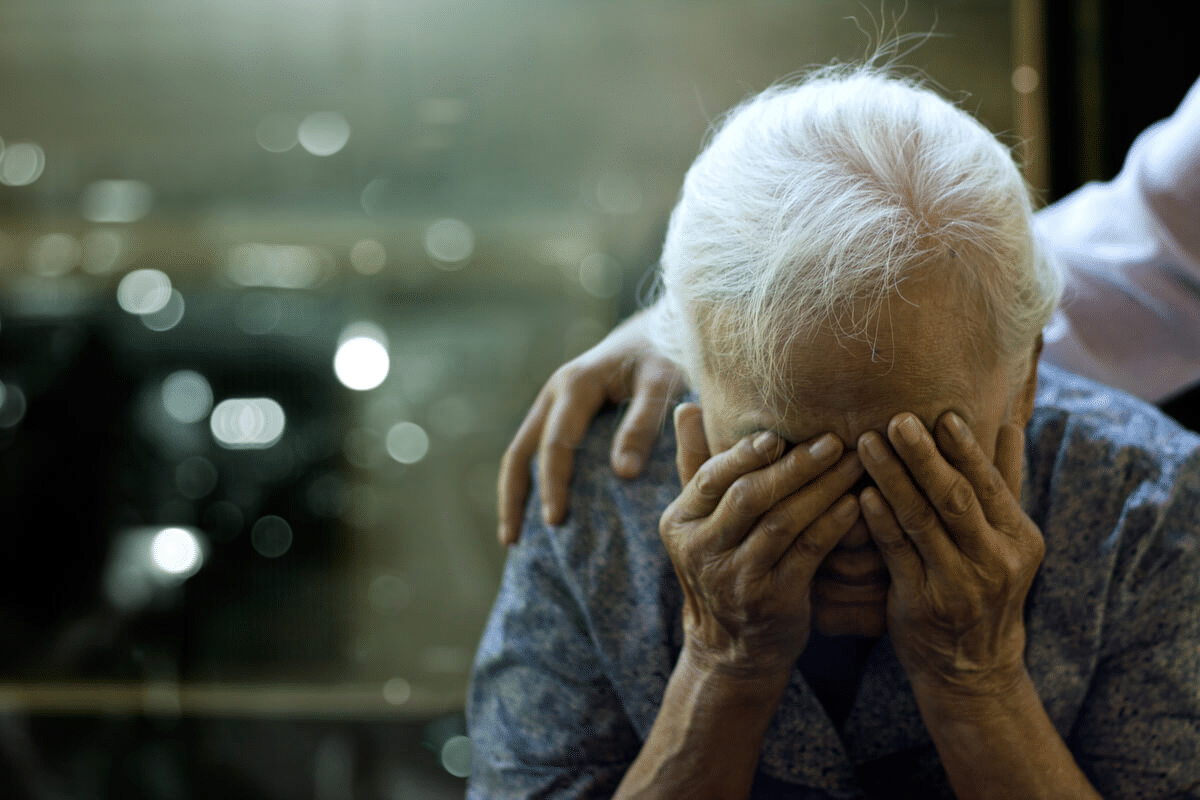
Understanding amnesia is key to knowing how memory works and how it can be affected. Amnesia is when people forget facts, information, and experiences. It can vary in severity and impact people differently.
Clinical Definition of Amnesia
Amnesia is a disorder where people struggle to learn new things and remember past events. They have trouble forming new memories and recalling past experiences. The clinical definition of amnesia looks at these memory problems to see how severe they are.
Global Prevalence and Statistics
Amnesia is rare on its own but is a common symptom of many brain-related conditions. The global prevalence of amnesia is hard to measure because of its many causes. Yet, studies show it affects a lot of people, mainly those with brain injuries or disorders.
Amnesia, or memory loss, is tough for those who have it and their families. By learning about the amnesia definition and its types, like total amnesia, we can understand human memory better. This helps us see why memory disorders are so important to address.
The Science Behind Memory Formation and Loss
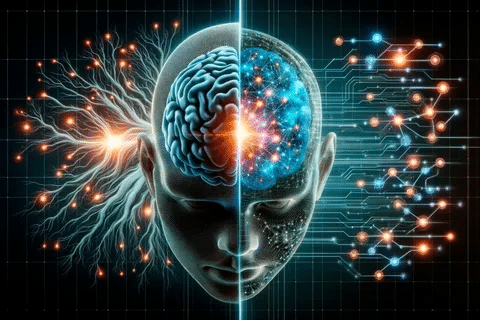
The science of memory formation and loss helps us understand amnesia. It’s key to know how memory works to fully grasp amnesia’s effects.
How Normal Memory Works
Normal memory uses many brain areas working together. First, we encode information. Then, we consolidate it for long-term storage. Lastly, we retrieve it when we need to remember.
Key stages of memory formation:
- Encoding: The initial processing of information.
- Consolidation: The stabilization of information for long-term storage.
- Retrieval: The recall of stored information.
Different brain parts, like the hippocampus and amygdala, support these steps. Damage to these areas can cause memory problems.
Memory Disruption Mechanisms in Amnesia
Amnesia happens when brain areas for memory get damaged. This can be from injuries, diseases like Alzheimer’s, or other conditions.
Mechanisms of memory disruption:
- Damage to the hippocampus, a critical area for memory formation.
- Disruption of neural pathways connecting different brain regions.
- Neurodegenerative diseases that progressively damage brain cells.
Knowing how these disruptions happen is vital for treating amnesia.
Common Symptoms and Warning Signs
It’s important to know the signs of amnesia early. Amnesia can affect memory, thinking, and feelings. Spotting these signs can help get treatment sooner.
Primary Memory Loss Patterns
Memory loss is the main sign of amnesia. There are two types: retrograde amnesia and anterograde amnesia. Retrograde amnesia is losing memories before the amnesia started. Anterograde amnesia is not making new memories after it starts.
Some people forget specific events or names and faces. Others forget important life events. How much and what kind of memory loss varies by the cause.
Associated Cognitive Symptoms
Amnesia also brings other thinking problems. These include trouble focusing, feeling confused, and not knowing where you are. It can make solving problems and making decisions hard.
It might also mess with language skills. This can make it hard to find words or follow conversations. These thinking problems can really affect daily life and happiness.
Behavioral and Emotional Changes
Amnesia can change how people act and feel. They might pull back or seem unhappy because they can’t remember things. They might also get moody, anxious, or irritable.
Some people with amnesia might make up stories to fill in memory gaps. This is called confabulation. Knowing these changes helps in supporting them better.
Spotting these signs early can help get help faster. This can make a big difference in how well someone can live with amnesia.
Major Types of Amnesia Explained
It’s important to know about the different types of amnesia. This is key for diagnosing and treating the condition. Amnesia can show up in many ways, each with its own set of symptoms and causes.
We’ll look at the main types of amnesia. These include Retrograde Amnesia, Anterograde Amnesia, Transient Global Amnesia, and Dissociative Amnesia. Each type brings its own set of challenges for both patients and doctors.
Retrograde Amnesia
Retrograde amnesia is when you forget things that happened before you got amnesia. It can be mild or severe, affecting memories from years ago or your whole life. Traumatic brain injury often causes this type of amnesia.
Anterograde Amnesia
Anterograde amnesia makes it hard to remember new things after you get amnesia. You might remember things from before but can’t make new memories. This usually happens because of damage to the hippocampus, a key part of making memories.
Transient Global Amnesia
Transient global amnesia is a rare and short-term form of amnesia. It mostly affects older adults with heart disease. During an episode, people forget things and might ask the same questions over and over. This usually goes away within 24 hours.
Dissociative Amnesia
Dissociative amnesia is when you can’t remember important parts of your life. This often happens after something very stressful or traumatic. It’s different from other amnesia types because it’s more about the mind than the brain.
Here’s a quick summary of these amnesia types:
- Retrograde Amnesia: Forgetting things that happened before you got amnesia.
- Anterograde Amnesia: Trouble remembering new things after you get amnesia.
- Transient Global Amnesia: Short-term, sudden memory loss, often in older adults.
- Dissociative Amnesia: Forgetting important life events due to psychological trauma.
Knowing about these amnesia types is key for making good treatment plans. It also helps in supporting those who have amnesia.
Primary Causes and Risk Factors
Amnesia can start from many reasons, like brain injuries or diseases. Knowing these causes helps in making good treatment plans. It also supports those with amnesia.
Traumatic Brain Injury
Traumatic brain injury (TBI) is a big reason for amnesia. A hard hit to the head can hurt brain parts that help us remember. The damage can be different for everyone, based on the injury.
Doctors say TBI can mess with memory in many ways. It can make it hard to make new memories or remember old ones. Getting medical help right away is key to lessening long-term damage.
Neurological Diseases and Conditions
Many brain diseases and conditions can cause amnesia. These include Alzheimer’s, stroke, and encephalitis. These diseases harm brain areas needed for memory.
- Alzheimer’s disease: A condition that gets worse over time, affecting memory and thinking.
- Stroke: Can cause memory loss because of brain damage from lack of blood flow.
- Encephalitis: Brain inflammation from infections can lead to memory problems.
Substance-Related Causes
Using certain substances can also cause amnesia. Drinking too much alcohol can lead to Wernicke-Korsakoff syndrome, a serious memory loss condition. Long-term substance use can harm memory and thinking.
“Drinking a lot can cause big memory problems, including not being able to make new memories.”
Psychological Trauma and Stress
Psychological trauma and stress can also cause amnesia. For example, dissociative amnesia is often linked to traumatic events. The emotional impact can be so strong that it messes with memory, causing big memory loss.
It’s important to understand how trauma and amnesia are connected. This helps in giving the right support and treatment. By knowing the many causes of amnesia, we can help those affected more effectively.
Diagnosis and Assessment Methods
To accurately diagnose amnesia, healthcare professionals use many methods. They do a detailed check to find out why someone can’t remember things.
Initial Medical Evaluation
The first step is a medical evaluation. This includes talking to the patient and doing a physical check. It helps find out what might be causing the memory loss, like traumatic brain injury or neurological diseases.
Neuropsychological Testing
Neuropsychological testing is key in diagnosing amnesia. These tests check how well someone can remember, pay attention, and solve problems. They help figure out how bad the memory loss is.
Brain Imaging Techniques
Brain imaging techniques, like MRI or CT scans, are also important. They show if there are any brain problems that might be causing the memory loss.
Differential Diagnosis Considerations
When diagnosing amnesia, differential diagnosis is very important. Doctors have to think about other conditions that might look like amnesia, like psychiatric disorders or substance use. By looking at all these things, doctors can make the right diagnosis and plan the best treatment.
By using all these methods, we can really understand what’s causing amnesia. Then, we can give the right care and support.
Treatment Approaches and Management
Managing amnesia requires a mix of medical care, cognitive therapy, and emotional support. The right treatment depends on the cause of amnesia and the person’s health.
Medical Interventions
Medical treatments are key for amnesia caused by health issues. Treatment of infections, managing neurological diseases, and adjusting medicines that harm memory are common steps.
- Antibiotics for infections causing amnesia
- Management of chronic conditions like Alzheimer’s disease
- Adjusting or discontinuing medications that affect memory
Cognitive Rehabilitation Techniques
Cognitive rehab helps people with amnesia deal with memory loss. It includes:
- Memory aids like calendars, reminders, and diaries
- Cognitive training to boost attention and memory
- Strategies to improve organization and daily tasks
Psychological Therapy Options
Psychological therapy helps with the emotional side of amnesia. It includes:
- Cognitive-behavioral therapy (CBT) for anxiety and depression
- Supportive psychotherapy to handle emotional effects
- Family therapy to involve caregivers
Emerging Treatments and Research
New research is looking into better treatments for amnesia. This includes new medicines and advanced cognitive therapy. These new methods might help people with amnesia more.
|
Treatment Approach |
Description |
Potential Benefits |
|---|---|---|
|
Pharmacological Interventions |
Use of medications to enhance memory |
Improved memory function |
|
Advanced Cognitive Rehabilitation |
Innovative techniques for cognitive improvement |
Enhanced cognitive abilities |
Living with Amnesia: Practical Strategies
Living with amnesia can be tough, but there are ways to make it easier. It’s about getting medical help, changing your lifestyle, and having support.
Memory Aids and Assistive Technologies
Using memory aids and tech can really help. These tools help you remember things like appointments and tasks.
- Electronic calendars and reminders on smartphones
- Note-taking apps and digital sticky notes
- GPS devices and location-based reminders
- Smart home devices that can be controlled remotely or set to perform routine tasks
These tools can be customized to fit your needs. They offer a personal way to manage memory loss.
Family Support and Caregiver Guidance
Family support is key for those with amnesia. Caregivers help with daily tasks and support emotionally. They also help with memory aids.
We suggest that families and caregivers:
- Educate themselves about amnesia and its effects
- Develop a supportive and understanding environment
- Encourage the use of memory aids and assistive technologies
- Seek support for themselves through counseling or support groups
Psychological Impact and Coping Mechanisms
Amnesia can affect your mental health. It can lower your self-esteem and confidence. It’s important to find ways to cope.
Some good ways to cope include:
- Cognitive rehabilitation therapy
- Psychological counseling or therapy
- Support groups for individuals with amnesia and their families
- Stress management techniques, such as meditation or yoga
Community Resources and Support Groups
It’s important to have access to community resources and support groups. They offer guidance, emotional support, and a sense of community.
|
Resource Type |
Description |
Benefits |
|---|---|---|
|
Support Groups |
Groups for individuals with amnesia and their families to share experiences and advice. |
Emotional support, practical advice, sense of community. |
|
Counseling Services |
Professional counseling for individuals and families dealing with the psychological impact of amnesia. |
Improved mental health, coping strategies, emotional support. |
|
Educational Programs |
Programs aimed at educating individuals and families about amnesia, its management, and available resources. |
Increased understanding, better management of amnesia, access to resources. |
By using these strategies, people with amnesia and their families can live better lives. They can handle the challenges of memory loss more effectively.
Conclusion
Understanding amnesia is key for those who experience it and their families. We’ve looked into the many sides of amnesia. This includes its definition, types, causes, symptoms, diagnosis, and treatment.
Amnesia is a complex issue that needs a detailed approach for diagnosis and treatment. We aim to educate readers about amnesia. This is to stress the importance of getting medical help if symptoms last.
It’s important to know the different types of amnesia and their causes. An overview of amnesia shows the need for a wide-ranging approach. This includes medical care, cognitive rehab, and psychological therapy.
We hope this summary helps readers understand amnesia better. Our goal is to support those dealing with this condition.
FAQ
What is amnesia, and how does it affect memory?
Amnesia is a condition that messes with memory. It makes it hard to remember past events or make new memories. It disrupts how we normally store and recall memories.
What are the main types of amnesia?
There are several types of amnesia. These include retrograde, anterograde, transient global, and dissociative amnesia. Each type has its own causes and effects.
What causes amnesia?
Amnesia can come from many sources. It might be due to a brain injury, certain diseases, substance use, or psychological stress. Knowing the causes helps in finding treatments.
How is amnesia diagnosed?
Doctors use a detailed approach to diagnose amnesia. This includes a medical check-up, brain scans, and tests to understand the memory loss.
What are the treatment options for amnesia?
Treatments for amnesia vary. They can include medicine, therapy, and new research methods. A good plan can help manage symptoms and improve life quality.
How can individuals with amnesia manage their symptoms?
People with amnesia can use tools to help remember. They also need support from family and friends. Community resources and groups can offer extra help.
What is the difference between anterograde and retrograde amnesia?
Anterograde amnesia stops new memories from forming. Retrograde amnesia makes it hard to recall old memories. Knowing the difference helps in treating amnesia.
Can amnesia be cured?
Some amnesia cases can be reversed, but others might not be. Treatment can help manage symptoms and improve life quality.
How does amnesia affect daily life?
Amnesia can make everyday tasks hard. It affects relationships and activities. Support and strategies can help adapt to amnesia.
What is transient global amnesia?
Transient global amnesia is a short-term memory loss. It can last hours and is often linked to a specific event.
How can family and caregivers support individuals with amnesia?
Family and caregivers play a big role. They offer emotional support, help with daily tasks, and connect to resources and groups.
References
National Center for Biotechnology Information. Amnesia: Symptoms, Types, and Causes of Memory Impairment. Retrieved from https://pubmed.ncbi.nlm.nih.gov/25030779/