Amyloid is a big deal in medicine, affecting millions of people worldwide. Amyloid buildup happens when abnormal proteins gather in organs and tissues. This can cause many health problems.what is amyloidWhat Is Cardiomyopathy? Explained
Amyloidosis is a rare disease where amyloid proteins build up in organs. This messes up their normal work. Knowing where amyloid comes from and how it affects us is key to finding good treatments.
Key Takeaways
- Amyloid is an abnormal protein that can accumulate in various organs and tissues.
- Amyloidosis is a rare disease caused by amyloid buildup in organs.
- Amyloid accumulation can lead to a range of health problems.
- Understanding amyloid is important for finding effective treatments.
- Liv Hospital’s patient-centered approach ensures complete care for those with amyloid-related disorders.
Understanding Amyloid: Definition and Basic Structure
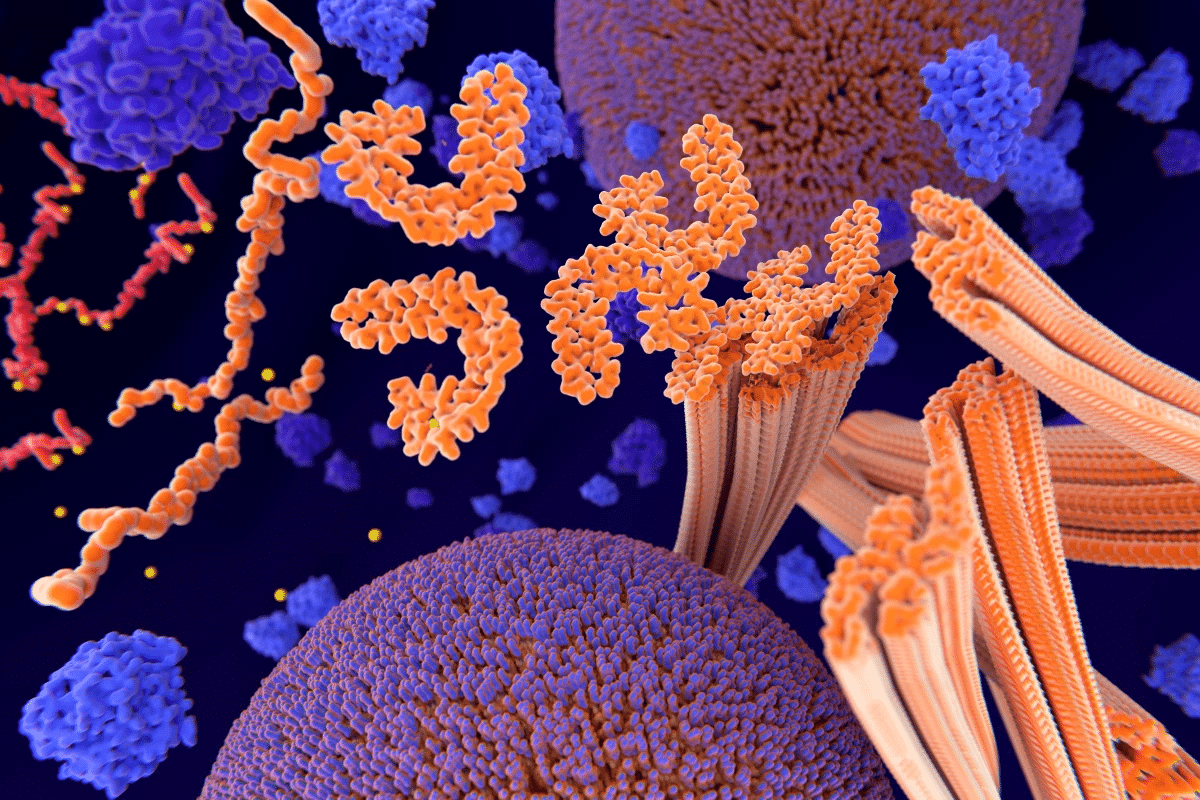
To understand amyloid, we need to look at its molecular makeup and structure. Amyloid fibrils are made from different proteins and are linked to many diseases. We’ll dive into what makes up amyloid proteins and why their beta-sheet shape is important.
The Molecular Composition of Amyloid Proteins
Amyloid proteins can form long fibers through a process called polymerization. This happens when many small peptides or proteins join together. These fibers are very stable and hard to break down.
Many different proteins can form amyloid fibrils, leading to various diseases. For example, amyloid-beta peptides are linked to Alzheimer’s disease. Transthyretin is connected to systemic amyloidosis.
Beta-Sheet Conformation: The Hallmark of Amyloid
The beta-sheet conformation is a key feature of amyloid fibrils. It makes them stable and helps them stick together. This shape also makes them hard to break down, which can harm tissues and lead to disease.
The beta-sheet formation is a complex process. It starts with proteins folding incorrectly, then they clump together. This process is important to understand for finding new treatments for amyloid-related diseases.
By studying amyloid proteins, we can learn more about how they form and their role in disease. This knowledge is key for creating better treatments and improving patient care.
What Is Amyloid and How Is It Different from Normal Proteins?
Amyloid proteins are unique and different from regular proteins. They have a special structure and function. The way they fold into amyloid fibrils is key in amyloidosis, a disease caused by genetics, infections, or aging.
Characteristics of Functional vs. Pathological Proteins
Normal proteins do many important jobs in our bodies. They help with enzymes and support structures. On the other hand, amyloid proteins misfold and form insoluble fibrils. This misfolding makes them lose their normal function and gain harmful effects.
“The change of a normal protein into an amyloid fibril is complex,” studies say. This change makes fibrils stable and hard to break down.
The Unique Properties of Amyloid Fibrils
Amyloid fibrils have special traits that make them harmful. They are highly structured, mainly beta-sheets in a cross-beta shape. This cross-beta structure makes them stable and hard to break down.
- Amyloid fibrils are insoluble and build up in tissues, causing cell damage.
- They are very stable, avoiding normal cell cleaning.
- They can hurt normal cell functions, leading to disease.
Knowing the differences between normal and amyloid proteins is key. It helps in finding treatments for amyloid diseases.
The Formation Process of Amyloid
Amyloid formation is a complex process with several stages. Knowing these stages is key to finding treatments for amyloid diseases.
Nucleation Phase: The Beginning of Amyloid Formation
The nucleation phase starts amyloid formation. Here, misfolded proteins form a nucleus or seed. This phase is important because it sets the pace for amyloid growth. The nucleation process is often slow and rate-limiting, needing many misfolded proteins to start.
Several factors can affect the nucleation phase, including:
- Protein concentration
- Presence of seeding nuclei
- Environmental conditions such as pH and temperature
Growth Phase: How Amyloid Fibrils Extend
After a nucleus forms, the growth phase begins. More misfolded proteins join the nucleus, making amyloid fibrils longer. This process can occur rapidly, creating long, insoluble fibrils that build up in tissues.
The growth phase is marked by:
- Addition of misfolded protein monomers to the fibril ends
- Formation of beta-sheet rich structures that are highly stable
- Continued growth until the available misfolded protein is depleted
Plateau Phase: When Amyloid Formation Stabilizes
The plateau phase is the final stage of amyloid formation. Here, the rate of fibril formation equals the rate of fibril degradation or clearance. At this point, the amount of amyloid deposits stabilizes, and no further net accumulation occurs.
Factors influencing the plateau phase include:
- Balance between fibril formation and clearance
- Presence of factors that stabilize or destabilize amyloid fibrils
- Cellular responses to amyloid deposits
Understanding amyloid formation is vital for treating amyloid diseases. By focusing on specific stages, we can stop amyloid buildup early.
Origins of Amyloidogenic Proteins
The start of amyloidogenic proteins is a mix of genetic factors and outside influences. These proteins are linked to serious diseases. Knowing where they come from is key to finding treatments.
Genetic Mutations Affecting Protein Stability
Genetic changes are a big part of amyloidogenic proteins. These changes can make proteins unstable. Specific genetic mutations can cause proteins to fold wrong, leading to amyloid fibrils.
Abnormal Protein Cleavage Mechanisms
Protein cleavage gone wrong also plays a role. When proteins don’t cleave right, they can clump and form amyloids.
Enzymatic Processing Errors
Enzyme mistakes can also cause amyloidogenic proteins. Enzymes help process proteins. Any errors can lead to bad proteins.
Environmental Factors Contributing to Protein Misfolding
Things like oxidative stress and changes in temperature or pH can cause protein misfolding. Knowing about these factors helps us fight amyloid diseases.
|
Factor |
Description |
Impact on Amyloidogenic Proteins |
|---|---|---|
|
Genetic Mutations |
Affect protein stability |
Increased risk of amyloid formation |
|
Abnormal Protein Cleavage |
Incorrect protein processing |
Aggregation and amyloid formation |
|
Enzymatic Processing Errors |
Errors in enzyme function |
Production of abnormal proteins |
|
Environmental Factors |
Oxidative stress, temperature/pH changes |
Protein misfolding and amyloid formation |
Prion-Related Mechanisms in Amyloid Formation
The prion hypothesis helps us understand how amyloid forms and spreads. Prions are proteins that can change normal proteins into amyloid fibrils. We’ll look at how prions lead to amyloidosis.
The Prion Hypothesis and Protein Misfolding
The prion hypothesis says some proteins can change shape in a way that’s infectious. This shape change causes other proteins to misfold, forming amyloid fibrils. Protein misfolding is key in amyloidosis.
Research shows prion proteins can make normal proteins misfold. This is how amyloid fibrils spread. Understanding prion mechanisms is vital.
Infectious Protein Transmission
Prion diseases spread through proteins. They can pass through genes, contaminated tissues, and possibly the environment. Prion transmission spreads amyloid fibrils.
|
Disease |
Prion Protein Involved |
Transmission Route |
|---|---|---|
|
Creutzfeldt-Jakob Disease |
PRNP |
Genetic, Contaminated Tissue |
|
Bovine Spongiform Encephalopathy |
PRNP |
Contaminated Feed |
|
Alzheimer’s Disease |
Amyloid-beta |
Unknown, Potentially Environmental |
Knowing how prions spread is key to fighting prion diseases. More research is needed to understand prions’ role in amyloid formation and spread.
How Amyloid Affects Tissues and Organs
Amyloid deposits can harm tissue and organ function, causing health problems. The buildup of amyloid fibrils in tissues and organs disrupts cell function. This can impair normal organ function.
When amyloid fibrils build up, they start a chain of events that damages tissues. This includes inflammation and oxidative stress, making things worse.
Cellular Disruption Mechanisms
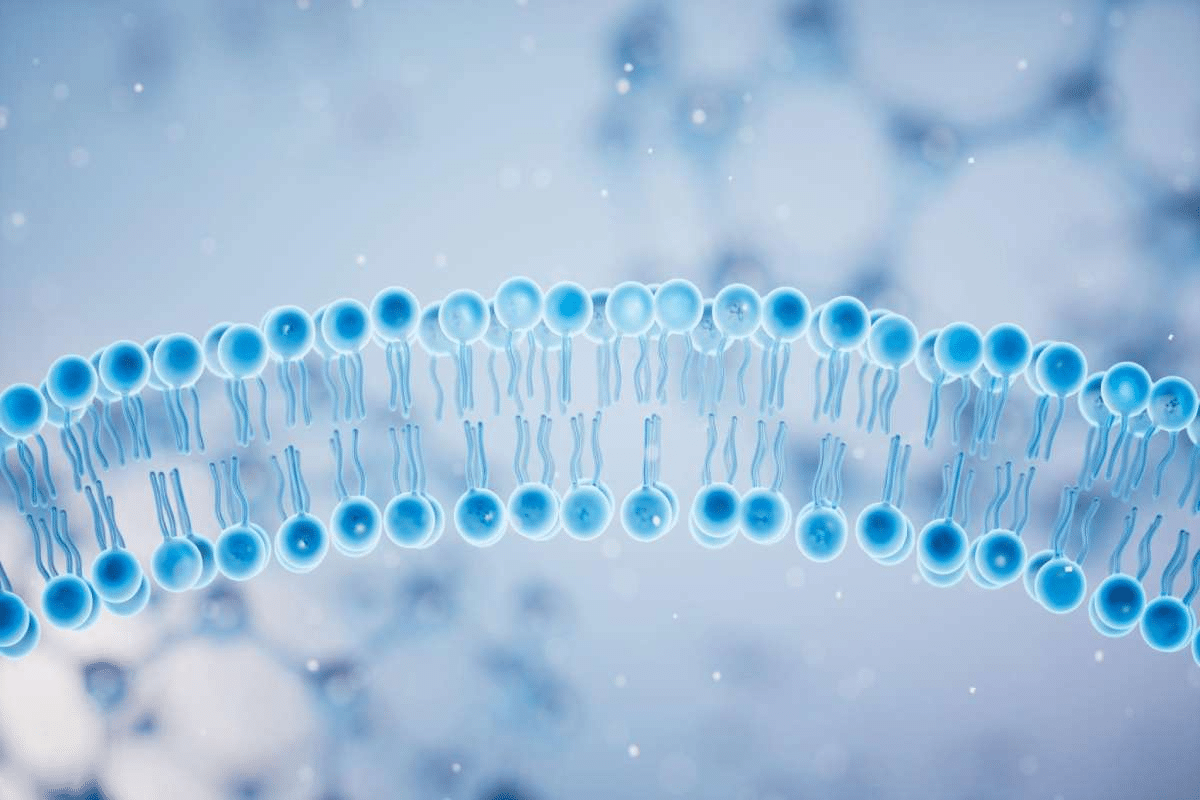
Amyloid proteins can harm cells in several ways. They can interact with cell membranes, causing membrane disruption and changing how cells work. This can let harmful ions and molecules into the cell.
Also, amyloid deposits can mess with cell processes like making and breaking down proteins. This can lead to toxic proteins building up inside cells, causing more harm.
- Amyloid fibrils can cause physical disruption of cellular structures.
- They can trigger inflammatory responses that damage tissues.
- Amyloid deposits can impair normal cellular function.
Organ-Specific Damage Patterns
Amyloidosis can harm many organs, like the heart, kidneys, and nervous system. The damage pattern depends on the organ.
In the heart, amyloid deposits can lead to restrictive cardiomyopathy and heart failure. In the kidneys, amyloidosis can cause nephrotic syndrome, with lots of protein loss and kidney problems.
|
Organ |
Effect of Amyloid Deposits |
|---|---|
|
Heart |
Restrictive cardiomyopathy, heart failure |
|
Kidneys |
Nephrotic syndrome, renal dysfunction |
|
Nervous System |
Neuropathy, cognitive impairment |
Knowing how amyloid damages organs is key to diagnosing and treating amyloidosis well.
Major Diseases Associated with Amyloid Deposits
Amyloid proteins build up in many serious diseases. Amyloidosis is a group of diseases where amyloid fibrils deposit in organs. We’ll look at diseases like neurodegenerative disorders, metabolic conditions, and others.
Neurodegenerative Disorders: Alzheimer’s and Parkinson’s
Neurodegenerative diseases are linked to amyloid buildup. Alzheimer’s disease is a common dementia, caused by amyloid-beta in the brain. Parkinson’s disease is linked to alpha-synuclein protein, forming Lewy bodies that harm brain function.
Both Alzheimer’s and Parkinson’s have amyloid fibrils. Knowing how amyloid affects these diseases is key to finding treatments.
Metabolic Conditions: Type II Diabetes
Amyloid is also linked to metabolic diseases, like type II diabetes. Amylin, a pancreatic peptide, builds up in the pancreas. This disrupts insulin function and glucose control.
The connection between amyloid and metabolic disorders shows the wide range of amyloidosis. Studying amyloid in type II diabetes could lead to new treatments.
Other Amyloid-Related Diseases
Over 50 diseases are linked to amyloidosis, including organ-specific forms. For example, amyloid light-chain (AL) amyloidosis affects the heart, kidneys, and liver. Transthyretin amyloidosis (ATTR) involves transthyretin protein in nerves and the heart.
These diseases show how complex amyloid-related diseases are. As research grows, we’ll learn more about these diseases. This will help us find better treatments.
Detection and Treatment of Amyloidosis
It’s important for patients and doctors to know about amyloidosis detection and treatment. Early action is key to managing the disease and better outcomes.
Diagnostic Techniques for Amyloid Detection
There are several ways to find amyloid deposits in tissues. The main methods include:
- Biopsy: A biopsy is the top way to diagnose amyloidosis. It takes a tissue sample for Congo red staining or other dyes to check for amyloid.
- Imaging Studies: Echocardiography, MRI, and PET scans can spot organ damage from amyloid.
- Serum and Urine Tests: These tests look for abnormal proteins linked to amyloidosis, like light chains in urine or serum.
Current Therapeutic Approaches
Treatment for amyloidosis varies based on the type and how much it affects organs. The goal is to cut down amyloid production, clear out what’s there, and ease symptoms.
- Chemotherapy: For AL amyloidosis, chemo kills plasma cells making bad light chains.
- Organ Transplantation: Sometimes, a transplant is needed for severe organ damage.
- Supportive Care: It’s key to manage symptoms and keep organs working well.
Emerging Treatments and Clinical Trials
New treatments for amyloidosis are being studied in clinical trials. Some promising areas include:
- Targeted Therapies: Drugs that target amyloid protein production or removal.
- Immunotherapy: Using the immune system to fight amyloidosis.
- Gene Therapy: Experimental treatments for genetic mutations causing amyloidosis.
Joining clinical trials can give patients new treatments not yet available. We keep an eye on these new therapies, hoping to help patients with amyloidosis.
Conclusion
Understanding amyloid and its role in disease is key to finding new treatments. Amyloidosis is a complex condition that needs a deep understanding of its causes, symptoms, and treatment options. We’ve looked into what amyloid is, how it forms, and its effects on the body.
We’ve also discussed the diseases linked to amyloid. By summarizing the main points, we aim to make this complex topic clear. Amyloid and amyloidosis require a detailed approach to diagnosis and treatment.
We believe ongoing research will help us find better ways to treat these conditions. As we wrap up our talk on amyloid and amyloidosis, it’s clear we need a full grasp of these topics. Our aim is to offer accurate and helpful content that aids in finding effective treatments for amyloidosis.
FAQ
What is amyloid and how does it form?
Amyloid is a type of abnormal protein. It can build up in organs and tissues, causing health issues. It forms through several steps: nucleation, growth, and plateau.
What is the molecular composition of amyloid proteins?
Amyloid proteins have a beta-sheet structure. This structure helps them form fibrils.
How do amyloid proteins differ from normal proteins?
Amyloid proteins are different because they misfold. This allows them to form fibrils, unlike normal proteins.
What are the origins of amyloidogenic proteins?
Amyloidogenic proteins come from various sources. This includes genetic mutations, protein cleavage errors, and environmental factors.
What is the role of prion-related mechanisms in amyloid formation?
Prion mechanisms are key in amyloid fibril formation. They involve the spread of misfolded proteins.
How do amyloid deposits affect tissues and organs?
Amyloid deposits harm tissues and organs. They disrupt cell function and cause specific damage patterns.
What diseases are associated with amyloid deposits?
Amyloid deposits are linked to many diseases. This includes neurodegenerative disorders like Alzheimer’s and Parkinson’s. Also, metabolic conditions like type II diabetes, and other amyloid-related diseases.
How is amyloidosis detected and treated?
Detecting amyloidosis involves biopsies and imaging tests. Treatment includes current methods and new trials.
What is amyloidogenic protein?
Amyloidogenic proteins tend to form amyloid fibrils. This is often due to genetic mutations or stability issues.
Are there different types of amyloid?
Yes, there are various amyloid types. Each is linked to specific diseases, like Alzheimer’s and Parkinson’s.
References
National Center for Biotechnology Information. Amyloidosis: Protein Accumulation, Organ Impact, and Disease Overview. Retrieved from
https://www.ncbi.nlm.nih.gov/pmc/articles/PMC2634529/