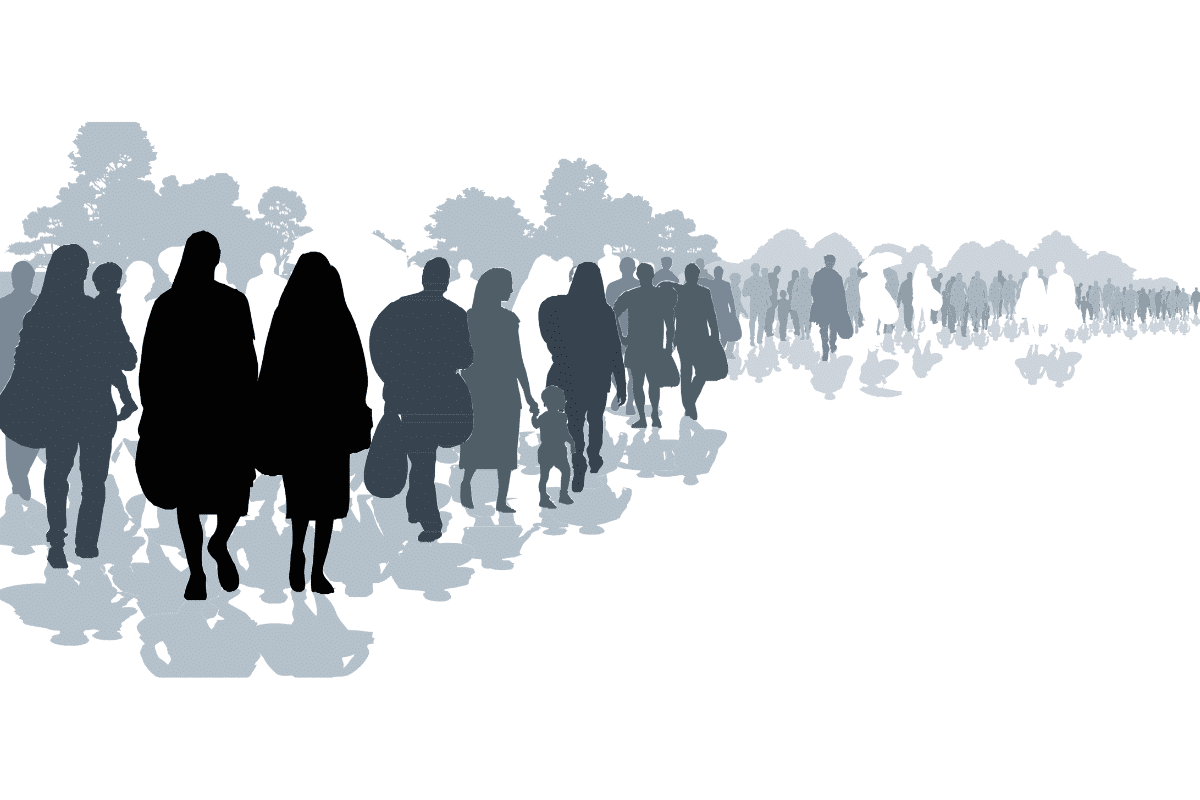
We answer: what is greying population? This essential guide explains why demographics are shifting and why it matters for our future.
The greying population is a big issue we’re facing. It’s also known as the aging population. It happens when more people live longer and have fewer children.
The graying of America is changing our society. It brings both problems and chances for better healthcare. We need to get ready for these changes.
More people are living longer and having fewer kids. This means our population is aging and growing older at the same time.
Key Takeaways
- The greying population is driven by longer life expectancy and declining birth rates.
- This demographic shift has profound implications for societies, economies, and healthcare systems.
- Hospitals and medical organizations must adapt to provide patient-centered care.
- The graying of America poses transformative challenges and opportunities.
- Preparing for the greying population is key for healthcare and society.
The Demographic Shift: Understanding Population Aging

The world’s population is aging fast, thanks to fewer babies and longer lives. This big change is affecting economies, healthcare, and society worldwide.
Global Population Trends and Statistics
The world’s population is changing a lot. By 2050, there will be nearly 2.1 billion people aged 60 and over. This change is happening everywhere, not just in some places.
Key statistics highlighting this trend include:
- The number of older people is growing.
- People are living longer than before.
- Babies are being born less often.
|
Year |
Population Aged 60+ |
Percentage of Total Population |
|---|---|---|
|
2020 |
1 billion |
13.5% |
|
2050 |
2.1 billion |
21.3% |
Historical Context of Population Aging
Healthcare and living standards have improved a lot over time. This has led to more people living longer. The shift from high to low birth and death rates has taken a long time.
“The aging of the population is not just a demographic phenomenon; it’s a result of the interplay between socio-economic factors, healthcare advancements, and changes in family structures and societal norms.”
It’s important to understand this history to tackle the challenges and chances brought by aging. As we look ahead, we must think about how these factors will keep shaping our world.
What Is the Greying Population? Definition and Terminology
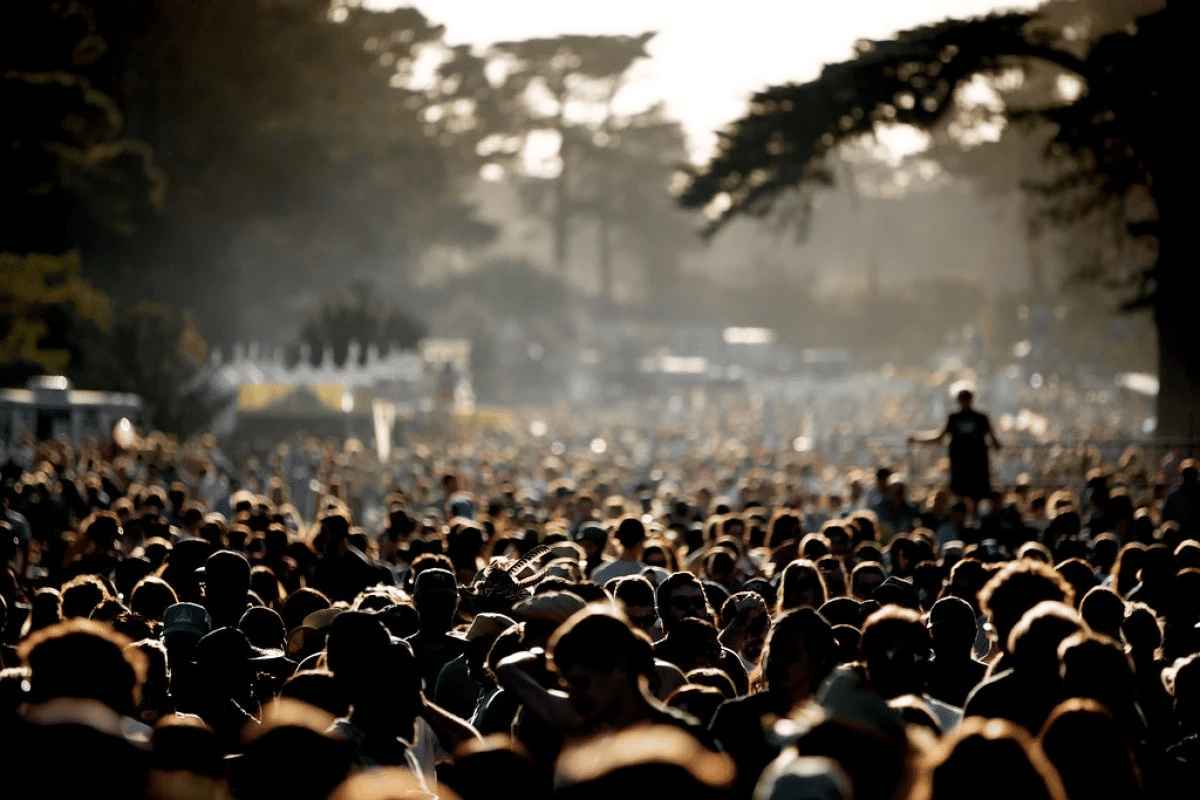
The greying population is a key demographic trend. It refers to more older people in a society. This change affects many areas, like healthcare, social services, and the economy.
To grasp the greying population, we need to know its definition and related terms. The term “greying population” is often linked with “aging population.” It focuses on the growing number of older adults and their impact on society.
Origins of the Term “Greying Population”
The term “greying population” comes from how we see population demographics. It shows more older people in the population pyramid. This term is used worldwide to talk about population aging.
It became important as healthcare got better and living standards rose. This led to more older people in many countries.
Related Concepts: The Graying of America
The “Graying of America” is a related idea, focusing on the U.S. It talks about the rise in older Americans, mainly due to the Baby Boomer generation aging.
This trend affects the U.S. in big ways, like social security and healthcare. It also changes the labor market. There’s a need for more services and policies for aging populations.
Knowing about the greying population and related terms helps us make plans. We can support aging individuals and deal with the challenges and chances of aging populations.
Key Drivers Behind the Greying Population Phenomenon
Looking into the greying population, we see many factors at work. This shift towards more older people isn’t random. It’s due to big trends and progress in different areas.
Increasing Life Expectancy
The main reason is the increase in life expectancy. Better medical tech and higher living standards help people live longer. The world’s average life expectancy has gone up by several years in recent decades.
- Improved healthcare services
- Better nutrition and living conditions
- Reduction in mortality rates
Declining Birth Rates
The decline in birth rates is another key factor. Many countries see fewer babies, making the population older. This drop is due to:
- Changes in social norms and family planning
- Economic uncertainty and rising costs of living
- Increased access to education and family planning resources
Advances in Healthcare and Medicine
Advances in healthcare and medicine are also key. Better medical care boosts life expectancy and improves older adults’ quality of life. Some major advancements include:
- Development of new treatments and medications
- Improved management of chronic diseases
- Innovations in geriatric care
In summary, the greying population is shaped by many factors. These include longer life expectancy, fewer births, and big strides in healthcare. Knowing these drivers helps us create good policies for an ageing society.
The Baby Boomer Effect: A Demographic Tidal Wave
Baby boomers are leading a big change in America’s age mix. As they get older, their influence on the population grows. This is making a big difference in how we see age.
Who Are the Baby Boomers?
The baby boomer generation includes people born from 1946 to 1964. This time saw a big jump in births after World War II. They’ve greatly shaped American society and culture.
They are known for their large numbers and big social and economic impact. Their aging is a key reason for America’s greying.
The 2030 Milestone: All Boomers Over 65
By 2030, all boomers will be over 65. This big change will deeply affect our society. It will impact healthcare, social security, housing, and the workforce.
As boomers age, the number of elderly people will grow. This will challenge our social systems. We’ll need to change policies and services to meet these new needs.
Impact on Age Distribution in the United States
The aging of boomers is changing America’s age mix. More elderly people mean a shift in how we plan for the future. This affects healthcare, the workforce, and social security.
This change will also impact healthcare, with more demand for services for older adults. The workforce and social security systems will need to adjust too.
Understanding and tackling the challenges of a greying population is key. By looking at the baby boomer’s impact, we can prepare for future changes.
The Graying of the United States: Current Trends and Projections
The U.S. population is aging, and it’s important to look at current trends and future projections. This shift has big implications for many areas of society.
The age structure of the U.S. population is changing, with more older adults. This trend will keep growing, with big milestones coming in the next decades.
The 2035 Crossover: When Seniors Outnumber Children
By 2035, older adults will outnumber children in the U.S. This change marks a big shift, showing the growing number of older people. It will affect many areas, like healthcare and education.
This change comes from people living longer and fewer births. It means more older adults, impacting many sectors.
Regional Variations in Population Aging
While the U.S. is aging, some areas are aging faster. This is due to migration and local economic conditions.
It’s important to understand these differences. This helps create policies that meet the needs of each area.
|
Region |
Percentage of Population Aged 65+ |
Projected Change by 2035 |
|---|---|---|
|
Northeast |
16.3% |
+25% |
|
South |
14.8% |
+30% |
|
Midwest |
15.6% |
+28% |
|
West |
13.4% |
+22% |
Century-Long Growth Patterns in Elderly Populations
The elderly population in the U.S. has been growing for over a century. Better healthcare and living standards have led to longer lives.
Looking ahead, the aging population will keep shaping the U.S. It’s key to understand history and current trends to prepare for the future.
The Greying Population Around the World
The world is seeing a big change as more people are getting older. This change is happening everywhere, not just in one place. It has big effects on our societies.
Let’s look at Japan first. Japan is leading the way in this change. What happens there might show us what’s coming for other countries too.
Japan: The World’s Oldest Nation
Japan is the oldest country in the world. A lot of its people are 65 or older. This big change affects Japan’s economy, health care, and how people live together.
Key Statistics:
|
Indicator |
Value |
|---|---|
|
Percentage of population aged 65+ |
28.4% |
|
Life Expectancy at birth |
84.7 years |
|
Total Fertility Rate |
1.4 children per woman |
Japan faces big challenges. It has fewer workers and spends more on health care. Other places are seeing similar problems.
Aging Trends in Europe
Europe is also getting older. Many countries there are facing the same issues. More and more older people are expected.
European countries are trying different ways to deal with this. They’re changing pensions and thinking about immigration.
Comparing the United States to Other Developed Nations
The United States is also getting older, but at a different rate than Japan and some European countries. The U.S. is aging, but in its own way.
Comparative Analysis:
|
Country |
Percentage of Population Aged 65+ |
Projected by 2030 |
|---|---|---|
|
United States |
16.3% |
20.1% |
|
Japan |
28.4% |
31.1% |
|
Germany |
21.4% |
24.6% |
This shows that aging is a global issue. Each country needs its own plan to handle these changes.
Economic Implications of an Aging America
The aging of America is more than just a change in numbers. It’s a big economic issue. It affects many areas, like the workforce, healthcare, and social security.
Labor Force Challenges and Worker Shortages
The aging of America is changing the workforce. Baby boomers retiring means fewer workers in many fields. The Bureau of Labor Statistics says the workforce will grow slowly because of this.
“The aging workforce brings challenges and chances for employers,” says a report by the National Institute on Aging. Employers must change how they hire and keep workers as the workforce ages.
Healthcare Costs and Medicare Sustainability
More older people mean more healthcare needs, which raises costs. Medicare, the main healthcare for seniors, is under pressure. It faces financial issues with more people and higher costs.
Keeping Medicare strong is a big challenge. It might need policy changes, like adjusting when people can get benefits or finding ways to save money in healthcare.
Social Security and Retirement Systems
Social Security, key for seniors’ economic safety, is also affected. More retirees mean less money for the system. The trust fund is expected to run out soon, needing changes to keep it going.
“Social Security is vital for our nation’s seniors’ economic security. Keeping it strong is key for our aging population’s well-being.”
Lawmakers are looking at ways to fix Social Security. They’re considering raising the retirement age, changing how benefits are given, or increasing taxes. Each idea has its good and bad sides, needing careful thought for the economy and seniors.
Social and Cultural Impact of the Greying Population
The greying population is changing our society deeply. It’s key to grasp the wide effects on our social and cultural life.
Changing Family Dynamics
The aging population is changing family life and who cares for whom. With people living longer, families are living together more. This brings new family dynamics and roles.
Studies show that families are now more like extended families. Grandparents are playing big roles in raising their grandkids. This change affects both emotions and money, as older adults help their families.
“The aging population is redefining what it means to be a family and is challenging traditional norms around aging and caregiving.”
Medical Expert, Gerontologist
Intergenerational Connections
As people age, connections between generations grow more important. These bonds are good for both the heart and practical help, like care and money.
Studies find that programs linking generations are good for everyone. For example, mentorship where older folks teach younger ones builds community and understanding.
Evolving Social Norms
As the population ages, how we see aging changes. There’s a growing respect for older adults’ contributions, challenging old views of aging as decline.
This change shows up in many areas, like work and media. Older adults are now seen as valuable, with their experience and wisdom sought after.
By embracing the greying population, we can build a more inclusive society for all ages.
Healthcare Systems and the Aging Population Challenge
As the world’s population ages, healthcare systems face big challenges. They need to meet the complex needs of older adults. This requires changes in healthcare infrastructure, service delivery, and policies to ensure effective and sustainable care.
Long-term Care Needs and Infrastructure
The growing number of older adults means we need more long-term care facilities. We also need to improve the quality of care. It’s important to create environments that support the physical and mental health of older adults.
Key considerations for long-term care infrastructure include:
- Developing specialized care units for dementia and other age-related conditions
- Implementing technology-enabled care solutions to enhance monitoring and support
- Training healthcare professionals in geriatric care best practices
Chronic Disease Management and Preventive Care
Managing chronic diseases is a big challenge for the aging population. We need a multifaceted approach to care. This includes preventive care, early intervention, and ongoing management of conditions like diabetes and heart disease.
Preventive care strategies are key and may include:
- Regular health screenings and check-ups
- Lifestyle interventions such as diet and exercise programs
- Immunization against flu and pneumonia
Innovations in Geriatric Care and Aging in Place
Innovations in geriatric care are essential. Aging in place, or living safely and independently at home, is important. Technologies like telehealth and smart home systems help older adults stay at home longer.
Some promising innovations include:
- Telehealth services for remote monitoring and consultations
- Wearable devices that track vital signs and detect falls
- Smart home technologies that enhance safety and convenience
Policy Responses to the Graying of America
More older Americans are leading to a need for better policies. We must tackle this change with a mix of new and updated policies. This approach will help us manage the aging population effectively.
Retirement Age Adjustments and Work Incentives
Changing retirement ages and adding work incentives are key. With people living longer, the old retirement age doesn’t fit anymore. Increasing the retirement age could ease the burden on social security and encourage older workers to keep working.
“The idea of retirement is changing,” experts say. Many older Americans want to keep working, either by choice or need. So, we need policies that support them, like training and hiring incentives.
Immigration Policies as Demographic Tools
Immigration is another tool to tackle an aging population. Targeted immigration policies can fill job gaps and boost social security. This helps the economy.
But, we must think carefully about immigration changes. We need to make sure they fit our demographic and economic goals. This means looking at the skills and ages of immigrants to get the most benefit.
State and Federal Aging Initiatives
States and the federal government are launching efforts to handle the aging population. These include healthcare and community support services. They aim to help older Americans live well and independently.
- Healthcare programs tailored to older adults
- Community support services for aging in place
- Programs to fight social isolation among seniors
It’s vital to keep improving these initiatives. We must make sure they meet the changing needs of older Americans.
The Silver Economy: Opportunities in an Aging Society
As the world’s population ages, a new economic scene is forming. It’s called the ‘silver economy.’ This shift brings many chances for growth, thanks to the needs and wants of older adults.
The silver economy covers many areas, like healthcare, leisure, and finance, all aimed at seniors. We’re seeing big growth in these senior-focused industries.
Senior-Focused Industries and Services
Industries are changing to meet the needs of older people. Healthcare is moving towards more prevention and personalized care. The leisure world is creating travel and entertainment that’s friendly for seniors.
|
Industry |
Adaptations for Aging Population |
Potential Growth |
|---|---|---|
|
Healthcare |
Preventive care, personalized medicine |
High |
|
Leisure |
Age-friendly travel, entertainment |
Moderate |
|
Financial Services |
Retirement planning, age-specific financial products |
High |
Technology and Innovation for Aging Populations
Technology is key to improving life for older adults. We’re seeing more use of telehealth, wearable health monitors, and smart home tech.
These techs help with health and let seniors live on their own longer. This reduces the need for caregivers and helps healthcare systems.
New Employment Models for Older Workers
The aging population opens up new job options for older workers. We’re seeing more flexible work, retraining, and age-friendly workplaces.
By adopting these models, companies can use the skills and knowledge of older workers. This also helps support their well-being.
As we face the challenges and chances brought by aging, the silver economy will be key in shaping our future.
Conclusion: Preparing for Our Collective Aging Future
The greying population is a big change happening in the United States and worldwide. It’s important to understand why this is happening. This includes people living longer and having fewer children.
To get ready for more older people, we need to work on healthcare, the economy, and social systems. We should improve healthcare, create jobs for older workers, and encourage people of all ages to work together. This way, we can support older adults and use their knowledge and experience.
In the end, we must focus on preparing for an ageing future. We need to create policies and programs that help with the challenges and benefits of more older people. This will help make sure our future is filled with dignity, chances, and happiness for everyone.
FAQ
What is the greying population?
The greying population, also known as the aging population, is when more older people live in a place. This happens because people live longer and have fewer children.
What are the main drivers behind the greying population phenomenon?
The main reasons for the greying population are longer life spans, fewer births, and better healthcare.
What is the graying of America?
The graying of America means more older people in the U.S. This brings big changes in demographics, society, and economy.
How will the baby boomer generation impact the greying population?
The baby boomer generation will greatly affect the greying population. As they age, there will be more older people. By 2030, all boomers will be over 65.
What are the economic implications of an ageing America?
An ageing America faces challenges like fewer workers, higher healthcare costs, and strain on social security and retirement systems.
How will the greying population affect healthcare systems?
The greying population will challenge healthcare systems. They need more care for older people, better chronic disease management, and new geriatric care.
What policy responses are being implemented to address the graying of America?
To tackle the graying of America, policies include changing retirement ages, using immigration to balance demographics, and ageing initiatives at all levels.
What economic opportunities are presented by the ageing society?
The ageing society offers economic chances in the “silver economy.” This includes industries and services for seniors, tech for ageing populations, and jobs for older workers.
How is the greying population a global phenomenon?
The greying population is worldwide. Countries like Japan and those in Europe are ageing, but at different rates and with different effects.
What is the significance of the 2035 crossover in the United States?
The 2035 crossover marks when seniors will outnumber children in the U.S. It’s a big demographic shift with big implications.
What are the social and cultural impacts of the greying population?
The greying population changes family structures, caregiving, and intergenerational relationships. It also changes social norms and attitudes toward ageing.
References
World Health Organization. Evidence-Based Medical Guidance. Retrieved from https://www.who.int/news-room/questions-and-answers/item/population-ageing