

Living with Mild Cognitive Impairment (MCI) can be tough. It affects memory and cognitive abilities. It’s seen as a step between normal aging and dementia.
At Liv Hospital, we know how important MCI and its link to Alzheimer’s disease are. We provide detailed neurological checks and care for cognitive health. This helps patients get the latest in diagnosis and treatment, stopping dementia before it starts.
Understanding MCI’s early signs is key. Early detection is critical for effective treatment.
Key Takeaways
- MCI is a transitional stage between normal aging and dementia.
- Early detection of MCI is critical for timely intervention.
- Liv Hospital offers detailed neurological assessments for MCI.
- Knowing MCI’s link to Alzheimer’s disease is vital.
- Evidence-based cognitive health management can stop dementia from getting worse.
Understanding Mild Cognitive Impairment: Definition and Prevalence
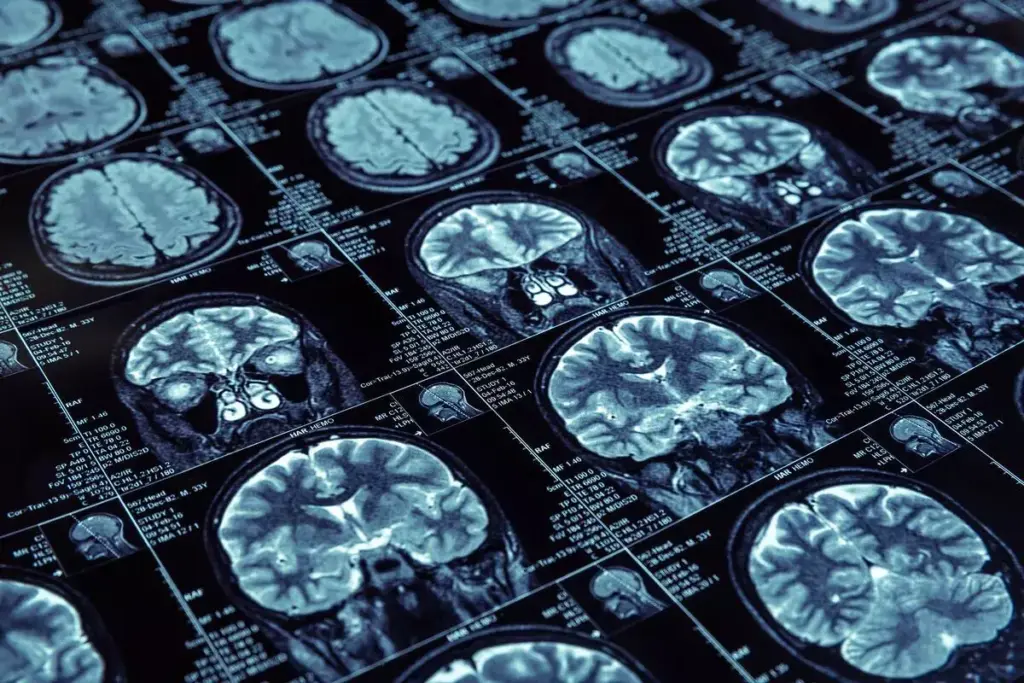
Mild Cognitive Impairment (MCI) is a complex condition. It involves subtle changes in thinking that are more than normal aging. Knowing what MCI is and how common it is helps us understand its effects on people and society.
What Does MCI Stand For and How Is Mild Cognitive Impairment Defined
MCI is when people notice their thinking skills getting worse but it’s not too bad. It’s marked by memory problems and cognitive changes that are bigger than what happens with aging.
Doctors check a person’s medical history and do tests to see how their brain is working. This helps tell if it’s MCI or something more serious like dementia.
MCI Prevalence: Current Statistics in the United States and Worldwide
MCI is a big worry for public health. Research shows it affects a lot of older people all over the world.
| Region | Prevalence of MCI |
| United States | Approximately 10% to 20% of individuals aged 65 or older |
| Worldwide | Estimated to affect around 15% to 20% of people over 65 |
It’s key to know about MCI’s definition and how common it is. By spotting the signs and knowing the numbers, we can tackle this issue better.
Mild Cognitive Impairment Symptoms: Key Warning Signs to Recognize

It’s important to know the signs of MCI to tell it apart from normal aging and other brain issues. Mild Cognitive Impairment (MCI) shows more noticeable changes than normal aging but is not as bad as dementia.
Memory Difficulties and Cognitive Decline Beyond Normal Aging
Memory problems are a big sign of MCI. People with MCI might forget recent things, have trouble learning new stuff, or forget names and words. This decline is more than just getting older and affects daily life.
For example, those with MCI might:
- Repeat themselves in conversation.
- Forget appointments or events.
- Have trouble following instructions or understanding complex information.
Word Recall Problems and Language Expression Challenges
Another big symptom of MCI is trouble with words and talking. People might find it hard to say the right words, use vague terms instead of names, or have trouble in conversations.
This can show up as:
- Pausing frequently to find the right word.
- Using vague terms or descriptions instead of specific names.
- Having difficulty understanding written or spoken language.
Spatial Orientation Issues and Reduced Problem-Solving Abilities
MCI can also mess with how well someone can navigate and solve problems. This might mean getting lost in places they know, having trouble with directions, or finding it hard to plan and make decisions.
Examples include:
- Getting lost while driving or walking in familiar areas.
- Having trouble understanding and managing financial matters.
- Struggling with tasks that require multiple steps, such as cooking or managing medications.
Spotting these signs early is key for getting help. Knowing the signs of MCI helps people and their families get checked out by doctors. This way, they can get the right help and support.
Mild Cognitive Impairment and Alzheimer’s: The Critical Connection
It’s key to know how MCI and Alzheimer’s are linked for early treatment. Mild Cognitive Impairment (MCI) is when memory or mental skills are worse than usual but not too bad. It’s a stage between normal aging and dementia.
Bridging Normal Aging and Dementia
MCI is an early stage between normal aging and dementia. It shows noticeable cognitive decline but doesn’t affect daily life much. People with MCI are more likely to get Alzheimer’s or another dementia. Over 46 percent of individuals with MCI may progress to dementia, showing the need for early action.
Progression Rates and Brain Changes
If you have MCI, you’re three to five times more likely to develop dementia, mostly Alzheimer’s disease, than others your age. Moving from MCI to Alzheimer’s involves brain changes like amyloid plaques and tau tangles. Knowing these changes helps in finding ways to manage the condition.
- Increased risk of dementia
- Higher likelihood of Alzheimer’s disease
- Brain changes involving amyloid plaques and tau tangles
The Importance of Early Diagnosis
Diagnosing MCI early is vital for early treatment, which can slow or stop Alzheimer’s progression. Early diagnosis lets us start managing symptoms and might let people join clinical trials. It’s important to diagnose MCI to help those at risk and give them the right care.
Understanding the link between MCI and Alzheimer’s helps us support those at risk. It’s essential for improving their quality of life. This knowledge is key in finding better ways to manage and treat these conditions.
Conclusion
Getting a Mild Cognitive Impairment (MCI) diagnosis can be scary. But it also helps you understand what’s going on. MCI is when your memory and thinking skills are worse than usual aging but not as bad as dementia.
So, what does MCI mean, and what is MCI diagnosis? MCI is a middle ground between normal aging and dementia. People with MCI might struggle with memory, language, and solving problems. Knowing about MCI and its effects is key for early help and management.
Ild cognitive impairment MCI is a serious issue that needs attention. Spotting the signs early and getting medical help can help keep your brain healthy. We stress the need for being aware, catching it early, and acting fast to lower the chance of getting Alzheimer’s disease.
Understanding what MCI is and its effects helps people deal with their diagnosis better. We aim to offer top-notch healthcare and support for patients from around the world. Our goal is to guide and care for those facing MCI.
FAQ
What does MCI stand for?
MCI stands for Mild Cognitive Impairment.
How is Mild Cognitive Impairment defined?
MCI is a condition where a person has noticeable memory or thinking problems beyond normal aging but can still perform most daily activities.
What are the symptoms of Mild Cognitive Impairment?
Symptoms include forgetfulness, difficulty concentrating, misplacing items, struggling to find words, and trouble planning or organizing.
How is MCI diagnosed?
Diagnosis involves medical history, cognitive testing, neurological exams, imaging, and ruling out other conditions that could affect memory.
What is the connection between MCI and Alzheimer’s disease?
MCI, especially memory-focused MCI, increases the risk of developing Alzheimer’s disease, but not everyone with MCI progresses to dementia.
What are the progression rates from MCI to Alzheimer’s?
Approximately 10–15% of individuals with MCI progress to Alzheimer’s each year, though rates vary based on type and other risk factors.
Why is early detection and intervention important for MCI?
Early detection allows monitoring, lifestyle changes, cognitive training, and management of risk factors to potentially slow progression.
What does MCI mean in medical terms?
In medical terms, MCI refers to a clinical condition of mild but noticeable cognitive decline that is not severe enough to interfere significantly with daily life.
References
https://pmc.ncbi.nlm.nih.gov/articles/PMC4185370



 Departments
 Related Videos
 Our Doctors
 News
News