

Knowing normal lung capacity is key to checking your breathing health. Many don’t know that lung function naturally declines with age. It also changes a lot between men and women.
At Liv Hospital, we understand how vital it is to measure lung function right. This includes looking at age, gender, height, and body type. Spirometry, a simple test, shows how much air you can breathe out and how fast. It gives us important info about your lungs.
For example, young adults between 20 and 30 years old have different lung capacity than older folks. Men usually have 25 to 35 percent more lung capacity than women. Knowing these differences is key to understanding your breathing.
Key Takeaways
- Normal lung capacity varies by age and gender.
- Males generally have greater total lung capacity than females.
- Spirometry is a key tool in diagnosing and monitoring respiratory conditions.
- Lung function naturally declines with age.
- Precise measurement and interpretation of lung function are vital for checking breathing health.
Understanding Lung Capacity Measurements
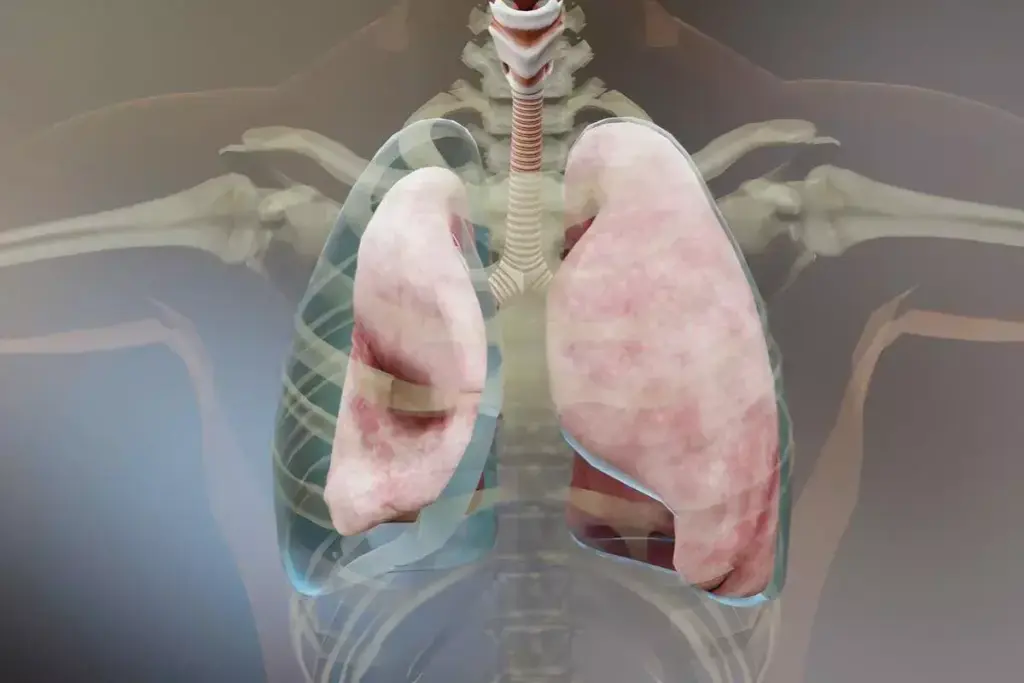
Lung capacity is key to knowing your respiratory health. It shows how well your lungs are working. Doctors use these measurements to find and track lung problems.
Key Lung Volume Measurements
There are two main lung volume tests: FEV1 and FVC. FEV1 checks if your airways are open. FVC shows how much air your lungs can hold. The FEV1 to FVC ratio is also important for spotting airway blockages.
Spirometry is a simple test that checks lung function. It measures how much air you can breathe in and out. This test helps diagnose asthma and COPD.
How Lung Capacity Is Tested
Spirometry is the main test for lung capacity. You’ll breathe deeply and then blow out as hard as you can into a tube. This tube is connected to a spirometer, which tracks your breath’s volume and speed.
The spirometry results, like FEV1 and FVC, are compared to expected values. These values depend on your age, sex, height, and ethnicity. Here’s a table showing how these measurements are presented:
| Measurement | Description | Normal Value |
| FEV1 | Forced Expiratory Volume in 1 second | 80-120% of predicted |
| FVC | Forced Vital Capacity | 80-120% of predicted |
| FEV1/FVC Ratio | Ratio of FEV1 to FVC | >70-85% |
Knowing about these measurements is important for both doctors and patients. It helps manage lung health and catch problems early.
Factors Leading to Decreased Lung Capacity

Decreased lung capacity comes from aging and physical traits. As we get older, our lungs change a lot. These changes can affect how well they work.
Natural Age-Related Changes in Lung Function
Starting at about age 35, lung function slowly goes down. This is because lung tissue gets less elastic and breathing muscles get weaker. Even if you’ve never smoked, forced vital capacity drops by about 0.2 liters every decade. This happens to both men and women, but at different rates.
Impact of Height and Body Composition
Height and body type greatly affect lung capacity. Taller people usually have bigger lungs. Being overweight can also limit lung expansion. Knowing how these factors affect lung health is key.
Gender Differences in Respiratory Function
Men and women have different lung capacities throughout life. Men generally have bigger lungs because of their size and muscle. Hormones and lifestyle also play a part in these differences.
Understanding these factors helps us take care of our lungs. This is important for our overall health.
Normal Lung Capacity Values by Age and Gender
Knowing normal lung capacity values is key for checking respiratory health in different ages and genders. Lung capacity, or total lung capacity (TLC), changes a lot between males and females and with age. These changes help doctors diagnose and treat breathing problems well.
Male vs. Female Total Lung Capacity
Studies show that healthy males have about 5700 milliliters of total lung capacity. Females have about 4200 milliliters. This difference comes from body size and muscle mass differences between genders. For example, a study found that Forced Vital Capacity (FVC) is usually higher in males than females at all ages.
“A healthy man aged 20-30 might have an FVC between 4 and 5 liters,” as seen in lung function tests. Women in the same age group usually have lower FVC values.
Lung Capacity in Young Adults (20-30 years)
In young adults, lung capacity is usually at its highest. Males aged 20-30 might have an FVC between 4 to 5 liters. Females in the same age group have lower FVC values, showing gender differences in lung size and capacity. For more details on lung function tests, visit Understanding Your Pulmonary Function Test: Normal Values by.
Middle-Age Lung Function (40-50 years)
As people get into middle age, lung capacity starts to go down slowly. Men aged 40 to 50 might have FVC values between 3.5 to 4.5 liters. Women in this age group also see a decline, but their values are lower than men’s. This decline is a natural part of aging, but it can be affected by smoking, environmental factors, and health.
Lung Capacity in Older Adults (60+ years)
In older adults, lung capacity keeps going down. Men over 60 might have FVC values between 3 to 4 liters. Older women usually have even lower values. This decrease in lung capacity is normal with aging, but big changes can mean there’s a breathing problem that needs medical help.
In summary, knowing normal lung capacity values by age and gender is very important for healthcare. It helps doctors check respiratory health accurately. By understanding these values, healthcare professionals can better diagnose and treat breathing problems, improving patient care.
Conclusion
Knowing about normal lung capacity is key for good breathing. Tests like spirometry help check lung health and find the right treatments.
Many things can lower lung capacity, like getting older, height, and body type. Knowing why can help people keep their lungs healthy.
Even though we need a certain lung capacity to live, a healthy lifestyle helps keep breathing strong. By understanding lung capacity, people can improve their breathing and feel better.
Living a healthy lifestyle can make a big difference in how we feel. Taking care of our lungs can make us feel more alive and radiant.
FAQ
What is normal lung capacity?
Normal lung capacity for a healthy adult is approximately 6 liters, though it varies significantly based on age, gender, and height.
How does age affect lung capacity?
As people age, lung tissue loses elasticity and respiratory muscles weaken, leading to a gradual decline in capacity starting in the mid-30s.
What is the difference in lung capacity between men and women?
Men generally have larger lung capacities than women due to larger thoracic cavities and greater height on average.
How is lung capacity measured?
Lung capacity is primarily measured using spirometry, where a patient breathes into a device that records the volume and speed of airflow.
What is the significance of FEV1 and FVC in assessing lung health?
FEV1 and FVC are crucial metrics used to determine if lungs are obstructed or restricted, helping to diagnose conditions like asthma or COPD.
How does height and body composition impact lung capacity?
Taller individuals usually have larger lungs, while excess body fat around the chest and abdomen can restrict the lungs from fully expanding.
What is considered a normal lung volume?
A normal lung volume is determined by comparing an individual’s test results against predicted values for their specific age, height, and ethnicity.
Can lifestyle changes improve lung capacity?
While you cannot increase the physical size of your lungs, regular exercise and quitting smoking significantly improve the efficiency of oxygen intake.
What are the consequences of decreased lung capacity?
Decreased lung capacity often leads to persistent shortness of breath, reduced physical stamina, and lower oxygen levels in the bloodstream.
References
National Center for Biotechnology Information. Evidence-Based Medical Insight. Retrieved from https://pubmed.ncbi.nlm.nih.gov/14680094/



 Departments
 Related Videos
 Our Doctors
 News
News