



Many people worry about losing their sharpness as they get older. Noticing memory changes can be scary for families and patients. Recent science shows that senile degeneration of the brain follows a clear path over years.
Dementia is a broad term for brain conditions, but senile brain degeneration means actual tissue loss. Knowing what is senile degeneration of the brain helps families get help early. This slow degeneration of brain tissue gives a chance for special support.
At Liv Hospital, we use top-notch tests and care with a focus on the patient. Our team tackles senile degeneration with plans tailored to each person. We think early detection is key to keeping your health and freedom for years.
Key Takeaways
- Dementia is a general category, while brain degeneration refers to specific physical changes.
- Neurological decline often follows a predictable progression spanning several decades.
- Early intervention offers the best opportunity to manage cognitive health effectively.
- Modern diagnostic protocols can identify brain changes before major symptoms appear.
- Liv Hospital provides international medical standards for complex neurological care.
- Personalized treatment plans help families navigate the challenges of aging with dignity.
Understanding What Is Senile Degeneration of the Brain
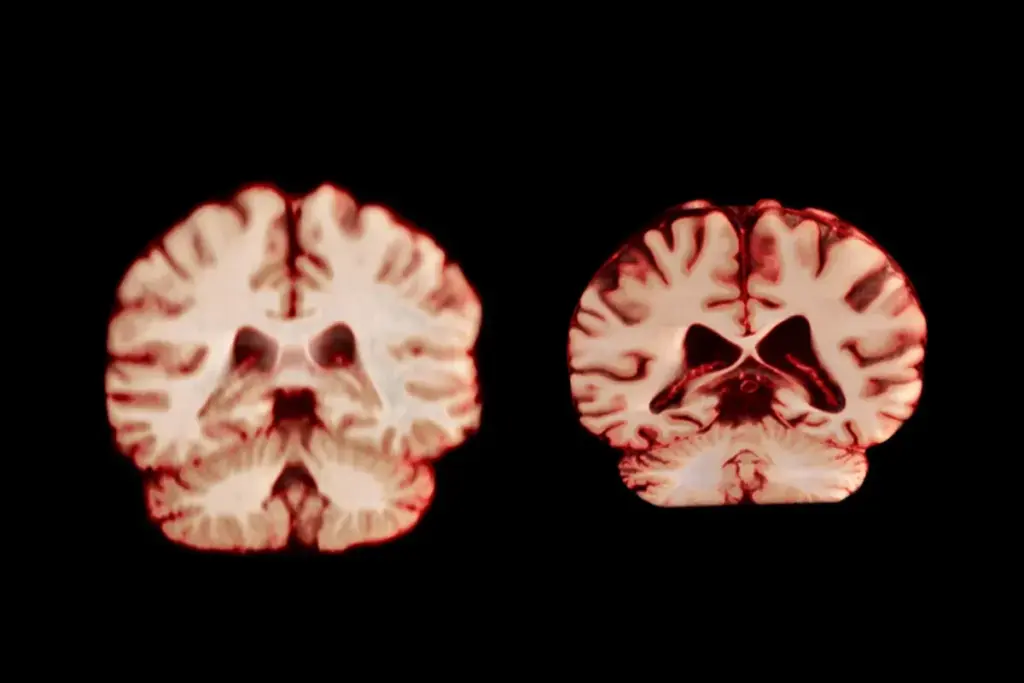
Senile degeneration of the brain is complex, involving many changes. As we get older, our brains naturally change, affecting how we think. But, senile degeneration is a deeper decline in thinking skills, greatly impacting our life quality.
Definition and Medical Context of Senile Brain Degeneration
Senile brain degeneration means a drop in thinking skills, like memory loss and problem-solving issues. It’s linked to aging but isn’t just a normal part of growing older. In medical terms, it’s often confused with dementia, but it’s more about brain changes.
Key aspects of senile brain degeneration include:
- Cognitive decline
- Memory loss
- Changes in behavior and personality
- Difficulty with daily activities
Causes and Risk Factors of Brain Degeneration
Many things can increase the risk of brain degeneration. These include:
| Risk Factor | Description |
| Age | The risk goes up a lot after 65. |
| Family History | Having dementia or Alzheimer’s in your family. |
| Lifestyle Factors | Smoking, not being active, and bad diet. |
| Medical Conditions | Diabetes, high blood pressure, and heart disease. |
Knowing these risk factors helps in preventing and treating early.
Senile Degeneration of the Brain Symptoms
The symptoms of brain degeneration vary. Common ones are:
Memory-related symptoms: Forgetting recent things, learning new stuff, or remembering names and words.
Daily activity challenges: Trouble with personal care, cooking, or handling money.
Spotting these symptoms early helps in getting the right medical help and support.
Key Differences Between Senile Degeneration and Dementia
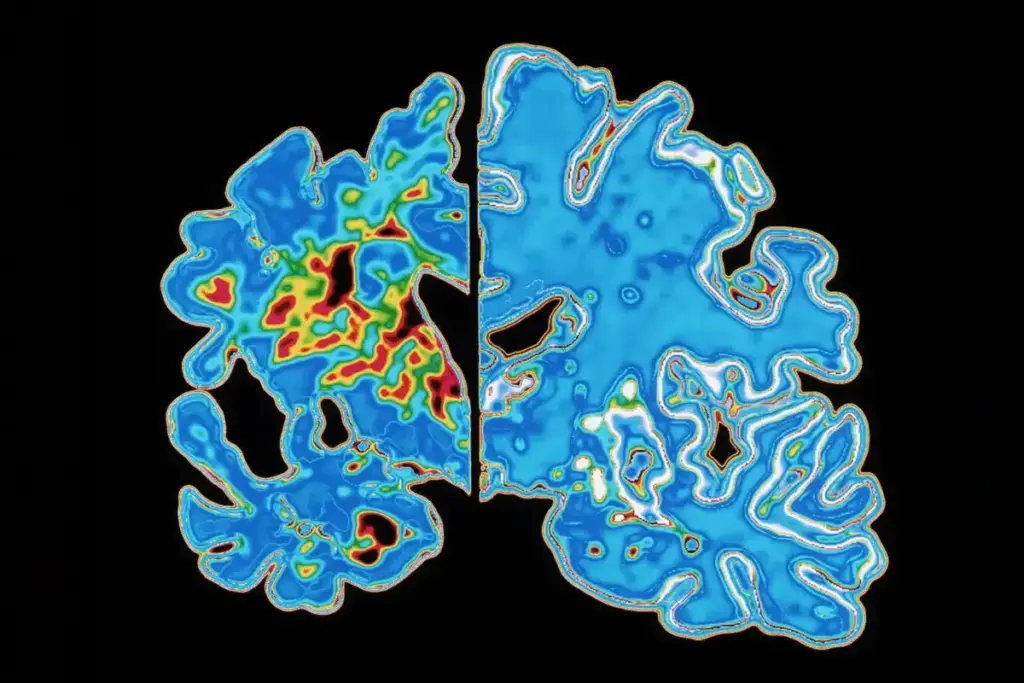
To understand the difference between senile degeneration and dementia, we need to look at their history and current definitions. We’ll explore the main differences between these two conditions. This includes their historical terms, modern medical classifications, and the impact of these diagnoses on patients.
Historical Terminology vs. Modern Medical Classification
In the past, “senile degeneration” was used to describe cognitive decline in older adults. But today, medicine uses more precise terms. Dementia is now seen as a syndrome caused by different diseases, with Alzheimer’s being the most common.
The change in medical terms shows a better understanding of these conditions. Today, doctors use specific criteria to diagnose different types of cognitive impairment.
Is Senility and Dementia the Same Thing?
Even though they’re often confused, senility and dementia are not the same. Senility is an old term for what we now call dementia. Dementia includes symptoms like memory loss, confusion, and trouble with communication and problem-solving.
It’s important to know that dementia is not just one disease. It’s a syndrome caused by different diseases or injuries. This makes diagnosing and treating it complex.
Clinical Implications and End-of-Life Considerations
The difference between senile degeneration and dementia is very important for care. Getting the right diagnosis is key for proper care and support. For those with dementia, knowing the cause helps manage symptoms and improve life quality.
End-of-life care for dementia patients needs a full approach. It should cover medical, emotional, and social needs for both patients and their families.
Conclusion
It’s important to know the difference between senile degeneration of the brain and dementia. This knowledge helps us give the right care and support to those affected. We’ve talked about what makes senile degeneration unique, like its causes, symptoms, and how it affects people.
Senile debility, linked to aging, can lead to worse cognitive problems. Spotting the signs early and knowing what causes senile degeneration can help doctors and caregivers. They can then offer better support and care.
For those with advanced senile degeneration, hospice care might be an option. This care is based on specific criteria for senile degeneration. We aim to provide top-notch healthcare and support to international patients, making sure they get the care they need.
By understanding the differences between senile degeneration and dementia, we can meet the needs of those affected better. This way, we can offer them the best care and support possible.
FAQ
What is Senile Degeneration of the Brain and how does it affect the body?
It refers to progressive age-related brain deterioration leading to memory loss, impaired thinking, and reduced physical functioning.
Is “senile” and Dementia the same in modern medical practice?
No, “senile” is an outdated general term, while dementia is a specific medical diagnosis describing cognitive decline.
What are the most common senile symptoms to look for?
Common signs include memory loss, confusion, difficulty with daily tasks, mood changes, and impaired judgment.
What is the clinical meaning of Senile Dementia today?
It is an older term historically used to describe dementia occurring in older adults, now replaced by specific diagnoses.
What is the primary cause of death in senile brain degeneration?
Death usually results from complications such as infections, malnutrition, or reduced mobility rather than the condition itself.
What are the hospice criteria for senile brain degeneration?
Criteria often include advanced cognitive decline, inability to perform daily activities, severe communication loss, and medical complications.
How can we explain the difference between senility and dementia to family members?
Senility is a non-specific, outdated term, whereas dementia is a defined medical condition with known causes and progression.
What is Senile Debility and how does it relate to brain health?
It refers to generalized physical and cognitive weakening in old age, often overlapping with or contributing to dementia-related decline.
References
National Institutes of Health. Evidence-Based Medical Insight. Retrieved from https://www.nia.nih.gov/health/alzheimers-and-dementia/understanding-different-types-dementia[8


 Departments
 Related Videos
 Our Doctors
 News
News


