

Understanding how a severe respiratory condition progresses is key to managing it well. Stage 3 COPD, or severe COPD, shows a big drop in lung function. This is seen when a person’s forced expiratory volume in one second (FEV1) is between 30 and 49 percent of what’s expected.
People with this condition face severe breathlessness, constant coughing, and more mucus. These symptoms make everyday activities hard. At this stage, it’s vital to get medical help and make lifestyle changes to improve life quality.
Managing this condition needs a focus on the patient, using the latest medical methods and care. Knowing the signs and symptoms of Stage 3 COPD helps both patients and their caregivers deal with its challenges.
Key Takeaways
- Stage 3 COPD is marked by a big drop in lung function.
- Symptoms include severe breathlessness, constant coughing, and more mucus.
- Getting medical help and making lifestyle changes are key.
- A patient-centered approach improves life quality.
- Understanding the condition helps patients and caregivers face its challenges.
What Is Stage 3 COPD: Diagnosis and Characteristics
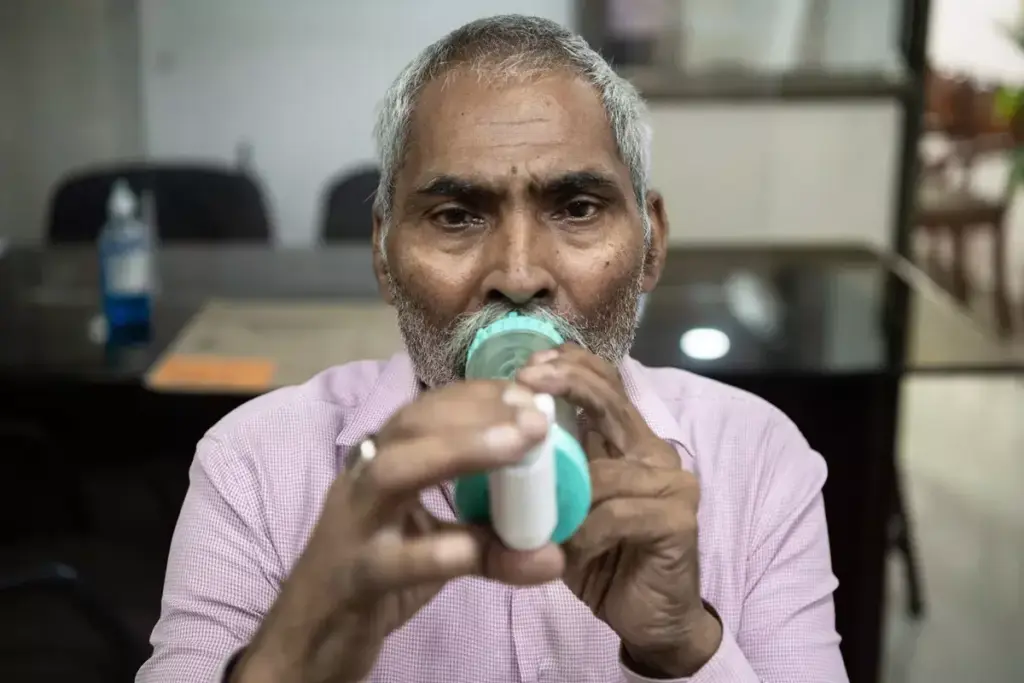
Stage 3 COPD is a serious condition. It’s diagnosed by looking at lung function and symptoms. These symptoms can really affect your daily life.
Defining Stage 3 COPD by Lung Function
To diagnose Stage 3 COPD, doctors use spirometry. This test checks how much air you can breathe out in one second. People with Stage 3 COPD can’t breathe out as much as they should.
The table below shows lung function for different COPD stages. It shows how serious Stage 3 is.
| COPD Stage | FEV1/FVC Ratio | FEV1 (% predicted) |
| Stage 1 | < 0.7 | ≥ 80% |
| Stage 2 | < 0.7 | 50-79% |
| Stage 3 | < 0.7 | 30-49% |
| Stage 4 | < 0.7 | < 30% |
Key Symptoms and Their Impact
People with Stage 3 COPD have severe symptoms. They might have trouble breathing, cough a lot, and make more mucus. These symptoms make everyday tasks hard.
The symptoms of Stage 3 COPD are not just uncomfortable. They also show how the disease is getting worse. It’s important to manage these symptoms well.
Exacerbations and Hospital Visits
Exacerbations, or flare-ups, happen often in Stage 3 COPD. They can make you need to go to the hospital. These events make symptoms worse than usual.
Knowing what causes flare-ups is important. Things like infections and air pollution can trigger them.
Progression from Stage 3 to End-Stage COPD

The move from Stage 3 to end-stage COPD is a big step down. It means lung function and health have worsened a lot. People may feel their life quality drop, with breathing getting harder and daily tasks becoming tougher.
Warning Signs of Advancing Disease
Spotting early signs of COPD getting worse is key. Look out for big weight loss, swelling in legs and ankles, hard breathing, and frequent lung infections. These signs mean the disease is moving forward and treatment might need to change.
Stage 4 COPD: Characteristics and Oxygen Levels
Stage 4 COPD, or end-stage, shows a big drop in lung function. People need oxygen to keep their blood oxygen levels up. This helps with breathing and improves life quality.
Stage 4 COPD is marked by:
| Characteristics | Description |
| FEV1 Percentage | Less than 30% predicted |
| Oxygen Therapy | Often required to maintain adequate oxygen levels |
| Respiratory Failure | May be present, indicating severe lung dysfunction |
Factors That Influence Disease Progression
Many things can speed up or slow down COPD. Smoking, pollution, other health issues, and following treatment plans are important. Quitting smoking is a big step to slow the disease.
Knowing what affects COPD helps people with the disease make better choices. This can slow the disease’s progress and improve life quality.
Conclusion: Life Expectancy and Management Strategies
Understanding Stage 3 COPD is key to managing it well. Life expectancy varies based on age, smoking history, and health. A good treatment plan can greatly improve life quality.
Managing COPD means using medication, pulmonary rehab, and lifestyle changes. Sticking to treatment and making these changes helps people stay active despite COPD.
Good management strategies are vital for a longer life with COPD. Working with healthcare providers and being proactive helps face the disease’s challenges.
Though COPD is tough, the right approach and support can make it manageable. This way, people can keep a good quality of life and live longer with COPD.
FAQ
What is Stage 3 COPD?
Stage 3 COPD is a severe form of chronic obstructive pulmonary disease. It makes everyday tasks hard because lung function is greatly reduced.
How is Stage 3 COPD diagnosed?
Doctors use spirometry to check lung function. This test measures the forced expiratory volume in one second (FEV1).
What are the symptoms of Stage 3 COPD?
People with Stage 3 COPD have severe symptoms. These include shortness of breath, chronic coughing, and more mucus.
What are exacerbations in COPD, and how common are they in Stage 3?
Exacerbations, or flare-ups, are when symptoms get worse. They are common in Stage 3 COPD and often lead to hospital visits.
How does COPD progress from Stage 3 to end-stage (Stage 4)?
COPD gets worse from Stage 3 to Stage 4. Symptoms worsen, including more shortness of breath and possible respiratory failure.
What are the warning signs that COPD is advancing?
Warning signs include significant weight loss, swelling, and breathing getting harder.
What factors influence the progression of COPD?
Disease progression is influenced by smoking, not following treatment, and environmental exposures.
What is the life expectancy with COPD, and how can it be managed?
Life expectancy with COPD varies. A good treatment plan, including medication and lifestyle changes, can improve life quality.
What are the characteristics of Stage 4 COPD, and what are the typical oxygen levels?
Stage 4 COPD has very severe lung impairment. It often needs supplemental oxygen, with very low oxygen levels.
Can COPD be managed effectively, and how?
Yes, COPD can be managed well. A good treatment plan includes medication, pulmonary rehab, and lifestyle changes.
References
National Center for Biotechnology Information. Evidence-Based Medical Insight. Retrieved from https://pmc.ncbi.nlm.nih.gov/articles/PMC3056681/