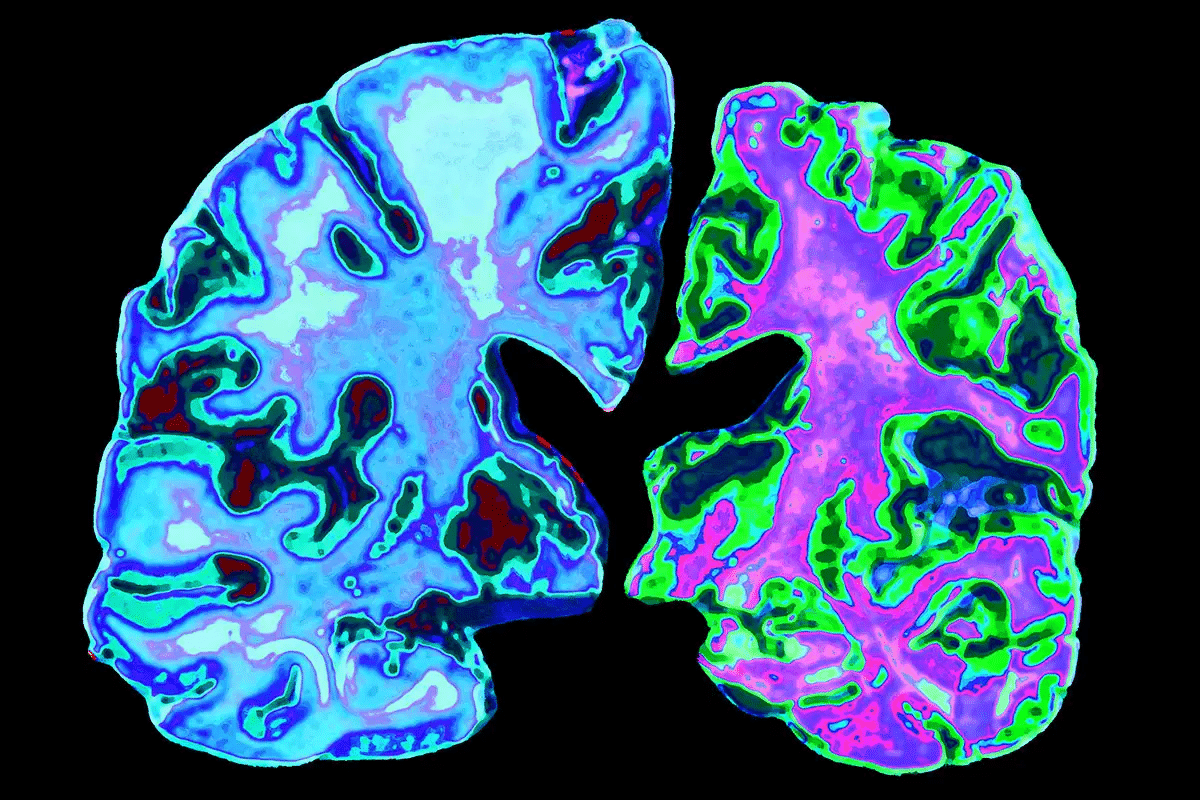
We answer: what is the best treatment for Alzheimer? This essential guide covers the most effective medications and therapies.
Alzheimer’s disease is a complex condition that affects millions globally. It is a progressive neurodegenerative disorder. Current treatments aim to modify the disease and manage symptoms.
Recent breakthroughs in disease-modifying therapies offer new hope for slowing cognitive decline. FDA-approved treatments like lecanemab and donanemab are game-changers when given early.
At Liv Hospital, we are dedicated to giving patients the latest treatments and care. We ensure each patient gets care tailored to their needs.
Key Takeaways
- Alzheimer’s disease is a complex and progressive neurodegenerative disorder.
- Disease-modifying therapies and symptom management are current treatment approaches.
- FDA-approved treatments like lecanemab and donanemab slow disease progression.
- Early administration of disease-modifying therapies is key.
- Liv Hospital provides personalized care and access to current evidence-based treatments.
Understanding Alzheimer’s Disease and Treatment Goals

It’s key to understand Alzheimer’s disease to create effective treatments. This disease is a progressive disorder that harms brain cells. It causes a decline in thinking, behavior, and social skills.
The Progressive Nature of Alzheimer’s Disease
Alzheimer’s disease is marked by amyloid and tau proteins in the brain. This causes permanent damage and various symptoms. It disrupts brain cells, leading to memory loss and cognitive decline.
As the disease gets worse, people may struggle with communication and daily tasks. Disease progression varies among individuals. Some decline slowly, while others deteriorate quickly. Tailoring treatments to each patient’s needs is vital.
Defining Treatment Success in Alzheimer’s
Success in treating Alzheimer’s means more than just slowing the disease. It’s about improving life quality for patients and caregivers. Effective treatment strategies include medicines, lifestyle changes, and support.
New treatments, like disease-modifying therapies, target Alzheimer’s causes. These therapies aim to reduce harmful proteins. Success is measured by keeping cognitive function, managing symptoms, and supporting patients and caregivers.
Current Approaches to Alzheimer’s Treatment

Alzheimer’s disease treatment has moved from just managing symptoms to focusing on changing the disease itself. This change comes from a better understanding of Alzheimer’s and new ways to treat it.
Disease-Modifying vs. Symptomatic Treatments
There are two main types of Alzheimer’s treatments. Symptomatic treatments help with the symptoms, making life better for patients. Disease-modifying therapies aim to change the disease itself, possibly slowing it down.
Disease-modifying therapies, like anti-amyloid monoclonal antibodies, are a big step forward. They target amyloid-beta plaques, a key part of Alzheimer’s. These treatments might slow down brain decline in early Alzheimer’s patients.
The Importance of Early Intervention
Starting treatment early is very important for Alzheimer’s. Anti-amyloid immunotherapy has shown it can slow brain decline in early stages. Early treatment can help prevent brain damage, giving patients a better chance to stay mentally sharp.
Every person with Alzheimer’s is different, so treatments must be personalized. By using a mix of disease-modifying and symptomatic treatments, doctors can create a plan that meets each patient’s needs.
FDA-Approved Medications for Alzheimer’s Disease
The FDA’s approval of Alzheimer’s medications is a big step forward. There are several FDA-approved medications now. They help manage Alzheimer’s symptoms.
Cholinesterase Inhibitors
Cholinesterase inhibitors keep acetylcholine levels in the brain steady. This neurotransmitter is key for memory and learning. Donepezil (Aricept), rivastigmine (Exelon), and galantamine (Razadyne) are common treatments for Alzheimer’s.
- Donepezil is used for all stages of Alzheimer’s, from mild to severe.
- Rivastigmine is available in oral and patch forms, making it flexible to use.
- Galantamine is known for its ability to improve cognitive function.
NMDA Receptor Antagonists (Memantine)
Memantine (Namenda) blocks NMDA receptors. This helps prevent damage from too much glutamate in Alzheimer’s patients. It’s often used for moderate to severe Alzheimer’s disease.
- Memantine can be used alone or with other Alzheimer’s medications.
- It helps improve daily functioning and slow symptom progression.
Combination Therapies
Using different types of Alzheimer’s medications together can be more effective. Combination therapy is often used for patients with moderate to severe Alzheimer’s.
Combination therapies have several benefits:
- They manage symptoms better.
- They may slow down disease progression.
- They can improve patients’ quality of life.
Breakthrough Anti-Amyloid Therapies
Anti-amyloid therapies are a big step forward in fighting Alzheimer’s disease. They aim to reduce amyloid plaques, which are key to the disease. This could slow or stop the disease from getting worse.
Lecanemab (Leqembi): Mechanism and Efficacy
Lecanemab, known as Leqembi, is a new treatment for early Alzheimer’s. It’s a monoclonal antibody that targets and removes amyloid beta plaques from the brain.
Key Findings:
- Significant reduction in amyloid plaque burden
- Slowing of cognitive decline in clinical trials
- Approval in over 45 countries globally
Donanemab: Clinical Trial Results and Approval Status
Donanemab is another promising monoclonal antibody. It targets amyloid plaques and has shown it can slow down cognitive decline in early Alzheimer’s patients.
|
Treatment |
Mechanism |
Efficacy |
Approval Status |
|---|---|---|---|
|
Lecanemab (Leqembi) |
Targets amyloid beta plaques |
Slows cognitive decline |
FDA approved; approved in over 45 countries |
|
Donanemab |
Targets amyloid plaques |
Slows cognitive decline |
Pending FDA approval; positive clinical trial results |
Other Monoclonal Antibody Treatments
Many other monoclonal antibody treatments are being developed. They target different parts of Alzheimer’s disease. Some focus on tau protein, another important part of the disease.
Future Directions:
- Combination therapies targeting multiple disease pathways
- Personalized medicine approaches based on genetic and biomarker profiles
- Ongoing research into novel targets for Alzheimer’s treatment
What Is the Best Treatment for Alzheimer’s Based on Disease Stage?
Treatment for Alzheimer’s works best when it matches the disease stage. As the disease gets worse, the patient’s needs change. Early diagnosis and treatment are key to managing Alzheimer’s well.
Early-Stage Alzheimer’s Treatment Options
In the early stages, we focus on keeping cognitive function sharp and slowing the disease. Cholinesterase inhibitors and memantine help manage symptoms. Lifestyle changes like exercise, a healthy diet, and mental stimulation are also important.
We also suggest joining clinical trials for new treatments. These might include anti-amyloid therapies, which show promise.
Middle-Stage Treatment Approaches
When Alzheimer’s reaches the middle stage, symptoms get worse, and daily tasks become hard. We use a mix of medicines and non-medical treatments. Cognitive stimulation therapy and physical exercise programs help keep skills sharp and improve life quality.
It’s also important to tackle any new behavioral or psychological symptoms. We use the right therapies or medicines for this.
Late-Stage Care Considerations
In the late stage, we focus on comfort and symptom management. Palliative care is key, ensuring patients get the pain relief and support they need. Caregivers are essential at this time, and we help them with resources and advice.
By tailoring treatments to each stage of Alzheimer’s, we can make a big difference. Our approach combines medical care, lifestyle changes, and support services. This way, we meet the complex needs of Alzheimer’s patients.
Non-Pharmacological Interventions for Alzheimer’s
Non-pharmacological interventions are key in managing Alzheimer’s disease. They help improve life quality for patients. These methods work alongside medicines.
Cognitive Stimulation Therapy
Cognitive Stimulation Therapy (CST) helps keep Alzheimer’s patients’ minds sharp. It includes activities that boost memory, language, and problem-solving skills.
Research shows CST can greatly improve cognitive function and life quality. It’s done in groups, which helps patients feel connected and supported.
“Cognitive Stimulation Therapy has been shown to be effective in improving cognitive function and quality of life in Alzheimer’s patients.”
– A research study on CST
Physical Exercise Programs
Physical exercise is vital for Alzheimer’s patients. It improves thinking skills, reduces depression, and boosts overall health.
A study review found that exercise slows down cognitive decline. It also helps with daily functions. It’s important to make exercise plans that fit each patient’s needs.
|
Exercise Type |
Benefits |
Examples |
|---|---|---|
|
Aerobic Exercise |
Improves cardiovascular health, enhances cognitive function |
Brisk walking, cycling, swimming |
|
Resistance Training |
Builds muscle strength, improves mobility |
Weightlifting, resistance band exercises |
|
Flexibility and Balance Exercises |
Enhances flexibility, reduces fall risk |
Yoga, tai chi |
Dietary and Lifestyle Modifications
Eating right and living healthy are important for Alzheimer’s management. A diet full of fruits, veggies, whole grains, and lean proteins helps overall health. It might even slow down the disease.
The Mediterranean diet is good for Alzheimer’s patients. It focuses on whole foods, healthy fats, and less processed foods and sugar.
- Include a variety of fruits and vegetables in the diet
- Choose whole grains over refined grains
- Use healthy fats like olive oil
- Limit intake of processed and high-sugar foods
By adding these non-pharmacological methods to care plans, we can greatly improve life for Alzheimer’s patients and their caregivers.
Managing Behavioral and Psychological Symptoms
Managing symptoms like agitation, depression, and sleep issues is key in Alzheimer’s care. These symptoms greatly affect the lives of patients and their caregivers.
Non-Drug Approaches to Behavior Management
Non-pharmacological methods are essential in managing symptoms. We can start by making the environment calm and comfortable. This means reducing noise, ensuring good lighting, and keeping a regular daily routine.
Cognitive stimulation therapy is also effective. It involves activities that boost memory and thinking, like puzzles, games, and talks about the past.
Physical exercise is also helpful. It can lessen agitation and improve mood. Simple activities like walking or stretching can be tailored to the patient’s abilities.
Medications for Agitation, Depression, and Sleep Disturbances
While non-drug methods are preferred, sometimes medications are needed. For agitation, antipsychotic medications might be used, but with caution due to side effects.
Antidepressants help with depression, which is common in Alzheimer’s patients. SSRIs are often chosen because they have fewer side effects.
Sleep issues can be tackled with behavioral changes and, if needed, sleep-promoting medications. It’s important to watch how the patient reacts to any medication and make changes as needed.
By using non-drug methods and carefully chosen medications, we can manage symptoms in Alzheimer’s patients. This improves their overall well-being and quality of life.
Emerging Treatments in Clinical Trials
The future of Alzheimer’s treatment looks bright with a strong pipeline of drugs. By 2025, there are 138 drugs in 182 clinical trials. This gives hope to those affected by Alzheimer’s.
The 2025 Alzheimer’s Drug Development Pipeline
The pipeline for Alzheimer’s treatments is wide-ranging. 138 drugs are being tested in 182 clinical trials. This shows a big push to find effective treatments. The trials cover more than just disease-modifying therapies.
They also focus on managing symptoms and improving life quality. The variety in the pipeline is a positive sign. It shows different ways to tackle the disease.
Promising Candidates in Phase 2 and 3 Trials
Phase 2 and 3 trials hold some of the most promising candidates. Lecanemab (Leqembi) and Donanemab are monoclonal antibodies. They target amyloid plaques and show promise in slowing disease progression.
Other candidates focus on tau protein, inflammation, and synaptic dysfunction. Their progress is closely monitored. They could bring new treatment options soon.
Novel Treatment Approaches Beyond Amyloid
While amyloid-targeting therapies get a lot of attention, other approaches are being explored. These include therapies targeting tau, inflammation, and vascular factors. This shows a broader understanding of Alzheimer’s disease.
Therapies aimed at improving synaptic function and neuronal health are also being developed. These treatments aim to address the complex nature of Alzheimer’s. They are based on the latest research.
As research deepens, the treatments in clinical trials offer hope. They could lead to better patient outcomes and change how we treat Alzheimer’s.
Personalized Medicine in Alzheimer’s Treatment
Personalized medicine is changing how we treat Alzheimer’s. It tailors treatments to fit each patient’s needs. This method considers a patient’s genes, medical history, and lifestyle.
Genetic Factors Influencing Treatment Response
Genetics greatly affect how a patient responds to Alzheimer’s treatment. Some genetic variants can change how drugs work. This can make them more or less effective.
Genetic testing can show which treatments will work best for a patient. For example, knowing a patient’s APOE genotype can guide treatment choices. Understanding a patient’s APOE genotype can help clinicians make more informed treatment decisions.
Biomarkers and Treatment Selection
Biomarkers are key in personalized Alzheimer’s treatment. They include proteins in the brain that show how the disease is progressing. This information helps doctors choose the right treatment.
Doctors can group patients based on biomarkers. This helps target treatments more effectively. For instance, those with amyloid buildup might get anti-amyloid drugs.
|
Biomarker |
Treatment Implication |
Clinical Utility |
|---|---|---|
|
Amyloid-beta |
Patients with high amyloid burden may benefit from anti-amyloid therapies. |
Identifies candidates for specific treatments. |
|
Tau protein |
High tau levels may indicate more aggressive disease progression. |
Helps in assessing disease severity and prognosis. |
|
APOE ε4 |
Influences response to certain treatments and disease risk. |
Guides treatment decisions and risk assessment. |
As we move forward in personalized medicine for Alzheimer’s, using genetics and biomarkers will get better. This will lead to more effective and tailored treatments.
Barriers to Optimal Alzheimer’s Treatment
Despite big steps in Alzheimer’s research, many hurdles block the best treatment. We must tackle these challenges to better care for patients.
Access and Cost Considerations
Access and cost are big hurdles in treating Alzheimer’s. New treatments, like monoclonal antibodies, are pricey. Many can’t afford them, mainly those with less money or bad insurance.
“The cost of Alzheimer’s treatment is not just financial; it also includes the emotional and time-related costs borne by patients and their caregivers,” as noted by Alzheimer’s experts. We must think about these costs when choosing treatments.
Side Effects and Treatment Tolerability
Side effects of Alzheimer’s treatments are another big problem. Many patients face bad reactions that hurt their life quality and treatment follow-through. For example, some treatments can cause amyloid-related imaging abnormalities (ARIA), worrying both patients and doctors.
We must carefully look at each treatment’s benefits and risks. Personalized medicine approaches can help reduce side effects and make treatments more bearable.
Healthcare System Challenges
The healthcare system’s setup and size are key to giving the best Alzheimer’s care. Bad coordination between healthcare providers can cause broken care, and not enough specialist access can slow down diagnosis and treatment.
We need to improve healthcare system challenges. This means better coordination, more specialist care, and support systems for patients and caregivers.
Overcoming these barriers will need a team effort from policymakers, healthcare workers, and the drug industry. Together, we can make life better for Alzheimer’s patients.
Integrating Care: Comprehensive Treatment Plans
Integrating care through comprehensive treatment plans is key for Alzheimer’s patients. A multi-faceted approach is essential for managing Alzheimer’s effectively.
Comprehensive treatment plans mean coordinating medical and support services for holistic care. This ensures all aspects of a patient’s health are covered, from medical to social support.
Coordinating Medical and Support Services
Effective coordination of medical and support services is vital for Alzheimer’s patients. This includes:
- Regular medical check-ups to monitor disease progression and adjust treatments as necessary.
- Access to various therapies, such as physical, occupational, and speech therapy, to maintain functional abilities.
- Support services, including counseling for patients and their families, to address emotional and psychological needs.
The Role of Caregivers in Treatment Success
Caregivers play a vital role in the success of Alzheimer’s treatment. They support with daily activities, medication, and emotional support. We recognize caregivers as the backbone of Alzheimer’s care, and their role is not to be underestimated.
To support caregivers, providing necessary resources and education is essential. This includes:
- Training on managing Alzheimer’s symptoms and behaviors.
- Access to respite care to prevent burnout.
- Support groups to share experiences and receive emotional support.
Quality of Life Considerations
Improving and maintaining the quality of life for Alzheimer’s patients is critical. This involves medical treatment and ensuring patients can engage in meaningful activities and maintain their dignity.
Quality of life considerations include:
- Encouraging social interaction and engagement in activities that bring joy.
- Modifying living environments to ensure safety and comfort.
- Addressing nutritional needs and promoting a healthy diet.
By integrating these elements into treatment plans, we can significantly improve the lives of Alzheimer’s patients and their caregivers.
Conclusion: The Future of Alzheimer’s Treatment
As we face the challenges of Alzheimer’s disease, the outlook is hopeful. Ongoing research and new therapies are on the horizon. This gives new hope to patients and their families.
New treatments, like anti-amyloid therapies, are making a big difference. Other treatments, like monoclonal antibodies, are also being tested. These steps forward are exciting.
Personalized medicine is set to change how we treat Alzheimer’s. Genetic factors and biomarkers will help choose the right treatment. This means treatments will get better and more precise.
We’re excited about the progress in Alzheimer’s research. With continued support, we’re likely to see major breakthroughs soon. It’s vital to keep funding research and trials to help those with this disease.
FAQ
Is there a cure for Alzheimer’s disease?
No, there’s no cure for Alzheimer’s yet. But, there are treatments to manage symptoms and slow the disease.
What are the current treatment options for Alzheimer’s disease?
Treatments include FDA-approved drugs like cholinesterase inhibitors and memantine. Non-drug methods like cognitive therapy and exercise are also used.
How do disease-modifying therapies work in Alzheimer’s treatment?
These therapies, like lecanemab and donanemab, target the disease’s causes. They aim to slow down the disease’s progress.
What is the role of early intervention in Alzheimer’s treatment?
Early treatment is key. It can greatly improve patient outcomes and slow the disease’s spread.
Can Alzheimer’s disease be treated with non-pharmacological interventions alone?
Non-drug methods can help manage symptoms. But, they work best when used with medications.
Are there any new treatments in development for Alzheimer’s disease?
Yes, new treatments like monoclonal antibodies are being tested. They aim to tackle the disease in new ways.
How does personalized medicine play a role in Alzheimer’s treatment?
Personalized medicine tailors treatments to each patient. It considers genetic factors and biomarkers for better results.
What are the challenges in accessing optimal Alzheimer’s treatment?
Challenges include cost, side effects, and healthcare system issues. These can make getting the best care hard.
How can caregivers contribute to Alzheimer’s treatment success?
Caregivers are essential. They help manage symptoms and ensure patients stick to their treatment plans.
What is the best treatment for Alzheimer’s disease based on disease stage?
Treatment varies by disease stage. Early, middle, and late-stage treatments are tailored to each patient’s needs.
Are there any breakthrough therapies for Alzheimer’s disease?
Yes, therapies like lecanemab and donanemab are showing promise. They aim to slow the disease’s progression.
References
National Center for Biotechnology Information. Evidence-Based Medical Guidance. Retrieved from https://pubmed.ncbi.nlm.nih.gov/40442885/