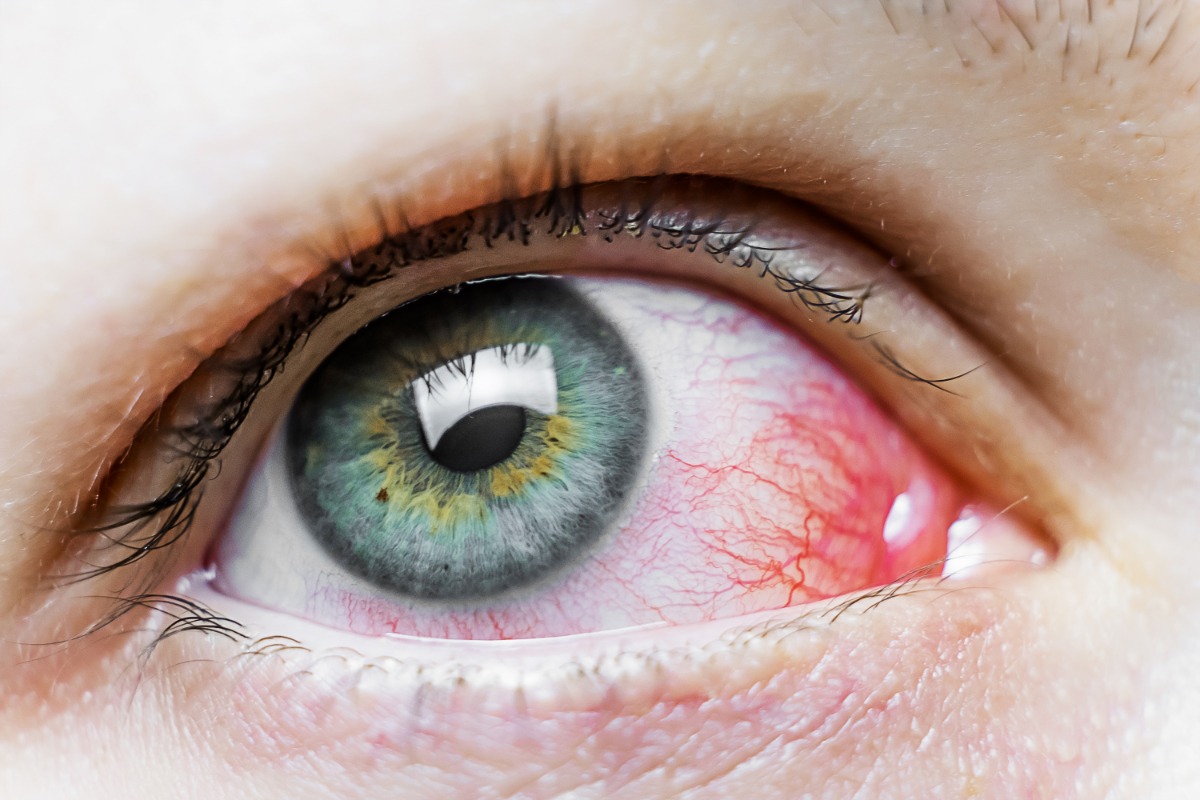
Eye allergies, also known as allergic conjunctivitis, affect about 15 to 20% of people worldwide. Recent studies show that more people are getting eye allergies. This makes it a common problem doctors see a lot what to do you severe eye allergies.
Dealing with severe eye allergy can be really tough. Symptoms can be mild or very uncomfortable. This can really mess up your day. In this article, we’ll look at seven ways to help with eye allergy symptoms and make your eyes feel better.
Key Takeaways
- Understanding the causes and symptoms of allergic conjunctivitis
- Exploring seven evidence-based treatments for itchy eyes allergies relief
- Learning how to manage and relieve severe eye allergy symptoms
- Discovering the importance of proper diagnosis and treatment
- Finding relief from the discomfort and frustration caused by eye allergies
Understanding Severe Eye Allergies
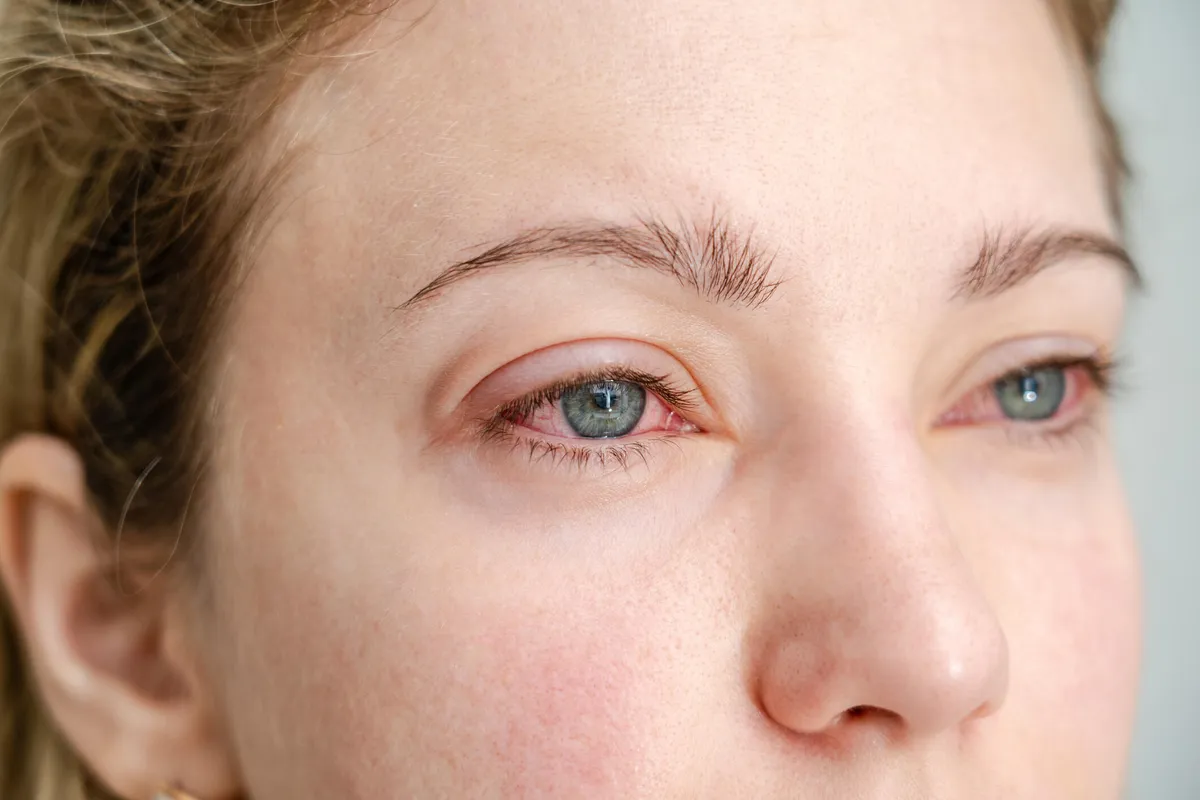
Eye allergies, also known as allergic conjunctivitis, are common and can really affect your life. When your eyes meet an allergen, your body’s immune system kicks in. It releases histamines, causing inflammation and uncomfortable symptoms.
What Is Allergic Conjunctivitis?
Allergic conjunctivitis is an inflammation of the conjunctiva. This thin membrane covers the white part of your eye and the inside of your eyelids. It happens when your immune system overreacts to an allergen, releasing histamines. This leads to itching, redness, and watery eyes.
About 40 to 60% of people with allergies have eye symptoms. The condition can be seasonal, perennial, or chronic, depending on the allergen and your sensitivity.
Prevalence and Global Impact
Eye allergies are a big health issue worldwide, affecting people of all ages. Studies show that allergic conjunctivitis affects a lot of people at some point in their lives.
This condition isn’t just in certain places; it’s a global issue. It’s influenced by things like pollen counts, air pollution, and allergens like dust mites and pet dander.
“Allergic conjunctivitis is a major public health concern due to its high prevalence and impact on quality of life,” highlighting the need for effective management strategies.
Types of Eye Allergies
There are several types of eye allergies, each with its own triggers and characteristics. Knowing these differences is key to managing and treating them effectively.
- Seasonal Allergic Conjunctivitis (SAC): This is the most common type, triggered by seasonal allergens like pollen.
- Perennial Allergic Conjunctivitis (PAC): This type happens all year, caused by allergens like dust mites, pet dander, and mold.
- Vernal Keratoconjunctivitis (VKC): A more severe form, often affecting children and young adults, mainly in spring and summer.
- Contact Allergic Conjunctivitis: This is caused by allergic reactions to substances like makeup, contact lens solutions, or eye drops.
Knowing the specific type of eye allergy you have is important. It helps in creating an effective treatment plan and reducing symptoms.
Common Symptoms of Severe Eye Allergies
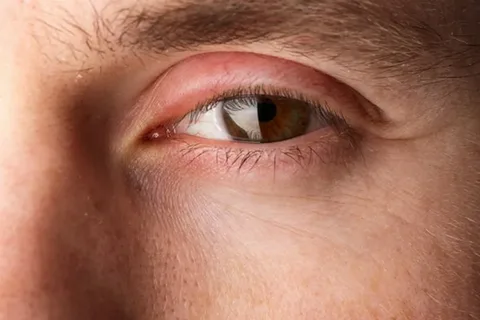
Knowing the symptoms of severe eye allergies is key to managing them well. These allergies can make your eyes and overall health uncomfortable.
Primary Symptoms: Itching, Redness, and Tearing
The main signs of severe eye allergies are itching, redness, and excessive tearing. These happen because of histamine and other chemicals in the eyes. Rubbing your eyes can make it worse.
Secondary Symptoms: Burning and Light Sensitivity
People with severe eye allergies might also feel a burning sensation and be sensitive to light. These can make everyday tasks hard, like being in bright places or focusing on things.
Differentiating from Other Eye Conditions
It’s important to tell the difference between severe eye allergies and other eye problems. Conditions like conjunctivitis or dry eye syndrome might seem similar but need different treatments. Seeing an eye doctor is the best way to figure out what’s wrong and get the right help.
Understanding the symptoms of severe eye allergies helps you deal with them better. Knowing the signs is the first step to managing your condition and improving your life.
What Causes Severe Eye Allergies?
Severe eye allergies come from a mix of genetics and environmental triggers. Knowing what causes them helps us find better ways to manage them.
Environmental Allergens: Pollen, Dust, and Pet Dander
Environmental allergens are a big reason for severe eye allergies. Some common ones are:
- Pollen: Trees, grasses, and weeds release pollen, which can make allergy symptoms worse during certain times of the year.
- Dust Mites: These tiny creatures live in dust, often in places like bedding, carpets, and furniture.
- Pet Dander: Proteins from pets’ skin, saliva, and urine can get airborne and cause allergic reactions.
Seasonal Factors and Climate Influence
Seasons and climate can change how often and how bad eye allergies are. For example:
- Spring and Summer: When plants bloom, pollen counts go up, making allergies worse.
- Climate Change: Changes in weather can affect how much pollen is made and spread, making allergies worse.
An expert said, “Climate change is changing when and how much pollen is around, making allergies worse.”
“The changing climate is not just affecting the environment; it’s also having a significant impact on public health, specially for those with allergies.”
Genetic Predisposition and Risk Factors
Genetics play a big part in eye allergies. If your family has allergies, you might get them too. Also, being prone to allergies can make you more likely to get eye allergies.
Knowing what causes eye allergies helps us avoid triggers and manage symptoms better.
How Severe Eye Allergies Impact Daily Life
Severe eye allergies are more than a minor annoyance. They can deeply affect your quality of life. The discomfort, itching, and redness can distract and weaken you, lowering your productivity and happiness.
Effects on Vision and Physical Comfort
Severe eye allergies can really mess with your vision and comfort. Symptoms like itching, redness, and tearing can stick around, making simple tasks hard. For example, reading or using digital devices can become a chore.
Also, the discomfort can make you more sensitive to light. This can make everyday tasks, like going outside or being in bright places, feel like a big deal.
Psychological and Social Impacts
The psychological effects of severe eye allergies are real. The constant discomfort and visible signs can make you feel embarrassed or self-conscious. This can hurt your social life and mental health.
People might stay away from social events or outdoor activities during allergy season. This can lead to feeling isolated or having a lower quality of life. The emotional strain of dealing with severe eye allergies is big, so it’s key to tackle both the physical and mental sides.
Productivity and Quality of Life Concerns
Research shows that 30.5% of people with eye allergies find it hard to live their daily lives. The symptoms can make it tough to work or study, which can hurt your career or school performance.
Even simple tasks can be a challenge, and your overall life quality suffers. Finding good relief is key to getting back to normal and improving your daily life.
|
Impact Area |
Effects of Severe Eye Allergies |
|---|---|
|
Vision and Physical Comfort |
Itching, redness, tearing, light sensitivity |
|
Psychological and Social |
Embarrassment, self-consciousness, social avoidance |
|
Productivity and Quality of Life |
Reduced productivity, impacted daily activities |
What to Do for Severe Eye Allergies: A Complete Guide
Dealing with severe eye allergies needs a plan that covers both quick fixes and long-term care.
Immediate Relief vs. Long-Term Management
It’s key to know the difference between quick fixes and long-term plans for severe eye allergies. Quick fixes help ease symptoms right away. Long-term plans aim to lessen how often and how bad the allergies get.
Quick fixes include using antihistamine eye drops, cold compresses, and staying away from things that make allergies worse. These steps help reduce itching, redness, and swelling fast.
Combining Multiple Treatment Strategies
Using many treatments together is often the best way to get good results. This mix can include over-the-counter (OTC) meds, prescription drugs, and even things like immunotherapy.
Medical Expert, an allergist, says, “Mixing different treatments can really help people with severe eye allergies live better lives.”
Creating Your Personalized Relief Plan
It’s important to make a plan that’s just for you to manage severe eye allergies. This means figuring out what makes your allergies worse, knowing your symptoms, and picking the best treatments.
Working with a doctor helps you make a plan that fits your needs perfectly.
When making your plan, think about:
- Staying away from things that trigger your allergies
- Using both OTC and prescription meds
- Trying alternative treatments like immunotherapy
- Making lifestyle changes to avoid allergens
By taking a complete approach and making a plan that’s just for you, you can manage your severe eye allergies better. This will improve your life a lot.
Solution 1: Over-the-Counter Antihistamine Eye Drops
Severe eye allergies can be managed with OTC antihistamine eye drops. They offer quick relief from itching and redness. These drops are a common first-line treatment for eye allergy discomfort.
How Antihistamines Combat Eye Allergies
Antihistamine eye drops block histamines, which cause allergic reactions. When an allergen enters the eye, histamines are released. This leads to itching, tearing, and redness.
By countering histamines, these drops reduce symptoms. They help those with allergy itching eyes and other discomforts.
Top-Rated OTC Brands and Their Differences
Several top-rated OTC brands offer antihistamine eye drops. Each has its unique formulation and benefits. Some of the most popular include:
|
Brand |
Active Ingredient |
Relief Duration |
|---|---|---|
|
Zaditor |
Ketotifen |
12 hours |
|
Visine-A |
Naphazoline and Pheniramine |
8 hours |
|
Alaway |
Ketotifen |
12 hours |
Understanding these differences helps choose the best product for your needs.
Proper Application Techniques for Maximum Effectiveness
To get the most from OTC antihistamine eye drops, follow proper application. Here are some steps for maximum effectiveness:
- Wash your hands before handling the eye drops.
- Tilt your head back and pull down the lower lid to create a pocket.
- Instill one drop into the pocket, then release the lid and close your eyes.
- Apply gentle pressure to the inner corner of your eye for a minute to prevent the medication from draining into the tear duct.
By following these steps and using OTC antihistamine eye drops as directed, you can get significant relief from tears allergy and other symptoms.
Solution 2: Prescription Medications for Severe Cases
When over-the-counter remedies don’t work, prescription medications can help. They are strong treatments for severe eye allergies. These can offer a lot of relief for those with intense symptoms.
When to Upgrade from OTC Options
If OTC eye drops or pills don’t help, it’s time to see an eye doctor. Persistent symptoms like intense itching, redness, and tearing that bother your daily life or sleep mean you need stronger medicine.
Also, if you have severe eye discomfort, vision problems, or use OTC meds a lot without feeling better, see a doctor. They can check if you need prescription medication.
Types of Prescription Eye Drops
There are many prescription eye drops for severe allergies. Each type targets different symptoms. Here are a few:
- Mast cell stabilizers: They stop histamine and other mediators that cause allergies.
- Combination antihistamine and mast cell stabilizers: They give quick relief and long-term prevention.
- Anti-inflammatory drops: For when inflammation is a big part of the allergy symptoms.
Oral Medications for Systemic Relief
Oral meds can also help with severe eye allergy symptoms. They include:
- Oral antihistamines: They help with allergy symptoms all over, including the eyes.
- Leukotriene modifiers: Another type of oral medication for allergies.
Oral meds are good for when eye allergy symptoms are part of a bigger allergy problem. But, always use them with a doctor’s advice because of possible side effects.
Knowing about prescription options and talking to an eye doctor can help those with severe eye allergies. This way, they can find better relief and live better.
Solution 3: Cold Compresses and At-Home Remedies
Eye allergies can be really tough, but there are ways to feel better at home. Cold compresses are one simple way to help. They work well with doctor’s treatments to make you feel more comfortable.
Creating an Effective Cold Compress
A cold compress can ease the itch and swelling from severe eye allergies. Just wet a cloth with cold water, wring it out, and put it on your closed eyes. For more relief, chill the cloth in the fridge before using it.
For better relief, try a gel pack made for eye care. These packs get cold in the freezer and stay cold longer. Always cover the gel pack with a cloth to protect your skin.
Natural Remedies with Scientific Support
Some natural remedies can help with irritated eyes from allergies. Chamomile tea is one. It has anti-inflammatory properties that can calm itchy eyes. Just cool a chamomile tea bag and apply it to your eyes.
Omega-3 fatty acids in fish oil supplements are another option. They can reduce inflammation and help with itchy eyes caused by allergies. But, always talk to a doctor before starting any new supplements.
|
Remedy |
Benefits |
Application |
|---|---|---|
|
Cold Compress |
Reduces swelling and itching |
Apply chilled cloth or gel pack to closed eyes |
|
Chamomile Tea |
Soothes itchy eyes with anti-inflammatory properties |
Apply cooled tea bag to eyes |
|
Omega-3 Fatty Acids |
Reduces inflammation |
Take as a supplement after consulting a healthcare provider |
Application Methods and Frequency
How often you use these remedies can change. Cold compresses can be used as needed, a few times a day. Chamomile tea bags are good once or twice a day. Omega-3 supplements should be taken as your doctor advises.
It’s important to keep things clean to avoid making things worse. Wash your hands before touching your eyes. Make sure any cloths or tea bags are clean.
Solution 4: Allergen Avoidance Strategies
To fight eye allergy symptoms, it’s key to know and avoid certain allergens. By figuring out what causes your allergies, you can lessen your exposure. This helps reduce how bad your symptoms are.
Identifying Your Specific Triggers
Finding out what makes your eyes itch is the first step. Common culprits include pollen, dust mites, pet dander, and mold. Keeping a diary of your symptoms can help you spot patterns and link them to possible allergens.
Common Allergy Triggers:
- Pollen from trees, grasses, and weeds
- Dust mites in household dust
- Pet dander from cats and dogs
- Mold spores indoors and outdoors
Home Environment Modifications
Changing your home to reduce allergens is important. Simple steps can greatly help your eye allergy symptoms.
|
Modification |
Description |
Benefit |
|---|---|---|
|
Use HEPA Filters |
Install HEPA air purifiers in your home |
Reduces airborne allergens like pollen and dust |
|
Regular Cleaning |
Frequently vacuum and dust surfaces |
Minimizes dust mites and pet dander |
|
Remove Carpets |
Replace carpets with hardwood or tile flooring |
Reduces accumulation of allergens |
Allergy experts say, “Making your home allergen-friendly can really help with eye allergy symptoms. It can also improve your life quality.”
“The key to managing eye allergies is understanding your specific triggers and taking proactive steps to avoid them.”— Medical Expert, Allergist
Outdoor Precautions During High Pollen Seasons
When pollen is high, being careful outside is important. Wearing sunglasses and knowing the pollen count can help a lot.
Outdoor Precautions:
- Wear wraparound sunglasses to prevent pollen from reaching your eyes
- Check daily pollen counts and stay indoors when counts are high
- Avoid rubbing your eyes, as this can exacerbate symptoms
By using these strategies, you can cut down on allergen exposure. This helps lessen eye allergy symptoms. Remember, managing eye allergies involves avoiding allergens, using the right meds, and keeping your eyes clean.
Solution 5: Proper Eye Hygiene Practices
Good eye hygiene is key to managing severe eye allergies. Simple practices in your daily routine can help ease symptoms and boost eye health.
Eyelid Cleaning Techniques
Cleaning your eyelids right is vital to get rid of allergens and irritants. This can help lessen eye allergy symptoms. Here’s how to do it:
- Use a gentle, fragrance-free cleanser made for the eye area.
- Massage the cleanser on your closed eyelids with a cotton swab.
- Rinse your eyelids with warm water and pat dry with a clean towel.
Tip: Regular eyelid cleaning can lower the chance of infection and improve eye health.
Contact Lens Considerations for Allergy Sufferers
For those who wear contact lenses, managing eye allergies needs extra attention. Here are some tips:
- Try daily disposable lenses to cut down on allergen buildup.
- Use lubricating eye drops that work with your contact lenses to ease discomfort.
- Try not to wear contact lenses during peak allergy seasons if you can.
It’s important to listen to your eye care professional’s advice on contact lens use during allergy season.
Makeup Tips to Minimize Allergic Reactions
If you wear makeup, there are ways to lower the risk of allergic reactions:
- Choose hypoallergenic, fragrance-free makeup products.
- Don’t share makeup or use expired products.
- Remove makeup gently and completely, before bedtime.
By following these eye hygiene tips, you can lessen severe eye allergy symptoms and enhance your eye health. If your symptoms don’t get better or get worse, see an eye care professional for advice tailored to you.
Solution 6: Immunotherapy for Long-Term Relief
Severe eye allergy sufferers can find hope in immunotherapy. It’s a treatment designed to reduce symptoms over time. Immunotherapy desensitizes the immune system to specific allergens, making symptoms less severe.
How Allergy Shots Target Eye Symptoms
Allergy shots are a form of immunotherapy. They involve regular injections of small amounts of the allergen. This helps the immune system become less sensitive, reducing eye allergy symptoms.
The goal is to achieve long-term tolerance. This means less need for medication and fewer allergic reactions.
Sublingual Immunotherapy Options
For those who don’t like injections, sublingual immunotherapy is an option. It involves placing a tablet or liquid under the tongue. This contains a small amount of the allergen.
Sublingual immunotherapy has been shown to be effective. It can reduce symptoms of allergic conjunctivitis and other allergies.
Candidacy Assessment and Effectiveness Rates
Not everyone is a good candidate for immunotherapy. A healthcare professional must assess each person. They consider factors like allergy severity, health, and specific allergens.
Effectiveness rates vary. But studies show it can greatly reduce allergy symptoms.
Understanding immunotherapy and assessing candidacy can help those with severe eye allergies. This long-term relief solution can greatly improve their quality of life.
Solution 7: Anti-Inflammatory Diet and Supplements
An anti-inflammatory diet and supplements can help with eye allergy discomfort. Making smart food choices can boost your treatment plan and eye health.
Foods That Fight Eye Inflammation
Foods high in omega-3s, antioxidants, and nutrients can ease eye allergy symptoms. Fatty fish like salmon and sardines are great for omega-3s, which fight inflammation. Leafy greens, such as spinach and kale, are full of antioxidants that protect the eyes.
Berries, nuts, and seeds are also good for the eyes. They’re full of vitamins and minerals. A diet rich in fruits, vegetables, and omega-3s can lower eye disease risk, a study found.
Beneficial Supplements with Research Support
Some supplements can help eye health and allergy symptoms. Omega-3 fatty acid supplements fight inflammation. Probiotics boost gut health, which is key for the immune system.
- Vitamin A: Keeps the cornea healthy, the clear layer on the eye’s front.
- Quercetin: Acts as a natural antihistamine to lessen allergy symptoms.
- Zinc: Important for retina health and immune system support.
Foods and Beverages to Avoid During Allergy Season
Stay away from foods and drinks that make inflammation and symptoms worse during allergy season. Dairy products and processed foods can increase mucus and inflammation, making symptoms worse.
Sugary drinks and foods with refined sugars also trigger inflammation. Cutting down on these can help manage symptoms better.
“Avoiding inflammatory foods and focusing on an anti-inflammatory diet can significantly improve eye health and reduce allergy symptoms,” says a leading expert in nutritional health.
When to Seek Professional Medical Help
Severe eye allergies can really disrupt your life. It’s important to know when to get help. While many eye allergies can be treated at home, some need a doctor’s care.
Warning Signs of Complications
Watch out for these signs that mean you need to see a doctor fast:
- Severe pain or sensitivity to light
- Vision changes, such as blurred vision or double vision
- Increased redness or swelling around the eyes
- Pus or discharge from the eyes
- Eye allergy symptoms that don’t get better or get worse
These signs might mean you have something serious like an eye infection or keratoconus. You need to see a doctor right away.
Preparing for Your Eye Doctor Appointment
Getting ready for your visit can help a lot. Here’s how:
- Keep a symptom diary: Write down your symptoms and when they happen.
- List your medications: Bring a list of all your medicines.
- Note your medical history: Tell your doctor about any eye problems you’ve had before.
- Prepare questions: Write down any questions you have about your allergies.
Questions to Ask Your Healthcare Provider
Don’t be shy about asking questions at your appointment. Here are some good ones to ask:
- What is causing my severe eye allergy symptoms?
- What treatment options are available for my condition?
- Are there any lifestyle changes I can make to help manage my symptoms?
- How can I prevent eyes burning from allergies in the future?
Specialist Referral Considerations
Your doctor might send you to see a specialist like an ophthalmologist or allergist. This is if your symptoms are really bad or don’t get better. A specialist can give you more focused care and help you find a treatment plan for your eye allergy reaction.
Knowing when to get help and being ready for your appointment can help you manage your eye allergies better.
Conclusion
Managing severe eye allergies is key to feeling better and living better. Knowing what causes them, staying away from allergens, and using the right treatments helps a lot. Keeping your eyes clean is also important.
Eye allergies can really hurt, but there are ways to feel better. This article talked about seven ways to handle eye allergies. From eye drops to special diets, there are many options to choose from.
Using these methods can make a big difference in your life. It can help with redness, itching, and tears. Taking charge of your eye allergies is the first step to a happier life. Try these tips and talk to a doctor to make a plan that works for you.
FAQ
What are the primary symptoms of severe eye allergies?
Severe eye allergies show as intense itching, redness, and a lot of tearing. These can really affect your daily life and comfort.
How can I identify my specific eye allergy triggers?
To find out what triggers your allergies, watch your symptoms in different places and during different activities. Common culprits are pollen, dust mites, pet dander, and mold.
Are over-the-counter antihistamine eye drops effective for severe eye allergies?
Yes, over-the-counter drops can help with mild to moderate allergies. But, for severe cases, you might need a prescription for better relief.
Can cold compresses help alleviate eye allergy symptoms?
Absolutely, cold compresses can help a lot. They reduce swelling and make itchy eyes feel better. It’s a simple trick to try at home.
How can I modify my home environment to reduce allergen exposure?
To cut down on allergens at home, use air purifiers and keep windows closed when pollen is high. Clean surfaces often and use less carpet to reduce dust.
Are there any dietary changes that can help manage eye allergy symptoms?
Eating foods that fight inflammation, like omega-3s, antioxidants, and certain vitamins, can help your eyes. It’s good for managing allergy symptoms.
What is immunotherapy, and can it help with severe eye allergies?
Immunotherapy makes your body less reactive to allergens through shots or sublingual therapy. It can give long-term relief for severe allergies.
When should I seek professional medical help for my eye allergies?
See a doctor if your symptoms don’t get better with over-the-counter treatments. Also, if you have severe pain, vision problems, or signs of infection.
Can contact lens wearers experience eye allergy symptoms, and how can they manage it?
Yes, contact lens users can get eye allergy symptoms. To manage it, keep your lenses clean, use hypoallergenic materials, and follow your eye doctor’s advice.
How can I prevent makeup from exacerbating my eye allergy symptoms?
Choose makeup that’s safe for your eyes, don’t share makeup, clean your brushes often, and remove makeup well before bed.
Are there any supplements that can help alleviate eye allergy symptoms?
Yes, omega-3s, vitamin A, and antioxidants can help your eyes. They might also ease allergy symptoms.
Can severe eye allergies impact my productivity and quality of life?
Yes, severe allergies can really mess with your daily life. They can make you uncomfortable, affect your vision, and lower your quality of life.
References
National Center for Biotechnology Information. Relieving Severe Eye Allergies: Proven Solutions for Allergic Conjunctivitis. Retrieved from https://www.ncbi.nlm.nih.gov/books/NBK448118/