Allergic reactions can happen suddenly and disrupt your day. But, finding relief at home is easier than you might think. It’s key to manage symptoms like sneezing, skin irritation, or swelling on your own what to take for allergic reaction.
Medical News Today says almost one-third of adults in the U.S. have an allergy. This can be seasonal or related to food. At Liv Hospital, we focus on you and use proven treatments. This helps you manage your allergic health better.
Key Takeaways
- Understand the prevalence of allergic reactions and their impact on daily life.
- Learn effective home remedies for managing mild to moderate allergic reactions.
- Discover when to seek professional medical help for allergic reactions.
- Explore the importance of patient-centered care in managing allergic health.
- Find out how evidence-based treatment protocols can support your well-being.
Understanding Allergic Reactions

It’s important to know how our immune system reacts to allergens. This helps us manage allergic reactions better. Allergic reactions happen when our immune system overreacts to substances that are usually harmless.
How Your Immune System Responds to Allergens
When an allergen enters our body, our immune system sees it as foreign. This makes it produce antibodies, like IgE antibodies, to fight it. These antibodies bind to the allergen, starting a chain reaction.
Mast cells play a big role in this. They release histamine and other chemicals. This causes blood vessels to widen, smooth muscle to contract, and mucous membranes to swell. These changes lead to the symptoms of allergic reactions.
The Role of Histamine in Allergic Reactions
Histamine is key in the allergic response. When it’s released from mast cells, it binds to histamine receptors. This causes effects like increased mucus, muscle contraction, and blood vessel dilation.
“Histamine is responsible for many of the symptoms we experience during an allergic reaction, from mild discomfort to life-threatening conditions.”
The effects of histamine cause symptoms like itching, sneezing, and a runny nose. In severe cases, it can lead to anaphylaxis.
Distinguishing Between Mild, Moderate, and Severe Reactions
Allergic reactions can vary in severity. Mild reactions are usually limited to one area and may cause hives or itching. Moderate reactions affect more of the body, like causing stomach problems or breathing issues. Severe reactions, or anaphylaxis, are very dangerous and need quick medical help.
- Mild reactions: Localized symptoms, such as skin rashes or mild itching.
- Moderate reactions: More widespread symptoms, including digestive issues or noticeable respiratory changes.
- Severe reactions: Life-threatening symptoms, such as significant difficulty breathing, rapid heartbeat, or a drop in blood pressure.
Knowing the severity of an allergic reaction is key. It helps us know how to act in an emergency. Understanding these differences helps us respond better in case of an allergic crisis.
Common Allergic Reaction Symptoms to Recognize
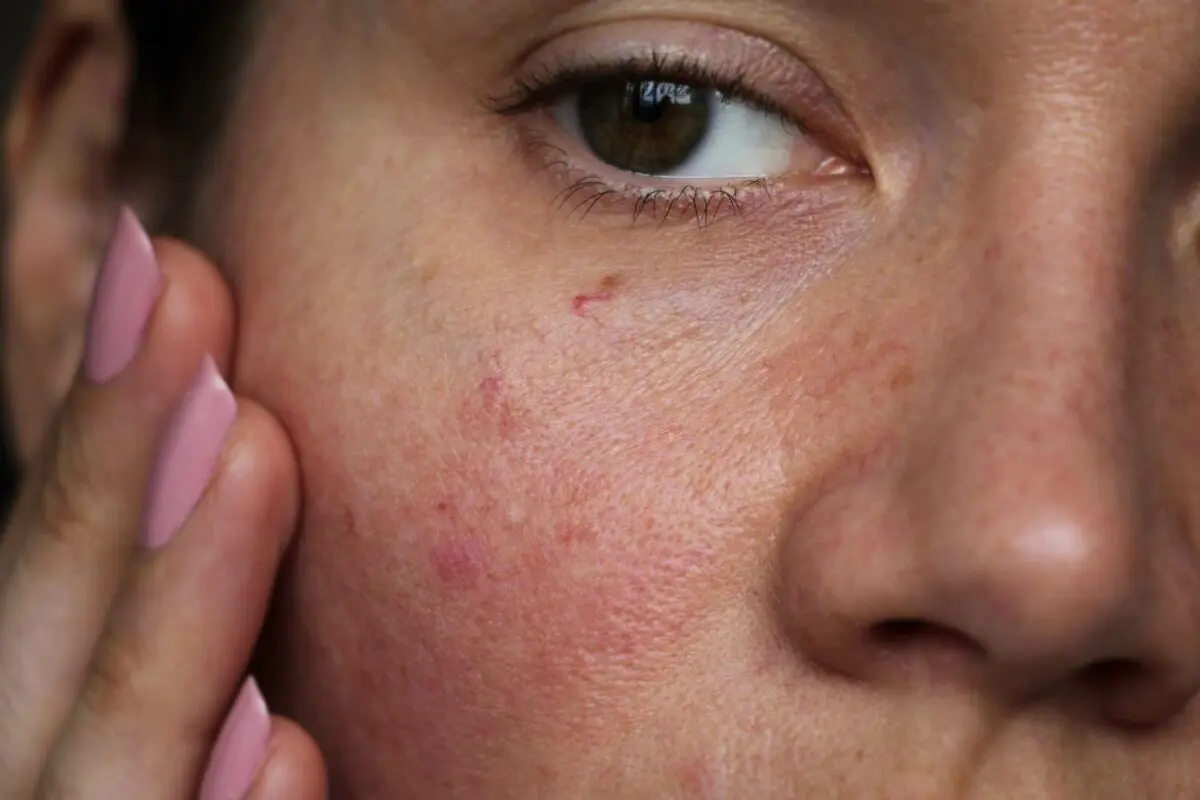
Allergic reactions show up differently in everyone. It’s key to know the common signs to get help fast. We’ll cover the usual signs, grouped by respiratory, skin, and digestive symptoms.
Respiratory Symptoms: Sneezing, Congestion, and Breathing Difficulties
Respiratory symptoms are common in allergic reactions. They can be mild, like sneezing and a runny nose, or serious, like trouble breathing. Sneezing and runny nose are early signs, often with nasal congestion.
In severe cases, symptoms can be like asthma, with wheezing and shortness of breath. “In severe allergic reactions, respiratory symptoms can escalate to life-threatening conditions such as anaphylaxis,” say doctors.
Skin Manifestations: Hives, Rashes, and Swelling
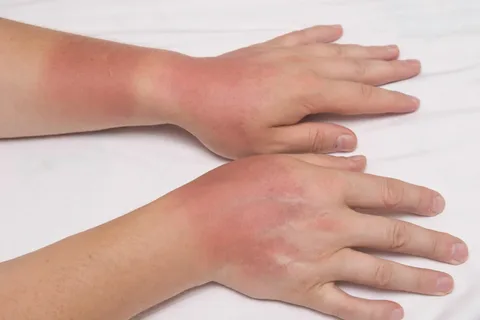
Skin symptoms are also common in allergic reactions. They include hives (urticaria), rashes, and swelling (angioedema). Hives are itchy welts that can pop up anywhere on the body.
Rashes are red and blotchy, sometimes painful. Swelling, like around the face, lips, and tongue, can be dangerous if it blocks breathing. A study found that skin symptoms are very common in allergic reactions, affecting many people.
Digestive Issues: Nausea, Vomiting, and Abdominal Pain
Digestive symptoms can happen if you eat something you’re allergic to. Common signs are nausea and vomiting, abdominal cramps, and diarrhea. These can be mild or severe, leading to dehydration and other issues.
“In food allergies, gastrointestinal symptoms are often the first signs of an allergic reaction,” says a study. This shows why it’s important to recognize these symptoms quickly and get help.
Knowing these symptoms helps people get the right medical care. While mild reactions might be treated with natural allergic reaction remedies or home remedies for allergic reactions, severe ones need quick medical help.
What to Take for Allergic Reaction: Antihistamine Options
Choosing the right antihistamine is key to treating allergic reactions. Antihistamines are a common treatment for allergies. Knowing the different options is important for relief.
First-Generation vs. Second-Generation Antihistamines
Antihistamines are divided into two types: first and second generation. First-generation antihistamines, like diphenhydramine, make you sleepy. Second-generation antihistamines, such as loratadine and cetirizine, don’t make you drowsy. This makes them better for daytime use.
Key differences between first and second-generation antihistamines:
|
Characteristics |
First-Generation Antihistamines |
Second-Generation Antihistamines |
|---|---|---|
|
Sedation |
More likely to cause drowsiness |
Less likely to cause drowsiness |
|
Examples |
Diphenhydramine (Benadryl) |
Loratadine (Claritin), Cetirizine (Zyrtec) |
|
Usage |
Often used at night due to sedating effects |
Preferred for daytime use due to less sedation |
Loratadine (Claritin): Dosage, Timing, and Effectiveness
Loratadine, known as Claritin, is a second-generation antihistamine. It helps with allergy symptoms without making you sleepy. Adults usually take 10mg once a day.
Loratadine’s benefits include:
- Effective relief from sneezing, runny nose, and itchy eyes
- Non-drowsy formula suitable for daytime use
- Once-daily dosing for convenience
Cetirizine (Zyrtec): Usage Guidelines and Benefits
Cetirizine, known as Zyrtec, is a second-generation antihistamine. It helps with allergy symptoms like sneezing, itching, and runny nose. Adults should take 10mg once a day.
Cetirizine’s advantages:
- Fast-acting relief from allergy symptoms
- Effective for both indoor and outdoor allergies
- Available in various formulations, including tablets and liquid gels
Diphenhydramine (Benadryl): When It’s Appropriate
Diphenhydramine, known as Benadryl, is a first-generation antihistamine. It can make you sleepy but is good for acute allergy symptoms. It’s best used at night.
Considerations for using diphenhydramine:
- Useful for acute allergic reactions
- Sedating effects make it more suitable for nighttime
- Available over-the-counter in various forms, including capsules and liquid
Additional Over-the-Counter Solutions for Allergic Reactions
Knowing about OTC solutions for allergic reactions can help manage symptoms better. Antihistamines are just the start. Other medications can also offer relief for different symptoms.
Decongestants for Respiratory Symptoms
Decongestants help with nasal congestion from allergies. They reduce swelling in the nose, making breathing easier. Pseudoephedrine and phenylephrine are common types.
- Pseudoephedrine comes in immediate and extended-release forms.
- Phenylephrine is often found in products with other ingredients.
It’s important to use decongestants as directed to avoid side effects. These can include trouble sleeping, anxiety, and a faster heart rate.
Anti-Inflammatory Medications for Pain and Swelling
Medications like ibuprofen and naproxen can reduce pain and swelling from allergies. They block chemicals that cause inflammation.
Benefits of these medications include:
- They help with pain
- They reduce swelling and inflammation
But, it’s key to follow the dosage and talk to a doctor. This is true for people with health issues or those on other meds.
Combination Products: Benefits and Risks
Combination products have antihistamines, decongestants, and sometimes pain relievers. They can treat multiple symptoms at once. This can make treatment easier and help stick to it.
But, there are risks to consider:
- More chance of side effects from multiple ingredients
- They might not work well with other drugs
When using these products, read the label carefully. Follow the dosage and talk to a doctor if you’re unsure.
Topical Treatments for Skin Allergic Reactions
Topical treatments offer relief for skin allergic reactions. They help with itching, redness, and swelling. Let’s look at some effective treatments.
Hydrocortisone Creams: Application and Limitations
Hydrocortisone creams are a common choice for skin allergies. They reduce inflammation and itching. Clean the area, then apply a thin layer of cream.
Benefits: Reduces inflammation and itching, easy to apply.
Limitations: Not for long-term use without a doctor’s advice, may not work for severe cases.
Cool Compresses for Reducing Inflammation and Itching
Cool compresses are simple and effective. Wet a cloth with cold water, wring it out, and apply it to the area.
Benefits: Easy to make at home, provides quick relief.
Precautions: Make sure the cloth is clean to avoid infection, don’t use ice directly on the skin.
Calamine Lotion and Other Soothing Preparations
Calamine lotion is a popular choice for skin allergies. It soothes itchy skin and reduces redness. Aloe vera gel and oatmeal baths also offer relief.
|
Topical Treatment |
Benefits |
Precautions |
|---|---|---|
|
Hydrocortisone Creams |
Reduces inflammation and itching |
Not for long-term use without supervision |
|
Cool Compresses |
Easy to make, provides immediate relief |
Use clean cloth, avoid ice on skin |
|
Calamine Lotion |
Soothes itchy skin, reduces redness |
May dry out skin with frequent use |
Natural Remedies for Treating Allergic Reactions
While traditional medicines are common for allergies, natural remedies can help too. They can boost the effect of regular treatments and make you feel better.
Stinging Nettle Leaf: Preparation and Dosage
Stinging nettle leaf has been used for centuries to treat allergies. It has anti-inflammatory properties that can lessen allergic reactions. To make stinging nettle tea, steep 1-2 teaspoons of dried leaves in boiling water for 5-10 minutes. Drink 3-4 cups a day.
Preparation Tip: Wear gloves when handling fresh stinging nettle to avoid skin irritation.
Quercetin-Rich Foods and Supplements
Quercetin is a flavonoid in fruits, vegetables, and grains. It has natural antihistamine properties, helping with allergies. Foods like apples, onions, and berries are good sources. If diet alone is hard, supplements are available.
Recommended Daily Intake: 500-1000 mg of quercetin supplement per day, taken with meals.
Oatmeal Baths for Skin-Related Allergic Reactions
Oatmeal baths soothe skin allergies like hives and itchy rashes. Colloidal oatmeal, finely ground oats, can be added to bath water. It relieves itching and inflammation. To make an oatmeal bath, grind 1 cup of rolled oats into a fine powder and add it to warm bath water.
Benefit: Oatmeal baths can provide immediate relief from itching and help to moisturize the skin.
Aloe Vera and Coconut Oil as Anti-Inflammatory Agents
Aloe vera and coconut oil are good for skin allergies. Aloe vera gel cools and soothes the skin. Coconut oil moisturizes and reduces inflammation.
Application Tip: Apply aloe vera gel or coconut oil to the affected area 2-3 times a day as needed.
Managing Respiratory Allergic Symptoms at Home
For those with respiratory allergies, managing symptoms at home can greatly improve life quality. Symptoms can include congestion, sneezing, and trouble breathing. A good approach involves medical treatments, lifestyle changes, and adjusting your environment.
Saline Nasal Rinses: Techniques and Benefits
Saline nasal rinses are a simple yet effective way to ease nasal congestion and remove allergens. According to Medical News Today, they can clear out mucus and debris, giving quick relief. To do a saline rinse, mix warm water and salt, then use a neti pot or squeeze bottle to flush your nasal passages.
Saline nasal rinses help reduce congestion, decrease sinus pressure, and improve breathing. Regular use can also remove allergens and irritants, lowering the risk of allergic reactions.
Steam Inhalation Methods for Congestion Relief
Steam inhalation is a great way to relieve congestion and ease respiratory symptoms. Inhaling warm, moist air can loosen mucus and reduce nasal inflammation. To do steam inhalation, fill a bowl with hot water, lean over it, and cover your head with a towel to trap the steam.
You can add eucalyptus oil or menthol to the water for extra benefits. These ingredients have natural decongestant properties that can help relieve congestion and ease breathing.
Honey and Other Throat-Soothing Remedies
Honey is a natural agent that can soothe throat irritation and coughing from respiratory allergies. Mix a spoonful of honey with warm water or tea for a soothing drink. Other remedies include gargling with salt water and using lozenges to keep the throat moist.
Creating an Allergen-Free Environment
Creating an allergen-free environment is key to managing respiratory allergies. This means identifying and removing allergens like dust mites, pet dander, and pollen. Use allergen-proof bedding, remove carpets and upholstered furniture, and keep windows closed during peak pollen seasons.
By using these strategies, you can reduce allergen exposure and alleviate symptoms. Regular cleaning, using HEPA filters, and keeping your home well-ventilated also help create an allergen-free environment.
Food Allergy Reaction Management
Managing food allergies means taking quick action and long-term steps. It’s key for those with dietary allergies to avoid severe reactions.
Immediate Steps After Consuming an Allergen
If you eat something you’re allergic to, act fast. First, spot the symptoms, which can be mild or very serious. Use an EpiPen for severe reactions.
A study in the Journal of Allergy and Clinical Immunology says quick epinephrine use is vital. It helps manage severe symptoms and stops them from getting worse.
“The sooner epinephrine is administered, the better the outcome for the patient.”— Journal of Allergy and Clinical Immunology
Digestive Symptom Relief Strategies
For digestive issues after an allergic reaction, there are ways to help. Antihistamines can ease mild to moderate symptoms like nausea. But, for serious cases, you need to see a doctor.
|
Symptom |
Relief Strategy |
|---|---|
|
Nausea |
Antihistamines |
|
Abdominal Pain |
Over-the-counter pain relievers |
|
Vomiting |
Hydration and rest |
Preventing Cross-Contamination at Home
Keeping food allergies under control at home means avoiding cross-contamination. This means keeping allergenic foods separate from others during cooking and storage. Using different utensils and cooking areas for these foods helps a lot.
Knowing and using these steps can greatly lower the chance of an allergic reaction. It’s all about being ready and taking steps to manage food allergies well.
Conclusion: Creating Your Personalized Allergy Action Plan
Creating a personalized allergy action plan is key for managing allergies well. Knowing how to spot and handle allergic reactions helps keep them from disrupting your day. We’ve talked about treating allergic reactions at home with antihistamines, topical treatments, and natural remedies.
To naturally stop an allergic reaction, having a plan is vital. This plan should include avoiding allergens, using over-the-counter meds when needed, and trying natural remedies like foods rich in quercetin and oatmeal baths. Being ready for emergencies is also important.
Your plan should list your allergies, symptoms to watch for, and what to do in case of a reaction. It’s smart to get advice from a healthcare professional to make your plan fit your needs. Being proactive and informed helps you manage your allergies better and lowers the chance of severe reactions.
FAQ
What is an allergic reaction, and how does it occur?
An allergic reaction happens when your immune system overreacts to something harmless. This could be pollen, dust, or certain foods. It releases histamine and other chemicals, causing symptoms.
How do I distinguish between mild, moderate, and severe allergic reactions?
Mild reactions show up as hives or itching in one area. Moderate reactions might spread symptoms like congestion or digestive issues. Severe reactions, or anaphylaxis, are life-threatening. They include symptoms like trouble breathing, rapid heartbeat, or a drop in blood pressure.
What are the common symptoms of allergic reactions?
Symptoms include breathing problems like sneezing, congestion, and trouble breathing. Skin issues like hives, rashes, and swelling are common. Digestive problems like nausea, vomiting, and stomach pain also occur.
What antihistamines are effective for treating allergic reactions?
Antihistamines like loratadine (Claritin), cetirizine (Zyrtec), and diphenhydramine (Benadryl) can help. Loratadine and cetirizine don’t make you sleepy. Diphenhydramine might make you drowsy.
Are there any natural remedies that can help manage allergic reactions?
Yes, natural remedies like stinging nettle, quercetin-rich foods, oatmeal baths, and aloe vera may help. But, always talk to a healthcare professional before trying them.
How can I manage respiratory allergic symptoms at home?
Try saline nasal rinses, steam inhalation, and throat-soothing remedies like honey. Also, make your environment allergen-free.
What should I do if I experience a food allergy reaction?
Stop eating the allergenic food right away. Consider an antihistamine or EpiPen for severe symptoms. For digestive issues, avoid solid foods and prevent cross-contamination at home.
Can I use topical treatments for skin allergic reactions?
Yes, use hydrocortisone creams, cool compresses, and calamine lotion. But, know their limits and talk to a healthcare professional if symptoms don’t improve.
How can I create a personalized allergy action plan?
Identify your allergies, understand your symptoms, and plan how to manage reactions. Know when to seek medical help.
What are some additional over-the-counter solutions for managing allergic reactions?
Decongestants, anti-inflammatory medications, and combination products can help. But, know their benefits and risks, and talk to a healthcare professional before using them.
How do I prevent cross-contamination at home?
Label and store food allergens separately. Clean and sanitize surfaces. Teach household members about avoiding cross-contamination.
What are some home remedies for allergic reactions?
Home remedies like oatmeal baths, aloe vera, and quercetin-rich foods may help. But, always check with a healthcare professional before using them.
Can I treat an allergic reaction at home?
Mild to moderate reactions can be treated at home with antihistamines, topical treatments, and natural remedies. But, severe reactions need immediate medical attention.
How do I know when to seek medical attention for an allergic reaction?
Seek medical help right away for severe symptoms like trouble breathing, rapid heartbeat, or a drop in blood pressure. Or if symptoms worsen or don’t get better with treatment.
References
National Center for Biotechnology Information. Home Management of Allergic Reaction Symptoms. Retrieved from https://www.ncbi.nlm.nih.gov/pmc/articles/PMC8638355/