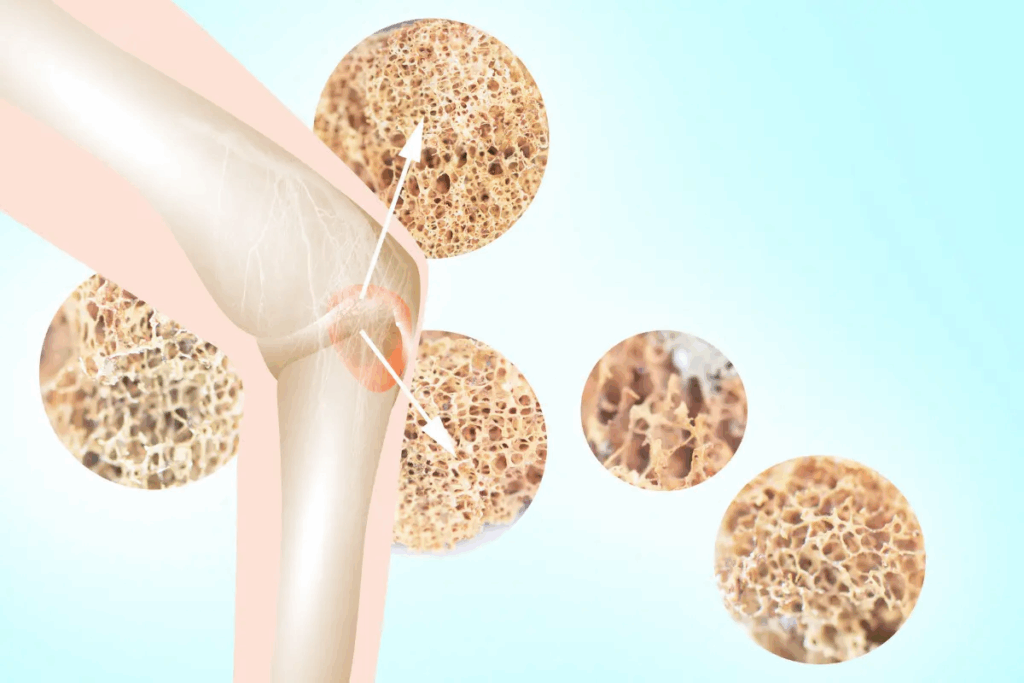
What vitamin helps bones grow strong? Uncover the best essential nutrients and foods that provide the power your skeleton needs to thrive. Keeping your bones and joints strong is key at every age. The Medical organization says bones are vital for structure, protection, and storing calcium. This shows how important bone health is.
Eating foods rich in calcium and vitamin D helps a lot. At Liv Hospital, we teach patients how to choose the right foods for their bones.
Knowing the top foods for strong bones is essential. This guide lists the top 10 bone building foods. These foods are backed by science to boost bone density and joint health.
Key Takeaways
- Calcium and vitamin D are key for strong bones.
- Eating a balanced diet is good for bone health.
- The top 10 bone building foods can greatly improve bone density.
- Knowing what to eat helps patients manage their bone health.
- A healthy diet is important to avoid bone problems.
Understanding Bone Health and Nutritional Needs

Bone health is key to our overall well-being. It’s greatly influenced by what we eat. Understanding how to keep our bones strong is vital. We need to know what nutrients are important for bone health.
The Global Impact of Osteoporosis
Osteoporosis is a big health problem worldwide. It affects millions of people. Studies show that 23.1 percent of women and 11.7 percent of men have osteoporosis.
The National Institute of Arthritis and Musculoskeletal and Skin Diseases explains osteoporosis. It makes bones weak and prone to breaking.
Osteoporosis affects not just individuals but also society and the economy. It’s important to understand its global impact to find ways to fight it.
Essential Nutrients for Bone Development
Eating a balanced diet is key for strong bones. Calcium and Vitamin D are very important. They help bones stay strong and dense.
Other nutrients like magnesium, phosphorus, and vitamin K also play a role. They help keep bones healthy.
- Calcium: Essential for building and maintaining bone density.
- Vitamin D: Crucial for calcium absorption and bone health.
- Magnesium: Involved in bone mineralization and density.
- Phosphorus: Important for the formation of bones and teeth.
- Vitamin K: Helps in the production of proteins that support bone mineralization.
Daily Nutritional Requirements for Optimal Bone Health
It’s important to meet daily nutritional needs for bone health. Adults need 1,000 to 1,200 mg of calcium each day. Vitamin D needs range from 600 to 800 IU for adults.
Getting enough of these nutrients through food or supplements is vital. It helps prevent bone disorders.
|
Nutrient |
Daily Requirement |
Food Sources |
|---|---|---|
|
Calcium |
1,000-1,200 mg |
Dairy products, leafy greens, fortified foods |
|
Vitamin D |
600-800 IU |
Fatty fish, fortified dairy products, sunlight exposure |
What Vitamins Help Bones Stay Strong and Healthy

Keeping bones strong needs a mix of key nutrients, with vitamins being very important. Vitamins help a lot with bone health and strength.
Vitamin D is key for bones because it helps the body use calcium. Without enough Vitamin D, bones can get weak and break easily.
The Critical Role of Vitamin D in Calcium Absorption
Vitamin D helps the body use calcium better. It also supports muscles, nerves, and the immune system. Not having enough Vitamin D can make bones more likely to break.
|
Vitamin D Source |
Calcium Absorption Benefit |
|---|---|
|
Sunlight Exposure |
Boosts Vitamin D production |
|
Fortified Foods |
Enhances calcium absorption |
|
Supplements |
Supports bone density |
Vitamin K and Bone Mineralization
Vitamin K is vital for bone health. It helps make proteins needed for strong bones. It works with calcium and Vitamin D to keep bones dense.
Vitamin K2 helps lower the chance of bone fractures. It promotes bone mineralization.
How Vitamin C Supports Collagen Formation of Bone Matrix
Vitamin C is key for making collagen. Collagen gives bones, skin, and connective tissue their shape. It’s important for bone strength and density.
Eating foods rich in vitamins D, K, and C is important for strong bones. Getting enough of these vitamins through food or supplements helps a lot with bone health.
Calcium-Rich Dairy Foods for Bone Strength
Calcium-rich dairy foods are key for strong bones. They provide the necessary building blocks for bone strength. Milk, yogurt, and cheese are among the richest natural sources of calcium and vitamin D. They are essential for a bone-healthy diet.
Milk: The Classic Bone Builder
Milk is a staple for bone health because of its high calcium content. One cup of milk gives about 300 mg of calcium, which is 30% of what we need daily. It’s also often fortified with vitamin D, which helps our body absorb calcium better. A study says, “Dairy products like milk are excellent sources of calcium and vitamin D, which are vital for bone health.” Choosing low-fat or fat-free milk boosts its bone-building benefits without extra calories.
Yogurt: Probiotic Benefits for Calcium Absorption
Yogurt is great for bone health, thanks to its calcium and probiotics. Probiotics help our gut absorb calcium better, supporting bone strength. Choosing plain, unflavored yogurt with live cultures maximizes these benefits. A cup of yogurt usually has about 300 mg of calcium, just like milk.
Cheese Varieties and Their Calcium Content
Cheese is a versatile, calcium-rich dairy product that can be added to many meals. Different cheeses have different amounts of calcium. For example:
- Parmesan cheese: 331 mg per ounce
- Mozzarella: 207 mg per ounce
- Cheddar: 200 mg per ounce
Adding a variety of cheeses to your diet can help meet your daily calcium needs. It also adds flavor and nutrition to meals.
Leafy Greens: Plant-Based Calcium Powerhouses
Leafy greens are great for strong bones and joints. They are packed with nutrients and offer many health benefits. These foods help keep bones dense and provide important vitamins and minerals.
Nutritional Profiles of Kale and Collard Greens
Kale and collard greens are super nutritious. One cup of cooked kale has about 94 milligrams of calcium. Collard greens have about 266 milligrams in the same amount. Both are also full of vitamins K and C, which are good for bones.
Kale stands out for its vitamin K, key for bone health. Collard greens are great for bones because they have calcium and vitamin K.
The Underrated Calcium Source: Turnip Greens
Turnip greens are a hidden calcium source. One cup of cooked turnip greens has about 200 milligrams of calcium. They also have vitamin K and potassium.
“Turnip greens are a hidden gem in the world of leafy greens, providing a lot of calcium and other important nutrients.”
You can easily add turnip greens to your meals. Try them in soups, stews, or sautéed with garlic as a side.
Cooking Methods to Maximize Nutrient Absorption
How you cook leafy greens matters for their nutrition. Steaming keeps calcium and vitamins in the greens. Sautéing with a bit of oil also helps with nutrient absorption.
- Steaming: Keeps calcium and water-soluble vitamins in the greens.
- Sautéing: A little oil helps with fat-soluble vitamins.
- Raw Consumption: Salads with raw greens offer fresh calcium and nutrients.
Adding different leafy greens to your meals and choosing the right cooking methods boosts calcium intake. This supports bone health.
Seafood Options for Bone and Joint Health
Seafood is packed with nutrients that help keep bones and joints strong. Adding different types of seafood to your meals can give your body what it needs for healthy bones.
Fatty Fish: A Source of Vitamin D
Fatty fish like salmon and tuna are tasty and full of vitamin D. Vitamin D is key for bone health because it helps the body use calcium. Eating fatty fish regularly can help make bones stronger and lower the chance of breaks.
Salmon is a top pick for boosting bone health because of its vitamin D. Tuna is also a good choice, being rich in vitamin D and easy to add to many dishes.
Sardines: A Calcium-Rich Seafood Option
Sardines are great for bones too. These small fish are full of calcium and have bones you can eat. Studies show sardines, pilchards, and canned salmon can meet a third of our daily calcium needs. They’re a fantastic choice for a diet that supports strong bones.
Mineral-Rich Shellfish
Shellfish like mussels and oysters are also good for bones. They’re loaded with minerals like zinc and manganese. These minerals are important for keeping bones dense and healthy.
With so many seafood options, it’s easy to eat well for your bones. By mixing fatty fish, sardines, and shellfish into your meals, you can help keep your bones and joints strong.
Plant-Based Proteins That Support Bone Structure
Plant-based proteins are key for strong bones. They offer many benefits that help keep bones healthy. These proteins are important for overall health and provide nutrients needed for bone growth and maintenance.
Tofu and Tempeh: Soy-Based Calcium Sources
Tofu, made from soybeans, is packed with calcium. A 60g serving has about 200mg of calcium. This makes it great for bone health. Tempeh, another soy product, also has nutritional benefits, though its calcium content can vary.
Both tofu and tempeh are easy to add to many dishes. They’re perfect for boosting calcium in your diet.
Calcium-rich tofu is even better because it has calcium and magnesium. These nutrients help build and maintain bones. Adding tofu to stir-fries or meals is a simple way to get more calcium.
Beans and Legumes: Magnesium and Protein for Bone Maintenance
Beans and legumes are full of protein and magnesium. Magnesium is vital for strong bones. It helps with bone mineralization and density.
Beans and legumes like black beans, chickpeas, and lentils can be added to meals. They’re also high in fiber and other nutrients. Eating a variety of these can help your bones and overall health.
Nuts and Seeds Rich in Bone-Building Minerals
Nuts and seeds are also good for bones. They’re full of minerals like magnesium, calcium, and zinc. These minerals are important for bone health.
Adding nuts and seeds to your diet is easy. Try snacking on almonds or adding chia seeds to your meals. These small changes can help a lot over time.
Fortified Foods and Supplements for Bone Health
Fortified foods and supplements are key for bone health. Many struggle to get enough calcium and vitamin D from food alone. These fortified options help fill the gap in their diet.
Fortified foods add extra nutrients like calcium and vitamin D. Fortified plant milks and orange juice are great examples. They’re perfect for those who can’t digest dairy or prefer plant-based foods.
Fortified Plant Milks and Orange Juice
Plant milks like almond, soy, and oat milk are good dairy alternatives. Brands often add calcium and vitamin D to match cow’s milk. Orange juice is also fortified with these nutrients, making it a good choice for boosting intake.
When picking fortified plant milks and orange juice, check the labels. Look for the amount of calcium and vitamin D they contain. Choose products that meet your daily needs.
Breakfast Cereals Enhanced with Bone-Supporting Nutrients
Many breakfast cereals are fortified with nutrients for bone health. They often have calcium, vitamin D, and other minerals. Some studies show fortified cereals can have more calcium than dairy.
When picking cereals, aim for ones low in sugar and high in fiber. Make sure they’re fortified with the nutrients you need for strong bones.
When to Consider Calcium and Vitamin D Supplements
Even with fortified foods, some might need supplements for bone health. Calcium and vitamin D supplements are helpful for those with deficiencies or at risk of osteoporosis.
Before starting supplements, talk to a healthcare professional. They can decide if you need them and suggest the right amount for you.
Creating a Balanced Diet for Optimal Bone and Joint Health
To keep your bones strong, eat a diet full of nutrients that help build bones. A good diet not only helps your bones but also keeps your joints healthy. The Medical organization says to eat lots of calcium and stay active to protect your bones.
Sample Meal Plans Featuring Top Bone-Building Foods
It’s easy to make a meal plan with foods that are good for your bones. Here are some ideas:
- Breakfast: Greek yogurt with almonds and berries, providing calcium and vitamin D.
- Lunch: Grilled salmon with kale salad and a citrus vinaigrette, rich in omega-3 fatty acids and calcium.
- Dinner: Stir-fry with tofu, broccoli, and brown rice, giving you calcium, vitamin K, and magnesium.
These meals help your bones and give you all the nutrients you need.
Combining Foods for Maximum Nutrient Absorption
Some foods work better together to help your body absorb nutrients. For example:
|
Food Combination |
Nutrient Benefit |
|---|---|
|
Vitamin D-rich foods (fatty fish) with calcium-rich foods (dairy) |
Enhanced calcium absorption |
|
Vitamin C-rich foods (citrus fruits) with iron-rich foods (beans) |
Improved iron absorption |
|
Magnesium-rich foods (nuts) with calcium-rich foods (leafy greens) |
Better bone mineralization |
Foods to Limit for Better Bone Health
It’s important to eat foods that help your bones and avoid those that don’t. Avoid:
- Too much caffeine, which can stop your body from absorbing calcium.
- High-sodium foods, which can make your body lose more calcium.
- Processed foods with phosphoric acid, which can upset the balance of calcium and phosphorus.
Knowing what to eat and what to avoid can help you make choices that are good for your bones and joints.
Conclusion: Building Lifelong Bone Strength Through Nutrition
Building strong bones is a lifelong journey. It needs a commitment to good nutrition and a healthy lifestyle. A balanced diet is key to keeping bones healthy throughout life.
The Medical organization says strong bones are important from childhood to adulthood. But it’s never too late to protect your bones. Eating foods rich in calcium, vitamin D, and other nutrients is vital for bone health.
Eating foods like dairy, leafy greens, and fortified foods helps build bones. Also, staying active and not drinking too much alcohol helps strengthen bones.
In short, eating well and living healthily are essential for strong bones. By choosing the right foods and living wisely, you can keep your bones strong for life.
FAQ
What are the best foods for building strong bones?
Foods like milk, yogurt, and cheese are great for bones because they’re full of calcium. Leafy greens like kale and collard greens are also good. Don’t forget fatty fish, sardines, and fortified plant milks.
How does vitamin D impact bone health?
Vitamin D helps your body absorb calcium, which is key for strong bones. You can find vitamin D in fatty fish, fortified dairy, and some mushrooms.
Can plant-based diets support bone health?
Yes, plant-based diets are good for bones. Include foods like leafy greens, tofu, and tempeh. Also, don’t forget fortified plant milks and cereals. Beans, legumes, nuts, and seeds are full of minerals and protein.
What are some common foods that can negatively impact bone health?
Foods high in sodium, caffeine, and too much protein can harm bones. They can increase calcium loss or make it harder to absorb.
Are supplements necessary for maintaining strong bones?
Supplements like calcium and vitamin D might be needed if you’re not getting enough from food. Always talk to a healthcare professional before starting any supplements.
How can I maximize nutrient absorption for bone health?
For better nutrient absorption, eat a balanced diet with lots of whole foods. Choose cooking methods that keep nutrients in. Be aware of how different foods affect nutrient absorption.
What are some sample meal plans that support bone health?
Good meal plans include fortified cereals and milk for breakfast. Lunches can have leafy greens and beans. Dinners should have fatty fish and roasted veggies.
Can certain cooking methods impact the nutritional value of bone-building foods?
Yes, cooking methods like steaming and roasting help keep nutrients in bone-building foods. Boiling can lead to losing some nutrients.
How does bone health impact overall health?
Bone health is very important for overall health. Osteoporosis and fractures can lead to mobility issues and chronic pain.
What are some lifestyle changes that can support bone health?
To support bone health, maintain a healthy weight, exercise regularly, don’t smoke, and limit alcohol. These changes can help a lot.