
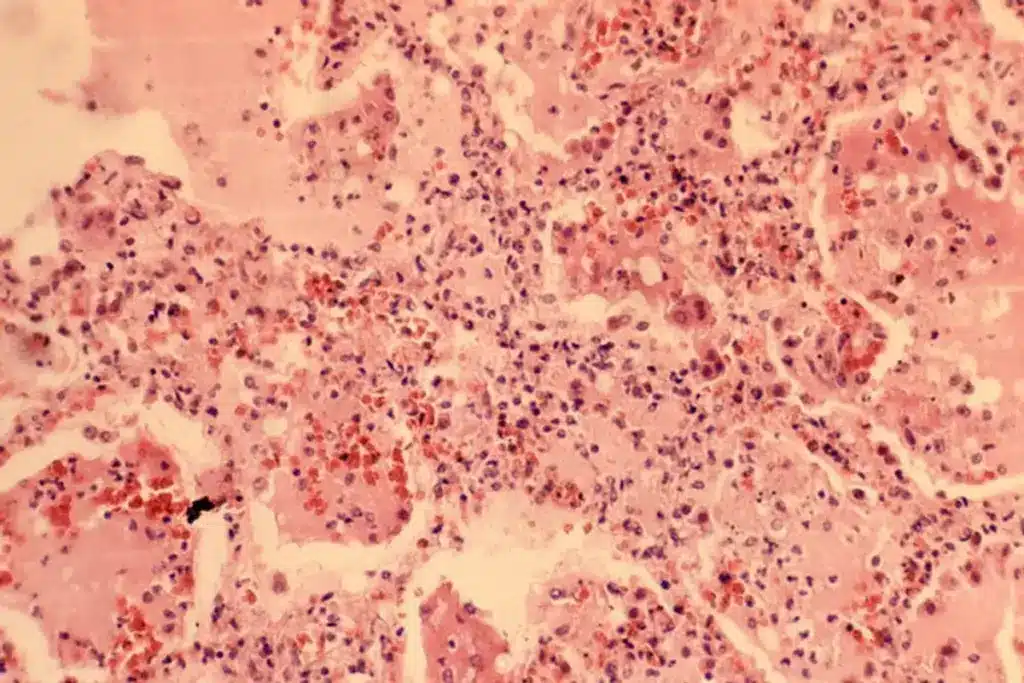
Respiratory infections like bronchiolitis and bronchitis can be confusing. They share symptoms like coughing and wheezing. But, they impact different age groups and parts of the respiratory system.
At Liv Hospital, we know how important it is to tell these two apart. Bronchiolitis mainly affects infants and young children. It targets the smaller airways. On the other hand, bronchitis can happen to anyone and affects the bigger airways.
It’s key for parents and healthcare providers to understand these differences. This ensures the best care for everyone. We’ll look into what makes each condition unique.
Key Takeaways
- Bronchiolitis mainly affects young children and involves the smaller airways.
- Bronchitis can occur at any age and affects the larger airways.
- The symptoms of both conditions can overlap, making diagnosis challenging.
- Accurate diagnosis is essential for effective treatment.
- Liv Hospital is committed to providing complete care for respiratory issues.
Understanding Respiratory Infections
It’s key to know about respiratory infections to treat them right. These infections are big health worries worldwide, hitting millions yearly. They can come from many viruses and affect the lungs in different ways.
Common Respiratory Conditions
Conditions like bronchiolitis and bronchitis are often talked about together. But they hit different parts of the lungs. Bronchiolitis mainly affects the tiny airways in young kids. Bronchitis hits the bigger airways and can affect anyone. For more on their differences, check out Healthline’s comparison.
Importance of Accurate Diagnosis
Getting the right diagnosis is key to managing respiratory infections. A wrong or late diagnosis can lead to bad treatment. Knowing if someone has bronchiolitis or bronchitis is vital because treatments are different.
Healthcare providers need to look at the patient’s age, how bad the symptoms are, and other things. This helps give the best care. It’s even more important in kids, where bronchiolitis is common.
Bronchiolitis vs Bronchitis: Key Differences

It’s important to know the differences between bronchiolitis and bronchitis for the right treatment. These two conditions affect the lungs but in different ways.
Anatomical Differences
Bronchiolitis affects the smaller airways, called bronchioles. This leads to inflammation. Bronchitis, on the other hand, affects the larger airways, or bronchi. This difference affects how symptoms are treated.
Age Demographics
Bronchiolitis mainly hits infants and young children, usually under two. Bronchitis can happen at any age but is more common in adults. This age difference is key for doctors to know.
Causative Agents
The causes of bronchiolitis and bronchitis are different. Bronchiolitis is often caused by the Respiratory Syncytial Virus (RSV). Bronchitis can be caused by viruses or bacteria. For more info, check Medical News Today.
Knowing these differences helps doctors treat these lung conditions better. This leads to better health for patients.
Symptoms and Clinical Presentation
Bronchiolitis and bronchitis have different symptoms. We will look at these symptoms closely. Knowing them helps in diagnosing and treating these conditions well.
Bronchiolitis Symptoms
Bronchiolitis mainly hits infants and young kids. It causes cough, wheezing, and trouble breathing. In serious cases, it can cause apnea, which is dangerous for premature babies or those with health issues.
Bronchitis Symptoms
Bronchitis can affect anyone, not just kids. It shows as a long-lasting cough that brings up mucus. You might also feel wheezing, chest pain, and tiredness. It often starts after a cold or flu.
Severity and Complications
The seriousness of these conditions can differ a lot. Bronchiolitis can be very hard on high-risk babies, causing serious breathing problems. Bronchitis can make asthma or COPD worse in adults.
Knowing when to get medical help is key. For bronchiolitis, look out for trouble breathing, apnea, or not wanting to eat. For bronchitis, watch for symptoms getting worse, high fever, or signs of pneumonia.
To understand the differences in symptoms and complications, let’s look at a table:
| Condition | Common Symptoms | Potential Complications |
| Bronchiolitis | Cough, wheezing, difficulty breathing | Apnea, respiratory failure |
| Bronchitis | Persistent cough, mucus production, wheezing | Exacerbation of asthma or COPD, pneumonia |
By knowing the symptoms and possible complications, patients and caregivers can decide when to get medical help.
Treatment Approaches and Prevention
Managing bronchiolitis and bronchitis needs a detailed plan. This plan should tackle symptoms, causes, and ways to prevent future problems. It’s all about making sure patients get better and stay healthy.
Managing Bronchiolitis
For bronchiolitis, the main goal is to help the patient feel better. Supportive care includes drinking plenty of water, using nasal suction, and oxygen therapy when needed. Sometimes, patients need to stay in the hospital for closer care.
“The mainstay of treatment for bronchiolitis is supportive care, focusing on relieving symptoms and supporting the child’s respiratory system until the illness resolves,” as emphasized by clinical guidelines.
Managing Bronchitis
Dealing with bronchitis means easing symptoms and finding the cause. For acute cases, symptomatic relief is key, using cough medicines and expectorants. If it’s a bacterial infection, antibiotic therapy is used. Chronic cases need a bigger plan, including quitting smoking and avoiding irritants.
Preventive Measures
Preventing bronchiolitis and bronchitis starts with good hygiene and avoiding irritants. General preventive measures include washing hands often and staying away from sick people. For at-risk babies, RSV immunoprophylaxis can help prevent severe bronchiolitis.
- Practice good hygiene, such as frequent handwashing.
- Avoid exposure to tobacco smoke and other respiratory irritants.
- Stay up-to-date with recommended vaccinations, such as the flu vaccine.
- For high-risk infants, consider RSV immunoprophylaxis as recommended by healthcare providers.
By knowing and using these prevention and treatment methods, we can better manage bronchiolitis and bronchitis. This helps reduce complications and improves health outcomes.
Conclusion
It’s important to know the difference between bronchiolitis and bronchitis to treat them right. We’ve talked about how each condition is different. This includes where they happen, who they affect, and what causes them.
Knowing the main differences helps doctors make the right diagnosis. Bronchiolitis mainly hits babies and toddlers. On the other hand, bronchitis can affect people of all ages. This knowledge helps doctors create better treatment plans.
In short, understanding bronchiolitis and bronchitis is key. By knowing the differences, we can help patients get better faster. This leads to better care for those with these respiratory infections.
FAQ
What is the main difference between bronchiolitis and bronchitis?
Bronchiolitis is an acute viral infection of the small airways in infants, while bronchitis is inflammation of the larger airways, often in older children and adults.
Which age groups are typically affected by bronchiolitis and bronchitis?
Bronchiolitis mainly affects infants under 2 years, while bronchitis is common in older children and adults.
What are the common causative agents of bronchiolitis and bronchitis?
Bronchiolitis is usually caused by RSV, while bronchitis is often viral (influenza, rhinovirus) or sometimes bacterial.
How do the symptoms of bronchiolitis and bronchitis differ?
Bronchiolitis presents with wheezing, nasal congestion, and difficulty breathing; bronchitis usually causes persistent cough, sometimes with mucus and mild fever.
What is the typical treatment approach for bronchiolitis and bronchitis?
Both are mainly treated with supportive care—hydration, rest, oxygen if needed; antibiotics are rarely used unless bacterial infection is confirmed.
Are there any preventive measures that can reduce the risk of developing bronchiolitis or bronchitis?
Yes, hand hygiene, avoiding smoke exposure, vaccinations, and limiting contact with sick individuals can reduce risk.
When should I seek medical attention for bronchiolitis or bronchitis?
Seek care if there is difficulty breathing, high fever, dehydration, persistent vomiting, or bluish lips/skin.
Can bronchiolitis and bronchitis lead to complications?
Yes, severe cases can lead to pneumonia, respiratory distress, or exacerbation of underlying lung conditions.
References
National Center for Biotechnology Information. Evidence-Based Medical Insight. Retrieved from https://pubmed.ncbi.nlm.nih.gov/24335668/