
It’s important to know the difference between obstructive and restrictive lung conditions. This knowledge helps doctors diagnose and treat patients better. These lung diseases affect millions worldwide and need different treatments.
Obstructive lung diseases include COPD, asthma, and bronchitis. They make it hard to breathe out. In contrast, restrictive lung conditions like pulmonary fibrosis make it tough to breathe in. This reduces the lung capacity.
Liv Hospital offers top-notch care for respiratory issues. They follow international standards and aim for the best medical results. They use new, proven methods to help patients.
Key Takeaways
- Obstructive and restrictive lung diseases are two distinct categories of pulmonary disorders.
- Obstructive lung diseases, such as COPD and asthma, are characterized by difficulty exhaling air.
- Restrictive lung diseases, such as pulmonary fibrosis, make it harder to inhale air, reducing total lung capacity.
- Accurate diagnosis and treatment are key for good patient care.
- Liv Hospital provides top care for respiratory issues, following international standards.
Understanding Lung Disease Categories
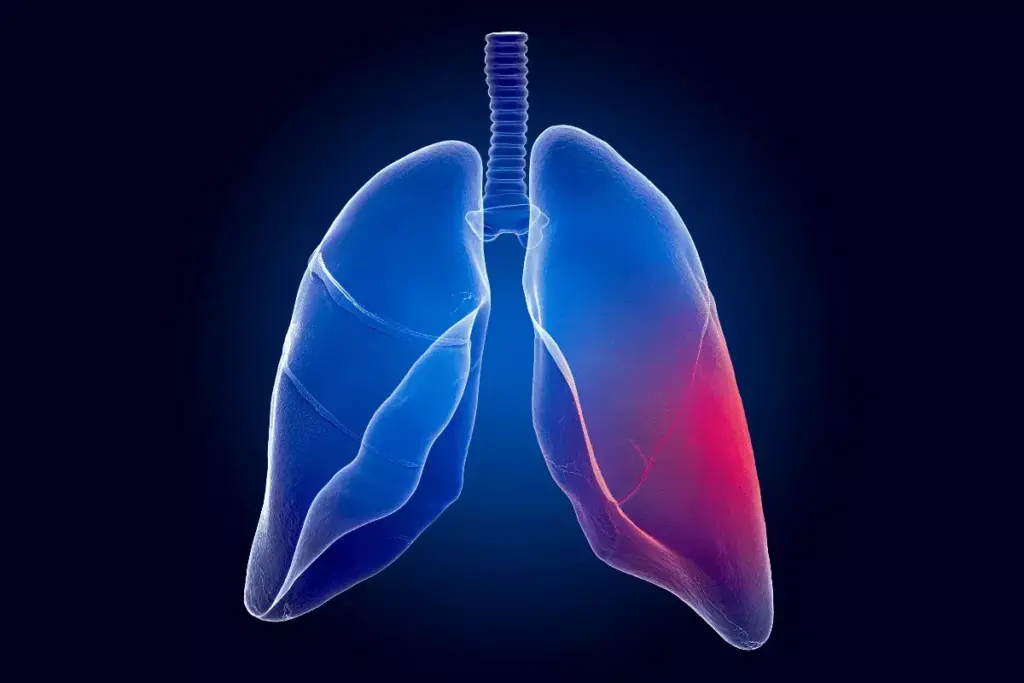
Lung diseases are divided into obstructive and restrictive types. This division is key in pulmonary medicine. It affects how doctors diagnose and treat these conditions.
Classification of Pulmonary Disorders
Lung diseases fall into two main categories: obstructive and restrictive. Obstructive lung diseases limit airflow. This is due to conditions like COPD, asthma, and bronchiectasis. In contrast, restrictive lung diseases reduce lung volume. This can happen due to interstitial lung disease, neuromuscular disorders, or chest wall issues.
Doctors must know the difference to choose the right tests and treatments. Spirometry is a tool used to measure airflow and lung volumes. It helps tell if a lung disease is obstructive or restrictive.
Epidemiology and Prevalence Data
Studies on lung diseases show their prevalence in populations. In the US, obstructive lung disease makes up about 80% of cases. Restrictive lung disease accounts for about 20%.
| Lung Disease Category | Prevalence (%) | Common Conditions |
| Obstructive | 80% | COPD, Asthma, Bronchiectasis |
| Restrictive | 20% | Interstitial Lung Disease, Neuromuscular Disorders |
Between 2007 and 2010, 13.5% of US adults showed airway obstruction. 6.5% had restrictive impairment. And 79.9% had normal lung function. Knowing these numbers helps in planning public health strategies and allocating resources.
Obstructive Lung Diseases

Obstructive lung diseases are a big group of respiratory issues. They are marked by a blockage in the airways. This leads to slow breathing out and includes COPD, asthma, and bronchiectasis.
Characteristics and Pathophysiology
The main sign of obstructive lung diseases is narrowed airways. This makes it hard to breathe out. It can happen because of inflammation, too much mucus, or lung damage. Knowing how these diseases work is key to treating them well.
The way these diseases work involves many parts. For example, in asthma, inflammation and airway muscles work together. This causes the airways to narrow and leads to symptoms like wheezing.
Common Types of Obstructive Conditions
There are many types of obstructive lung diseases, each with its own traits:
- COPD (Chronic Obstructive Pulmonary Disease): A disease that gets worse over time. It includes chronic bronchitis and emphysema, causing lasting breathing problems.
- Asthma: A long-term inflammation of the airways. It leads to wheezing, breathlessness, tightness in the chest, and coughing.
- Bronchiectasis: Damage to the airways that makes them wider and scarred. This causes a long-lasting cough and sputum.
- Chronic Bronchitis: A condition with a long-term cough and sputum. It lasts for at least 3 months in two years, without other causes.
These diseases show how varied obstructive lung diseases are. Understanding each one’s unique traits helps doctors give better care.
Restrictive Lung Diseases
Restrictive lung diseases make it hard for the lungs to fully expand. This can happen for many reasons. It might be because of problems inside the lungs or outside issues with the chest or breathing muscles.
Characteristics and Pathophysiology
These diseases limit lung volume, mainly vital capacity. This is because the lungs can’t fully expand. Issues like pulmonary fibrosis or scoliosis can cause this. The lungs become less flexible, making breathing harder.
The main signs are:
- Smaller lung volumes
- Less flexible lungs
- Harder gas exchange
Common Types of Restrictive Conditions
Many conditions fall under restrictive lung diseases. Here are a few:
- Pulmonary fibrosis: Scarring in lung tissue.
- Pneumonia: Infection in lung air sacs.
- Scoliosis: Abnormal spine curvature.
- Neuromuscular disorders: Muscle problems affecting breathing.
Diagnostic Differentiation Through Pulmonary Function Testing
Pulmonary function tests (PFTs) help diagnose these diseases. They measure important lung functions. Key tests include:
- FEV1 (Forced Expiratory Volume in 1 second): Air exhaled in the first second.
- FVC (Forced Vital Capacity): Total air exhaled forcefully.
- TLC (Total Lung Capacity): Air in lungs after deep breath.
In restrictive diseases, FVC and TLC are often lower. But the FEV1/FVC ratio is normal or higher. This is different from obstructive diseases, where the ratio is lower.
Getting the right diagnosis with PFTs is key. It helps doctors find the best treatments. This improves patient care and outcomes.
Conclusion
Understanding the differences between obstructive and restrictive lung diseases is key. This knowledge helps doctors create better treatment plans. It improves how well patients do.
Obstructive lung diseases, like COPD, limit airflow. Restrictive lung diseases, such as pulmonary fibrosis, reduce lung volume. Knowing the obstructive vs restrictive lung disease differences helps choose the right treatment.
Each type of lung disease needs its own approach. By understanding the unique traits of each, doctors can tailor care. This meets the specific needs of each patient.
In summary, knowing about lung disease types is vital for top-notch care. Recognizing the differences between obstructive and restrictive lung diseases boosts diagnosis and treatment success. This improves the lives of those with these conditions.
FAQ
What are the main categories of lung disease?
Lung diseases are broadly categorized as obstructive, restrictive, infectious, vascular, and interstitial disorders.
What is the difference between obstructive and restrictive lung disease?
Obstructive disease limits airflow out of the lungs, while restrictive disease limits lung expansion and total lung volume.
Is pneumonia an obstructive or restrictive lung disease?
Pneumonia is primarily an infectious lung disease and is not classified as obstructive or restrictive.
What are some common types of obstructive lung diseases?
Common obstructive lung diseases include asthma, COPD, chronic bronchitis, and emphysema.
How are restrictive lung diseases diagnosed?
They are diagnosed using pulmonary function tests showing reduced lung volumes, often supported by imaging and clinical evaluation.
What is the role of pulmonary function testing in diagnosing lung diseases?
Pulmonary function testing helps identify airflow limitation, lung volume restriction, and disease severity.
Can lung disease be treated and managed?
Many lung diseases can be managed with medications, lifestyle changes, rehabilitation, and supportive therapies.
What is the prevalence of obstructive and restrictive lung diseases?
Obstructive lung diseases are more common worldwide than restrictive lung diseases.
How do obstructive and restrictive lung diseases impact breathing?
Obstructive diseases cause difficulty exhaling, while restrictive diseases cause difficulty fully inhaling air.
References:
National Center for Biotechnology Information. Evidence-Based Medical Insight. Retrieved from https://www.ncbi.nlm.nih.gov/books/NBK560526/