It’s important to know the difference between walking pneumonia and regular pneumonia. This helps decide the best treatment and what to expect during recovery. Many people with walking pneumonia don’t feel sick because the symptoms are mild, like a cold. But, it’s contagious and needs a doctor’s check-up.
At Liv Hospital, we focus on our patients to give the right care. We make sure to tell the difference between these two respiratory issues. For more on walking pneumonia vs pneumonia, check out Healthline’s article.
Key Takeaways
- Walking pneumonia is a milder form of pneumonia, often with mild symptoms.
- Regular pneumonia is more severe and can require hospitalization.
- The main difference in symptoms is the severity of fever and cough.
- Treatment approaches vary depending on the type and severity of pneumonia.
- Both walking pneumonia and pneumonia are contagious and require proper hygiene precautions.
Understanding Pneumonia Types: Walking vs. Regular
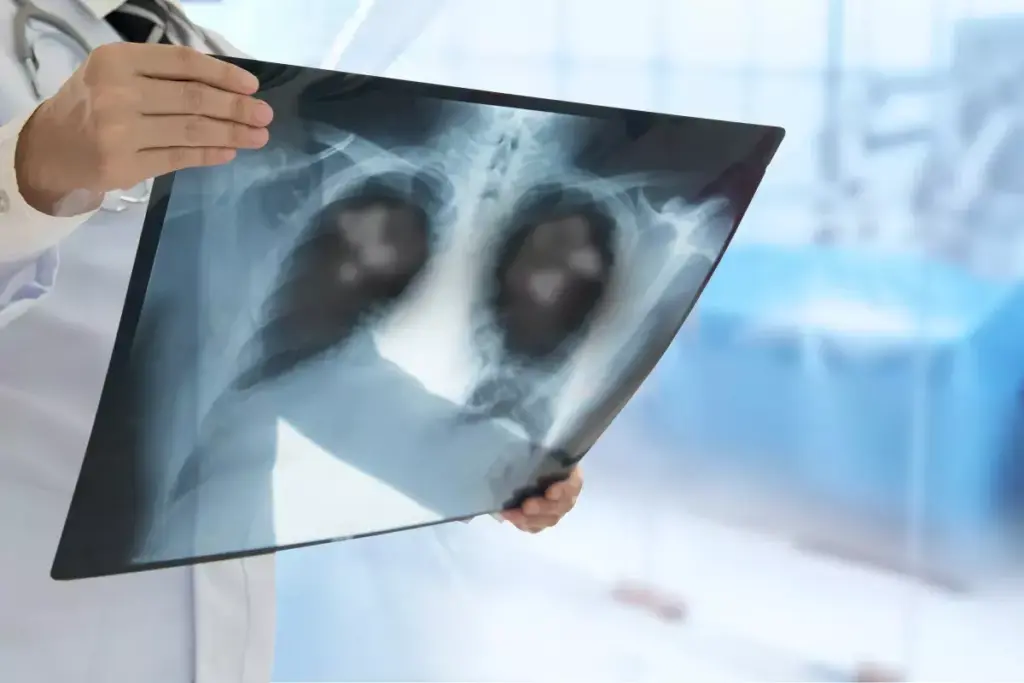
It’s important to know the difference between walking pneumonia and regular pneumonia. This knowledge helps in diagnosing and treating the illness. We will look into each type, covering their definitions, causes, and how they are diagnosed.
What Is Walking Pneumonia?
Walking pneumonia, also called atypical pneumonia, is a mild form of pneumonia. It’s often caused by the bacteria Mycoplasma pneumoniae. The name “walking” comes from its mild symptoms, allowing people to move around.
Some people may not even realize they have pneumonia because the symptoms are so mild.
It’s common in school-aged kids and young adults. It can happen to anyone. Outbreaks often occur in crowded places like schools and military barracks. It usually lasts two to three weeks but can last up to six weeks without treatment.
What Is Regular Pneumonia?
Regular pneumonia, or typical pneumonia, can be caused by bacteria, viruses, or fungi. The most common cause is Streptococcus pneumoniae. Unlike walking pneumonia, it can be more serious and needs medical care. Symptoms can include high fever, chills, and trouble breathing.
It can affect anyone, but some groups are at higher risk. These include older adults, young children, and those with weakened immune systems. The treatment depends on the cause and the patient’s health.
Causes and Diagnosis Differences
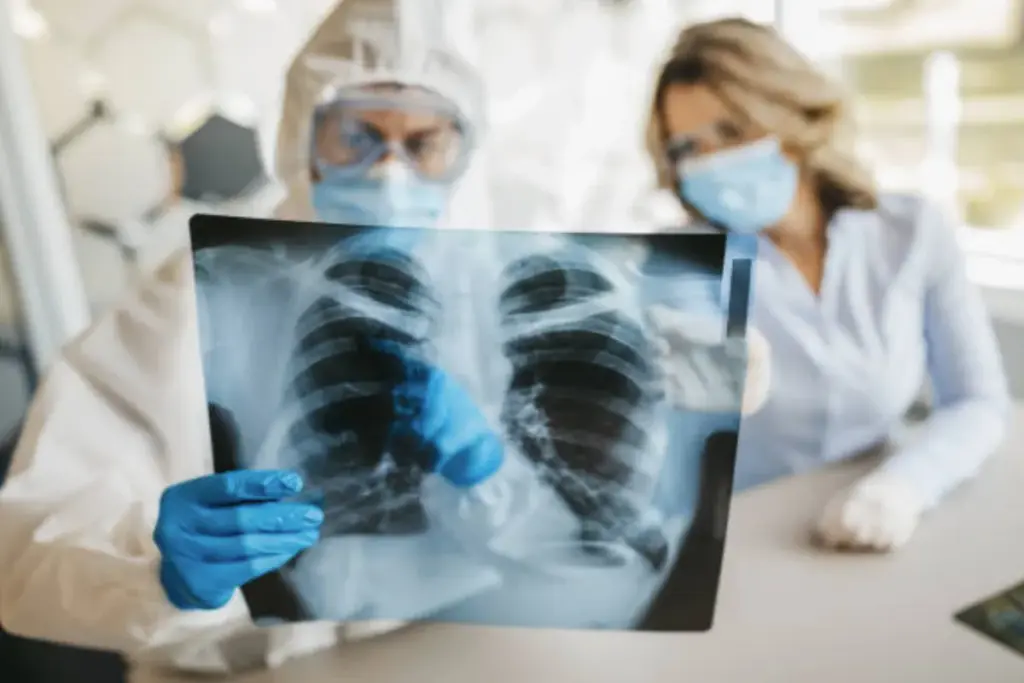
Diagnosing walking pneumonia and regular pneumonia is different. Walking pneumonia is often diagnosed by a doctor’s exam and medical history. Sometimes, a chest X-ray is used. Regular pneumonia may need lab tests to find the cause.
| Characteristics | Walking Pneumonia | Regular Pneumonia |
| Causative Agent | Mycoplasma pneumoniae | Streptococcus pneumoniae and others |
| Symptoms Severity | Mild | Mild to Severe |
| Diagnosis Method | Physical examination, sometimes chest X-ray | Physical examination, laboratory tests, chest X-ray |
A medical expert says, “The difference between walking pneumonia and regular pneumonia is important. It affects treatment and how we manage the patient.”
A medical expert
Walking pneumonia and regular pneumonia are different in many ways. They have different causes, symptoms, and ways to diagnose them. Knowing these differences is essential for effective treatment.
How Long Will Walking Pneumonia Last and Symptom Comparison
Walking pneumonia and regular pneumonia differ in their symptoms. Walking pneumonia has mild symptoms that let people keep up with their daily life. Regular pneumonia, on the other hand, has severe symptoms that may need bed rest or hospital care.
Duration and Recovery Timeline
Walking pneumonia usually lasts a few weeks, with most people getting better in 1-4 weeks. The recovery time can change based on the person’s health and treatment. Regular pneumonia can last longer, sometimes needing hospital care.
People with walking pneumonia usually get better in a month. Those with regular pneumonia might take longer, needing more rest and time to recover.
Walking Pneumonia Symptoms
Symptoms of walking pneumonia are mild. They include a mild cough, low-grade fever, sore throat, and feeling tired. Some might have a barking cough with pneumonia, which is uncomfortable but not severe.
It’s hard to tell walking pneumonia from a common cold because the symptoms are similar. But a chest X-ray can show if it’s pneumonia, with patterns that are different from other infections.
Regular Pneumonia Symptoms
Regular pneumonia has more severe symptoms. These include high fever, chest pain, trouble breathing, and feeling very tired. These symptoms can be very bad and need quick medical help.
Because of how bad the symptoms are, regular pneumonia needs stronger treatment. This might include being in the hospital, antibiotics, and other care like oxygen therapy.
Treatment Approaches for Both Types
Treatment for walking pneumonia includes rest, drinking lots of fluids, and sometimes antibiotics if it’s caused by bacteria. Regular pneumonia needs more care, like being in the hospital, antibiotics, and support like oxygen therapy.
| Characteristics | Walking Pneumonia | Regular Pneumonia |
| Symptom Severity | Mild | Severe |
| Typical Symptoms | Mild cough, low-grade fever, sore throat, fatigue | High fever, chest pain, shortness of breath, significant fatigue |
| Recovery Time | 1-4 weeks | Variable, potentially longer |
| Treatment Approach | Rest, fluids, sometimes antibiotics | Hospitalization, antibiotics, supportive care |
Knowing the difference between walking pneumonia and regular pneumonia is key for good treatment. By understanding each condition, patients can get the right care and recover better.
Conclusion: When to Seek Medical Help
It’s important to know the difference in pneumonia and walking pneumonia to get the right medical care. Walking pneumonia is usually mild but can need doctor’s help if symptoms get worse. Look for signs like trouble breathing, high fever, or chest pain that gets worse with coughing.
If you’re told you have walking pneumonia, your doctor might give you antibiotics like amoxicillin. It’s key to follow their advice for the right treatment. Sometimes, walking pneumonia can appear on an X-ray, helping doctors diagnose it correctly.
Understanding what’s the difference between pneumonia and walking pneumonia helps you make smart health choices. If you’re not sure about your symptoms or how serious they are, see a doctor. They can tell you the best way to get better from walking pneumonia or regular pneumonia.
FAQ:
What is the difference between walking pneumonia and regular pneumonia?
Walking pneumonia is a milder form of pneumonia, often allowing people to continue daily activities, while regular pneumonia is more severe, with higher fever, intense cough, and difficulty breathing.
What causes walking pneumonia?
It is usually caused by the bacterium Mycoplasma pneumoniae, unlike typical pneumonia, which can be bacterial, viral, or fungal.
How is walking pneumonia diagnosed?
Diagnosis is based on symptoms, physical exam, chest X-ray, and sometimes blood tests or throat swabs.
Can walking pneumonia turn into regular pneumonia?
Yes, if untreated or in people with weakened immunity, walking pneumonia can progress to a more severe form of pneumonia.
What does walking pneumonia look like on a chest X-ray?
It often shows patchy or subtle infiltrates in the lungs, unlike the dense consolidation seen in regular pneumonia.
Is amoxicillin effective for treating walking pneumonia?
Amoxicillin is usually not the first choice because walking pneumonia is caused by Mycoplasma, which lacks a cell wall; macrolides (like azithromycin) or doxycycline are preferred.
How long does walking pneumonia last?
Symptoms can last 1–3 weeks, sometimes longer, even after starting treatment.
What are the symptoms of regular pneumonia?
Regular pneumonia symptoms include high fever, chills, productive cough with yellow/green sputum, chest pain, fatigue, and shortness of breath.
How is regular pneumonia treated?
Treatment depends on cause: antibiotics for bacterial pneumonia, antivirals for viral types, oxygen therapy if needed, and supportive care like fluids and rest.
Can pneumonia be treated at home?
Mild cases may be treated at home with antibiotics and rest, but severe symptoms, high fever, or breathing difficulties require hospitalization.
References:
National Center for Biotechnology Information. Evidence-Based Medical Insight. Retrieved from https://pmc.ncbi.nlm.nih.gov/articles/PMC3945631/