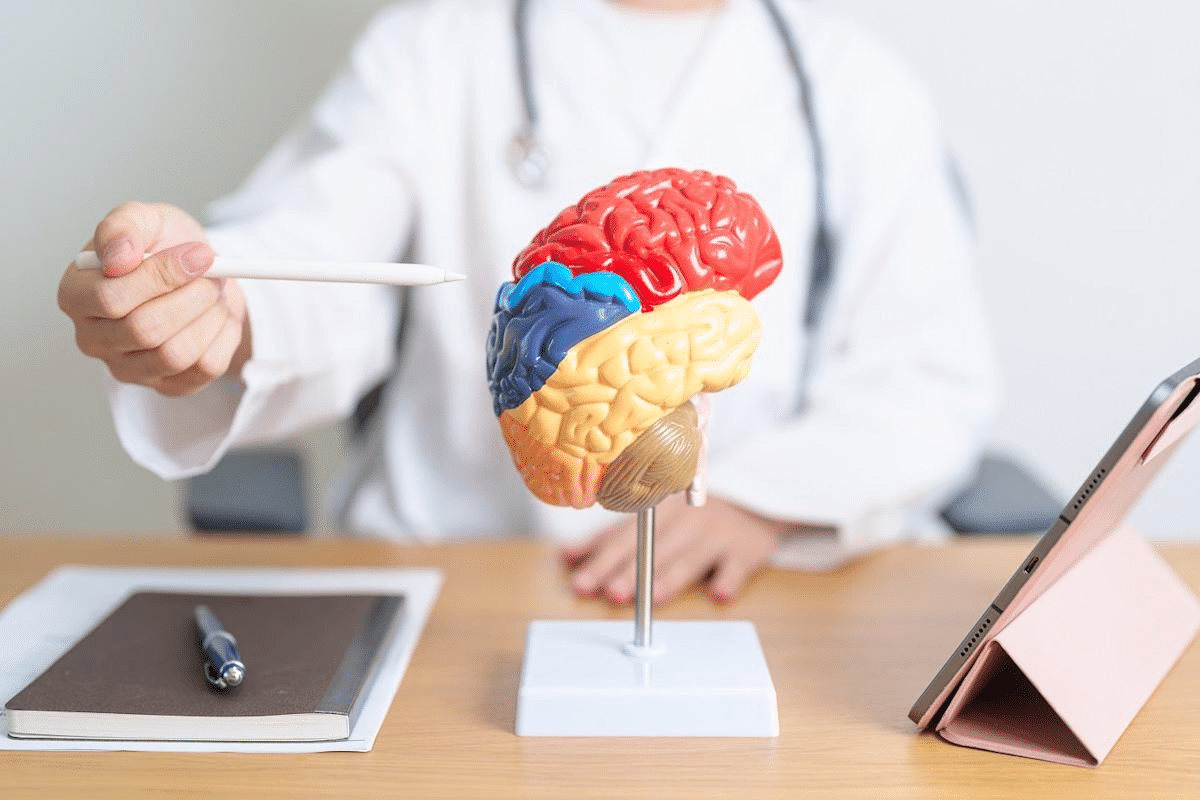
When does cognitive decline start exactly? Get the best scientific info on brain aging and how to preserve vital mental sharpness.
Cognitive decline is a natural part of aging. But, it often starts earlier than people think. Studies show that some cognitive abilities can start to fade in our 20s and 30s.
As we get older, our brain’s size and weight decrease. This change is most noticeable in the prefrontal cortex and hippocampus. Knowing when cognitive decline starts is key to keeping our cognitive health in check. At Liv Hospital, we focus on catching it early and preventing it to help keep our brains healthy for life.
Key Takeaways
- Cognitive decline begins earlier than many adults realize.
- Certain cognitive abilities start to decline in the 20s and 30s.
- Brain volume and weight decline with age, affecting cognitive function.
- Early detection and prevention are key to maintaining cognitive health.
- Liv Hospital’s patient-centered approach supports brain health throughout life.
Understanding Cognitive Decline

It’s important to understand cognitive decline early to improve life quality. Cognitive decline is when our brain functions slow down as we age. It can affect memory, attention, and how fast we process information.
Definition and Types of Cognitive Functions
Cognitive functions include memory, attention, language, problem-solving, and executive functions. These can be split into crystallized intelligence and fluid intelligence. Crystallized intelligence gets better with age, while fluid intelligence often gets worse.
Knowing these types helps us spot and tackle cognitive decline.
Normal Aging vs. Pathological Decline
It’s key to tell normal aging from pathological decline. Normal aging means some brain function loss, but it doesn’t affect daily life much. Pathological decline, like mild cognitive impairment (MCI) or dementia, makes daily tasks hard.
Studies show normal aging is different from MCI or dementia. Symptoms of these conditions are often small and grow slowly.
Prevalence: Two-Thirds of Americans Affected
About two-thirds of Americans will face cognitive impairment at some point. This shows how big of a health issue cognitive decline is.
Older people are more likely to see big changes in their brain. Knowing this helps us find ways to prevent and treat cognitive decline early.
|
Age Group |
Prevalence of Cognitive Decline |
|---|---|
|
65-69 years |
10% |
|
70-74 years |
15% |
|
75-79 years |
25% |
|
80+ years |
40% |
By grasping what cognitive decline is, we can tackle it better. This helps improve life for those affected.
When Does Cognitive Decline Start? The Surprising Truth

Research shows that some brain skills start to fade in our 20s and 30s. This news challenges the idea that brain decline only happens with age. Knowing when and how decline starts is key to keeping our brains sharp throughout life.
Early Signs in Your 20s and 30s
Studies reveal that brain functions like speed and memory start to slow down in early adulthood. For example, learning new things and remembering them might get harder. These early changes are often small and hard to notice in everyday life.
It’s important to remember that these changes happen slowly. Things like lifestyle, education, and brain health can affect how fast and how much we decline. Staying mentally active and healthy can help keep our brains sharp.
The 1% Rule: Midlife Decline Patterns
The “1% rule” says that some brain skills decline by about 1% each year starting in midlife. This can impact skills like speed, memory, and decision-making. Knowing this can help us prepare and maybe slow down decline through training and lifestyle changes.
|
Age Group |
Cognitive Ability |
Average Annual Decline |
|---|---|---|
|
20-39 |
Processing Speed |
0.5% |
|
40-59 |
Working Memory |
1% |
|
60+ |
Executive Functions |
1.5% |
Individual Variation in Onset
It’s important to remember that how and when we decline can vary a lot. Things like genes, education, lifestyle, and health can all play a part. Some people might stay sharp well into old age, while others might decline faster.
Keeping our minds active through learning can build a kind of brain reserve. This reserve might help protect us from age-related brain decline and delay cognitive problems.
By understanding what affects brain decline and taking steps to slow it down, we can take charge of our brain health. This knowledge lets us make choices about our lifestyle and brain training to keep our minds sharp.
Age-Related Patterns of Cognitive Changes
Our brains change as we get older. Some skills get worse, while others stay the same. Knowing these changes helps us deal with life’s challenges.
Fluid vs. Crystallized Intelligence
As we age, our brains change in different ways. Fluid intelligence is about solving problems and learning new things. It often gets worse with age. But crystallized intelligence, which is our stored knowledge, stays strong or even gets better.
This is important because it shows that not all skills decline with age. Older people might struggle with new tasks, but they can use their knowledge well. This can be as good as, or even better than, younger people.
Processing Speed and Reaction Time
One of the first signs of aging is slower processing speed and reaction time. Our brains take longer to process information and react. This can make everyday tasks harder, like driving or quick decision-making.
Even though this is a challenge, many older adults find ways to cope. They use strategies to make up for slower thinking.
Memory Changes Across the Lifespan
Memory also changes with age. Some memories stay strong, but others fade. For example, remembering specific events (episodic memory) gets harder. But general knowledge (semantic memory) stays more stable.
Knowing these differences helps us improve our memory. We can use tricks like mnemonic devices or organize information to help remember better.
Brain Structure Changes Associated with Aging
As we get older, our brain changes a lot. These changes can affect how well we think. They involve many parts of the brain’s structure and how it works.
Neuronal Structure Alterations Without Cell Death
Aging makes our neurons change, even if they don’t die. These changes can make neurons work less well. Studies have found that aging neurons have less complex shapes and different connections.
Synaptic Loss and Pathway Dysfunction
Synaptic loss is a big part of aging. It makes it harder for neurons to talk to each other. This affects how we think. Also, aging makes it harder for neurons to work together.
White Matter and Gray Matter Changes
Aging changes both white and gray matter in the brain. White matter is made of nerve fibers and changes how signals move. Gray matter handles information and also gets worse with age.
|
Age Group |
White Matter Changes |
Gray Matter Changes |
|---|---|---|
|
20-40 |
Minimal changes |
Peak volume |
|
40-60 |
Gradual decline |
Slow volume loss |
|
60+ |
Significant decline |
Noticeable volume loss |
Knowing about these changes helps us find ways to keep our brains sharp. Things like staying active can help keep our brain healthy.
First Cognitive Abilities to Show Age-Related Decline
As we get older, some of our thinking skills start to fade. This can make everyday tasks harder and affect our independence. Knowing which skills are affected and when is key to keeping our minds sharp.
Working Memory Challenges
Working memory is the ability to keep and use information in our minds briefly. It’s one of the first skills to go with age. This means we might struggle to remember new things or follow complex instructions. For example, older folks might find it tough to recall a new phone number or follow a recipe with many steps.
Studies show that working memory starts to slip in our 20s and 30s. But it happens slowly until later in life. Using tricks like mnemonics or breaking down tasks into simpler steps can help.
Processing Speed Reduction
Processing speed is how fast we can react to and process visual info. It slows down with age. This can make daily tasks like driving or responding to emergencies harder.
Research finds that processing speed starts to slow in midlife. Doing brain-challenging activities like puzzles or learning new things can help slow this down.
Executive Function Changes
Executive functions, like planning and problem-solving, also decline with age. This can make managing complex tasks and making good decisions harder.
Many things can affect executive function decline, like lifestyle and health. Staying active, both physically and mentally, can help keep these skills sharp.
In summary, working memory, processing speed, and executive functions are among the first to decline with age. Understanding these changes helps us find ways to keep our minds sharp and independent as we age.
- Working memory decline affects our ability to hold and manipulate information.
- Processing speed reduction impacts our reaction time and efficiency.
- Executive function changes influence our planning, decision-making, and problem-solving abilities.
Cognitive Abilities That Remain Stable with Age
As we get older, some brain functions slow down, but others stay strong. It’s key to know which ones and why they matter for our brain health.
Crystallized Intelligence and Knowledge Retention
Crystallized intelligence is about the knowledge we gain from life and learning. It tends to stay the same or even get better with age. This type of intelligence helps us use what we’ve learned.
Research shows older people can do as well as or even better than the young in tests of vocabulary and general knowledge.
Vocabulary and Language Skills
Vocabulary and language skills are linked to crystallized intelligence and often get better with age. Many older adults feel more confident in their language skills, making them better communicators.
Studies show older adults usually have a bigger vocabulary and use language more accurately than the young. This is a big part of their cognitive health.
Wisdom and Experiential Learning
Wisdom, gained from life experiences, can also stay strong or even grow with age. Wisdom helps us make good choices based on what we’ve learned.
Older people are often valued for their wisdom in many cultures. This shows how much their life experience and knowledge are worth.
|
Cognitive Ability |
Age-Related Trend |
Key Characteristics |
|---|---|---|
|
Crystallized Intelligence |
Remains Stable or Improves |
Knowledge, skills acquired through experience and education |
|
Vocabulary and Language Skills |
Remains Stable or Improves |
Extensive vocabulary, precise language use |
|
Wisdom |
Remains Stable or Improves |
Sound judgment, decision-making based on experience |
Knowing about these stable brain functions helps us find ways to keep our minds sharp as we age. By focusing on what gets better with age, we can see aging in a more positive light.
Individual Differences in Cognitive Aging
As we age, our brains change, but not everyone ages the same way. This difference is due to many factors, like education, how well our brains adapt, and our genes.
The Role of Education and Cognitive Reserve
Education is key in building our brain’s ability to adapt with age. People with more education tend to age better mentally. This is because education boosts our brain’s ability to handle age-related changes.
But it’s not just about school. Doing mentally challenging activities, like reading or solving puzzles, also helps. Those who keep their brains active tend to stay sharp longer.
Genetic Factors in Cognitive Resilience
Our genes also affect how our brains age. Scientists have found certain genes that help our brains stay strong. Knowing about these genes can help us find ways to keep our brains healthy.
Even though we can’t change our genes, knowing them can help us take steps to protect our brains. This might mean getting regular brain checks or making lifestyle choices that support brain health.
Why Some People Maintain Sharp Cognition in Advanced Age
Some people stay mentally sharp well into old age. This is called “successful aging.” Successful aging comes from a mix of genetics, lifestyle, and staying mentally and socially active.
Being social and having a strong network helps keep the mind sharp. Also, regular exercise and a healthy diet are important for brain health.
Understanding why some people age better mentally helps us support those at risk. It also encourages us to find ways to keep our brains healthy as we get older.
Preventing and Slowing Cognitive Decline
Research is uncovering new ways to fight cognitive decline. Knowing when and how it starts is key to keeping our minds sharp. While it’s a natural part of aging, we can delay it with the right steps.
Evidence-Based Cognitive Training
Cognitive training is becoming popular to boost brain function. These programs challenge the brain and improve skills like memory and speed. Studies show they can make a real difference.
Key benefits of cognitive training include:
- Improved memory and recall
- Enhanced processing speed
- Better problem-solving skills
A study on older adults found big gains in memory and speed. Those who trained showed clear improvements.
|
Training Type |
Cognitive Domain |
Outcome |
|---|---|---|
|
Memory Training |
Memory |
Improved recall |
|
Attention Training |
Attention |
Enhanced focus |
|
Processing Speed Training |
Processing Speed |
Faster reaction times |
Lifestyle Modifications for Brain Health
Our lifestyle greatly affects our brain health. Simple changes can make a big difference. Exercise, a healthy diet, and enough sleep are essential.
Lifestyle modifications include:
- Engaging in regular physical activity
- Following a Mediterranean-style diet rich in fruits, vegetables, and omega-3 fatty acids
- Ensuring 7-9 hours of sleep per night
Social Engagement and Mental Stimulation
Being social and mentally active is vital for brain health. Activities that challenge the mind can build a reserve against decline.
Ways to stay socially and mentally active include:
- Participating in community activities or clubs
- Engaging in hobbies that challenge the mind, such as puzzles, reading, or learning a new skill
- Volunteering or mentoring others
By adding these habits to our lives, we can fight cognitive decline. It doesn’t matter when it starts.
Conclusion: Taking Control of Your Cognitive Future
Knowing when cognitive decline starts is key to keeping our minds sharp. Studies show it can start in our 20s and 30s. By midlife, changes become more noticeable. So, when does it start? Being aware of early signs helps us act early.
Living a healthy lifestyle and staying mentally active are important. Managing health conditions also plays a big role. By doing these things, we can fight off cognitive decline.
Understanding cognitive decline helps us take care of our brains. This knowledge lets us make better choices for our health. It’s a way to control our cognitive future.
FAQ
At what age does cognitive decline start?
Cognitive decline starts earlier than many think. It begins in the 20s and 30s.
What are the early signs of cognitive decline?
Early signs include challenges with working memory and processing speed. These changes can start in the 20s and 30s.
What is the difference between normal aging and pathological decline?
Normal aging is natural as we get older. Pathological decline is abnormal and may signal a medical issue.
How common is cognitive decline?
Cognitive decline affects two-thirds of Americans.
What cognitive abilities remain stable or improve with age?
Vocabulary and wisdom can improve with age. Crystallized intelligence also stays stable or improves.
Can cognitive decline be prevented or slowed?
Yes, it can be slowed. Strategies include cognitive training, lifestyle changes, and staying mentally active.
What is the role of education in cognitive aging?
Education is key. It lowers the risk of cognitive decline.
At what age does memory start to decline?
Memory changes happen throughout life. Some types decline earlier than others.
What are the brain structure changes associated with aging?
Aging changes the brain. It includes changes in neurons, synaptic loss, and changes in gray and white matter.
Is it possible to maintain sharp cognition in advanced age?
Yes, some people stay sharp into old age. It’s due to genetics and lifestyle.