
Which nutrients help build strong bones? A fast guide to the best minerals and vitamins that ensure powerful skeletal development. Keeping strong bones is key for good health and staying independent. A 2024 study found that about 10.2 million Americans over 50 have osteoporosis. Another 43.4 million have low bone mass. But, eating right can help lower the risk of bone breaks and improve joint movement.
Bones need many important things to stay strong. At Liv Hospital, we focus on preventing bone problems with the right food. We give patients advice based on science to help strengthen their bones.
Key Takeaways
- Approximately 10.2 million Americans aged 50+ have osteoporosis.
- 43.4 million Americans aged 50+ suffer from low bone mass.
- Dietary adjustments can reduce fracture risk.
- Nutrition plays a critical role in bone health.
- Liv Hospital offers evidence-based guidance on bone health.
The Critical Connection Between Nutrition and Bone Health
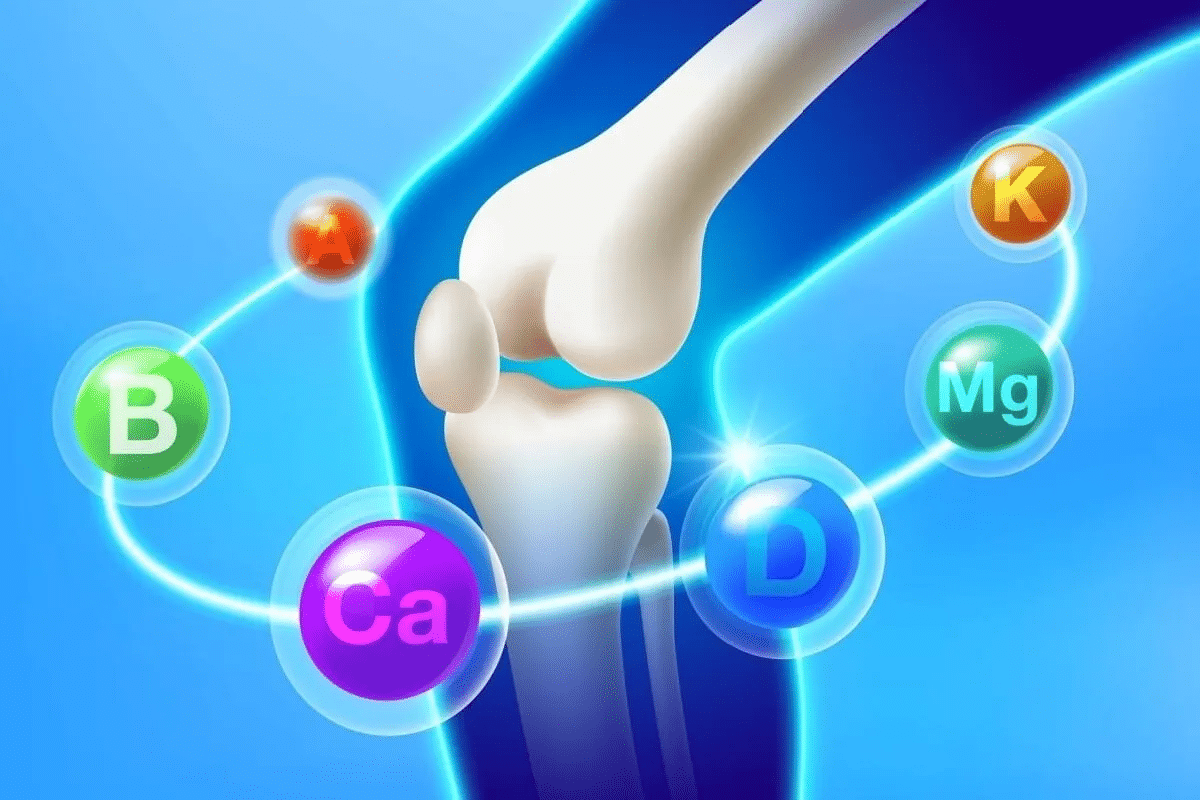
Nutrition is key to keeping bones strong. It affects how dense our bones are and our risk of bone diseases. A diet without important nutrients can weaken bones, raising the chance of fractures and osteoporosis.
The Alarming Statistics of Bone Disorders in America
Bone diseases like osteoporosis and osteopenia hit millions in the U.S. Over 10 million have osteoporosis, and 43 million are at risk. These conditions hurt our quality of life and cost a lot in healthcare.
Preventing these diseases is vital. Eating foods rich in calcium and vitamin D helps keep bones strong and lowers fracture risk.
How Dietary Choices Impact Skeletal Strength Throughout Life
What we eat affects our bones from childhood to old age. Nutrients like calcium and vitamin D are vital for bone growth. Not getting enough later in life can cause bone loss and osteoporosis.
Eating foods to strengthen bones is important. This includes dairy, leafy greens, nuts, and fatty fish. Making smart food choices is essential for strong bones and joints.
Which Nutrients Help Build Strong Bones: A Comprehensive Guide
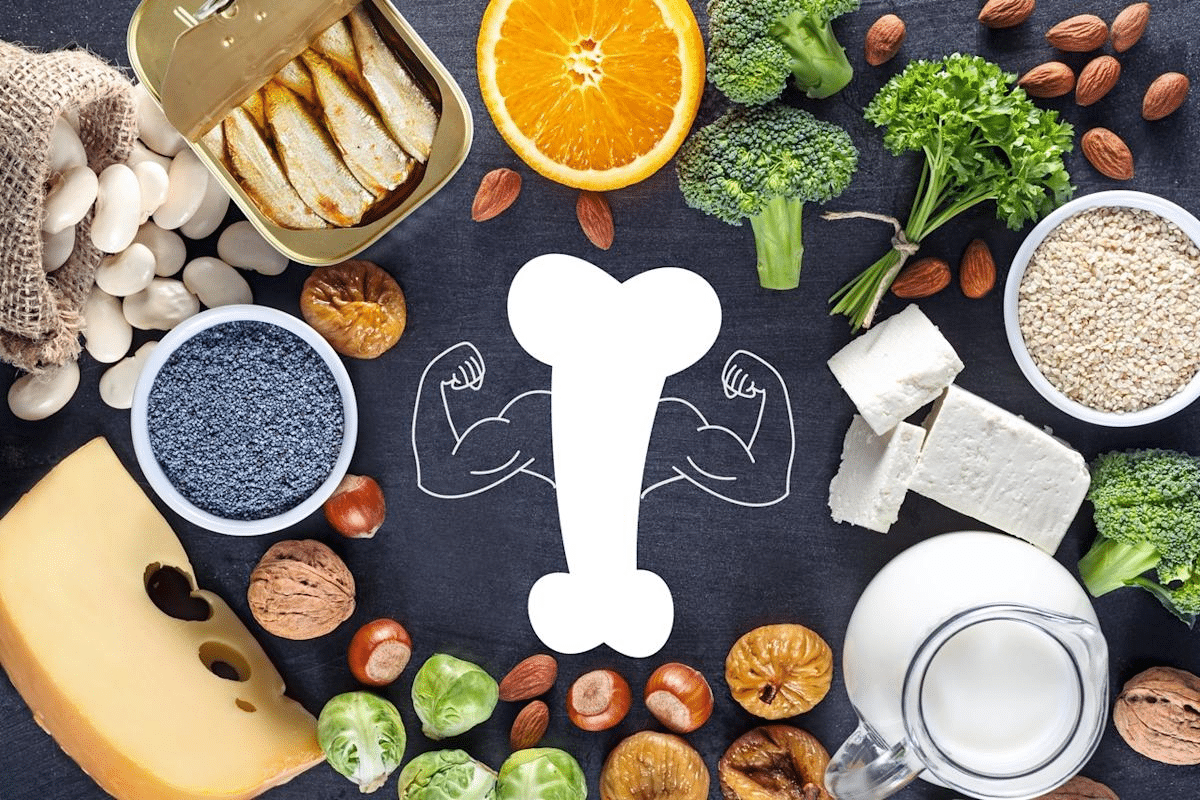
Strong bones start with the right nutrients in our diet. It’s important to eat foods that help keep bones strong. This helps prevent bone problems.
Calcium: The Fundamental Building Block
Calcium is key for strong bones. We need 1,000-1,200 mg of calcium daily. You can get it from dairy, leafy greens, and fortified foods. This helps keep bones dense and strong.
Vitamin D: The Essential Absorption Facilitator
Vitamin D helps our body use calcium. Having enough vitamin D is vital for bones. You can get it from the sun, supplements, and fatty fish.
Magnesium: The Synergistic Mineral for Bone Density
Magnesium is important for bone health. It helps with calcium use and bone growth. Eating foods rich in magnesium, like nuts and greens, is good for bones.
Vitamin K2: The Calcium Director
Vitamin K2 guides calcium to bones and teeth. It’s key for bone health. Find it in fermented foods and some cheeses.
To keep bones strong, eat a variety of nutrient-rich foods. Knowing about calcium, vitamin D, magnesium, and K2 helps make better food choices. This supports bone health.
Dairy Products: Nature’s Complete Bone Health Package
Dairy products are key for strong bones. They’ve been a part of diets for centuries. They offer essential nutrients for bone health, with calcium being a major one.
Dairy is not just about calcium. It also has protein, vitamins, and minerals. These help build and strengthen bones. Vitamin D, magnesium, and potassium are all important for bone health.
Greek Yogurt: Probiotic-Enhanced Calcium Absorption
Greek yogurt is great for bones because of its calcium and probiotics. Probiotics boost gut health, helping your body absorb nutrients better. Greek yogurt’s mix of calcium and probiotics is perfect for bone health. It also has lots of protein to support bones.
A study in the Journal of Nutrition showed yogurt can boost bone density. It’s easy to add Greek yogurt to your diet. Try it for breakfast or in smoothies.
Cheese Varieties: Concentrated Sources of Calcium and Vitamin K2
Cheese is also good for bones. It’s full of calcium and vitamin K2. Vitamin K2 helps put calcium in bones, not in soft tissues. Cheeses like cheddar, parmesan, and gouda are tasty and good for bones.
- Cheddar cheese is a rich source of calcium and vitamin K2.
- Parmesan cheese contains high levels of calcium and protein.
- Gouda cheese is another excellent source of calcium and vitamin K2.
Eating different cheeses can give you many nutrients for bones. Cheese can be tasty in pasta, sandwiches, or on its own. It’s a fun way to support your bones.
Fatty Fish: The Dual Powerhouses of Calcium and Vitamin D
Fatty fish are packed with calcium and vitamin D, making them great for bones. They offer two key nutrients for bone health: calcium and vitamin D. These nutrients help bones grow and stay strong.
Fatty fish like salmon and sardines are tasty and full of nutrients for bones. They are among the best foods that promote bone growth and are excellent food for bone density. The calcium in them builds bones, and vitamin D helps the body absorb it.
Wild-Caught Salmon: The Complete Bone-Building Package
Wild-caught salmon is great for bones. It has calcium, vitamin D, and omega-3 fatty acids. These omega-3s fight inflammation, which can help prevent bone problems.
Eating wild-caught salmon often helps keep bones healthy. It’s also easy to add to your meals in many ways.
Sardines: Small Fish with Mighty Bone-Strengthening Properties
Sardines are small but mighty for bones. They’re full of calcium and vitamin D. Their small size means they often come with their bones, adding extra calcium.
|
Fish Type |
Calcium Content |
Vitamin D Content |
|---|---|---|
|
Wild-Caught Salmon |
10% DV per 3 oz serving |
60% DV per 3 oz serving |
|
Sardines |
35% DV per 3 oz serving |
40% DV per 3 oz serving |
Eating fatty fish like salmon and sardines helps keep bones strong. They’re not just good for bones but also for overall health.
Leafy Greens: Plant-Based Calcium Champions
Eating leafy greens is a great way to get more calcium naturally. These greens are full of calcium and other nutrients that are good for your health. They are a tasty and healthy way to help keep your bones strong.
Kale: The Versatile Bone-Building Superfood
Kale is a top choice for bone health. It has lots of calcium, with one cup of cooked kale giving you about 250 mg. It also has vitamin K, which helps with bone mineralization.
Collard Greens: High Calcium Content with Low Oxalates
Collard greens are also great for your bones. They have a lot of calcium and not much oxalate, so your body can absorb the calcium better. This makes them a top pick for increasing calcium in your diet.
Leafy greens offer many benefits:
- High Calcium Content: Leafy greens like kale and collard greens are rich in calcium, essential for bone health.
- Rich in Other Nutrients: They are also a good source of other nutrients like vitamin K and magnesium, which support bone health.
- Versatility in Diet: Leafy greens can be easily incorporated into a variety of dishes, from salads to smoothies.
Adding different leafy greens to your meals can really help your bone health. Whether you sauté, steam, or add them to soups, they are a delicious and nutritious choice.
Seeds and Nuts: Magnesium-Rich Bone Supporters
Magnesium-rich seeds and nuts are key for strong bones. They are a must in a healthy diet. These foods are packed with magnesium and other nutrients good for bones.
Chia Seeds: The Ancient Seed with Modern Bone Benefits
Chia seeds are full of magnesium, with 111 mg in just one ounce. They also have calcium, phosphorus, and protein. This makes them great for building bones. You can add them to cereal or smoothies easily.
Chia seeds help keep bones strong and dense. They also help bones absorb important minerals.
Almonds: The Perfect Calcium-Magnesium Balance
Almonds are great for bones because they have the right mix of calcium and magnesium. A one-ounce serving has 75 mg of magnesium. This mix is important for strong bones.
Eating almonds often can help bones by supporting the bone-building process. It also helps calcium absorption, which is key for strong bones.
|
Nut/Seed |
Magnesium Content (mg/oz) |
Calcium Content (mg/oz) |
|---|---|---|
|
Chia Seeds |
111 |
179 |
|
Almonds |
75 |
75 |
In conclusion, chia seeds and almonds are tasty and good for bones. They are rich in magnesium and other nutrients that help bones stay strong.
Protein Sources for Strong Bone Matrix
Protein is key for a healthy bone matrix. It helps build and keep bones strong. Collagen, a vital part of bones, is made from protein.
There are many protein sources good for bones. We’ll look at two main types: lean meats and legumes.
Lean Meats: Essential Protein for Collagen Formation
Lean meats are great for protein and collagen. Collagen is the most abundant protein in the human body. It’s important for strong bones. Eating chicken, turkey, and lean beef helps make collagen.
Legumes: Plant-Based Protein with Mineral Benefits
Legumes like beans, lentils, and peas are full of protein and minerals. They have calcium, magnesium, and potassium. These minerals are essential for bone health. Eating different legumes can help keep bones strong.
Eating a mix of lean meats and legumes is good for bones. It ensures enough protein for bone health.
Vitamin-Rich Fruits for Collagen Production and Bone Protection
Fruits are key for bone health because they have vitamins and antioxidants. A diet full of fruits helps keep bones and joints strong. They protect bone cells and boost skeletal strength.
Citrus Fruits: Vitamin C Powerhouses for Collagen Synthesis
Citrus fruits like oranges, lemons, and grapefruits are full of vitamin C. Vitamin C is vital for making collagen, which keeps bones, skin, and connective tissue healthy. Eating more citrus fruits boosts collagen production and supports bone health.
A study in the Journal of Nutrition showed vitamin C helps older adults’ bone density. Citrus fruits also have flavonoids, which fight inflammation.
Berries: Antioxidant Protection for Bone Cells
Berries like strawberries, blueberries, and raspberries are full of antioxidants. Antioxidants protect bone cells from damage. They are also rich in vitamins C and K, and minerals like manganese, which are good for bones.
Berries’ antioxidants reduce inflammation and improve health. Eating berries can lower the risk of bone disorders. A researcher said, “Eating fruits, like berries, helps prevent osteoporosis and fractures.”
“A diet rich in fruits, including those with lots of vitamin C and antioxidants, is key for strong bones and preventing bone problems.”
|
Fruit |
Vitamin C Content (mg per 100g) |
Antioxidant Capacity |
|---|---|---|
|
Orange |
53.2 |
High |
|
Strawberry |
58.8 |
Very High |
|
Blueberry |
9.7 |
Very High |
Eating a variety of fruits, like citrus and berries, helps a lot. They give us vitamins and antioxidants that are vital for strong bones and good skeletal health.
Conclusion: Building a Comprehensive Bone-Healthy Diet Plan
A balanced diet is key for strong bones and joints. Eating a variety of bone health food is important. This includes dairy, fatty fish, leafy greens, seeds, nuts, lean meats, legumes, and fruits rich in vitamins.
To make bones stronger, eat foods rich in calcium, vitamin D, magnesium, and vitamin K2. Good choices are Greek yogurt, wild-caught salmon, kale, chia seeds, and almonds. Adding these to your diet helps keep bones strong for life.
By eating these nutrient-rich foods and keeping your diet balanced, you can help your bones. A good bone-healthy diet plan should fit your personal needs. This ensures your bones stay strong and you stay healthy.
FAQ
What are the best foods to eat for strong bones?
For strong bones, eat foods like Greek yogurt and cheese. Salmon and sardines are also good. Kale and collard greens are great, as are chia seeds and almonds. Don’t forget lean meats, legumes, and fruits like citrus and berries.
How does nutrition impact bone health?
Nutrition is key for strong bones. Eating foods rich in calcium, vitamin D, magnesium, and vitamin K2 helps. This can lower the risk of bone problems.
What are the most important nutrients for bone health?
Calcium, vitamin D, magnesium, and vitamin K2 are vital. Calcium helps bones stay dense. Vitamin D helps your body absorb calcium. Magnesium and vitamin K2 also play big roles.
Are there any specific foods that can help increase bone density?
Yes, foods high in calcium and vitamin D can boost bone density. Dairy, fatty fish, leafy greens, and fortified plant-based milk are good choices.
Can a plant-based diet support bone health?
Yes, a plant-based diet can be good for bones. Leafy greens, legumes, and fortified plant-based milk are rich in calcium and other nutrients.
How can I ensure I’m getting enough calcium and vitamin D?
Eat a balanced diet with dairy, fatty fish, leafy greens, and fortified foods. If needed, talk to a doctor about supplements.
Are there any foods that can help reduce the risk of osteoporosis?
Yes, eating foods like dairy, fatty fish, and leafy greens can help. Also, stay healthy, exercise, and don’t smoke.
What are some calcium-rich foods for bone healing?
For bone healing, try dairy, leafy greens, fortified plant-based milk, and calcium-set tofu.
How can I build a bone-healthy diet plan?
Create a diet plan with a variety of bone-building foods. Include dairy, fatty fish, leafy greens, nuts, lean meats, legumes, and fruits. Avoid processed and sugary foods.
Reference
National Center for Biotechnology Information. Top 10 Foods for Bone Strength and Joint Health. Retrieved from https://pmc.ncbi.nlm.nih.gov/articles/PMC11882656/