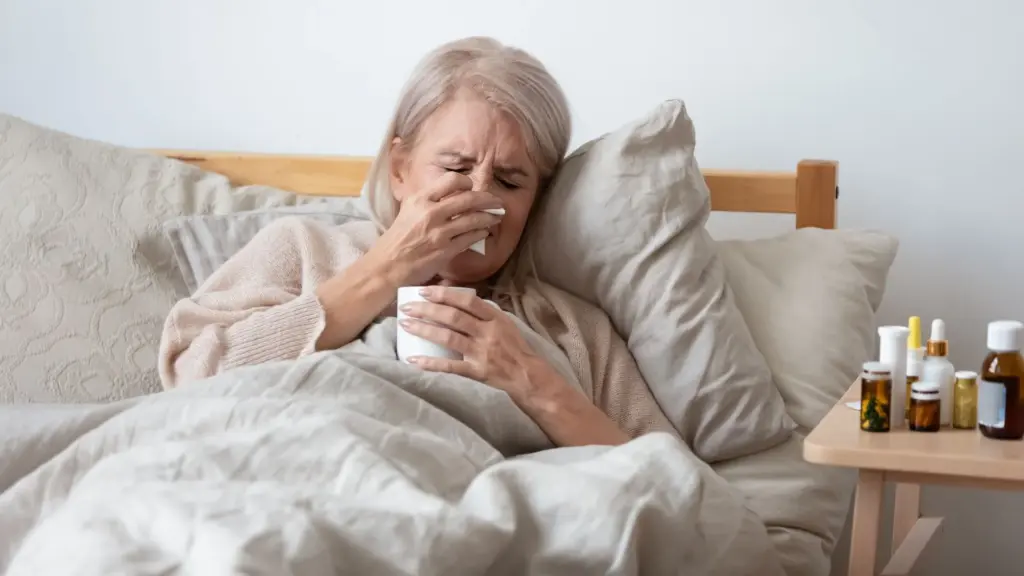
As the world’s population ages, it’s key to understand why older adults face higher risks of severe infections. Compromised immune systems are a big part of this problem.
The CDC says that from July 2024 to June 2025, the highest COVID hospital rates were in adults over 75. Then came those aged 65-74. This shows how older adults are at a heightened risk because of changes in their immune systems with age.
At Liv Hospital, we know about these special risks. We’re committed to giving trusted, patient-focused care. We’ll look into why older adults are more likely to get severe infections, focusing on how their immune function declines with age.
Key Takeaways
- Older adults experience a decline in immune function due to age-related changes.
- Immunosenescence and inflammaging contribute to increased infection risk.
- Hospitalization rates for COVID-19 are highest among adults aged 75 or older.
- Compromised immune systems make older adults more vulnerable to severe infections.
- Liv Hospital provides patient-centered care tailored to the needs of older adults.
The Alarming Statistics Behind Severe Illnesses in Elderly Populations
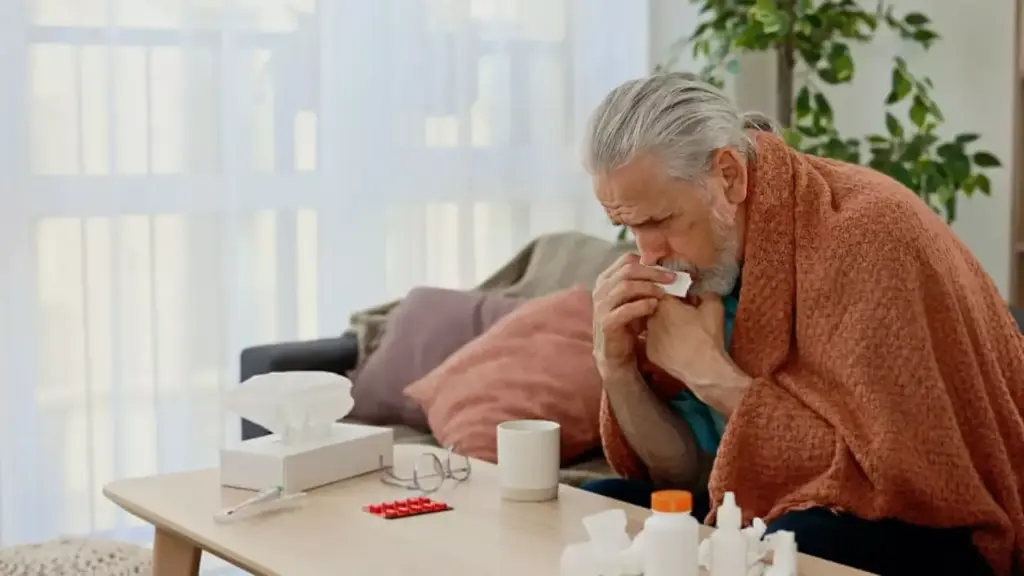
As the world’s population gets older, more older adults are getting very sick. This is scary because older people are more likely to get very sick. This is because their immune system is weaker and they might have other health problems.
Looking at the health issues older people face, it’s clear they are at high risk. The numbers on sepsis hospitalizations, COVID-19’s effects, and respiratory infections among the elderly show how risky their situation is.
Sepsis Hospitalization Rates Among Seniors
Adults over 65 are 13 times more likely to be in the hospital with sepsis than younger people. Sepsis is a serious condition that happens when the body overreacts to an infection. It’s very dangerous for older adults because their immune system is weaker and they might have other health problems.
COVID-19’s Disproportionate Impact on Older Adults
The COVID-19 pandemic has shown how vulnerable older adults are to serious illnesses. More than two-thirds of COVID-19 hospitalizations are in people over 65. The death rate from COVID-19 goes up a lot with age. It’s much higher in people in their 80s or older.
Respiratory Infection Prevalence in Aging Americans
Respiratory infections, like bacterial pneumonia, are a big threat to the elderly. People over 65 get bacterial pneumonia 4 times more often than those under 45. This is because their immune system is weaker and their respiratory system changes with age.
| Condition | Age Group | Incidence/Hospitalization Rate |
| Sepsis | 65+ | 13 times higher than younger adults |
| COVID-19 | 65+ | More than 2/3 of COVID-associated hospitalizations |
| Bacterial Pneumonia | 65+ | 4 times higher incidence than under 45 years |
The numbers on severe illnesses in the elderly show we need to focus on protecting them. By understanding the risks and taking action, we can help reduce severe illnesses in older adults.
Immunosenescence and Inflammaging: Why the Immune System Weakens with Age
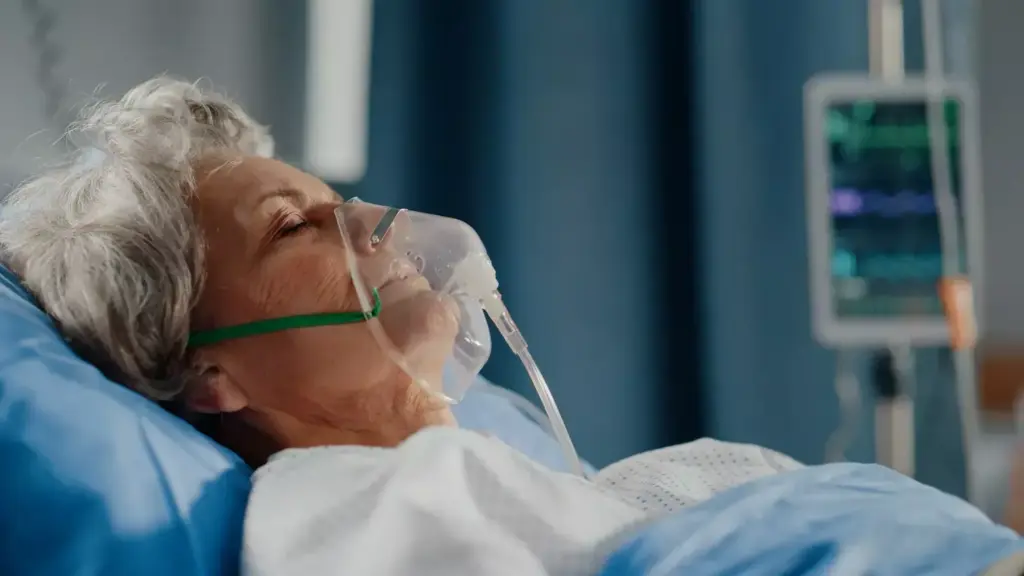
As we get older, our immune system gets weaker. This is due to immunosenescence and inflammaging. Let’s look at how these changes affect our immune system.
Understanding Immunosenescence
Immunosenescence is when our immune system slowly gets worse with age. It affects both the innate and adaptive immune responses. This makes older people more likely to get sick. The key aspects of immunosenescence include:
- Reduced production of new immune cells
- Altered function of existing immune cells
- Changes in the balance between different types of immune cells
These changes make it harder for our immune system to fight off infections. This leads to a higher risk of getting sick.
The Role of Inflammaging in Increased Infection Risk
Inflammaging is a low-grade inflammation that happens as we age. It might seem strange, but it weakens our immune system. The causes of inflammaging include:
- Accumulation of cellular damage over time
- Increased production of pro-inflammatory cytokines
- Imbalance in the regulation of the immune response
Inflammaging makes it easier for infections and diseases to take hold. It’s a big part of why our immune system gets weaker with age.
Decreased Responsiveness to Vaccines
Older adults often don’t respond as well to vaccines. This is because of immunosenescence. Strategies to improve vaccine efficacy in older adults include:
- Development of age-specific vaccines
- Use of adjuvants to enhance immune response
- Optimizing vaccination schedules for older adults
By understanding why vaccines don’t work as well for the elderly, we can make better vaccines. This will help keep older adults healthier.
Compromised Immune Systems: The Multiple Factors Behind Elderly Vulnerability
The elderly face a higher risk of severe infections. This is due to changes in their immune systems as they age. These changes make it harder for their bodies to fight off diseases.
Impaired T-Cell and B-Cell Function
T-cells and B-cells are key to the immune system. Impaired T-cell function makes it harder to kill infected cells. Dysfunctional B-cells also make it tough to fight off infections.
As we get older, T-cells and B-cells don’t work as well. This makes us more likely to get sick and less responsive to vaccines.
Decreased Macrophage Activity and Innate Immunity
Macrophages are important for fighting infections. Decreased macrophage activity weakens our first defense against germs.
| Immune Component | Age-Related Change | Impact on Immune Function |
| T-Cells | Decline in number and function | Reduced cell-mediated immunity |
| B-Cells | Impaired antibody production | Compromised humoral immunity |
| Macrophages | Decreased activity | Impaired innate immunity |
Respiratory Infections: A Leading Threat to Elderly Health
Respiratory infections like flu and pneumonia are big risks for the elderly. These can cause serious problems, including sepsis, which is very dangerous.
The elderly are more at risk for these infections. This is because their immune systems weaken with age. Other factors like health problems and weaker lungs also play a part.
Conclusion
It’s important to understand why older people are more at risk for serious infections. Their immune systems are weaker, making them more vulnerable. This is a key reason why we need to find ways to protect them.
Older adults face a higher risk of getting sick because their immune systems age. This can lead to severe illnesses. So, it’s vital to take steps to prevent these infections.
Vaccines are a key tool in keeping older people safe from serious infections like COVID-19 and flu. By getting vaccinated, they can lower their risk of getting very sick. We must keep stressing how important vaccines are for this group.
To help older people avoid serious infections, we need to tackle the root causes. This means focusing on vaccination, good healthcare, and raising awareness about aging-related risks. Together, we can make a difference.
FAQ
Why are elderly people more susceptible to severe infections?
Elderly people face a higher risk of severe infections. This is due to a decline in their immune function with age. This decline, known as immunosenescence, and chronic inflammation, or inflammaging, affect their ability to fight off infections.
What is immunosenescence, and how does it impact the elderly?
Immunosenescence is the gradual weakening of the immune system with age. It makes it harder for the elderly to fight off infections and respond to vaccines. This makes them more likely to get very sick.
How does inflammaging contribute to increased infection risk in older adults?
Inflammaging, or chronic inflammation, increases the risk of infections in older adults. It creates an environment that can harm the immune system. This makes it harder for the body to fight off new infections.
What role do respiratory infections play in elderly health?
Respiratory infections are a big threat to elderly health. The decline in immune function and underlying health conditions make them more vulnerable. These infections can lead to serious complications, like pneumonia.
How do compromised immune systems affect the elderly?
Compromised immune systems in the elderly make them more vulnerable to infections. This is due to factors like immunosenescence and chronic diseases. They also respond less well to vaccines, making prevention key.
What are the key factors that contribute to elderly vulnerability to infections?
Several factors contribute to elderly vulnerability to infections. These include impaired T-cell and B-cell function, decreased macrophage activity, and innate immunity. Chronic inflammation and underlying health conditions also play a big role.
Why are older adults at a higher risk for severe illness from COVID-19?
Older adults face a higher risk of severe illness from COVID-19. This is due to a decline in immune function with age, underlying health conditions, and increased susceptibility to respiratory infections.
How can elderly people protect themselves from severe infections?
Elderly people can protect themselves by staying up-to-date on vaccinations and practicing good hygiene. This includes frequent handwashing. Managing health conditions and avoiding sick people also helps reduce the risk of infection.
References
Nature. Evidence-Based Medical Insight. Retrieved from https://www.nature.com/articles/nri3226



 Departments
 Related Videos
 Our Doctors
 News
News