Nocturnal asthma is a condition where asthma symptoms worsen at night. It affects about 60% of asthma patients worldwide. Many people with asthma find their symptoms get worse at night. This can disrupt sleep and lead to dangerous complications.
Waking up gasping for breath or wheezing can be scary. Knowing why asthma symptoms get worse at night is key to managing and preventing them. In this guide, we’ll dive into the science behind it. We’ll also share tips on nighttime asthma relief.
Key Takeaways
- Understanding nocturnal asthma is vital for effective management.
- Asthma symptoms can worsen at night due to various factors.
- Identifying triggers is key to preventing nocturnal asthma attacks.
- Proper treatment and lifestyle changes can provide nighttime asthma relief.
- Managing asthma effectively can lead to better sleep quality.
Understanding Nocturnal Asthma: A Dangerous Nighttime Threat
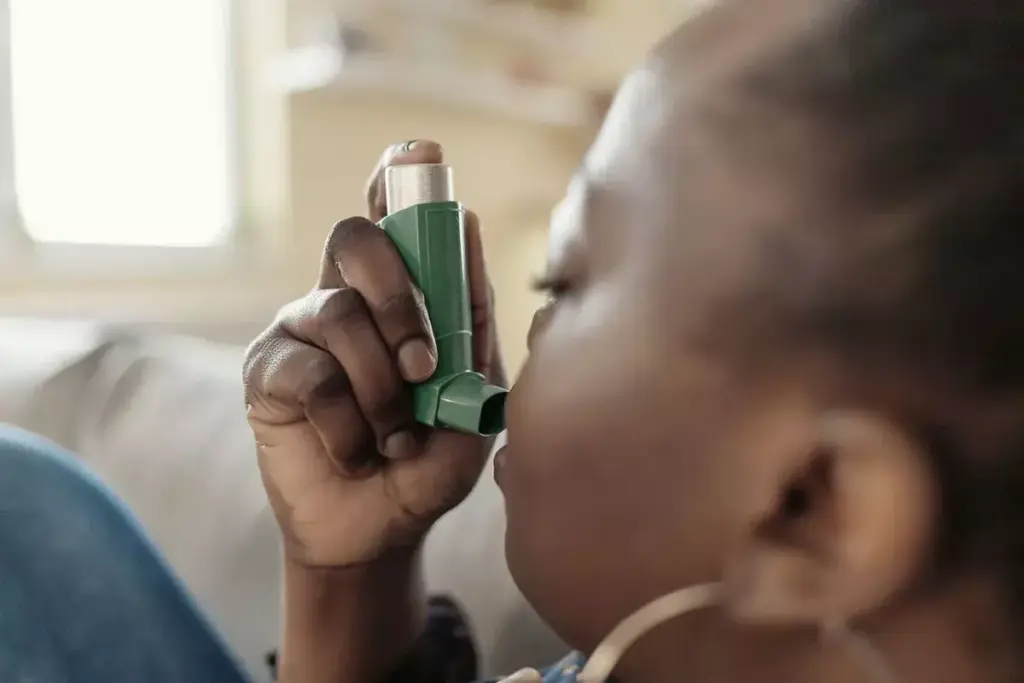
Asthma attacks at night, known as nocturnal asthma, are a big worry for those with asthma. Nocturnal asthma means asthma symptoms get worse at night. This can mess up sleep and overall health.
What Is Nocturnal Asthma and Who Does It Affect?
Nocturnal asthma hits a lot of people with asthma. About 75% of people with asthma wake up at least once a week because of symptoms. It can happen to anyone with asthma, no matter how bad it is.
The Alarming Statistics: Prevalence and Mortality Rates
The numbers on nocturnal asthma are scary. It can lead to more sickness and even death. The exact death rates are hard to say, but it’s clear that bad asthma at night can be deadly. This makes it very important to deal with it.
Recognizing Nighttime Asthma Symptoms
It’s key to know the signs of nocturnal asthma to manage it well. Common signs include waking up with shortness of breath, coughing, or wheezing at night. These can be caused by things like allergens, infections, and some medicines.
Spotting these signs early can help prevent and manage nocturnal asthma better.
What Triggers Asthma Attacks at Night?

Nocturnal asthma symptoms can be caused by many things. These include biological, environmental, and medical factors. Knowing what triggers them is key to managing nighttime asthma.
Biological Mechanisms Behind Nocturnal Symptoms
Our bodies have natural rhythms that affect how we work. At night, these rhythms can make airways more sensitive. This makes asthma symptoms worse.
Experts say, “The circadian rhythm affects the body’s cortisol levels, which are typically lower at night, potentially worsening asthma symptoms.” Nocturnal asthma is a complex condition influenced by these natural fluctuations.
Circadian rhythm changes can lead to increased airway inflammation and responsiveness. This makes it harder to breathe during sleep. The natural drop in cortisol levels at night can also make asthma symptoms worse.
Bedroom Environmental Triggers
The bedroom environment is a big factor in triggering nocturnal asthma symptoms. Common allergens like dust mites, pet dander, and mold can build up in bedding and furniture. This can trigger allergic reactions and asthma symptoms.
Dust mites are a big problem in bedrooms, found in mattresses and pillows. Using allergen-proof bedding and washing bedding in hot water can help reduce exposure to these triggers.
Medical Conditions That Worsen Nighttime Asthma
Certain medical conditions can make nighttime asthma symptoms worse. Gastroesophageal reflux disease (GERD), sinus infections, and hormonal changes are among them. These conditions can trigger or worsen nocturnal asthma.
GERD is a condition where stomach acid flows back into the esophagus. This can irritate the airways and trigger asthma symptoms. Managing GERD through lifestyle changes and medication can help alleviate nighttime asthma symptoms.
Exploring these triggers shows we need a complete approach to manage nocturnal asthma. By understanding and addressing these factors, individuals can reduce their risk of nighttime asthma attacks.
Effective Prevention Strategies for Nighttime Asthma Relief
To prevent asthma attacks at night, a detailed plan is needed. This plan includes making bedroom changes, using medical treatments, and making lifestyle adjustments. By using a mix of these strategies, people can lower their risk of asthma symptoms at night.
Creating an Asthma-Friendly Bedroom
Making your bedroom asthma-friendly is a key step. It means cutting down on allergens and irritants that can cause asthma attacks. Using dust-proof mattress covers and keeping pets out of your bedroom can help. Also, an air purifier can help clean the air.
For more tips on sleeping better with asthma, check out this resource. It offers detailed advice on managing asthma while sleeping.
Medical Management Approaches
Good medical care is key to controlling asthma at night. This means following your doctor’s treatment plan and possibly changing it if needed. Doctors might suggest inhaled corticosteroids or other medicines to fight inflammation and stop asthma attacks.
| Medication Type | Purpose | Example |
| Inhaled Corticosteroids | Reduce inflammation | Fluticasone |
| Bronchodilators | Relax airway muscles | Salmeterol |
| Combination Therapy | Both reduce inflammation and relax airway muscles | Fluticasone/Salmeterol |
Lifestyle Adjustments for Better Breathing at Night
Changing your lifestyle can also help manage asthma at night. This includes keeping a healthy weight, not smoking, and staying active. Exercise can improve lung health, and a healthy diet can reduce inflammation.
By making these changes, people can live better and have fewer asthma attacks at night. It’s about having a plan that covers all aspects of managing asthma at night.
Conclusion: Taking Control of Your Nighttime Asthma
Managing nighttime asthma needs a full plan. This includes knowing what triggers it, spotting symptoms early, and using prevention methods. By learning about nocturnal asthma, people can stop attacks while they sleep.
Creating a bedroom safe for asthma and making lifestyle changes can help a lot. We suggest working with doctors to make a plan that fits you. This way, you can sleep without asthma attacks.
By controlling nighttime asthma, you can live better and avoid serious attacks. It’s key to know the risks and act early to manage it. This ensures you get a good night’s sleep.
FAQ
What is nocturnal asthma?
Nocturnal asthma is a type of asthma where symptoms such as coughing, wheezing, and shortness of breath worsen at night.
Can you have an asthma attack in your sleep?
Yes, asthma attacks can occur during sleep due to airway narrowing, allergens, or nighttime changes in hormones and lung function.
Why do I wake up wheezing?
You may wake up wheezing because your airways become more inflamed and narrowed at night or due to allergens, reflux, or cold air.
What triggers asthma attacks at night?
Common triggers include dust mites, pet dander, mold, cold air, acid reflux, lying flat, and poor asthma control.
How can I prevent nighttime asthma attacks?
Use your controller medications regularly, avoid triggers, treat acid reflux, and keep your bedroom clean and allergen-free.
Can asthma kill you in your sleep?
Although rare, severe uncontrolled asthma can be life-threatening, making proper treatment and monitoring essential.
Why do I only wheeze at night?
Nighttime airway narrowing, increased mucus, and exposure to bedroom allergens can cause symptoms to appear mainly at night.
What is the best treatment for nocturnal asthma?
Daily inhaled corticosteroids with a long-acting bronchodilator and a rescue inhaler for attacks are the most effective treatment.
How can I create an asthma-friendly bedroom?
Use dust-mite covers, wash bedding weekly in hot water, remove carpets, control humidity, and keep pets out.
Can lifestyle adjustments help alleviate nocturnal asthma symptoms?
Yes, quitting smoking, maintaining a healthy weight, exercising regularly, and avoiding late meals or allergens can reduce symptoms.
References
National Center for Biotechnology Information. Evidence-Based Medical Insight. Retrieved from https://pubmed.ncbi.nlm.nih.gov/30037641/