
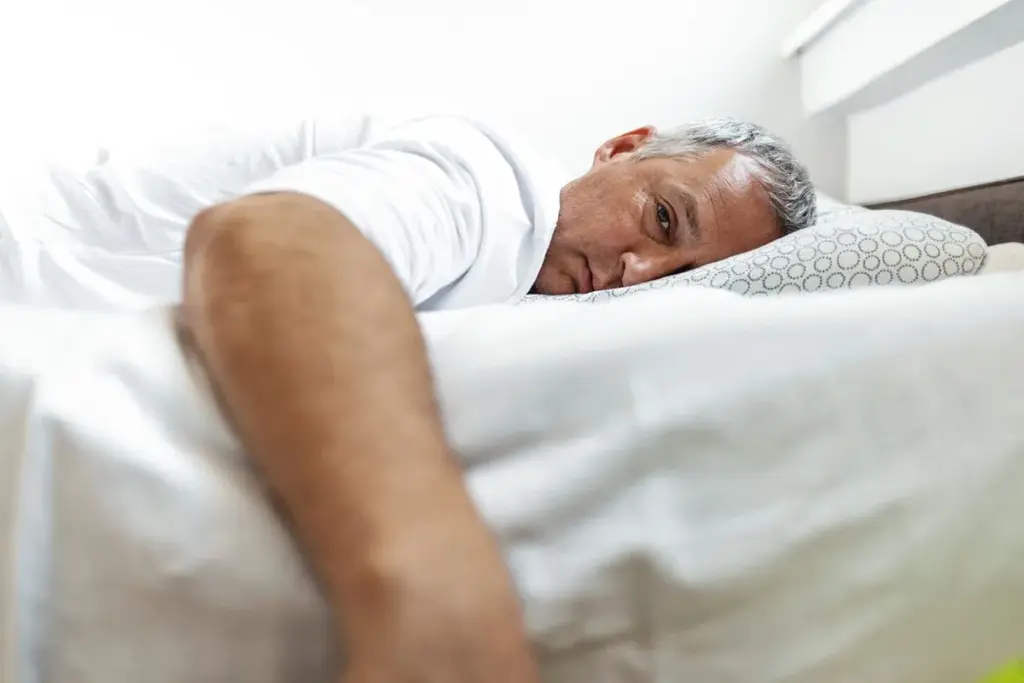
Depression is a complex condition that affects both mental and physical health, including sleep patterns. Many people with depression sleep a lot during the day and sleep for a long time. This is called hypersomnolence. Studies show that about 25% of those with major depressive disorder have this problem.
It’s important to understand how depression and sleep are connected. At Liv Hospital, we know that treating sleep problems is key for those with depression. By looking into the relationship between depression and sleep, we can see how major depressive disorder affects daily life and well-being.
Key Takeaways
- Hypersomnolence is a common symptom in patients with major depressive disorder.
- Depression can lead to both hypersomnolence and insomnia.
- Understanding the link between depression and sleep is key for effective treatment.
- Sleep disturbances can greatly affect daily life and overall well-being.
- Addressing sleep issues is vital for complete depression care.
The Connection Between Depression and Sleep Disturbances
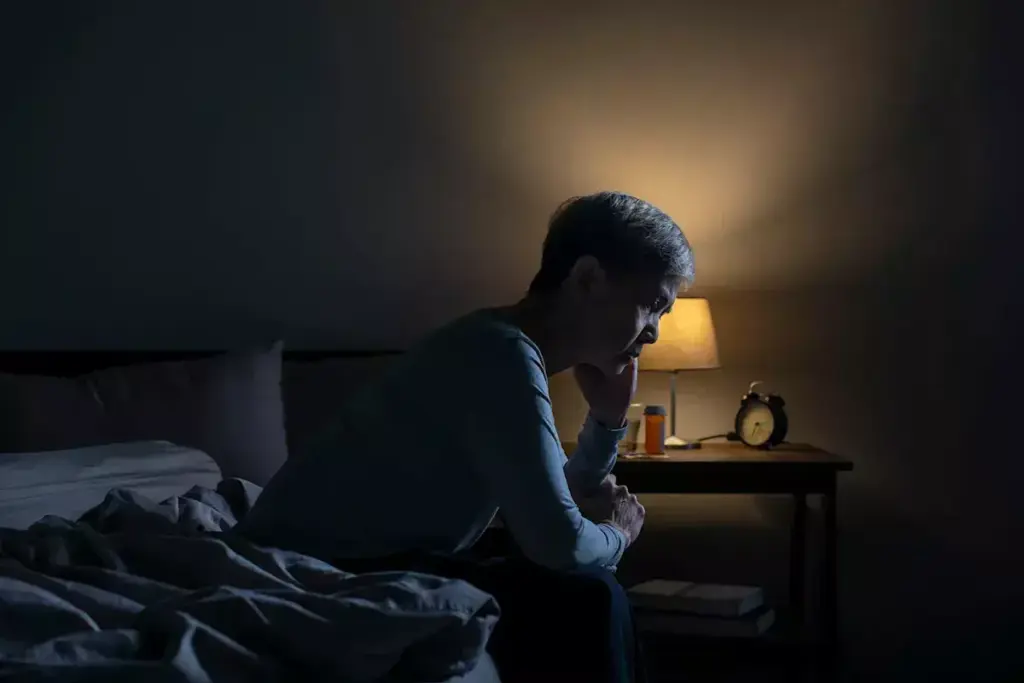
Depression often comes with sleep problems, making it hard to break the cycle. Poor sleep can lead to depression, and depression can make sleep issues worse.
Sleep disturbances are common in major depressive disorder, affecting over 92% of those with it. These can include insomnia and hypersomnolence.
Prevalence of Sleep Issues in Major Depressive Disorder
Major depressive disorder (MDD) often brings significant sleep problems. About 25% of people with MDD have hypersomnolence, which is too much daytime sleepiness or long nights.
As Medical Expert, a renowned psychiatrist, notes, “Sleep problems in depression can really hurt a person’s life and treatment results.”
Hypersomnolence vs. Insomnia in Depression
Some with depression have too much daytime sleepiness, while others can’t sleep well at night. This shows how complex the link between depression and sleep is.
A study published in a leading psychiatric journal found that sleep issues in depression are linked to changes in neurotransmitters like serotonin and norepinephrine.
— Medical Expert, Psychiatrist
It’s important to understand sleep problems in depression to create better treatment plans. These plans should tackle both the depression and sleep issues.
Do Depressed People Sleep a Lot? The Science Behind Excessive Sleep
[Add image here]
To understand the connection between depression and too much sleep, we need to look at the brain’s chemistry. Depression can change how the brain works, affecting the balance of chemicals that control sleep.
How Depression Affects Neurotransmitters and Sleep Regulation
Depression can mess with neurotransmitters like serotonin and dopamine. These chemicals are key to managing sleep. When they’re off balance, sleep patterns can get disrupted.
Key neurotransmitters affected by depression include:
- Serotonin: Regulates mood, appetite, and sleep.
- Dopamine: Involved in reward processing and motivation.
- Norepinephrine: Plays a role in alertness and arousal.
This imbalance can cause either too little sleep (insomnia) or too much (hypersomnia). Hypersomnia makes people feel very sleepy during the day and sleep a lot at night.
Clinophilia vs. True Hypersomnia: Understanding Different Sleep Patterns
It’s important to know the difference between clinophilia and true hypersomnia when talking about too much sleep in depression. Clinophilia is when someone prefers to stay in bed or spends too much time there. It’s not always because they’re tired, but often as a way to cope with emotional pain.
The main differences between clinophilia and true hypersomnia are:
- Motivation: People with clinophilia might choose to stay in bed. Those with true hypersomnia feel forced to sleep because they’re so tired.
- Sleep Quality: Clinophilia doesn’t always mean bad sleep. Hypersomnia, on the other hand, is marked by sleep that doesn’t refresh you.
Knowing these differences helps in creating better treatment plans. These plans should tackle both depression and sleep problems.
Conclusion
Depression and sleep problems are closely connected. Fixing one can help the other. We’ve looked at how depression and sleep are linked, including sleep issues in major depression.
Good treatment for depression and sleep problems often combines medicine and lifestyle changes. Knowing the connection between depression and sleep helps people get the right help. It also helps them make better choices for their health.
There are many treatments for depression, like therapy and medicine. Making lifestyle changes can also help sleep. This includes setting a regular sleep schedule and creating a good sleep environment.
By treating both depression and sleep issues together, people can manage their symptoms better. We suggest seeking professional help and making healthy lifestyle choices. This way, they can improve their life quality.
FAQ
Does depression cause sleepiness?
Yes, depression can cause excessive sleepiness and fatigue due to changes in brain chemistry and energy levels.
Is sleeping all day a sign of depression?
It can be. Sleeping much more than usual, especially with low energy or motivation, may indicate depression.
Does depression cause you to sleep more?
Yes, some people with depression experience hypersomnia, sleeping longer than normal but still feeling tired.
Can depression make you sleep more?
Yes, depression can lead to increased sleep duration and daytime sleepiness.
Is sleeping a lot a sign of depression?
It can be, especially when accompanied by low mood, lack of motivation, and loss of interest in activities.
Do people sleep a lot when depressed?
Some people do; depression can cause both insomnia or hypersomnia depending on the individual.
What is the difference between clinophilia and true hypersomnia?
Clinophilia is staying in bed without necessarily sleeping, while true hypersomnia involves excessive actual sleep.
How does depression affect neurotransmitters and sleep regulation?
Depression disrupts serotonin, dopamine, and norepinephrine levels, which can interfere with sleep-wake cycles and increase sleepiness.
Can depression be treated to improve sleep quality?
Yes, treatment with therapy, medications, and lifestyle changes can improve both mood and sleep quality.
What lifestyle changes can help manage depression and sleep disturbances?
Regular exercise, consistent sleep schedule, healthy diet, limiting caffeine/alcohol, stress reduction, and light exposure can help.
References
National Center for Biotechnology Information. Evidence-Based Medical Insight. Retrieved from https://pubmed.ncbi.nlm.nih.gov/26715402/