

Feeling dyspnea or trouble breathing while talking can be scary. It affects how we speak and can also impact our feelings and thoughts.
Usually, when we’re calm, we breathe normally while speaking. But dyspnea can happen in certain situations. This includes when we’re presenting to important people or in meetings where we’re under a lot of pressure. Knowing what causes chest tightness and breathing problems while speaking is key to solving the issue.
We will look into what causes this problem. This includes health issues with the lungs and heart, as well as how we breathe.
Key Takeaways
- Dyspnea, or shortness of breath when speaking, is a significant clinical concern.
- It can be triggered by various factors including high-stakes presentations or speaking to authority figures.
- Understanding the cause is the first step toward addressing the issue.
- Respiratory and cardiovascular conditions can contribute to dyspnea.
- Breathing pattern issues also play a role in difficulty breathing when speaking.
Understanding Shortness of Breath When Speaking

Dyspnea during speech is when you feel short of breath while talking. It can really affect your life. It’s important to know why it happens and how it feels.
Studies show that dyspnea can feel like you’re hungry for air, or it happens when you exert yourself. It can also feel like your chest is tight or when you’re really focused. Doctors say that sudden breathlessness usually means there’s a health issue.
What Is Dyspnea During Speech?
Dyspnea during speech means you have trouble breathing when you talk. It can be because of how you use your voice, health problems, or even your mind. Knowing the cause is key to fixing it.
Doctors say shortness of breath can be caused by many things. This includes lung or heart issues, infections, panic attacks, or allergies. This wide range of causes shows why a thorough check-up is needed.
Common Symptoms and Sensations
People with dyspnea during speech might feel chest tightness, struggle to breathe, or feel very tired and out of breath. These feelings can make everyday tasks and talking hard.
The table below lists common symptoms and sensations of dyspnea during speech:
| Symptom/Sensation | Description |
| Chest Pressure | A feeling of tightness or pressure in the chest area. |
| Difficulty Breathing | Struggling to catch breath or feeling winded. |
| Feeling Tired and Out of Breath | Experiencing fatigue and a lack of breath, even at rest or during minimal activity. |
Common Causes of Shortness of Breath When Speaking
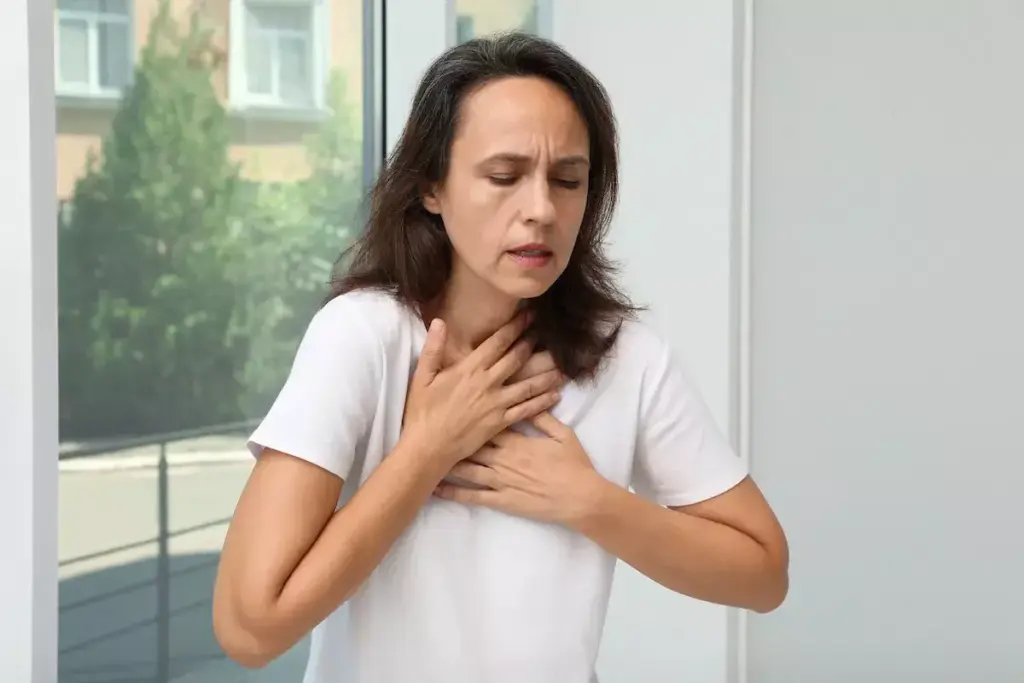
Dyspnea during speech can come from many sources. These include problems with the vocal mechanism, heart and lung issues, and anxiety. Knowing what causes it is key to managing shortness of breath.
Vocal Mechanism Issues
Vocal fold weakness or stiffness can affect breathing while speaking. This can lead to shortness of breath. Vocal fold weakness might be due to vocal strain, neurological conditions, or aging.
- Vocal strain from prolonged speaking or singing
- Neurological conditions affecting vocal fold control
- Aging-related changes in vocal fold elasticity
Medical Conditions
Many medical conditions can cause shortness of breath when speaking. These include heart and lung conditions like asthma, COPD, and heart failure. Asthma, for example, narrows airways, making breathing hard, even when speaking.
- Asthma with airway constriction
- Chronic obstructive pulmonary disease (COPD)
- Heart failure affecting breathing
Psychological Factors
Psychological factors, like anxiety and stress, also play a big role. Anxiety-related hyperventilation can make you feel like you can’t breathe. This happens when you’re stressed or speaking in front of people.
Understanding these causes helps tackle shortness of breath when speaking. This can be through vocal training, medical treatment, or managing stress.
Conclusion:
It’s important to know why you get short of breath when you speak. This knowledge helps you find ways to talk more easily and confidently.
Try getting ready before you speak, pausing when needed, and speaking slower. These actions can really help. Also, using breathing exercises like pursed-lip and diaphragmatic breathing can ease your breathing.
To feel more confident when speaking, learn to handle your breathing and stress. These skills help reduce anxiety that makes breathing harder. Using these methods every day can improve your health and how well you communicate.
By using these strategies and understanding how to manage breathing, you can speak more confidently. This leads to clearer and more effective communication.
FAQ:
Why do I experience shortness of breath when speaking?
Shortness of breath when speaking can occur due to lung or heart conditions, weak respiratory muscles, vocal cord issues, or anxiety.
What are the common symptoms of dyspnea during speech?
Symptoms include rapid or shallow breathing, difficulty completing sentences, wheezing, throat tightness, and fatigue.
Can anxiety cause shortness of breath when speaking?
Yes, anxiety and panic can trigger rapid, shallow breathing, causing breathlessness while talking.
How can I manage dyspnea during speech?
Management includes slowing speech, taking pauses, practicing diaphragmatic breathing, and addressing underlying medical or anxiety issues.
Can vocal fold weakness or stiffness cause shortness of breath when speaking?
Yes, vocal fold dysfunction can limit airflow, causing breathlessness and a strained voice.
Is shortness of breath when speaking a sign of a serious medical condition?
It can indicate conditions like COPD, asthma, heart disease, or vocal cord disorders, so evaluation is important if persistent.
How can I breathe better when speaking?
Use deep, diaphragmatic breaths, pause between phrases, maintain good posture, and practice speech pacing techniques.
Can stress cause difficulty breathing when talking?
Yes, stress can tighten chest muscles and trigger rapid breathing, making speech feel effortful.
References:
National Center for Biotechnology Information. Evidence-Based Medical Insight. Retrieved from https://pmc.ncbi.nlm.nih.gov/articles/PMC8107011/



 Departments
 Related Videos
 Our Doctors
 News
News