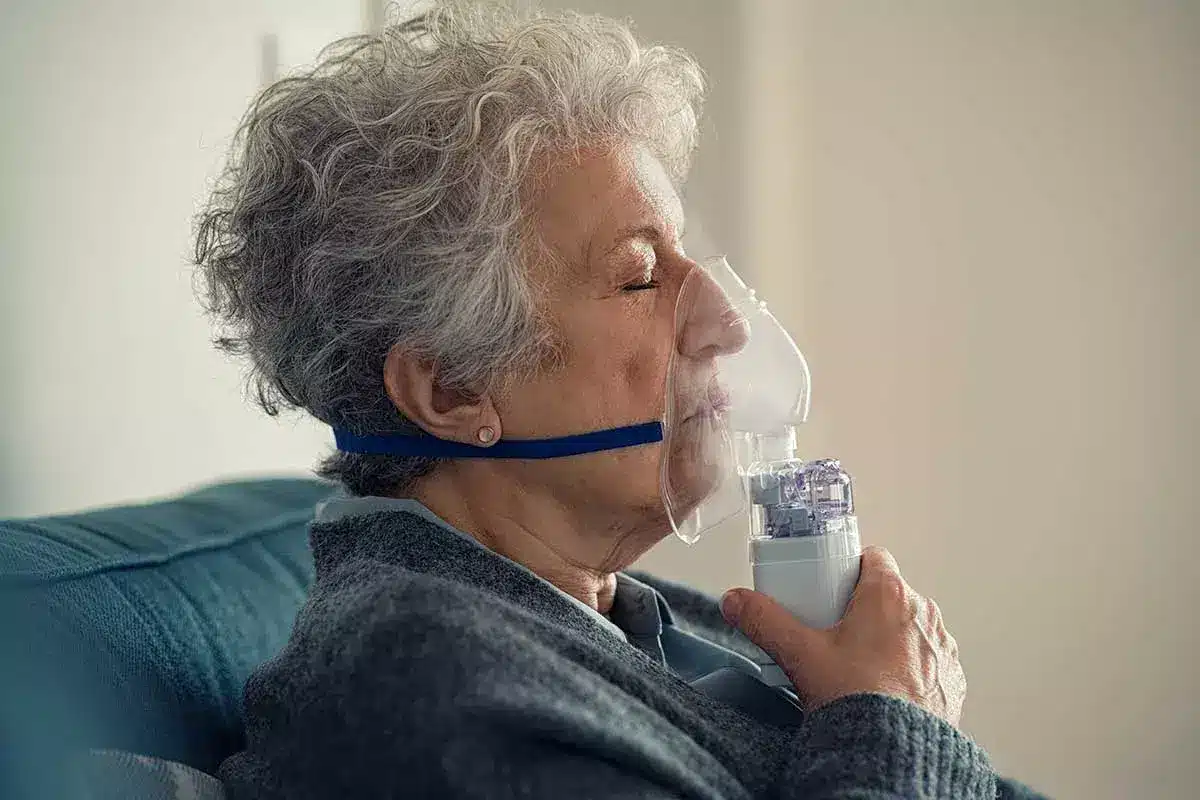
Asthma is a big health problem, mainly for older adults. Over two million Americans aged 65 and older have asthma. This group makes up 23% of asthma hospitalizations. As people get older, changes in their body can make asthma severity worse. Elderly patients need special care that takes these changes into account.
At Liv Hospital, we know that asthma in older adults is often missed. It can lead to serious health issues if not managed right. Changes with age, like worse lung function and more obesity, make asthma harder to handle. We will look at why asthma gets worse with age in seniors.
Key Takeaways
- Asthma affects over two million Americans aged 65 and older.
- Age-related physiological changes impact asthma severity.
- Older adults are more likely to experience asthma complications.
- Specialized care is necessary for elderly patients with asthma.
- Proper management of asthma can reduce the risk of serious health complications.
The Impact of Aging on Asthma

Aging affects asthma in seniors a lot. As we get older, our bodies change in ways that can hurt our breathing. We’ll look at how these changes affect asthma in older adults.
Prevalence of Asthma Among Seniors
Asthma is a big worry for seniors. Studies show it gets more common with age. Older people often find it harder to manage because of other health issues and changes in lung function.
Many things contribute to asthma in seniors. These include environmental factors, genetics, and how our immune system changes with age. As we get older, our immune system weakens. This makes us more likely to get asthma.
Age-Related Physiological Changes
Changes with age play a big role in asthma in older adults. Lung function goes down, making it harder to breathe. This makes asthma symptoms worse.
Another key factor is how our immune system gets weaker with age. This can lead to more inflammation and a stronger reaction to irritants. Older adults also might have more mucus and trouble with cilia, making asthma harder to manage.
It’s important to understand these changes to help seniors with asthma. Healthcare providers can make treatments better suited for older adults. This can improve their quality of life and health.
Symptoms of Asthma in Old Age

Asthma in older adults is different from in younger people. The symptoms can be complex and varied. This makes it hard to diagnose and treat.
Older adults with asthma might feel fatigue and chronic cough. These symptoms can be confusing and make diagnosis tricky. It’s important for doctors to watch out for these signs.
Unique Presentation in Elderly Patients
Asthma in older patients is influenced by many factors. This includes other health conditions and changes that come with age. For example, shortness of breath can be from asthma, but also from heart problems or COPD.
Diagnosing asthma in older adults is complex. Symptoms can be similar to other conditions. A detailed check-up is key to correctly diagnose and manage asthma in this group.
Complications and Comorbidities
Older adults with asthma often face more challenges. They might have COPD, heart failure, and GERD. These conditions can make managing asthma harder.
It’s important to understand how asthma and other health issues work together. We need to think about how medications might affect asthma symptoms and treatment.
By knowing how asthma presents in older adults and the related health issues, we can offer better care. This can lead to better treatment results for this group.
Conclusion
As we get older, our chances of getting asthma or seeing symptoms get worse go up. It’s key to know that you can get asthma at any age. If not treated right, asthma can also get worse with age.
Managing asthma well in older adults needs a full plan. This includes the right diagnosis, treatment, and keeping an eye on how it’s doing. It’s important to spot asthma symptoms in older people correctly because they can be different.
Even though we don’t know if asthma improves with age, early action and care tailored to each person can make a big difference. Some people might suddenly get asthma, showing how important it is for doctors and patients to stay informed.
By being proactive and well-informed about asthma care, we can make life better for older adults with this condition. Our aim is to offer top-notch healthcare and support. This way, people can handle their asthma well and stay healthy as they age.
FAQ
Does asthma get worse with age?
Asthma can become more severe or harder to control with age due to declining lung function and other health conditions.
Can you develop asthma as you get older?
Yes, adult-onset asthma can occur at any age, even in people with no prior history of the condition.
What are the symptoms of asthma in old age?
Symptoms include shortness of breath, wheezing, chronic cough, chest tightness, and increased fatigue during activity.
How do comorbidities affect asthma management in older adults?
Conditions like COPD, heart disease, obesity, and diabetes can complicate treatment, increase exacerbations, and limit medication options.
Can asthma be managed effectively in older adults?
Yes, with personalized treatment plans, inhaler technique education, medication adherence, and monitoring comorbidities, asthma can be managed effectively.
Why is asthma often underrecognized in older adults?
Symptoms may be attributed to aging or other chronic illnesses, and spirometry is underused, leading to delayed diagnosis.
What role does immunosenescence play in asthma severity?
Age-related immune changes (immunosenescence) can increase airway inflammation and susceptibility to respiratory infections, worsening asthma control.
How do age-related changes in lung function impact asthma?
Reduced lung elasticity, weaker respiratory muscles, and declining airway clearance make older adults more prone to severe asthma attacks and reduced response to therapy.
References
National Center for Biotechnology Information. Evidence-Based Medical Insight. Retrieved from https://pmc.ncbi.nlm.nih.gov/articles/PMC3945631/