

When you get bronchitis, a sudden rapid heartbeat can be scary. But knowing why it happens is key to getting better. Respiratory infections like bronchitis worry many people.
Medical Expert, a pulmonologist, says, “Acute bronchitis is a short-term infection of the lower airways, lasting up to three weeks.” It causes inflammation in the bronchial tubes. This can lower oxygen levels and make your heart beat faster.
At Liv Hospital, we help patients know the difference between normal recovery signs and serious ones. This way, you can tell when you’re really getting better.
Key Takeaways
- Bronchitis is a common respiratory condition that affects millions of people worldwide.
- The condition can cause a rapid heart rate due to reduced oxygen levels and the body’s compensatory mechanisms.
- Acute bronchitis typically lasts no more than three weeks.
- Understanding the symptoms and recovery process is key for proper care and recovery.
- Liv Hospital provides patient-centered care and guidance for patients with bronchitis.
Understanding Bronchitis: A Common Respiratory Condition

Knowing about bronchitis is key to handling its symptoms and avoiding serious issues. It’s when the bronchial tubes get inflamed, leading to coughing, mucus, and discomfort. We’ll dive into what bronchitis is, how common it is, and its types to give you a full picture.
What Is Bronchitis and How Common Is It?
Bronchitis is when the bronchial tubes, which carry air to and from the lungs, get inflamed. This can cause more mucus, leading to coughing and other breathing problems. Medical Expert, “Acute bronchitis is very common, affecting up to 5% of people each year.” It’s often caused by viruses, like those from colds and flu.
Bronchitis can spread, mainly if it’s viral. Keeping clean, like washing hands often and staying away from others, can stop it from spreading. If you keep getting bronchitis, it might be because of something you’re exposed to or a health issue.
Types of Bronchitis: Acute vs. Chronic
There are two main types of bronchitis: acute and chronic. Acute bronchitis is short-term and usually comes after a viral infection. It’s marked by a cough that brings up mucus and usually goes away in a few weeks.
Chronic bronchitis, though, is long-lasting and often caused by smoking or other irritants. It’s a part of COPD and needs ongoing care to stop it from getting worse.
| Characteristics | Acute Bronchitis | Chronic Bronchitis |
| Duration | Typically lasts a few weeks | Long-term, often persistent |
| Causes | Usually caused by viral infections | Often linked to smoking and irritants |
| Symptoms | Cough with mucus production, sometimes accompanied by fever and fatigue | Persistent cough with mucus production, potentially leading to breathing difficulties |
It’s important to know the difference between acute and chronic bronchitis for the right treatment. Acute bronchitis might just need rest and water. But chronic bronchitis needs more care to manage symptoms and slow the disease.
Bronchitis and Rapid Heart Rate: The Connection
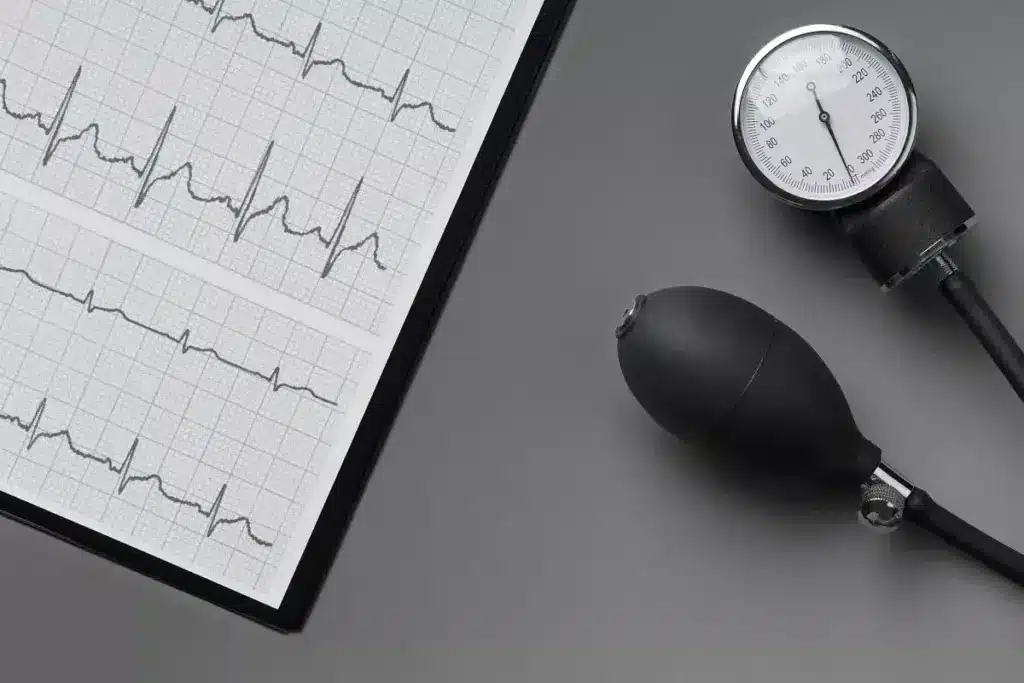
Patients with bronchitis often have a fast heart rate, known as tachycardia. This is when the heart beats more than 100 times per minute. It’s a sign that the body is trying to get more oxygen.
The heart beats faster because the body needs more oxygen. This happens when bronchitis makes it hard to breathe. The heart tries to make up for it by beating quicker.
Why Bronchitis Causes Tachycardia
Bronchitis makes the heart beat fast because of less oxygen. When the airways get inflamed, they get smaller. This means less oxygen gets to the lungs and blood.
To fix this, the heart beats faster. This helps make sure the body gets enough oxygen. But it can also cause symptoms like a racing heart and shortness of breath.
When to Be Concerned About Heart Rate Changes
Fast heart rates are common in bronchitis. But, sometimes it means there’s a bigger problem. If the heart rate is over 120 beats per minute or doesn’t go back to normal, you should see a doctor.
It’s important to watch your heart rate and tell your doctor if it’s worrying you. They can check if it’s just bronchitis or if there’s something else going on with your heart.
Managing Elevated Heart Rate During Bronchitis
To deal with a fast heart rate from bronchitis, you need to treat the bronchitis. This means using medicines to open up the airways and reduce swelling. If it’s caused by a bacterial infection, antibiotics might be needed.
Drinking lots of water, resting, and using a humidifier can also help. Sometimes, doctors will suggest ways to manage stress and anxiety, which can also make the heart rate go up.
Recovery Timeline and Monitoring Improvement
Most cases of acute bronchitis get better in 1 to 3 weeks. The length of time symptoms last can worry you, like a lingering cough. Usually, a cough from bronchitis gets better slowly over weeks.
Doctors say symptoms usually go away in three weeks. So, how do you know bronchitis is improving? You’ll notice your cough getting less severe and less often. You’ll also feel more energetic and breathe better.
Watch how your body reacts to rest and treatment. If you’re getting better from bronchitis, you should start feeling better in a few weeks. Remember, how long bronchitis lasts can differ for everyone. But, with the right care and rest, most people fully recover.
FAQ
What is bronchitis and how does it affect the heart rate?
Bronchitis is inflammation of the bronchial tubes, and it can increase heart rate due to fever, stress, or low oxygen levels.
How long does acute bronchitis typically last?
Acute bronchitis usually lasts 1 to 3 weeks.
Why does bronchitis cause tachycardia?
Tachycardia occurs due to fever, inflammation, or reduced oxygen from airway narrowing.
How can I manage an elevated heart rate during bronchitis?
Rest, stay hydrated, treat fever, and use prescribed medications to manage heart rate.
When should I be concerned about heart rate changes during bronchitis?
Seek medical attention if your heart rate is very fast, irregular, or accompanied by chest pain or shortness of breath.
How do I know if my bronchitis is getting better?
Improvement is indicated by reduced cough, less mucus, and easier breathing.
Is bronchitis contagious?
Acute bronchitis caused by viruses is contagious, but chronic bronchitis is not.
How long does a cough last with acute bronchitis?
A cough can persist for 2 to 3 weeks, sometimes longer.
Can bronchitis lead to other complications?
Yes, it can lead to pneumonia or worsening of chronic lung conditions.
Why do I get bronchitis every time I get sick?
Frequent bronchitis may occur due to weakened immunity, underlying lung issues, or repeated infections.
References:
National Center for Biotechnology Information. Evidence-Based Medical Insight. Retrieved from https://pubmed.ncbi.nlm.nih.gov/24335668/