


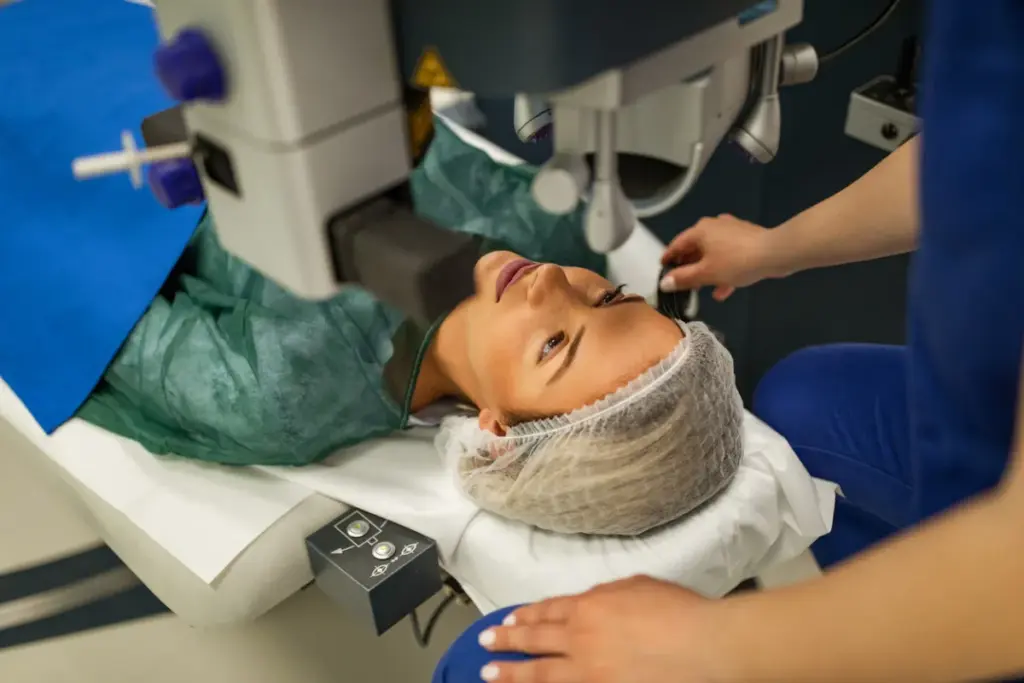
Many patients see a big improvement in their vision right after surgery. We focus on your long-term eye health by watching your recovery closely. Even though the first results are amazing, your eyes keep changing as you age.
The artificial lens takes a few weeks to settle in. During this time, your eyes might see light a bit differently. Most people settle down in about six weeks as swelling goes away.
We teach our patients at Liv Hospital about these small changes. This knowledge helps you enjoy your new vision without worry. Our team is here to guide you as your sight changes over the years.
Though surgery clears up cloudiness, other eye problems can affect your vision later. We’re here to support you in keeping your eyes clear and healthy for years. Knowing what to expect helps you manage your hopes for a lifetime of clear sight.
Key Takeaways
- Most individuals experience a dramatic improvement in eyesight within the first 48 hours.
- Ocular tissues generally require two to six weeks to fully stabilize following a procedure.
- The intraocular lens is designed to remain effective for a lifetime.
- Natural aging or secondary ocular issues can cause shifts in optical focus over time.
- Regular medical check-ups are essential to monitor the placement of the lens implant.
- We suggest waiting at least one month before obtaining a new prescription for glasses.
Common Vision Changes After Cataract Surgery
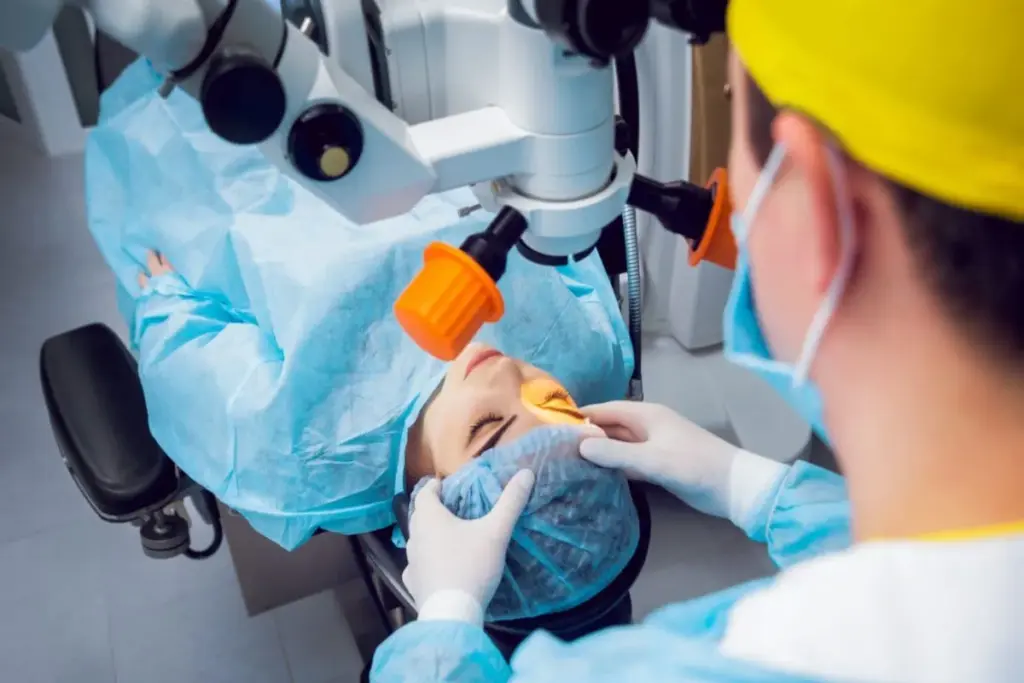
Many people see changes in their vision years after cataract surgery. This is because of various factors. We will look at common vision changes, like Posterior Capsule Opacification (PCO), refractive shifts, and eye color changes.
Posterior Capsule Opacification
Posterior Capsule Opacification (PCO) happens when cells grow on the lens capsule’s back. This causes cloudiness or blurred vision. It can occur months or years after surgery. PCO is a common cause of vision disturbances post-surgery, affecting many patients. Luckily, a YAG laser capsulotomy can treat it, clearing the cloudy capsule quickly and painlessly.
Refractive Shifts and Prescription Changes
Refractive shifts happen as the eye heals and adapts after surgery. The capsule holding the intraocular lens (IOL) can contract or shift. This can change the lens position and the patient’s prescription. This can result in blurred vision or the need for updated corrective lenses. Regular check-ups with an eye care professional are key to monitor these changes and adjust the treatment plan as needed.
Eye Color Changes After Surgery
Some patients notice changes in their eye color after surgery, though it’s rare. The surgery or the IOL might affect the iris’s pigmentation. While not usually a concern, any big changes in eye color should be talked about with an eye care professional to check for any issues.
Understanding the Timeline of Post-Surgery Vision Problems
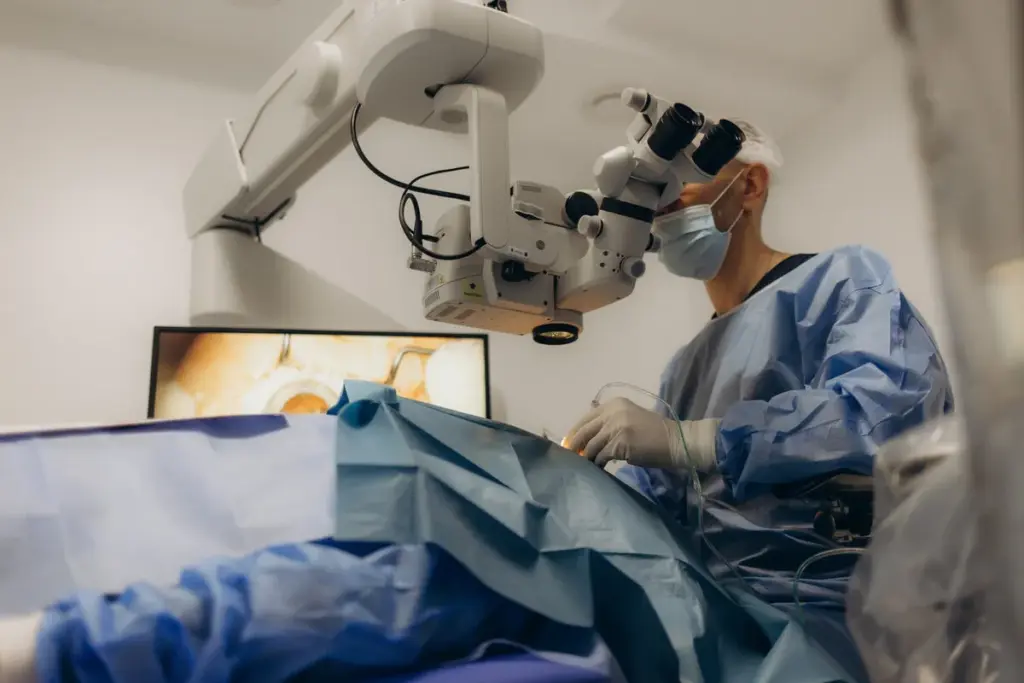
Knowing when vision changes happen after surgery is key. After cataract surgery, the eye heals and changes can occur. We’ll look at these changes in the short and long term.
Short-Term Changes (First 2 Years)
In the first year, vision changes are most noticeable. Posterior capsule opacification (PCO) is a common issue where the lens capsule clouds. But, a YAG laser capsulotomy can fix it easily. The eye also adjusts to the new intraocular lens (IOL).
During this time, vision can fluctuate. This might be due to adjusting to the IOL or dry eye. Regular check-ups with an eye doctor are vital to keep an eye on these changes.
Long-Term Vision Changes (5 Years and Beyond)
After five years, vision can change again. The IOL doesn’t break down, but age can affect vision. Conditions like age-related macular degeneration (AMD) or diabetic retinopathy can also impact vision. It’s important to keep getting regular eye exams.
Some people might need glasses or contact lenses again. Even though the surgery is permanent, the eye keeps aging. This can change the need for corrective lenses.
IOL Durability and Surgery Permanence
The IOL used in cataract surgery is made to last a long time. Usually, it doesn’t need to be replaced. The surgery fixes cataracts once, but other eye issues can come up with age.
| Timeline | Common Vision Changes | Possible Interventions |
| 0-2 Years | Posterior capsule opacification, refractive shifts | YAG laser capsulotomy, prescription adjustments |
| 5+ Years | Age-related macular degeneration, diabetic retinopathy, prescription changes | Regular eye exams, treatment for AMD or diabetic retinopathy, glasses or contact lenses |
Understanding when vision changes happen after cataract surgery helps manage expectations. It also helps keep eyes healthy over time.
Conclusion
Cataract surgery is usually a permanent fix, but some people might see changes in their vision later. This can worry those who wonder if the surgery is forever or if it can make vision perfect.
After cataract surgery, vision can differ from person to person. Some might face issues like posterior capsule opacification or changes in how they see things. It’s important to get regular eye checks to catch any new problems early.
Knowing about possible eye issues after surgery and keeping up with follow-up visits helps manage eye health. We aim to provide top-notch care for international patients, making sure they get the help they need.
With the right care and monitoring, many people see a big improvement in their vision after surgery. We suggest talking to your doctor about any worries or questions you have. This way, you can get the best results from your surgery.
FAQ
Can your vision change years after cataract surgery?
Yes. While the cataract itself does not return, vision can change due to aging, development of other eye conditions (like macular degeneration or glaucoma), or posterior capsule opacification (PCO), which may require a simple laser procedure.
Does cataract surgery correct vision permanently?
Cataract surgery removes the cloudy lens permanently, but it does not prevent age-related vision changes. Some patients may still need glasses for reading or distance later in life.
Why is my vision getting worse after cataract surgery?
Possible reasons include posterior capsule opacification (PCO), changes in the cornea, retinal disease, glaucoma, or refractive errors. A follow-up with an ophthalmologist is essential to determine the cause.
Is cataract surgery permanent?
The removal of the cataract is permanent, but vision can change over time due to other eye conditions or natural aging processes.
Does cataract surgery correct vision to 20/20?
It depends on pre-existing eye conditions and the type of intraocular lens (IOL). Many patients achieve 20/40 or better, but some may still need glasses for certain tasks, especially reading or near work.
What causes eye problems after cataract removal?
Post-surgery eye issues can result from infection, inflammation, retinal problems, glaucoma, PCO, or dry eye, as well as unaddressed refractive errors.
Does cataract surgery change the color of your eyes?
No. Cataract surgery does not change the natural color of your iris, but the new lens implant may slightly alter the appearance of eye brightness due to light refraction.
How long do cataract lenses last?
Intraocular lenses (IOLs) are designed to last a lifetime, and most patients do not need lens replacement, although some may develop PCO requiring laser treatment.
Why might I experience vision worse after cataract surgery than before?
Vision may be worse due to residual refractive error, PCO, undiagnosed retinal or corneal issues, or other eye diseases. A comprehensive eye exam can identify the exact cause and corrective options.
References
National Center for Biotechnology Information. Evidence-Based Medical Insight. Retrieved from https://pubmed.ncbi.nlm.nih.gov/26948774/


 Departments
 Related Videos
 Our Doctors
 News
News


