Asthma getting worse is a big health issue for millions around the world. Recent studies show that asthma can get worse suddenly or slowly because of many factors.
Dealing with worsening asthma is tough and worrying. Asthma makes your airways swell, narrow, and fill with mucus. This makes it hard to breathe and can cause chest tightness, cough, and wheezing.why is my asthma getting worseEar Hurts Coughing: Why Your Ear Pain Worsens
Liv Hospital knows managing asthma needs a focus on the patient, based on solid evidence. We’ll look at what makes asthma get worse and how to handle your symptoms better.
Key Takeaways
- Asthma can worsen due to various interconnected factors.
- Understanding common triggers is key to managing asthma well.
- A patient-centered approach is vital for managing worsening asthma.
- Liv Hospital offers full support for international patients.
- Using evidence-based practice is essential for controlling asthma symptoms.
Understanding Asthma Deterioration

It’s key to know why asthma symptoms get worse. Asthma is a chronic condition that can’t be cured. But, its symptoms can be controlled with the right treatment and lifestyle changes.
The Prevalence of Worsening Asthma
Many people with asthma face worsening symptoms. Studies show a big number of asthma sufferers see their symptoms get worse over time.
Sudden vs. Gradual Deterioration
Asthma can get worse suddenly or slowly. Sudden worsening can happen from allergens or infections. Slow worsening might come from not following medication or environmental changes.
The 2022 Statistics: 42.4% Experience Asthma Attacks
Recent data shows how serious asthma worsening can be. In 2022, about 42.4% of asthma patients had at least one attack. This shows the importance of careful management and quick action.
|
Year |
Percentage of Individuals with Asthma Attacks |
|---|---|
|
2022 |
42.4% |
|
2021 |
40.1% |
|
2020 |
38.5% |
Because asthma can change, it’s vital to work with healthcare providers. They help monitor symptoms and adjust treatments. Understanding how asthma worsens helps manage it better and improve life quality.
Why Is My Asthma Getting Worse? The Science Behind Flare-Ups

To understand why asthma gets worse, we must explore the science behind flare-ups. Asthma is a complex condition. It involves inflammation, airway obstruction, and spasm of the bronchial tubes. This can cause wheezing, breathlessness, chest tightness, and coughing.
“Asthma is not just a single entity; it’s a syndrome with multiple phenotypes, each having different underlying pathophysiology,” as noted by medical professionals. Understanding these underlying factors is key for effective management.
Airway Inflammation and Hyperresponsiveness
Airway inflammation is a key feature of asthma. It makes the airways more sensitive to triggers. This inflammation causes the airway walls to thicken and swell. It also leads to excess mucus production, which can clog the airways and make breathing hard.
Key factors contributing to airway inflammation include:
- Allergens such as dust mites, pet dander, and mold
- Air pollutants like particulate matter, nitrogen dioxide, and ozone
- Respiratory infections
Bronchial Remodeling and Progressive Worsening
Repeated airway inflammation can cause bronchial remodeling. This is a process where the airway walls become permanently thickened. This remodeling can make asthma symptoms worse over time, making the condition harder to manage.
As Medical Expert, a pulmonologist, notes, “Bronchial remodeling is a significant concern in asthma management as it can lead to irreversible airflow limitation.”
The Role of Immune System Dysfunction
The immune system plays a critical role in asthma. An imbalance in the immune response contributes to inflammation and hyperresponsiveness. Understanding this immune dysfunction is key to developing targeted therapies that can help manage the condition more effectively.
By recognizing the complex interplay between airway inflammation, bronchial remodeling, and immune system dysfunction, we can better understand why asthma symptoms worsen. We can also address these changes effectively.
Environmental Triggers in Your Home
Knowing and fixing environmental triggers at home can help manage asthma better. Your home’s environment can greatly affect your asthma symptoms. Common indoor triggers include dust mites, pet dander, and mold.
Dust Mites and Their Impact
Dust mites are tiny creatures that live in household dust. They are a common allergen that can trigger asthma symptoms. They thrive in warm, humid places, like bedding, carpets, and upholstered furniture.
- Use allergen-proof bedding covers to reduce exposure.
- Wash bedding in hot water (at least 130°F) weekly.
- Remove carpets and rugs, specially in bedrooms.
Reducing dust mites can improve indoor air quality and lessen asthma symptoms.
Pet Dander: The Hidden Culprit
Pet dander, or the tiny scales from pets’ skin, is another common asthma trigger. Even without pets, dander can be on clothing and furniture, making it a widespread allergen.
To minimize pet dander:
- Keep pets out of bedrooms and off furniture.
- Use HEPA air purifiers to remove dander from the air.
- Bathe pets regularly to reduce dander production.
It’s essential to find a balance between pet ownership and asthma management.
Mold and Moisture Problems
Mold growth needs moisture, making bathrooms, kitchens, and basements common mold areas. Mold spores can become airborne and be inhaled, triggering asthma symptoms.
- Fix leaks and reduce humidity with dehumidifiers.
- Improve ventilation in bathrooms and kitchens.
- Clean moldy surfaces with bleach solutions.
By tackling these environmental triggers, you can make your living space safer and healthier. This reduces the risk of asthma getting worse. Improving indoor air quality is key to managing asthma well.
Outdoor Environmental Factors
It’s key to know how outdoor factors affect asthma. We often think about indoor triggers, but the outdoors also plays a big role in asthma attacks.
Air Pollution and Urban Living
Air pollution in cities is a big problem for asthma. Pollutants like PM, NO2, and O3 can make airways more likely to have asthma attacks. It’s important for people with asthma to know about air quality in their area.
To reduce exposure, stay inside when pollution is high. Use air purifiers and wear masks outside. Also, supporting efforts to clean the air can help everyone’s health.
Seasonal Pollen Patterns
Seasonal pollen is another big outdoor factor for asthma. Different plants pollinate at different times. Knowing when pollen is high can help prepare for asthma attacks.
For pollen-related asthma, watch pollen counts and stay inside when pollen is high. Use air conditioning to filter pollen. Immunotherapy can also be a long-term solution for some.
Weather Changes and Temperature Fluctuations
Weather changes and temperature shifts can also affect asthma. Fast changes in temperature or humidity can trigger symptoms. Extreme weather can also be a problem.
To deal with weather-related asthma, stay updated on weather changes. Adjust your medication or plans as needed. Using a peak flow meter can also help spot asthma problems early.
Respiratory Infections and Asthma Exacerbations
The link between respiratory infections and asthma is complex. Infections often make asthma symptoms worse. Common colds, flu, and sinus infections are top asthma triggers.
Common Colds as Asthma Triggers
Common colds can set off asthma attacks. Rhinoviruses, the main cold culprits, cause airway inflammation. This leads to asthma symptoms.
When someone with asthma gets a cold, their airways can swell and narrow. This might cause an asthma attack. It’s important for asthma patients to stay clean and use their meds during cold season.
Flu and COVID-19 Complications
Flu and COVID-19 are serious for people with asthma. They cause airway inflammation and more mucus, making asthma worse.
Annual flu vaccination is a must for asthma patients to avoid flu complications. Following COVID-19 prevention tips, like getting vaccinated and wearing masks, can also help.
Prevention Strategies for Respiratory Infections
Stopping respiratory infections is vital for asthma control. Here are some ways to do it:
- Practice good hygiene, like washing hands often
- Stay away from sick people
- Get flu shots and keep up with COVID-19 vaccines
- Wear masks in cold and flu seasons or when infections are common
- Live a healthy life, eat well, and exercise to boost your immune system
Knowing how respiratory infections affect asthma and using these prevention tips can help manage asthma. This reduces the risk of serious complications.
Hormonal Influences on Asthma Symptoms
Asthma symptoms in women can get worse due to hormonal changes. This is true during menstruation, pregnancy, and menopause. Up to 30-40 percent of women with asthma say their symptoms get worse at certain times in their cycle.
Menstrual-Related Asthma: The 30-40% Connection
Menstrual-related asthma is when symptoms get worse with the menstrual cycle. 30-40% of women with asthma experience this. The exact reason is not known, but it’s thought that the drop in estrogen and progesterone before menstruation might cause airway inflammation.
To manage menstrual-related asthma, women can:
- Track their menstrual cycle and asthma symptoms to identify patterns.
- Adjust their asthma medication regimen as advised by their healthcare provider.
- Consider hormonal therapies in some cases, under medical supervision.
Pregnancy and Asthma Control
Pregnancy makes managing asthma more complex due to hormonal changes. Some women see their asthma improve, while others get worse. Pregnant women with asthma need to work closely with their healthcare providers to adjust their treatment plans.
Key considerations during pregnancy include:
- Regular monitoring of asthma symptoms and lung function.
- Adjusting medication as necessary to maintain good asthma control.
- Avoiding asthma exacerbations, which can have adverse effects on both mother and fetus.
Menopause and Changing Asthma Patterns
Menopause brings another big hormonal change, with declining estrogen levels possibly affecting asthma symptoms. Some women see their asthma improve, while others get worse or stay the same.
To manage asthma during menopause, consider the following strategies:
- Review and adjust your asthma action plan with your healthcare provider.
- Be aware of possible interactions between asthma medications and hormone replacement therapy (HRT).
- Maintain a healthy lifestyle, including a balanced diet and regular exercise, to support overall respiratory health.
It’s important to understand how hormonal changes affect asthma symptoms. By recognizing patterns and changes during menstruation, pregnancy, and menopause, women can work with their healthcare providers. This helps develop personalized strategies for managing asthma.
Medication Issues Contributing to Worsening Symptoms
Medication problems can make asthma symptoms worse. This can hurt your quality of life. It’s important to use medications correctly for asthma management.
Poor Adherence to Prescribed Regimens
Not taking medication as directed is a big problem. Studies show up to 50% of patients with chronic conditions, like asthma, don’t follow their medication plans. Reasons include forgetting, worrying about side effects, or not knowing how important it is.
- Forgetting to take medication doses
- Concerns about medication side effects
- Lack of understanding about the importance of consistent medication use
- Cost concerns or insurance issues
Working with your doctor to solve these issues is key. They can help you find ways to remember and follow your medication plan.
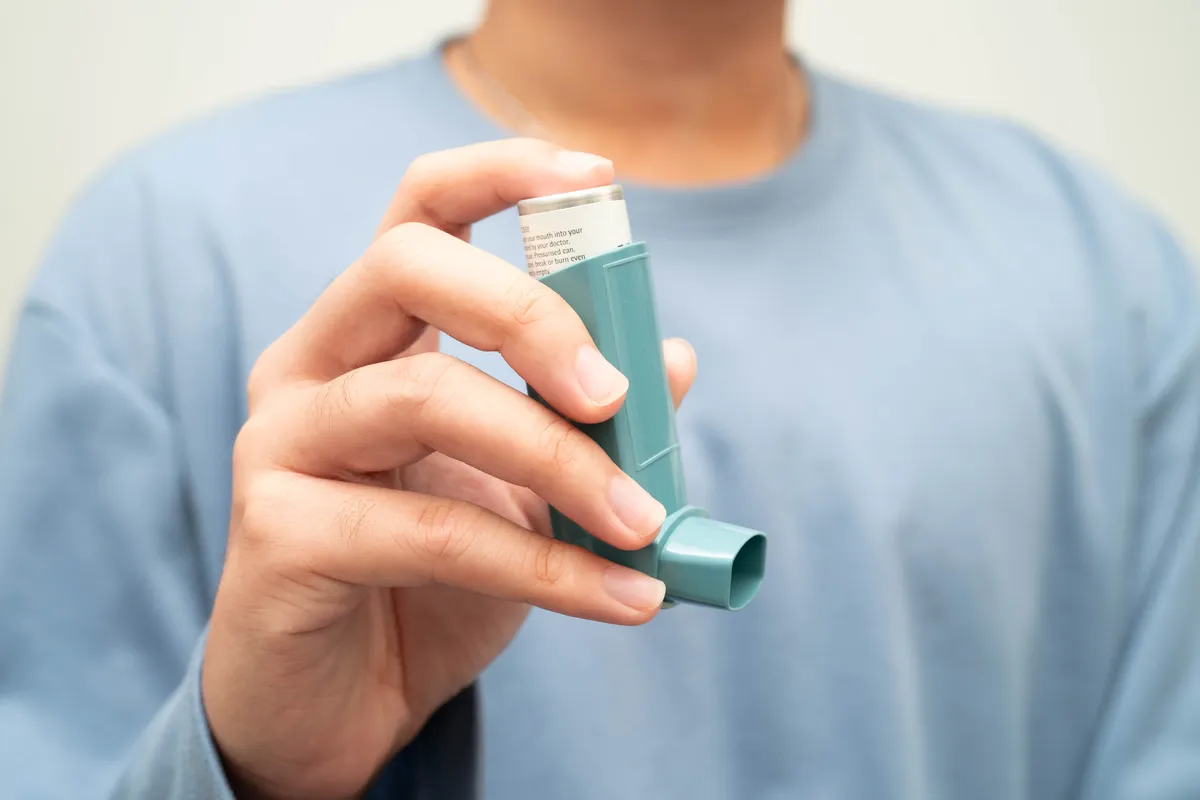
Incorrect Inhaler Technique
Even if you take your medication, using an inhaler wrong can make it less effective. It’s important to use the inhaler right to get the medication to your lungs.
Common mistakes include:
- Not shaking the inhaler before use
- Not exhaling fully before inhaling medication
- Inhaling too quickly or not holding the breath long enough
Practicing with your doctor can help you use your inhaler correctly.
Medication Tolerance and Resistance
Using some asthma medications for a long time can cause medication tolerance or resistance. This is a big worry with rescue medications like albuterol, as overuse can make them less effective when you really need them.
To avoid medication tolerance:
- Use rescue medications wisely and only as needed
- Make sure your controller medications are working well to reduce rescue inhaler use
- Check with your doctor regularly to adjust your medications as needed
It’s very important to take your medication as your doctor tells you. Don’t change your medications without talking to your doctor, even if you feel better. By tackling these medication problems, you can greatly improve your asthma control and life quality.
Lifestyle Factors Affecting Asthma Control
Managing asthma well means looking at many lifestyle factors. Lifestyle greatly affects how well we can control asthma. Knowing what can make symptoms worse is key to keeping asthma under control.
Stress and Emotional Triggers
Stress and strong feelings can make asthma symptoms worse. Stress can cause inflammation and tighten airways, making symptoms worse. Practices like meditation and yoga can help manage stress.
- Stress Management Techniques: Regular use of relaxation methods can lower asthma symptoms.
- Emotional Well-being: Good emotional health, through support and counseling, also helps control asthma.
Exercise-Induced Bronchoconstriction
Exercise is good for health, but it can trigger asthma in some. This can cause wheezing, coughing, and shortness of breath. But, people with asthma shouldn’t stop exercising.
Using a pre-exercise inhaler can prevent symptoms. Swimming is a good exercise choice because it’s less likely to trigger symptoms.
Diet and Nutritional Considerations
What we eat can affect asthma control. Some foods can make symptoms worse, while others can help.
- Nutritional Benefits: Eating lots of fruits, vegetables, and omega-3 fatty acids can reduce inflammation.
- Food Triggers: Knowing and avoiding foods that trigger symptoms is important for managing asthma.
Smoking and Secondhand Smoke Exposure
Smoking and secondhand smoke can make asthma symptoms worse. Smoking harms airways and makes asthma meds less effective.
Quitting smoking is essential for better asthma control and health. Staying away from places where people smoke is also important.
Recognizing When Your Asthma Action Plan Needs Updating
Managing asthma means knowing when to update your action plan. An asthma action plan helps you control symptoms and prevent attacks. But, asthma can change, so it’s key to review and update it often.
Warning Signs of Inadequate Control
Spotting signs of poor asthma control is important. These signs include:
- More or worse symptoms
- Lower lung function readings
- More use of quick-relief meds
- Hard time sleeping because of asthma
- Can’t do daily tasks as easily
Seeing these signs early helps make changes to your treatment plan. This can stop severe attacks.
Peak Flow Monitoring
Peak flow monitoring is key in asthma management. Using a home peak flow meter lets you track lung function. Peak flow monitoring helps in:
- Seeing how bad asthma symptoms are
- Checking if treatment is working
- Finding what triggers asthma symptoms
It’s important to do peak flow monitoring at the same times every day. This ensures you track lung function accurately.
When to Contact Your Healthcare Provider
Knowing when to talk to your doctor is critical. You should call your doctor if:
- Peak flow readings drop a lot
- Symptoms get worse or don’t get better with meds
- You have a lot of or very bad asthma attacks
- You’re worried about your meds or treatment
Talking to your doctor regularly keeps your asthma action plan up to date. This helps keep your asthma under control.
Advanced Treatment Options for Persistent Asthma
Advanced treatments offer hope for those with persistent asthma symptoms. For individuals with severe or persistent asthma, these new approaches can provide significant benefits when standard treatments are not enough.
Managing asthma can be tough, even when you follow a treatment plan. Luckily, new research has led to innovative therapies. These help control asthma more effectively.
Biologic Therapies for Severe Asthma
Biologic therapies have changed how we treat severe asthma. These medications target specific molecules involved in inflammation. This provides a more tailored approach to managing symptoms.
- Targeted Mechanism: Biologic therapies work by targeting specific pathways in the inflammatory process, reducing the severity of asthma symptoms.
- Reduced Exacerbations: Studies have shown that biologic therapies can significantly reduce the frequency of asthma exacerbations.
- Improved Quality of Life: By better controlling symptoms, biologic therapies can improve the overall quality of life for individuals with severe asthma.
Bronchial Thermoplasty
Bronchial thermoplasty is a procedure for patients with severe asthma who don’t respond well to conventional treatments. It’s an outpatient procedure that applies controlled thermal energy to the airway wall.
The goals of bronchial thermoplasty include:
- Reducing the thickness of the airway wall
- Decreasing the ability of the airway to constrict
- Improving asthma symptoms and quality of life
Specialized Approaches for Different Asthma Phenotypes
Asthma is not a single disease but a complex of multiple phenotypes, each with distinct characteristics. Recognizing these differences is key for developing effective treatment strategies.
Specialized approaches for different asthma phenotypes may include:
- Phenotype Identification: Accurate diagnosis of the specific asthma phenotype is essential for selecting the most appropriate treatment.
- Personalized Treatment Plans: Tailoring treatment to the individual’s specific asthma phenotype can lead to better symptom control.
- Ongoing Monitoring: Continuous monitoring of symptoms and treatment response is vital for adjusting the treatment plan as needed.
By embracing these advanced treatment options and specialized approaches, we can provide more effective management strategies for individuals with persistent asthma. This improves their quality of life and overall well-being.
Conclusion: Taking Control of Your Asthma Management
Understanding what makes asthma worse is key to managing it. The right treatment can stop asthma attacks. It’s all about the right mix of medicine, lifestyle changes, and keeping an eye on your health.
We’ve looked at things that can make asthma worse. This includes things in the environment, infections, hormones, and medicine problems. Knowing these can help you control your asthma better.
Managing asthma well means being active. Stick to your medicine, keep your space clean, and know what can set off your asthma. This way, you can have fewer and less severe attacks. It makes life better for you.
FAQ
Why is my asthma getting worse all of a sudden?
Asthma can get worse suddenly for many reasons. This includes being exposed to allergens, getting sick, or changes in the weather. It’s important to know and manage these triggers to control your asthma.
What are the common environmental triggers that can worsen asthma?
Common triggers include dust mites, pet dander, mold, air pollution, and pollen. Reducing your exposure to these can help control your asthma better.
How do respiratory infections affect asthma?
Infections like the common cold, flu, and COVID-19 can make asthma worse. It’s key to stay clean, get vaccinated, and manage your asthma during these times.
Can hormonal changes impact asthma symptoms?
Yes, changes in hormones can affect asthma symptoms. Women might see symptoms worsen during menstruation, pregnancy, and menopause. Adjusting your treatment plan might be needed.
How can medication issues contribute to worsening asthma?
Not following your medication plan, using inhalers wrong, or developing resistance can make asthma worse. Talking to your doctor about your medication use is important.
What lifestyle factors can affect asthma control?
Stress, emotional triggers, exercise, and diet can all impact asthma. Managing these through stress reduction, proper exercise, and a balanced diet can help.
How do I know if my asthma action plan needs updating?
If you notice more symptoms or lower peak flow readings, your plan might need a change. It’s important to talk to your doctor about updating your plan.
What are the advanced treatment options for persistent asthma?
For persistent asthma, treatments like biologic therapies and bronchial thermoplasty are available. It’s important to discuss these options with your doctor to find the best fit for you.
Can asthma get worse over time if not properly managed?
Yes, if not managed, asthma can worsen over time. This is due to airway changes, chronic inflammation, and triggers. Regular monitoring and treatment adjustments can help prevent this.
How can I manage my asthma during seasonal changes?
To manage asthma during seasonal changes, watch pollen counts, adjust your medication as advised, and avoid other triggers.
References
National Center for Biotechnology Information. Evidence-Based Medical Guidance. Retrieved from https://pmc.ncbi.nlm.nih.gov/articles/PMC6410599/