


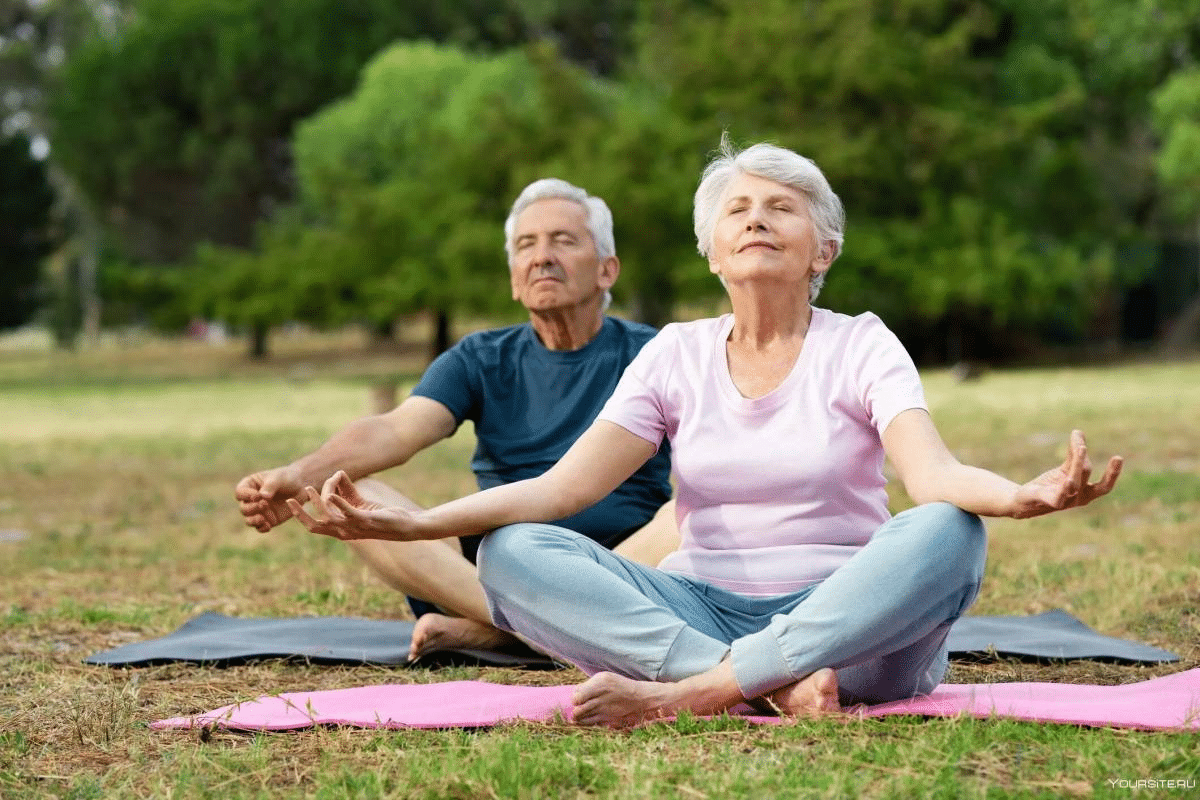
Starting a yoga practice in your senior years can change your life. It offers many benefits, backed by science. As we get older, our bodies change, affecting balance, flexibility, and well-being. Senior yoga is a great way to stay healthy, keeping your body and mind strong. Yoga for old people offers new life. The best safe practice to regain mobility and feel vital energy in your golden years.
We’ll show you the benefits and how to start a yoga for seniors sequence safely. Our guide helps you see the good things about yoga for seniors benefits. You’ll learn about better balance, less anxiety, and a stronger heart.
Key Takeaways
- Discover the benefits of yoga for seniors, including improved balance and flexibility.
- Learn how to start a yoga practice safely and effectively.
- Understand the importance of yoga in healthy aging.
- Explore gentle yoga sequences for beginners.
- Find out how yoga can enhance your physical function and mental well-being.
The Science-Backed Benefits of Yoga for Seniors
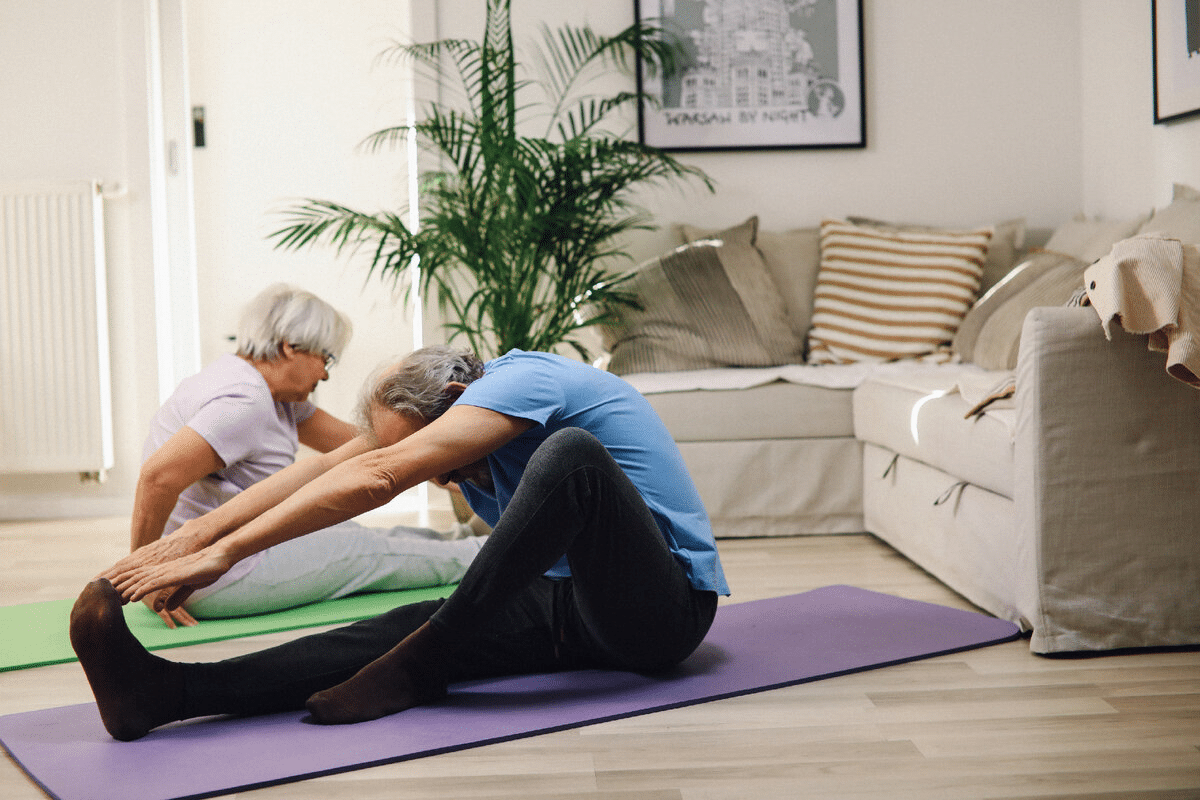
Yoga is great for seniors, helping with physical and mental health. It’s backed by science, showing it’s a key to healthy aging.
Research on Mobility and Balance Improvement
Yoga boosts mobility and balance in older adults. A 2016 study in the Journal of the American Geriatrics Society showed it helps with balance and lowers fall risk. Another study in the Journal of Gerontology in 2019 found it improves mobility and flexibility in those with chronic back pain.
Yoga helps seniors stay mobile and independent. It reduces the risk of falls and age-related diseases.
Mental Health Benefits: Reducing Anxiety and Depression
Yoga also benefits mental health in seniors. It can lessen anxiety and depression, boosting overall mental wellbeing. A 2018 study in the Journal of Clinical Psychology found it helps with depression and anxiety in older adults.
Yoga reduces stress and promotes relaxation. It helps seniors manage aging challenges, improving their life quality.
Cognitive Function and Prevention of Decline
Yoga is good for seniors’ brains too. It can improve cognitive function and lower the risk of cognitive decline. A 2020 study in the Journal of Alzheimer’s Disease showed it helps those with mild cognitive impairment.
By doing yoga, seniors can keep their minds sharp. It helps them stay independent as they age.
Why Yoga for Old People Is Increasingly Popular
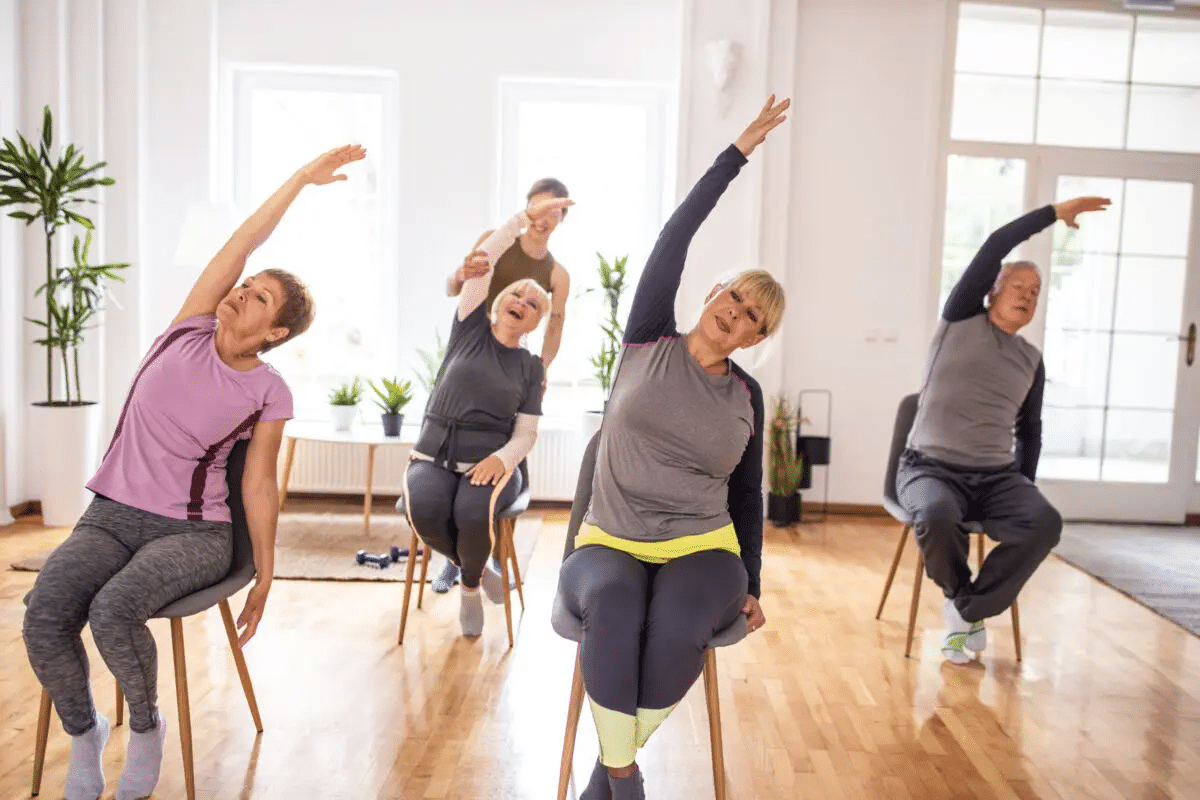
Yoga is becoming more popular among older adults because it’s a holistic approach to health. As people get older, they face physical and mental challenges. Yoga offers a solution that covers all aspects of health.
The trend is driven by yoga’s low-impact nature, its social benefits, and its ability to adapt to different physical abilities. These factors make yoga appealing to seniors.
Low-Impact Exercise for Aging Bodies
Yoga’s low-impact nature is a big reason for its popularity among seniors. It’s a gentle way to keep flexibility and strength without straining aging joints. Low-impact exercises are great for older adults because they lower the risk of injury while providing needed physical activity.
Social Connection and Community Building
Yoga also offers a chance for social connection and community building. This is key for the mental health of seniors. Joining a yoga class can help older adults meet new people and form meaningful relationships, fighting loneliness and isolation.
Many yoga studios and community centers have classes for seniors. These classes help seniors feel a sense of belonging.
Adaptability for Various Physical Limitations
Yoga’s adaptability is another reason for its popularity among older adults. It can be modified to fit different physical needs. Whether it’s chair yoga, gentle flow, or restorative yoga, there are many styles for various abilities.
|
Benefits of Yoga for Seniors |
Description |
|---|---|
|
Low-Impact Exercise |
Reduces strain on aging joints while maintaining flexibility and strength |
|
Social Connection |
Fosters community building and combats loneliness |
|
Adaptability |
Can be modified to accommodate various physical limitations |
Essential Equipment for Senior Yoga Practice
Seniors starting yoga need the right gear to make it safe and fun. The right tools ensure safety and make yoga easier and more enjoyable.
Supportive Props: Blocks, Straps, and Blankets
Props are key for seniors, helping with support and adjusting poses. Blocks help reach the floor, making standing and sitting poses easier. Straps help stretch deeper and keep poses right, even when you’re not very flexible. Blankets add comfort and support for your joints.
- Blocks: Useful for support in standing and seated poses.
- Straps: Helpful for deepening stretches and maintaining proper form.
- Blankets: Provide cushioning and support for joints.
Choosing the Right Yoga Mat for Seniors
A good yoga mat is key for seniors, giving grip and cushioning. Look for a mat that grips well and is thick enough for comfort. A good mat prevents slipping and supports your joints.
“A yoga mat is not just a surface; it’s a foundation for a safe and fulfilling practice.” – Yoga Expert
Comfortable Clothing Recommendations
Wearing comfortable clothing is vital for a good yoga session. Seniors should pick clothes that move freely but aren’t too loose. Clothes that breathe help keep you cool and comfortable.
- Choose loose, comfortable clothing that allows for a full range of motion.
- Opt for breathable fabrics to regulate body temperature.
- Avoid overly loose clothing that could cause distractions or accidents.
Finding the Right Yoga Class for Seniors
Finding the right yoga class is key for seniors. As we age, our bodies change. This affects our flexibility, balance, and health. So, it’s important to choose a class that meets these changes.
Specialized Senior Yoga Classes vs. General Classes
Specialized senior yoga classes are made for older adults. They focus on gentle movements, breathing, and relaxation. These are great for seniors. Unlike general classes, they offer adjustments for physical limitations and health concerns.
A study in the Journal of Aging Research showed benefits. Seniors in tailored yoga classes improved balance and flexibility more than those in general classes.
Questions to Ask Your Instructor
Before joining a class, ask the instructor some questions. This ensures their teaching style fits your needs. Consider asking:
- What experience do you have teaching yoga to seniors?
- How do you modify poses for students with physical limitations?
- What can I expect in terms of pace and intensity in your class?
- Do you provide any props or assistance to help with poses?
What to Expect in Your First Class
Your first yoga class can be both exciting and intimidating. Here’s what you can expect:
|
Aspect |
Description |
|---|---|
|
Introduction |
The instructor will likely introduce themselves and explain the class format. |
|
Warm-Up |
The class will begin with gentle warm-up exercises to prepare your body for yoga. |
|
Pose Modifications |
The instructor will offer modifications to accommodate different levels of flexibility and mobility. |
|
Final Relaxation |
The class will conclude with a relaxation segment to help you unwind and relax. |
By knowing what to expect and asking the right questions, you can find a yoga class that meets your needs and enhances your well-being.
Online Resources: Senior Yoga YouTube Channels and Videos
The digital age has made it easier for seniors to practice yoga at home. This change offers flexibility and accessibility that traditional studios can’t match. It’s a great way for seniors to engage in yoga.
Yoga with Adriene for Seniors
Yoga with Adriene is a top YouTube channel for yoga. Adriene Mishler’s gentle approach makes her videos perfect for older adults. Her channel has a variety of practices, from beginner to restorative routines.
Seniors can enjoy her clear instructions and the calming atmosphere in her videos.
Dedicated Senior Yoga YouTube Channels
There are YouTube channels just for senior yoga. These channels meet the unique needs of older adults. They offer low-impact, chair-based, and gentle stretching exercises.
Some notable channels include Senior Yoga with Sandi, Yoga for Seniors by YogaLover, and Senior Fitness with Jane. These channels provide a wealth of resources for seniors.
They offer practices for different levels of mobility and health conditions. They also include modifications and alternatives, making yoga accessible to more seniors.
How to Follow Along Safely at Home
Online yoga resources are convenient, but seniors should practice safely at home. Here are some tips:
- Consult with a healthcare provider before starting any new exercise routine.
- Choose a quiet, clutter-free space for practice.
- Use a non-slip yoga mat and consider using props like blocks, straps, or a chair for support.
- Listen to your body and modify or stop if you experience any discomfort or pain.
- Stay hydrated before, during, and after practice.
|
YouTube Channel |
Focus |
Level |
|---|---|---|
|
Yoga with Adriene |
General Yoga, Restorative Yoga |
Beginner to Intermediate |
|
Senior Yoga with Sandi |
Chair Yoga, Gentle Stretching |
Senior-focused, Gentle |
|
Yoga for Seniors by YogaLover |
Low-impact Yoga, Breathing Exercises |
Senior-friendly, Low-impact |
By using these online resources and following safety guidelines, seniors can enjoy yoga from home.
Preparing Your Body and Space for Yoga
Getting ready for yoga is more than just stepping onto the mat. It’s about setting up a good environment and getting your body ready. As we get older, our bodies change. This can affect our flexibility, balance, and physical health. So, it’s important to make sure your yoga practice is safe and effective.
Creating a Safe Practice Environment
First, create a safe space for yoga. Find a quiet, distraction-free area at home or outdoors. Make sure the floor is smooth and free from anything that could trip you up.
Choosing a good yoga mat is key. It should grip well and cushion your joints. Also, use props like blocks, straps, and blankets. They help support your body in poses, which is great for flexibility or mobility issues.
|
Environment Factor |
Safety Tip |
|---|---|
|
Flooring |
Ensure it’s non-slippery |
|
Space |
Clear of obstacles |
|
Yoga Mat |
Good grip and cushioning |
Essential Pre-Yoga Warm-Up Exercises
Warming up before yoga is important. It gets your muscles and joints ready. Simple stretches like neck, shoulder, and ankle movements help. For seniors, gentle exercises for the hips and knees are also good.
- Neck stretches: Slowly tilt your head to the side, bringing your ear towards your shoulder.
- Shoulder rolls: Roll your shoulders forward and backward in a circular motion.
- Ankle rotations: Lift your feet off the ground and rotate your ankles in both clockwise and counter-clockwise directions.
Hydration and Timing Your Practice
Drinking water is key before, during, and after yoga. Dehydration can cause dizziness, muscle cramps, and other problems, more so for older adults. Drink water at least 30 minutes before starting and keep a bottle nearby.
When you practice yoga matters too. Try to do it on an empty stomach or 2-3 hours after eating. This helps avoid discomfort and digestive issues. Morning or early evening is usually the best time when your body is most ready.
Gentle Yoga for Seniors: Beginner-Friendly Poses
Gentle yoga poses are great for seniors to stay healthy. As we get older, our bodies change. Gentle yoga is low-impact, perfect for seniors.
Chair-Supported Poses for Stability
Chair yoga is great for seniors. It’s done while seated or with a chair for support. This is good for those with mobility or balance issues. Here are some helpful poses:
- Seated Forward Fold: Slowly fold forward, stretching your back and shoulders.
- Seated Twist: Gently twist your torso to improve flexibility and circulation.
- Seated Leg Stretch: Lift your legs out in front of you, stretching your hamstrings.
These poses can make daily activities easier by improving flexibility and reducing stiffness.
Standing Poses with Balance Support
Standing poses are good for seniors who can stand. They can use a chair or wall for support. Here are some examples:
- Mountain Pose: Stand tall with feet hip-width apart, engaging your core and improving posture.
- Tree Pose: Stand on one leg, holding onto a chair for support, to improve balance.
- Leg Lift: Lift one leg out to the side while holding onto a chair, strengthening and balancing.
These poses help seniors stay balanced and reduce fall risks.
Gentle Seated and Reclined Poses
Gentle seated and reclined poses are great for relaxation. They can be adjusted for individual needs. Here are some good poses:
- Seated Forward Bend: Gently stretch forward, relaxing your back and shoulders.
- Reclined Pigeon Pose: Lie on your back and bring one ankle to the opposite knee, stretching your hips.
- Legs Up The Wall Pose: Lie on your back with your legs up against a wall, promoting relaxation and reducing swelling.
These poses help seniors relax, reduce stress, and improve their well-being.
In conclusion, gentle yoga has many poses for seniors. These poses can improve flexibility, balance, and health. Seniors can enjoy these benefits by adding them to their routine.
A Complete Yoga for Seniors Sequence
As we get older, adding a good yoga routine to our day can really boost our health. Yoga helps seniors get more flexible, balanced, and relaxed. This leads to a happier life.
10-Minute Morning Energizing Routine
Starting your day with yoga can make you feel alive. This 10-minute routine wakes up your body and gets you ready for the day.
- Neck Stretch: Slowly tilt your head to the right, bringing your ear to your shoulder. Hold for 30 seconds and do the same on the left.
- Shoulder Rolls: Roll your shoulders in a circle, first forward and then backward. Do this for 30 seconds.
- Chest Opens: Stand in a doorway with your hands on the doorframe at shoulder height. Lean forward, stretching your chest. Hold for 30 seconds.
20-Minute Full Body Flexibility Practice
This routine helps improve your flexibility and movement. Always listen to your body and adjust or skip any poses that hurt.
|
Pose |
Duration |
Benefits |
|---|---|---|
|
Downward-Facing Dog |
30 seconds |
Stretches hamstrings, calves, and spine |
|
Warrior II |
30 seconds per side |
Strengthens legs, hips, and improves balance |
|
Triangle Pose |
30 seconds per side |
Stretches hips, thighs, and spine |
15-Minute Balance-Building Sequence
Keeping your balance is key to avoiding falls. This sequence strengthens the muscles that help you stay steady.
- Single-Leg Stand: Stand on one leg, holding onto a chair if you need to. Hold for 30 seconds and switch legs.
- Heel-To-Toe Walk: Walk in a straight line, placing the heel of one foot in front of the toes of the other.
5-Minute Bedtime Relaxation Poses
Doing gentle yoga before bed can help you sleep better. This sequence relaxes your body and calms your mind.
- Legs Up the Wall Pose: Lie on your back with your legs up against a wall. Stay for 5 minutes, breathing deeply.
- Reclined Pigeon Pose: Lie on your back and bring one knee into your chest. Hold for 30 seconds and switch sides.
Breathing Techniques for Senior Practitioners
Yoga’s focus on breathing is key for seniors, helping with stress and boosting energy. As we get older, our breathing changes. But, seniors can improve their health by using special breathing methods.
Calming Breath for Stress Reduction
The calming breath, or diaphragmatic breathing, is great for seniors. It means breathing deeply into the belly, not the chest. Start by sitting or lying comfortably.
Put one hand on your belly and the other on your chest. Breathe in slowly through your nose, letting your belly rise. Your chest should stay steady. Then, breathe out slowly through your mouth, letting your belly fall.
This helps lower stress and anxiety, making you feel calm and relaxed.
Energizing Breath for Vitality
The energizing breath, or Kapalabhati, is good for seniors wanting more energy. It’s fast, shallow breathing through the nose, followed by a brief pause. It boosts oxygen, clears the mind, and energizes the body.
But, start with caution and talk to a doctor first, if you have health issues.
Breath Coordination with Movement
Linking breath with movement is key in yoga for seniors. It makes poses more effective, improves blood flow, and boosts focus. For example, inhale while bending forward to stretch your spine, and exhale to deepen the bend.
This way, seniors can enjoy a meditative flow that soothes the mind and strengthens the body.
In summary, breathing techniques in yoga are great for seniors. They help manage stress, boost energy, and improve life quality. Always check with a doctor and practice with a qualified yoga teacher for safety and effectiveness.
Addressing Common Concerns and Physical Limitations
Seniors often face unique challenges when starting yoga, including arthritis, balance issues, and chronic conditions. Yoga can be adapted to accommodate various physical limitations, ensuring a safe and beneficial practice.
Arthritis and Joint Pain Accommodations
For seniors with arthritis, certain yoga modifications can help alleviate joint pain. Using supportive props like blocks and straps can reduce strain on the joints. Gentle movements and avoiding deep bends or heavy weight-bearing poses can also help.
“Yoga has been shown to reduce pain and improve function in individuals with arthritis,” according to a study published in the Journal of Rheumatology.
Balance Issues and Fall Prevention Strategies
Balance exercises are key to preventing falls. Yoga practices that include standing poses with support, such as using a chair or wall for balance, can be very helpful. Practicing yoga on a non-slip surface is also recommended.
Adapting Practice for Chronic Conditions
Seniors with chronic conditions should consult their healthcare provider before starting a yoga practice. Certain conditions may require specific adaptations or precautions.
When to Consult Your Doctor
It’s essential to consult with your doctor before beginning yoga if you have any chronic health conditions, such as heart disease, diabetes, or severe mobility issues. Your doctor can provide guidance on safe practices and any necessary precautions.
Tracking Your Progress: What Research Shows About Consistent Practice
Research shows that yoga can greatly improve health for seniors. It’s clear that regular practice is important for these benefits.
Measurable Improvements in Walking Speed and Leg Strength
Seniors who do yoga often see better walking speed and leg strength. This helps keep them mobile and independent. Yoga also improves muscle tone, making everyday tasks easier.
Changes in Flexibility and Balance Over Time
Yoga makes seniors more flexible and balanced. Better flexibility means less injury risk and a better life quality. Balance is key to avoid falls, a big worry for older adults.
Mental Health Benefits from Regular Practice
Yoga also boosts mental health for seniors. It reduces stress, anxiety, and depression. This is thanks to physical activity, breathing, and meditation, which bring calm and well-being.
Seniors who do yoga see a better life quality. Tracking progress shows that regular practice is key to yoga’s benefits.
Conclusion: Embracing Yoga as a Lifelong Practice
Yoga can be a great friend for seniors, helping them age healthily and feel good. It offers many benefits, like better movement and balance, and it’s good for the mind too.
Seniors can see these benefits by making yoga a part of their daily life. We suggest they keep going on their yoga path, trying different styles and classes. It’s important to be consistent and patient, whether they’re in a studio or practicing at home.
As they keep practicing, seniors can adjust their yoga to fit their changing needs. Yoga can make life better, helping them stay independent and feeling well. By embracing yoga, seniors can actively work towards a healthy aging process, enjoying all the good things it offers.
FAQ
What are the benefits of yoga for seniors?
Yoga helps seniors in many ways. It improves their balance and mobility. It also reduces anxiety and depression. Plus, it boosts their mental health and cognitive function.
Is yoga suitable for older adults with physical limitations?
Yes, yoga can be adapted for seniors with physical limitations. There are poses that use chairs or standing with support. There are also gentle poses for sitting or reclining.
What equipment do I need to start yoga as a senior?
You’ll need some basic equipment. This includes blocks, straps, and blankets. A good yoga mat and comfy clothes are also important. They help make your practice safe and enjoyable.
Can I practice yoga at home, or do I need to join a class?
You can do yoga at home or in a class. Online videos and YouTube channels are great for home practice. But, starting with a class is a good idea. It helps you learn the right techniques.
How do I find the right yoga class for seniors?
Look for classes made for seniors. Ask the instructor about their experience with older adults. Make sure the class offers modifications to suit your needs.
Are there specific yoga poses that are more suitable for seniors?
Yes, there are poses that are better for seniors. Chair-supported poses and standing poses with support are good. So are gentle seated and reclined poses. They help with flexibility and balance.
How can I follow along with yoga videos safely at home?
Make sure your practice space is safe. Use props as needed. Listen to your body and modify or stop if needed. A clear space and a non-slip surface are also important.
Can yoga help with chronic conditions like arthritis?
Yes, yoga can help with arthritis. Gentle movements and breathing techniques can ease symptoms. Modified poses can also improve your quality of life.
What are some recommended YouTube channels for senior yoga?
Check out Yoga with Adriene and other senior yoga channels on YouTube. They offer classes and tutorials for seniors. These are great for practicing yoga at home.
How often should I practice yoga as a senior?
Practice yoga regularly, ideally a few times a week. This will help you see the benefits. Even short daily practices can be beneficial.
Reference
National Center for Biotechnology Information. Evidence-Based Medical Guidance. Retrieved from https://pmc.ncbi.nlm.nih.gov/articles/PMC8341166/



 Departments
 Related Videos
 Our Doctors
 News
News






















