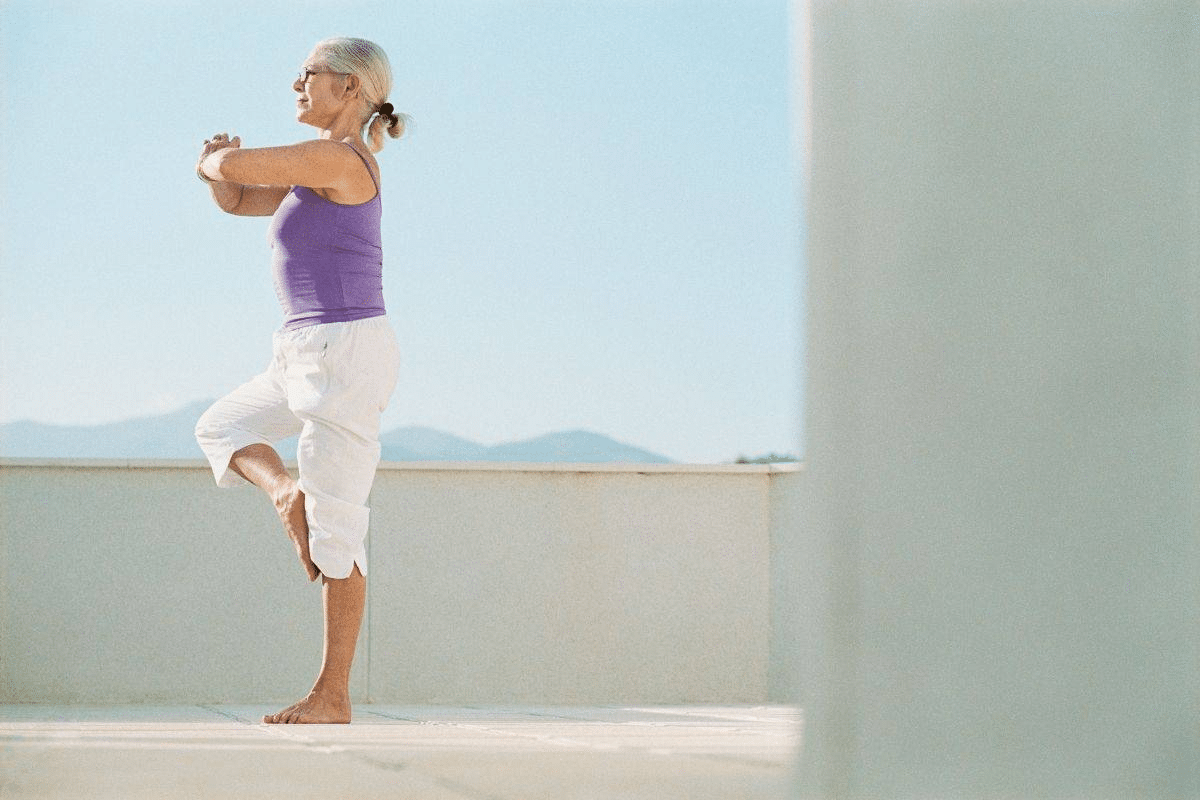
Ayoga for seniors sequence for home. The best flow of poses to ensure a balanced and vital workout session safely.
As the world’s population ages, keeping independence and quality of life is key. Studies show that yoga interventions can greatly improve balance and mobility in people over 60.
At Liv Hospital, we see the big benefit of tailored yoga sequences for seniors. We create yoga poses for elderly people that are safe and helpful.
We focus on patient-centered care with new and preventive healthcare methods. Adding yoga for seniors sequence to their routine can boost mobility, balance, and mental sharpness.
Key Takeaways
- Yoga can improve balance and physical mobility in seniors.
- A tailored yoga sequence is essential for meeting the unique needs of elderly individuals.
- Liv Hospital’s approach focuses on patient-centered and innovative care.
- Yoga interventions can enhance overall quality of life for seniors.
- Regular practice of yoga can lead to improved mental clarity and well-being.
The Evidence-Based Benefits of Yoga for Seniors
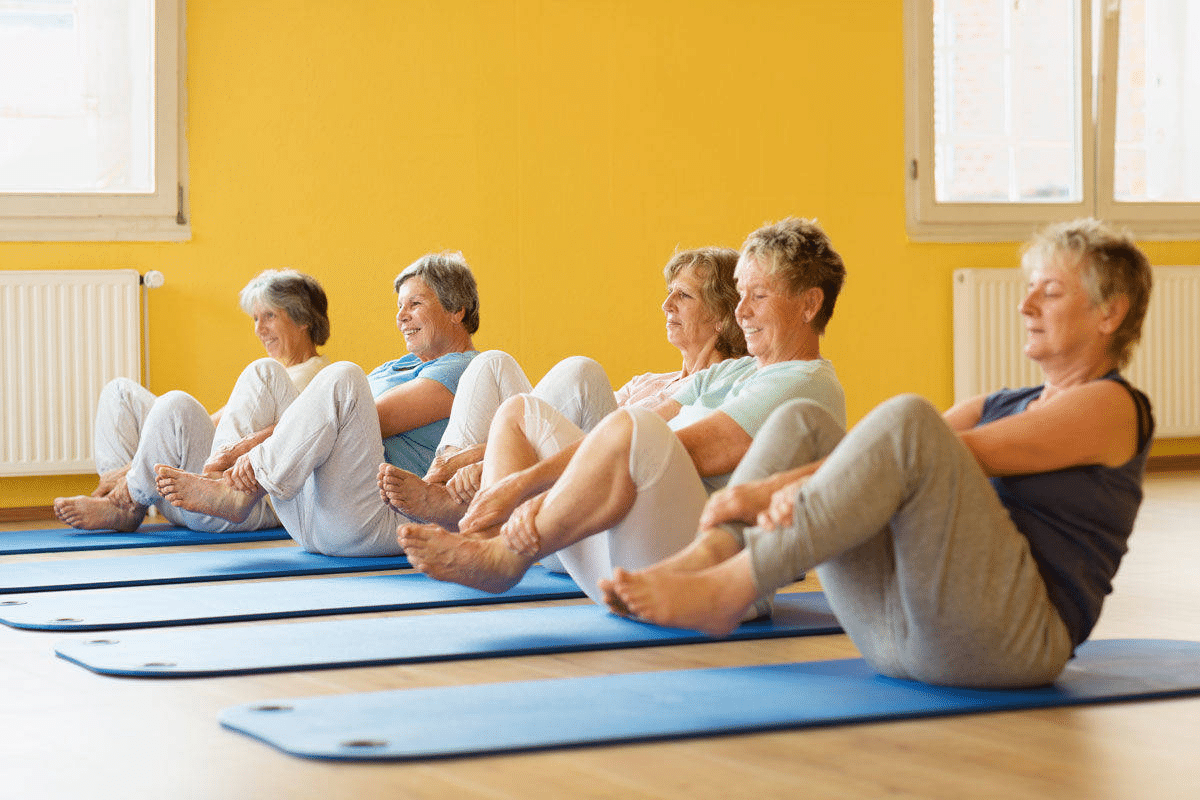
Yoga brings many benefits to seniors, like better mobility and mental health. As we get older, our bodies change, affecting balance, strength, and flexibility. Yoga helps manage these changes, promoting healthy aging and better quality of life for older adults.
Research on Balance and Mobility Improvements
Studies show yoga’s positive effects on balance and mobility in seniors. It improves flexibility, strength, and coordination. This reduces the risk of falls and injuries. Regular yoga practice leads to:
- Enhanced balance and stability
- Improved flexibility and range of motion
- Increased muscle strength, mainly in the core and lower body
Mental Health and Cognitive Function Benefits
Yoga benefits not just the body but also the mind and brain. It can:
- Reduce anxiety and depression symptoms
- Improve mood and overall well-being
- Boost cognitive function, like memory and concentration
These benefits are key for seniors, helping prevent cognitive decline and support mental health.
Harvard Study Findings on Walking Speed and Leg Strength
A Harvard review of 33 studies with 2,384 seniors over 65 found strong evidence for yoga’s benefits. The study showed yoga practice is linked to:
- Increased walking speed, a sign of good health and mobility
- Stronger legs, important for staying independent and preventing falls
These results highlight yoga’s role in reducing frailty and increasing longevity in older adults.
Understanding the Unique Needs of Senior Yoga Practitioners
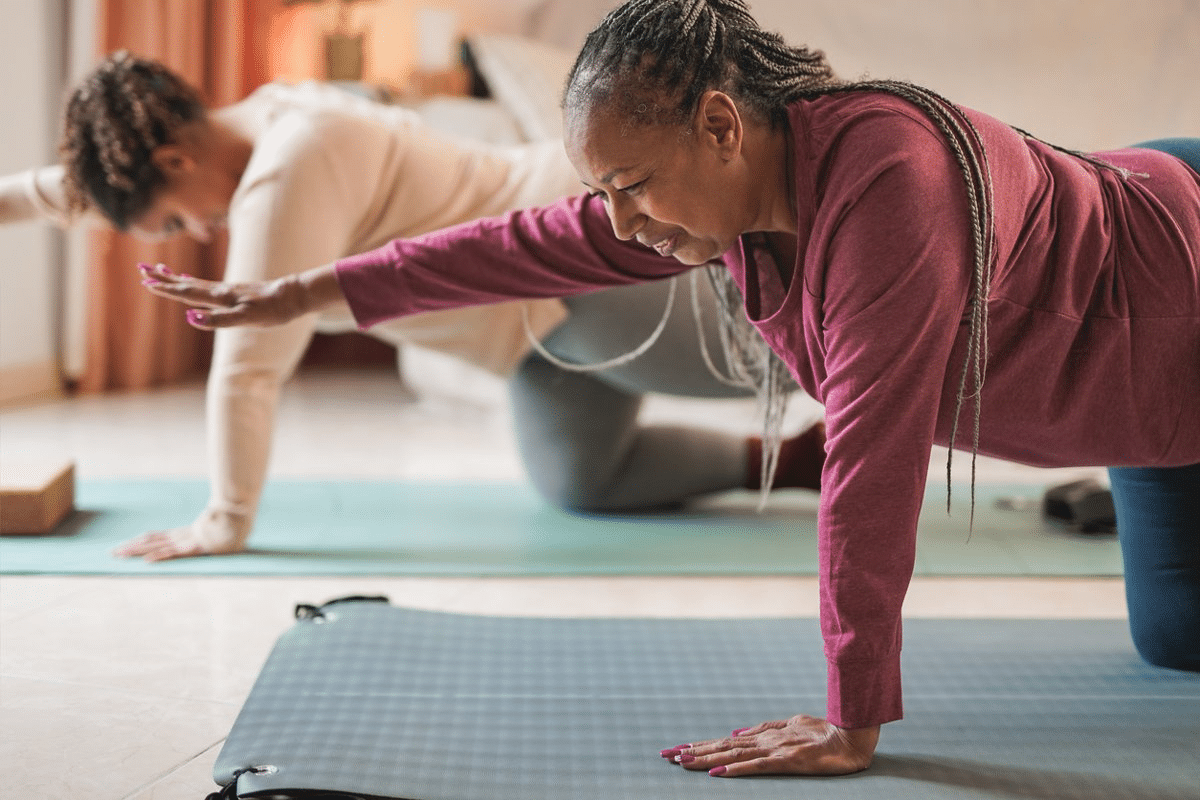
It’s key to know what seniors need in yoga to make it safe and helpful. As people get older, their bodies and minds change. These changes can make it harder to do yoga.
Age-Related Physical Changes
Older adults face physical changes like less flexibility and strength. These changes can affect how they stand and move. For example, losing muscle and bone can raise the risk of breaks and osteoporosis.
When making yoga for seniors, we must think about these changes. We need to make the practice fit their needs.
Common Health Conditions in Older Adults
Seniors often deal with health issues like arthritis, hypertension, or diabetes. These can make yoga harder. For instance, arthritis can cause pain and stiffness, while high blood pressure might need special care.
Knowing about these health issues helps us make yoga safe and good for them.
Psychological and Emotional Considerations
Aging can also lead to stress, anxiety, or depression. Yoga can help with these feelings, making seniors feel better. By adding mindfulness and breathwork, we can help seniors with their mental and emotional health.
By focusing on seniors’ unique needs, we can make yoga that’s safe, fun, and helpful. This includes their physical, health, and emotional changes.
Essential Preparation for Senior Yoga Practice
Starting a yoga practice needs careful steps, more so for seniors. Our bodies change with age, affecting flexibility and balance. It’s key to prepare well for a safe and effective yoga practice.
Health Assessments and Medical Clearance
Seniors should get a health check before starting yoga. This check spots any health risks or physical limits. It’s also wise to talk to a doctor, even more so with health issues.
Health problems like high blood pressure or arthritis need special yoga care. For example, those with osteoporosis should avoid poses that might break bones.
Recommended Props and Equipment
Using props makes yoga easier and more fun for seniors. Some good props include:
- Chairs for seated poses or support
- Blocks to help reach the floor or keep poses right
- Straps to stretch further or deepen poses
- Bolsters or pillows for support in relaxation
These tools help adjust poses for physical needs, making yoga more welcoming.
Creating a Safe and Accessible Environment
A safe and easy-to-get-to space is vital for a good yoga session. This means:
|
Environmental Factor |
Safety Consideration |
|---|---|
|
Flooring |
Non-slip mats or flooring to prevent falls |
|
Lighting |
Good lighting to see and avoid tripping |
|
Temperature |
A comfy temperature to avoid getting too hot or cold |
|
Space |
Enough room to move without hitting things or people |
By preparing well, seniors can enjoy yoga’s benefits safely. This includes health checks, using the right props, and a safe space.
Fundamental Principles of Yoga for Seniors Sequence Design
Creating a good yoga sequence for seniors means understanding their needs. We must focus on safety, enjoyment, and benefits. This ensures the practice is right for them.
Intensity and Progression
Choosing the right intensity and progression is key. Yoga for seniors should match their fitness level. It should be gentle and allow for gradual improvement.
We can use a mix of poses to achieve this. Start with simple poses like Mountain Pose or Tree Pose. Then, move to more challenging ones like Eagle Pose or Warrior Pose.
|
Intensity Level |
Pose Examples |
Benefits |
|---|---|---|
|
Gentle |
Mountain Pose, Seated Forward Fold |
Relaxation, flexibility |
|
Moderate |
Tree Pose, Warrior Pose |
Balance, strength |
|
Challenging |
Eagle Pose, Side Plank |
Advanced balance, core strength |
Class Duration and Pacing Guidelines
The class length and pace are important. A senior yoga class should last 45 to 60 minutes. It should be relaxed, allowing seniors to follow easily.
A good sequence includes warm-ups, standing, seated poses, and relaxation. Start with a gentle warm-up. Then, do standing poses like Tree Pose or Warrior Pose. Finish with seated poses like Seated Forward Fold or Seated Twist.
Balancing Different Types of Movement
It’s important to mix different movements in a yoga sequence for seniors. Include static stretches, dynamic movements, and balancing exercises. This keeps the practice interesting and beneficial.
Use standing yoga flows for movement and breath, like Sun Salutations or Standing Sequences. These improve heart health and flexibility. For those with limited mobility, use chair-based exercises like Seated Leg Lifts or Chair Squats to build strength and flexibility.
By following these principles, we can make yoga safe, enjoyable, and beneficial for seniors. Our goal is to help them age healthily, improve flexibility and balance, and enhance their overall well-being.
How to Build a Yoga for Seniors Sequence: Step-by-Step Guide
Creating a yoga sequence for seniors needs careful thought. We must consider their physical needs, health, and mental state. This ensures a safe and enjoyable practice for them.
We break the sequence into three parts: warm-up, core practice, and cool-down. Each part is vital for a safe and effective practice.
Effective Warm-Up Sequences
A gentle warm-up is key for seniors. It boosts blood flow, reduces stiffness, and prepares muscles. Good warm-ups include gentle stretches and breathing exercises.
- Neck stretches to loosen the neck muscles
- Shoulder rolls to ease tension
- Wrist and ankle rotations to improve flexibility
- Seated marching to get the blood flowing
Core Practice Component Selection
The core practice is the heart of the sequence. We choose yoga poses for seniors that are both challenging and accessible. The poses should match their mobility and health.
|
Pose |
Benefit |
|---|---|
|
Mountain Pose |
Improves balance and posture |
|
Tree Pose |
Enhances balance and stability |
|
Seated Forward Fold |
Stretches the back and improves flexibility |
Designing Appropriate Cool-Down Phases
The cool-down phase is key to bring seniors’ heart rate and breathing back to normal. It uses relaxation techniques and deep breathing exercises. Effective cool-downs include:
- Guided deep breathing to calm the mind and body
- Progressive muscle relaxation to release tension
- Legs up the wall pose to promote relaxation
- Savasana to achieve a state of deep relaxation
By designing each part of the sequence with care, we make a practice that’s enjoyable and beneficial. It improves their well-being and quality of life.
Chair-Based Yoga Sequences for Limited Mobility
Chair-based yoga is great for seniors with limited mobility. It’s safe and easy to do. It helps improve flexibility, strength, and balance. Seniors can do yoga while seated or using a chair for support.
Seated Warm-Up Flows
Seated warm-up flows get the body ready for more challenging yoga. They increase blood flow and reduce stiffness. Here are some examples:
- Neck stretches: Slowly tilt the head to the side, bringing the ear towards the shoulder.
- Shoulder rolls: Roll the shoulders forward and backward in a circular motion.
- Wrist rotations: Rotate the wrists in both clockwise and counterclockwise directions.
Chair-Supported Strength Poses
Chair-supported strength poses build muscle and improve physical function. Here are some examples:
- Seated leg lifts: Lift one leg off the floor, keeping it straight, and then lower it back down.
- Chair squats: Stand up and sit down in the chair, using the arms for support if needed.
- Seated arm raises: Hold arms straight out to the sides and lift them up and down.
|
Pose |
Benefits |
Precautions |
|---|---|---|
|
Seated Leg Lifts |
Improves leg strength, enhances mobility |
Avoid if have severe knee pain |
|
Chair Squats |
Strengthens legs, improves balance |
Use chair arms for support, avoid deep squats |
|
Seated Arm Raises |
Improves shoulder mobility, strengthens arms |
Avoid if have shoulder injuries |
Seated Breathing and Meditation Practices
Seated breathing and meditation practices are key for mental and emotional health. They reduce stress and improve focus. Techniques include:
- Diaphragmatic breathing: Focus on expanding the belly during inhalation.
- Guided meditation: Listen to a guide who leads you through a meditation practice.
- Body scan: Bring awareness to different parts of the body, starting from the toes and moving up to the head.
By adding these chair-based yoga sequences to their routine, seniors with limited mobility can see big improvements. They’ll enjoy better physical and mental health. Regular practice boosts flexibility, strength, and balance. It also reduces stress and improves overall well-being.
Standing Yoga Sequences for Improving Balance and Strength
Standing yoga is great for seniors. It boosts balance and strength, helping them live more independently. These sequences can be adjusted for different abilities, making them perfect for many seniors.
Seniors can use walls or chairs for support. This helps them do standing poses safely. It also strengthens muscles, mainly in the legs.
Wall and Chair-Supported Standing Poses
For beginners or those needing extra help, wall and chair-supported poses are ideal. They build confidence and strength slowly.
- Tadasana (Mountain Pose) with wall support: Helps improve posture and balance.
- Vrikshasana (Tree Pose) with chair support: Enhances balance and stability.
- Utthita Trikonasana (Extended Triangle Pose) with chair support: Strengthens the legs and improves flexibility.
Progressive Balance-Building Sequences
As seniors get more confident, they can try harder poses. These sequences boost balance, strength, and flexibility.
|
Pose |
Benefits |
Support Level |
|---|---|---|
|
Vrikshasana (Tree Pose) |
Improves balance and stability |
Chair or wall support |
|
Garudasana (Eagle Pose) |
Enhances balance and strengthens ankles |
Optional chair support |
|
Natarajasana (Dancer’s Pose) |
Improves balance, strength, and flexibility |
Wall or chair support recommended |
Lower Body Strengthening Practices
Strengthening the lower body is key for seniors. It helps prevent falls and keeps them mobile. Standing yoga sequences focus on leg strength, improving stability and function.
Examples of Lower Body Strengthening Poses:
- Utkatasana (Chair Pose): Strengthens the thighs, hips, and calves.
- Viparita Karani (Legs Up The Wall Pose): While not a standing pose, it’s often used in sequences to relax the lower body.
- Utthita Trikonasana (Extended Triangle Pose): Strengthens the legs and hips.
By adding these standing yoga sequences to their routine, seniors can greatly enhance their balance, strength, and life quality.
Specialized Yoga for Seniors Sequences for Common Health Concerns
Yoga sequences tailored for seniors can help manage health issues and improve overall health. As people age, they often face health concerns that affect their quality of life. Tailored yoga can be a valuable tool for healthy aging.
Sequences for Arthritis and Joint Stiffness
Arthritis and joint stiffness are common in seniors, impacting their mobility and independence. Gentle yoga sequences focus on stretching, mobilizing joints, and strengthening. Poses like Seated Forward Fold and Leg Raises can improve flexibility and reduce stiffness.
Seniors with arthritis should avoid excessive joint strain. Chair-based yoga is beneficial, allowing proper alignment and reducing joint stress.
Practices for Improving Sleep Quality
Sleep disturbances are common in older adults, caused by chronic pain, medication side effects, and lifestyle changes. Yoga practices that emphasize relaxation and breathing techniques can improve sleep. Incorporating Progressive Muscle Relaxation and Guided Imagery can promote relaxation.
Evening yoga classes with gentle stretches and calming postures can signal sleep time. This helps regulate sleep patterns.
Sequences for Enhancing Cognitive Function
Cognitive decline is a concern for many seniors, with conditions like dementia and Alzheimer’s affecting memory and cognitive function. Yoga sequences that challenge the mind and promote cognitive engagement are beneficial. Incorporating Memory Games and Breathing Exercises that require focus and concentration is recommended.
Combining physical movement with cognitive challenges in yoga can build cognitive reserve. This may slow down cognitive decline.
Conclusion: Cultivating a Sustainable Yoga Practice for Healthy Aging
Creating a lasting yoga practice is essential for aging well. Seniors can greatly benefit from yoga, improving their life quality. Regular practice boosts physical health, mental well-being, and overall life quality.
Yoga for aging is more than just physical poses. It’s about a complete practice that cares for both body and mind. Seniors can find yoga that fits their needs, like chair yoga for those with limited mobility or standing yoga for balance and strength.
Many think yoga for seniors is too soft or doesn’t work. But, yoga is a strong ally for aging health. Starting slow and moving up, seniors can see big health gains.
We urge seniors to try yoga for better health and mind. With regular practice, yoga can be a key part of a healthy aging life. It helps improve well-being and life quality.
FAQ
What are the benefits of yoga for seniors?
Yoga helps seniors in many ways. It improves balance and mobility. It also boosts mental health and cognitive function. Plus, it can make life better by reducing anxiety and depression.
How do I create a safe and accessible yoga practice environment for seniors?
To make a safe space, use props and have a clear floor. Keep it quiet and calm. Always check health first and get medical okay before starting.
What are some chair-based yoga sequences suitable for seniors with limited mobility?
For those who can’t move much, try seated yoga. It includes warm-ups, strength poses, and breathing exercises. These are easy and helpful for seniors.
How can standing yoga sequences improve balance and strength in seniors?
Standing yoga helps with balance and strength. Use walls and chairs for support. Start slow and add more as you get better. It’s good for all levels.
Can yoga help address common health concerns faced by seniors, such as arthritis and sleep disturbances?
Yes, yoga can help with health issues like arthritis and sleep problems. It’s tailored to meet specific needs. This can improve health and well-being.
What is the ideal class duration and pacing for a senior yoga class?
Class length and pace depend on the seniors’ needs. Classes should be slow and include different activities. This helps everyone enjoy the practice.
How can seniors establish a sustainable yoga practice for healthy aging?
Start slow and gentle. Gradually add more as you get stronger. Practice regularly with a good teacher. This will help you enjoy yoga’s benefits for a long time.
Are there any specific yoga poses or sequences recommended for seniors with cognitive impairment?
Yes, yoga with breathing and meditation is good for seniors with cognitive issues. It helps with thinking and feeling better.
What are some recommended props and equipment for senior yoga practice?
Use chairs, blocks, straps, and blankets. These make yoga easier and more comfortable. They help seniors adjust poses to fit their needs.
Reference
National Center for Biotechnology Information. Evidence-Based Medical Guidance. Retrieved from https://pubmed.ncbi.nlm.nih.gov/26707903/