
Understanding the Z score male metric is vital. Learn what your numbers mean for bone density and how to achieve the best health outcomes. Keeping an eye on a child’s growth is key for their health and development. The World Health Organization (WHO) offers growth charts that are vital for doctors and parents. They help see if boys are growing well.
WHO weight for age charts track the growth of boys from birth to 5 years. These charts are essential for pediatricians and lactation consultants. They help check the growth of infants and young children.
Learning how to use these charts helps families take part in their child’s health care. The weight for age percentile shows how a child’s weight stacks up against a standard group.
Key Takeaways
- WHO weight for age charts are used to monitor the growth of boys from birth to 5 years.
- These charts help healthcare professionals assess healthy growth patterns.
- The weight for age percentile compares a child’s weight to a standard reference population.
- Understanding WHO charts empowers families to participate in their child’s healthcare.
- Growth charts are a key tool for pediatric care and preventive healthcare.
Understanding WHO Weight for Age Charts
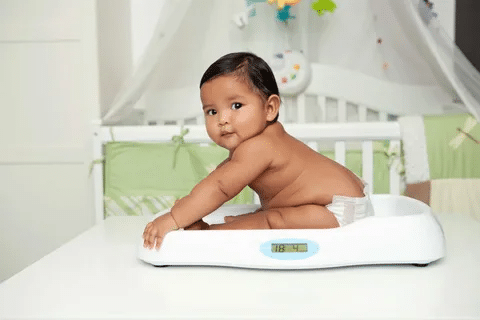
Growth monitoring is key in pediatric care. WHO weight for age charts are a basic tool for tracking a child’s growth. They show how a child’s weight compares to their age, giving insights into their development.
Definition and Purpose of Growth Charts
WHO weight for age charts are tools for tracking children’s growth from birth to 5 years. They compare weight in kilograms to age in months and years. The charts use z-scores and percentiles to show data.
The main goal is to help doctors and parents see how a child is growing. It helps spot any growth problems early on.
History and Development of WHO Standards
The WHO Child Growth Standards came from the Multicentre Growth Reference Study (MGRS) from 1997 to 2003. This study included children from different ethnic groups and places. It made sure the growth standards could be used worldwide.
The 2006 Multicountry Growth Reference Study
The 2006 Multicountry Growth Reference Study was a big step by the WHO. It led to the WHO Child Growth Standards. These standards were based on data from healthy children with good nutrition.
This study gave a strong basis for a global standard for child growth. The WHO weight for age charts, made from this study, are vital for doctors everywhere. They help find growth problems early and start treatment quickly.
The Importance of Monitoring Boys’ Growth

It’s key to watch how boys grow to spot health problems early. This lets parents and doctors see if a child is growing right.
Key Developmental Milestones
Boys grow a lot in their first few years. They usually double their birth weight by 5 months and triple it by 12 months. Keeping an eye on these milestones helps check their health.
Table: Average Weight for Boys at Different Ages
|
Age |
Average Weight (kg) |
Average Weight (lbs) |
|---|---|---|
|
Birth |
3.3 |
7.3 |
|
5 Months |
6.6 |
14.6 |
|
12 Months |
9.9 |
21.8 |
Early Detection of Growth Issues
Watching how boys grow can show early health problems. A big change in weight on the WHO weight for age chart might mean a problem. Finding issues early helps fix them fast.
Relationship Between Weight and Overall Health
Weight is a big sign of health in kids. If a child’s weight changes too much, it could mean a health issue. Using the WHO birth weight chart and tracking weight percentiles helps understand growth.
Knowing the weight percentile WHO charts is important. It helps parents and doctors see if a child’s weight is healthy. This info is key for making good choices about a child’s health and food.
Different Types of WHO Weight Charts for Boys
The WHO weight charts for boys come in various formats. Each is made for different age ranges to help track growth accurately. The Centers for Disease Control and Prevention (CDC) suggests using WHO Child Growth Standard Charts for kids from birth to 2 years. This is key for monitoring early childhood development.
Birth to 6 Months Charts
The WHO has special weight-for-age charts for boys from birth to 6 months. These charts are vital for tracking the fast growth in the first months of life. Healthcare providers use them to watch weight gain and spot any growth problems early.
Birth to 2 Years Charts
The WHO also offers weight-for-age charts for boys from birth to 2 years. These charts are useful for tracking the big growth changes in the first two years. This period is key for reaching important developmental milestones.
6 Months to 2 Years Charts
As boys grow from infancy to toddlerhood, the WHO has charts for weight from 6 months to 2 years. This age range is important for following growth trends and making sure boys are growing healthily.
2 to 5 Years Charts
After 2 years, the WHO weight-for-age charts continue to help monitor growth in boys up to 5 years. These charts help healthcare providers see if a child’s weight is healthy for their age. This supports overall health and development.
Using these WHO weight charts, healthcare providers can understand a boy’s growth pattern well. This allows for early action if any growth concerns come up. The variety of charts means growth monitoring fits the needs of different age groups.
Understanding Z-Score Male Weight Measurements
Measuring a boy’s growth uses z-scores, which show how much his weight is off from the average. This method helps doctors spot any growth problems early on.
What Z-Scores Represent in Growth Assessment
Z-scores show how far a child’s weight is from the average for their age, based on WHO standards. A z-score of 0 means the child’s weight is right in the middle. A positive z-score means they’re heavier, and a negative z-score means they’re lighter.
Interpreting Positive and Negative Z-Score Values
Positive z-scores mean a child is heavier than average. Negative z-scores mean they’re lighter. For example, a z-score of +2 means they’re two standard deviations heavier. A z-score of -2 means they’re two standard deviations lighter.
Clinical Significance of Different Z-Score Ranges
Z-scores help doctors find kids who might have growth problems. Scores below -2 or above +2 could mean a child needs extra care. Doctors watch these scores to make sure kids are growing well and step in if they’re not.
Advantages of the Z-Score System
The z-score system has many benefits. It lets doctors compare growth at different ages and in different ways. This helps them spot small changes that might mean a child needs help.
Key benefits of using z-scores include:
- Standardized comparison across different age groups
- Early detection of growth-related issues
- Ability to track subtle changes in growth patterns over time
Doctors use z-scores to help boys grow up healthy and strong.
Weight for Age Percentiles Explained
Weight for age percentiles show how a child compares to others of the same age. This is key for doctors and parents to track a child’s growth.
The Percentile System from 3rd to 97th
The percentile system compares a child’s weight to a large group of kids of the same age and sex. The World Health Organization (WHO) has growth charts from the 3rd to the 97th percentile. A child at the 50th percentile is average in weight.
A child at the 25th percentile weighs less than 75% of their age group. A child at the 75th percentile weighs more than 75% of their peers. Knowing this helps see if a child’s weight is normal.
Reading and Interpreting Percentile Charts
Percentile charts show a child’s weight at one point in time. Doctors look at how a child’s weight changes over time to see if they’re growing right.
If a child’s growth stays on the same percentile curve, it’s usually a good sign. But if they cross percentile lines, it might mean their growth pattern is changing, and they might need more checks.
“Growth charts are not just about identifying problems; they’re also about monitoring healthy growth and development.”
Normal Range Considerations
The normal range for weight for age percentiles is between the 3rd and 97th percentiles. Kids in this range are usually growing well.
|
Percentile Range |
Interpretation |
|---|---|
|
Below 3rd Percentile |
Underweight; possible growth concern |
|
3rd to 97th Percentile |
Normal range; healthy growth |
|
Above 97th Percentile |
Overweight; possible growth concern |
When to Be Concerned About Percentile Changes
Big changes in percentile ranking over a short time can be a worry. For example, if a child drops from the 50th percentile to below the 3rd, it might mean they’re not growing right.
On the other hand, a big jump in percentile ranking, like going from the 50th to the 95th, could mean they’re getting too much to eat or have health issues.
Parents should talk to their doctor about any changes in their child’s growth pattern.
Step-by-Step Guide to Plotting Weight Measurements
To track a boy’s growth, it’s key to plot weight measurements right. Using the WHO weight for age chart helps see how he’s growing. This is important for keeping an eye on his health.
Gathering Accurate Weight Data
The first step is to get accurate weight data. Always use a calibrated scale for precise measurements. For babies, weigh them without clothes. For older kids, light clothes are okay.
Record the weight in kilograms or pounds, depending on the chart.
Tip: For breastfed babies up to 2 years, use WHO charts. They are the most accurate for this age group.
Determining Correct Age in Months
To plot weight right, figure out the child’s age in months. For babies under 2, count months from birth. For example, a 1 year and 3 months old baby is 15 months.
Getting the age right is key for the right chart spot.
Plotting Points on the Chart
With accurate weight and age, plot the point on the WHO chart. Find the age on the x-axis and weight on the y-axis. Mark where they meet. Do this for each age.
Connecting Data Points to Establish Growth Trajectory
After plotting several points, connect them to see the growth path. This shows growth patterns, like steady growth or spurts. It also spots any growth issues.
|
Age (Months) |
Weight (Kg) |
|---|---|
|
3 |
6.5 |
|
6 |
8.0 |
|
9 |
9.2 |
|
12 |
10.5 |
By following these steps and using WHO charts, parents and doctors can watch a child’s growth. They can quickly spot and address any issues.
Interpreting Weight for Age Chart Results
Understanding weight for age chart results is key to spotting normal growth and any issues in boys. The World Health Organization (WHO) offers charts to help doctors and parents track a child’s growth.
Normal Growth Patterns for Boys
Boys usually grow in a steady way on these charts. They follow a certain percentile curve. If a boy stays on the 50th percentile, he’s growing as expected.
Identifying Growth Concerns
A big change in percentiles, like a drop from the 75th to the 25th, could mean a health problem. It’s a sign to see a doctor.
Understanding Growth Channel Crossings
When a child’s weight moves between percentiles, it’s called a growth channel crossing. Sometimes, this is normal. But if it happens a lot, it might mean a problem. Doctors watch for these changes closely.
When to Consult Healthcare Providers
If you see sudden changes in your child’s weight or if they’re not gaining weight, talk to a doctor. Regular visits and talking to your child’s doctor are important. They help keep an eye on your child’s growth and solve any issues quickly.
|
Percentile Range |
Interpretation |
Action |
|---|---|---|
|
Below 3rd percentile |
Underweight |
Consult healthcare provider |
|
3rd to 97th percentile |
Normal weight |
Continue monitoring |
|
Above 97th percentile |
Overweight |
Consult healthcare provider |
Common Growth Patterns in Boys
The World Health Organization (WHO) offers insights into typical growth patterns for boys through their weight-for-age charts. These charts help healthcare providers and parents track a child’s growth and development.
Healthy babies usually follow certain growth milestones. For example, boys are expected to double their birth weight by 5 months and triple it by their first birthday. This fast growth is a normal part of infancy.
Expected Weight Doubling by 5 Months
By 5 months, a boy’s birth weight usually doubles. This is a key milestone showing healthy growth. Breastfed babies tend to gain weight faster in the first 2–3 months and then slow down compared to formula-fed babies. It’s important to watch growth to make sure it stays healthy.
Expected Weight Tripling by 12 Months
By 12 months, most boys triple their birth weight. This growth is influenced by nutrition, genetics, and health. Adequate nutrition is key during this time to support growth and development.
Growth Spurts and Plateaus
Growth in boys is not always steady; they often have growth spurts followed by slower growth or plateaus. These spurts can be due to genetics and nutrition. Knowing these patterns helps identify normal growth variations.
Variations in Healthy Growth Patterns
There’s a range of normal growth patterns for boys. Factors like feeding practices, genetics, and health can affect growth rates. For example, breastfed babies may grow differently than formula-fed babies. It’s important to consider these factors when using WHO weight charts to assess growth.
Key points to remember:
- Most boys double their birth weight by 5 months.
- By 12 months, most boys triple their birth weight.
- Growth patterns can vary significantly among healthy boys.
- Nutrition and genetics play critical roles in growth and development.
Using Digital WHO Weight for Age Calculators
Digital WHO weight for age calculators are a modern way for parents and healthcare providers to track boys’ growth. They are easy to use and give valuable insights into a child’s growth. This makes them very popular.
Online Resources and Tools
Many online tools use WHO growth charts for boys. Websites and health portals offer free WHO weight for age calculators. For example, the CDC’s Child and Teen BMI Calculator calculates BMI and provides percentiles and categories for kids and teens.
Key Features of Online WHO Weight for Age Calculators:
- Easy input of weight and age data
- Instant calculation of weight-for-age percentiles or Z-scores
- Graphical representation of growth data over time
- Ability to track growth trends and patterns
Mobile Applications for Growth Tracking
Mobile apps are also used to track children’s growth. These apps are designed to be easy to use. Parents can input data and track their child’s growth anywhere.
Benefits of Mobile Growth Tracking Apps:
|
Feature |
Description |
Benefit |
|---|---|---|
|
Convenience |
Access growth tracking anywhere |
Easy monitoring on the go |
|
Reminders |
Customizable reminders for measurements |
Consistent tracking |
|
Data Analysis |
Long-term growth trend analysis |
Insights into growth patterns |
Integrating Digital Tools with Healthcare Visits
Digital WHO weight for age calculators can be used with regular healthcare visits. Healthcare providers can use the data to inform their assessments. They can give personalized advice to parents.
Data Privacy Considerations
When using digital tools for growth tracking, data privacy is key. Parents should check the privacy policies of apps and websites. This ensures personal and sensitive health information is safe.
Tips for Ensuring Data Privacy:
- Review the privacy policy of any digital tool before use
- Understand how data is stored and shared
- Use secure, password-protected accounts
- Regularly update software and apps to ensure you have the latest security patches
Factors Affecting Weight Measurements and Interpretation
Many things can change how accurate weight measurements are on WHO weight for age charts for boys. It’s important for doctors and parents to know these factors. This helps them make good choices about a child’s health and growth.
Measurement Technique and Equipment
The way you measure a child’s weight can really matter. Using the right scales and following the right steps is key. For example, a digital scale made for kids is better than a bathroom scale.
Proper measurement technique means the child should be lightly dressed. The scale should be on a solid, flat surface. Also, the child should be calm and not touch anything nearby to get an accurate reading.
Timing of Measurements (Time of Day, Feeding)
When you weigh a child can also change the result. For babies, eating can add weight. Weighing them at the same time after eating helps keep the measurements the same.
Time of day can also affect weight. Kids’ weight can change due to drinking water or going to the bathroom. Weighing them at the same time every day helps track their growth better.
Illness and Medication Effects
Sickness and some medicines can change a child’s weight. For example, being very thirsty can make them lose weight. Some medicines can make them gain or lose weight too. It’s important to think about these things when looking at weight measurements.
For example, a child with diarrhea might weigh less. A child on steroids might weigh more. Knowing this helps doctors understand growth charts better.
Cultural and Regional Growth Differences
Growth can also be different because of culture and where you live. WHO growth charts are based on kids from all over the world. But, things like diet and genes can affect how kids grow. Doctors should know about these differences when looking at growth charts.
For example, kids from different ethnic groups might grow differently. Knowing this helps doctors spot any growth problems that need more checking.
Conclusion
Understanding WHO weight for age charts is key for tracking boys’ growth from birth to 5 years. These charts help healthcare providers see how weight relates to age. They spot growth problems early.
Parents and caregivers can learn about a child’s growth by using z score male measurements and weight charts. The WHO weight for age calculator and WHO growth charts 0-5 years are great tools for this.
Using these charts helps find growth issues early. This leads to quick action. It’s a big step in keeping kids healthy and happy.
By using WHO weight for age charts at health visits, parents and doctors can keep an eye on growth. They can tackle any issues and help kids grow well.
FAQ
What is the purpose of WHO weight for age charts?
WHO weight for age charts help track how children grow. They check if kids are growing well from birth to 5 years. They spot any growth problems early.
How were WHO weight for age charts developed?
The charts were made from a big study in 2006. It looked at kids from all over the world. This study set a global standard for how kids should grow.
What is a z-score in the context of weight for age measurements?
A z-score shows how far a child’s weight is from the average for their age. It helps doctors see if a child is growing right.
How do I interpret weight for age percentiles?
Percentiles compare a child’s weight to others of the same age. For example, a 50th percentile means they weigh more than half and less than half of others.
How often should I plot my child’s weight on a WHO weight for age chart?
Plot your child’s weight at every doctor’s visit. This helps track their growth over time.
What factors can affect the accuracy of weight measurements?
Many things can mess up weight measurements. This includes how you measure, the tools you use, and when you measure. Illness and medicine can also affect it.
Can digital tools be used for growth tracking?
Yes, digital tools like WHO weight for age calculators and apps are great for tracking growth. They make it easy and convenient.
What should I do if my child’s growth chart shows concerning patterns?
If your child’s chart looks off, like crossing lines or falling below a line, talk to your doctor. They can help figure out why and what to do.
Are WHO weight for age charts applicable to all populations?
WHO charts are meant for everyone, but different places and cultures might grow differently. Doctors take this into account when looking at charts.
How can I ensure accurate age determination for plotting on a WHO weight for age chart?
To get your child’s age right, count the months from their birth. Use the exact date of birth and the date you measured them.
Reference
World Health Organization. WHO Weight-for-Age Charts: Monitoring Boys’ Growth. Retrieved from https://www.who.int/tools/child-growth-standards/standards/weight-for-age