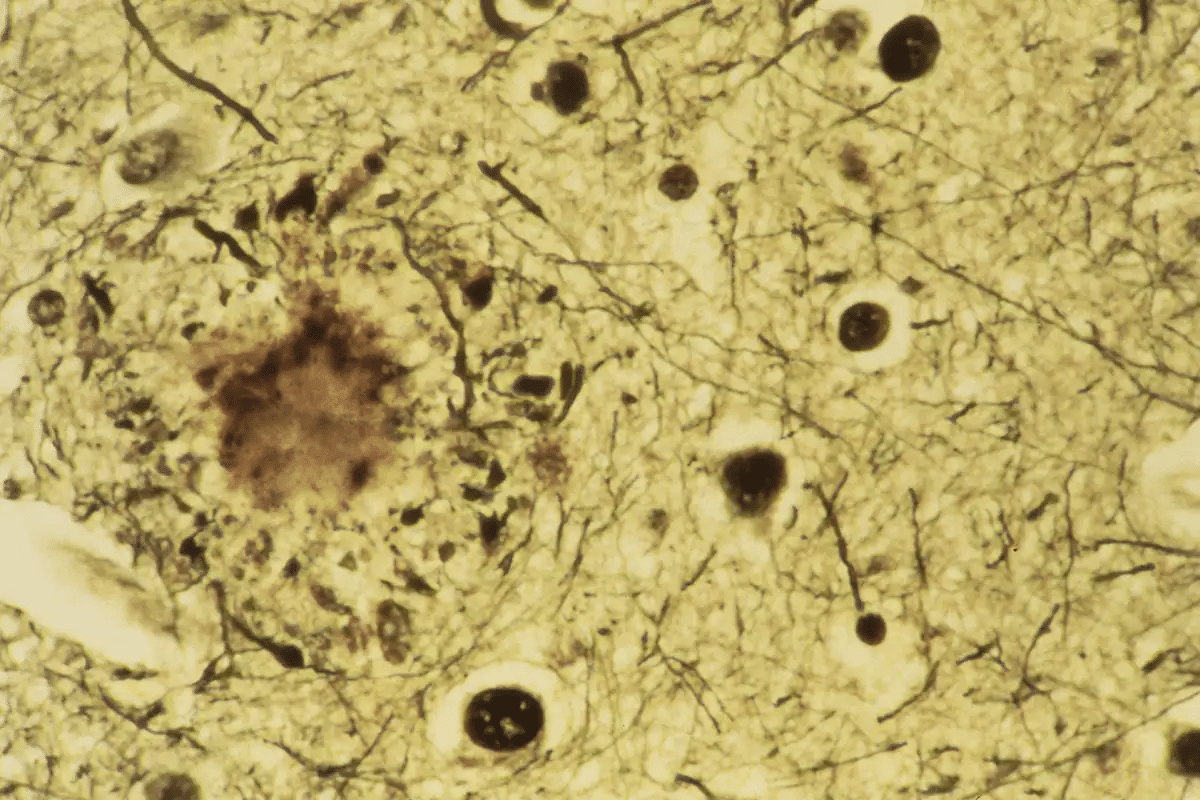
AA amyloidosis, also known as secondary amyloidosis, is a serious condition. It happens when serum amyloid A (SAA) fibrils build up in different tissues. This usually starts because of long-term inflammation and infections, like rheumatoid arthritis. Understand amyloidosis protein type AA and the key ways it differs from AL amyloidosis. Get a clear medical comparison of these two conditions.
AA amyloidosis is a big problem worldwide, unlike AL amyloidosis, which is more common in developed countries. It’s known that AA amyloidosis makes up about 6% of all amyloidosis cases every year.
It’s important to know the difference between AA and AL amyloidosis for the right diagnosis and treatment. By managing the inflammation, we might stop AA amyloidosis from getting worse.
Key Takeaways
- AA amyloidosis is characterized by the deposition of SAA fibrils in various tissues.
- Chronic inflammatory diseases and infections can trigger AA amyloidosis.
- AA amyloidosis differs from AL amyloidosis in its underlying causes and the type of amyloid involved.
- Controlling the underlying condition is key to managing AA amyloidosis.
- AA amyloidosis is a major health issue globally.
Understanding Amyloidosis: A Brief Overview
Amyloidosis is a group of diseases where amyloid fibrils build up. It affects many organs and tissues. We’ll look at the basics, including how proteins misfold and the main types of amyloidosis.
The Protein Misfolding Process
Proteins misfolding leads to amyloid fibrils. Proteins usually fold into shapes that help them work. But sometimes, they fold wrong and clump together. This creates insoluble fibrils that harm tissues.
Major Types of Amyloidosis
There are several amyloidosis types, each unique. The main ones are AL (Light chain) amyloidosis, AA (Serum Amyloid A) amyloidosis, and hereditary transthyretin amyloidosis.
Let’s dive into these types:
|
Type of Amyloidosis |
Protein Involved |
Commonly Affected Organs |
|---|---|---|
|
AL Amyloidosis |
Immunoglobulin light chains |
Heart, Kidneys, Liver |
|
AA Amyloidosis |
Serum Amyloid A protein |
Kidneys, Liver, Spleen |
|
Hereditary Transthyretin Amyloidosis |
Transthyretin |
Peripheral nerves, Heart |
Knowing these types is key for diagnosis and treatment. Each type needs a specific approach because of its unique causes and symptoms.
Amyloidosis Protein Type AA: Definition and Pathophysiology

AA amyloidosis happens when Serum Amyloid A (SAA) protein misfolds. This leads to SAA protein fibrils building up in organs and tissues. This buildup causes organ problems.
Serum Amyloid A (SAA) Protein Structure
SAA is an acute-phase protein made in response to inflammation. Its structure is key to understanding how it turns into amyloid fibrils. SAA protein is highly hydrophobic, which makes it prone to clumping.
The structure of SAA protein changes under different conditions. The misfolding of SAA protein is a major step in AA amyloidosis.
The Process of AA Fibril Formation
AA fibril formation is a complex process. SAA protein is first secreted into the blood in response to inflammation. Then, under certain conditions, it misfolds and forms fibrils.
“The misfolding of SAA protein and its subsequent aggregation into amyloid fibrils is a key event in the development of AA amyloidosis.”
The fibrils then settle in tissues, causing the symptoms of AA amyloidosis. Knowing this process is key to finding new treatments.
Acute Phase Response and SAA Elevation
The acute phase response is a body-wide reaction to inflammation. It involves the production of acute-phase proteins, like SAA. Chronic high levels of SAA are a sign of AA amyloidosis.
|
Condition |
SAA Levels |
Risk of AA Amyloidosis |
|---|---|---|
|
Acute Inflammation |
Elevated |
Low |
|
Chronic Inflammation |
Persistently Elevated |
High |
As the table shows, chronic inflammation causes SAA levels to stay high. This greatly increases the risk of AA amyloidosis.
Understanding SAA protein, AA fibril formation, and the acute phase response helps us grasp AA amyloidosis. This knowledge is vital for creating better treatments and tests.
Causes and Risk Factors of AA Amyloidosis
It’s important to know the causes and risk factors of AA amyloidosis for early treatment. AA amyloidosis often starts with chronic inflammation. This leads to amyloid fibrils in different organs.
Chronic Inflammatory Conditions
Chronic diseases like rheumatoid arthritis and inflammatory bowel disease can cause AA amyloidosis. These conditions raise Serum Amyloid A (SAA) levels. This protein then turns into amyloid fibrils in tissues.
Examples of chronic inflammatory conditions include:
- Rheumatoid arthritis
- Chronic infections (e.g., tuberculosis, osteomyelitis)
- Inflammatory bowel disease (Crohn’s disease, ulcerative colitis)
Genetic Factors in AA Amyloidosis
AA amyloidosis isn’t directly passed down, but genetics can play a role. Genes can affect how likely someone is to get chronic inflammation. This, in turn, can raise the risk of AA amyloidosis.
“Genetic predispositions play a significant role in the development of chronic inflammatory diseases, which in turn increase the risk of AA amyloidosis.”
Prevalence and Demographics
The amount of AA amyloidosis varies worldwide. It depends on the causes and the genetics of the population. In places with better health care, it’s less common because of better treatment of chronic diseases.
|
Region |
Prevalence |
Common Underlying Causes |
|---|---|---|
|
Developed Countries |
Low |
Rheumatoid arthritis, chronic infections |
|
Developing Countries |
Higher |
Tuberculosis, chronic infections, familial Mediterranean fever |
Knowing the causes and risk factors of AA amyloidosis is key for early treatment. Healthcare providers can then create better treatment plans. This helps improve patient outcomes.
Clinical Manifestations of AA Amyloidosis
AA amyloidosis shows up in many ways, affecting the kidneys, liver, and spleen. The symptoms vary based on which organs are involved and how much amyloid is there.
Renal Involvement and Complications
Renal issues are a big deal in AA amyloidosis. Proteinuria and nephrotic syndrome are common signs. These problems can lead to chronic kidney disease, dialysis, or even a kidney transplant.
The kidney problems caused by AA amyloidosis can really hurt a patient’s life quality. It’s important to catch and treat these issues early to slow the disease.
Hepatic and Splenic Manifestations
The liver and spleen can also get affected, causing them to swell. While not as common as kidney issues, these problems can also harm a patient’s health. Hepatic dysfunction is rare but can happen if amyloid builds up a lot in the liver.
Spleen problems can cause hypersplenism, leading to anemia, low white blood cells, and low platelets. Keeping an eye out for these issues is key in managing AA amyloidosis.
Other Organ System Involvement
AA amyloidosis can also affect other parts of the body. Gastrointestinal symptoms like diarrhea and trouble absorbing nutrients can happen if amyloid builds up in the gut. The heart can get involved too, causing problems with heart function and rhythm.
Neurological problems are rare but can include nerve damage and issues with the autonomic nervous system. The wide range of possible organ involvement means patients need a thorough check-up and care plan.
Diagnosing AA Amyloidosis
To find AA amyloidosis, doctors use many tests. They check lab results, look at tissue samples, and use imaging. This detailed method helps spot the disease and tell it apart from others.
Laboratory Tests and Biomarkers
Lab tests are key in diagnosing AA amyloidosis. They help find signs of amyloid and see how much organs are affected. Important tests include:
- Serum Amyloid A (SAA) protein level measurement
- C-reactive protein (CRP) level assessment
- Complete blood count (CBC) to check for inflammation or infection
- Blood chemistry tests to check kidney and liver health
High SAA protein levels are a big clue for AA amyloidosis. SAA turns into amyloid fibrils in this disease.
|
Laboratory Test |
Purpose |
Significance in AA Amyloidosis |
|---|---|---|
|
SAA Protein Level |
Measures the level of Serum Amyloid A protein |
Elevated levels show active inflammation and risk of AA amyloidosis |
|
CRP Level |
Checks the level of C-reactive protein |
High CRP means inflammation, which can lead to AA amyloidosis |
|
CBC |
Looks for signs of inflammation or infection |
Helps understand the overall inflammation level |
Tissue Biopsy and Histopathology
Tissue biopsy is a key tool for diagnosing AA amyloidosis. We study biopsy samples to find amyloid deposits. Common biopsy sites are:
- Abdominal fat pad
- Rectal mucosa
- Kidney
Congo red staining is used to spot amyloid fibrils in samples. Under polarized light, amyloid shows green birefringence, confirming amyloidosis.
Imaging Studies and Their Significance
Imaging helps see how much organs are affected and track the disease. Common imaging includes:
- Ultrasound
- Computed Tomography (CT) scans
- Magnetic Resonance Imaging (MRI)
These studies show organ changes in AA amyloidosis, like kidney or liver issues. They help guide treatment plans.
AA vs. AL Amyloidosis: Key Differences
AA and AL amyloidosis are two different types of amyloidosis. They have different causes and symptoms. Knowing these differences is key for the right diagnosis and treatment.
Protein Composition and Origin
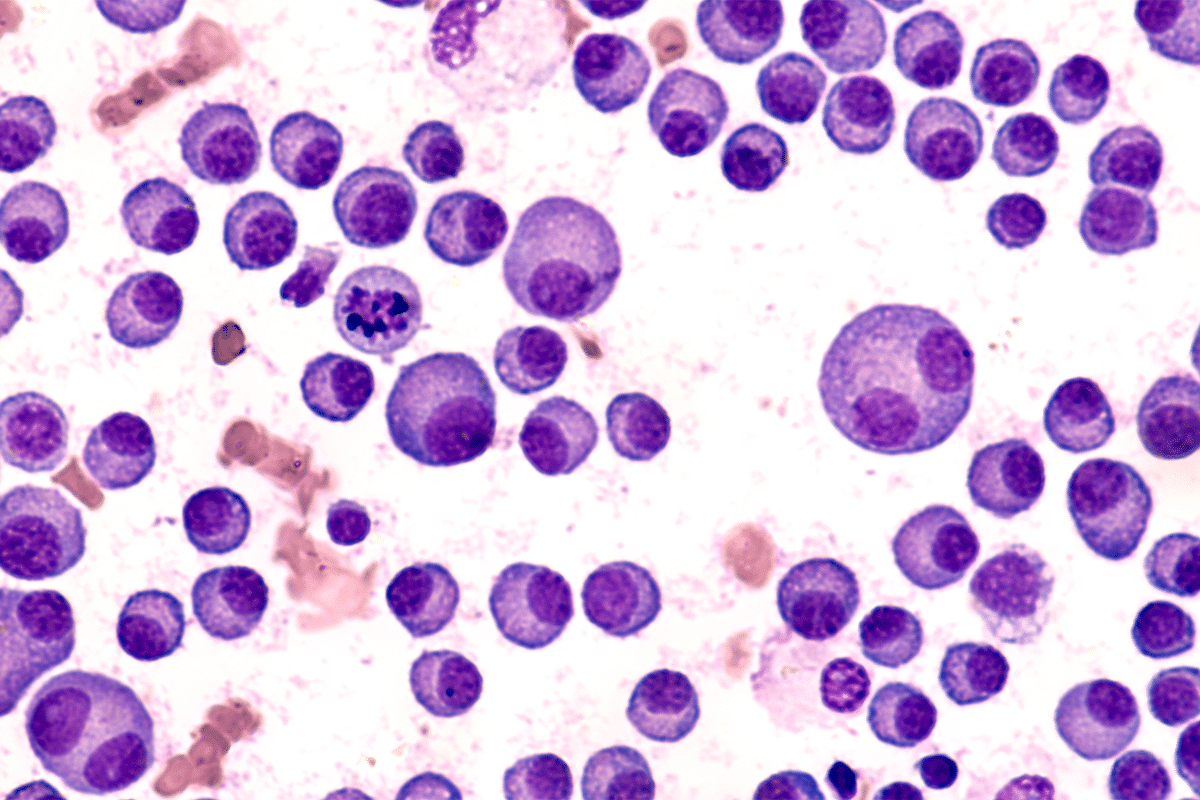
The main difference between AA and AL amyloidosis is the protein involved. AA amyloidosis involves Serum Amyloid A (SAA) protein, which is made in response to long-term inflammation. AL amyloidosis, on the other hand, is caused by light chain immunoglobulins from abnormal plasma cells.
Protein Composition Comparison
|
Amyloidosis Type |
Protein Composition |
Origin |
|---|---|---|
|
AA Amyloidosis |
Serum Amyloid A (SAA) |
Chronic inflammatory conditions |
|
AL Amyloidosis |
Light chain immunoglobulins |
Plasma cell dyscrasias |
Underlying Causes and Disease Associations
AA amyloidosis is often linked to long-term inflammation, like rheumatoid arthritis or infections. AL amyloidosis, on the other hand, is related to plasma cell disorders, such as multiple myeloma.
AA amyloidosis usually stems from chronic inflammation. AL amyloidosis is tied to blood disorders.
Clinical Presentation and Organ Involvement
The symptoms of AA and AL amyloidosis can be quite different. AA amyloidosis often affects the kidneys, causing kidney failure. AL amyloidosis can harm many organs, including the heart, kidneys, liver, and nerves. The organs affected help doctors diagnose the condition.
Diagnostic Approaches
Diagnosing AA and AL amyloidosis involves several steps. Doctors use lab tests, tissue biopsies, and imaging to find the amyloid protein type. Immunohistochemistry or mass spectrometry can help identify the protein.
Diagnostic Approaches Comparison
- Laboratory tests to identify biomarkers and assess organ function
- Tissue biopsy with Congo red staining and immunohistochemistry
- Imaging studies such as echocardiography and cardiac MRI for assessing cardiac involvement
Treatment Approaches for AA Amyloidosis
The main goal in treating AA amyloidosis is to manage the inflammation that causes it. This is key to reducing the Serum Amyloid A (SAA) protein. This protein is what forms amyloid fibrils.
Managing Underlying Inflammatory Conditions
Dealing with the inflammation at the root of AA amyloidosis is essential. This means treating the chronic inflammation disease that leads to SAA production. For example, if the cause is rheumatoid arthritis, we use disease-modifying antirheumatic drugs (DMARDs) and biologic agents.
By controlling the inflammation, we can lower SAA production. This slows down AA amyloidosis.
Here are some ways to manage inflammation:
- Anti-inflammatory medications to reduce inflammation
- Immunosuppressive therapies to control the immune system
- Treatment of underlying infections or chronic inflammatory diseases
Targeted Therapies for SAA Reduction
Along with managing inflammation, we use targeted therapies to lower SAA levels. These therapies aim at the SAA protein or its production pathways. For instance, anti-SAA antibodies are being studied as treatments.
Some of the therapies being explored include:
- Therapies that directly stop SAA production
- Agents that help clear SAA from the blood
- Drugs that prevent SAA from misfolding into amyloid fibrils
Supportive Care for Organ Dysfunction
Supportive care is vital for managing organ dysfunction from AA amyloidosis. This includes treating symptoms, managing complications, and improving quality of life. For kidney issues, dialysis or kidney transplantation might be needed. For gastrointestinal symptoms, nutritional support is key.
Supportive care strategies include:
- Managing kidney failure with dialysis or transplantation
- Nutritional support for gastrointestinal issues
- Cardiac care for amyloid-related heart disease
Emerging Treatments and Clinical Trials
The field of AA amyloidosis treatment is growing, with new therapies and trials. These include targeted therapies, immunotherapies, and more. Joining clinical trials can offer access to new treatments and help advance our understanding of the disease.
Research areas include:
- Small molecule inhibitors of SAA production
- Gene therapy to control SAA expression
- Immunotherapies to remove amyloid deposits
Living with AA Amyloidosis: Prognosis and Quality of Life
AA amyloidosis affects how long you live and your quality of life. Knowing what impacts these areas is key to managing the disease well.
Factors Affecting Disease Progression
The speed at which AA amyloidosis progresses depends on several factors. Chronic inflammatory diseases like rheumatoid arthritis can make the disease worse if not managed.
“Managing the underlying condition is vital,” says Medical Expert. “By controlling inflammation, we can slow amyloid buildup in organs.”
Monitoring and Follow-up Care
Regular check-ups and tests are important for AA amyloidosis management. These include tests to see how organs are working and if the disease is changing.
- Serum Amyloid A (SAA) protein levels
- Renal function tests
- Liver function tests
- Cardiac evaluations
These tests help doctors adjust treatment plans and catch any problems early.
Lifestyle Modifications and Self-Management
Changing your lifestyle can help manage AA amyloidosis. Eating well and exercising regularly are important for staying healthy.
Self-management strategies are also helpful. This includes following your treatment plan, going to appointments, and making lifestyle changes.
Psychological Impact and Support Resources
AA amyloidosis can affect your mental health. Support from healthcare providers, family, and support groups is vital for emotional well-being.
“Support groups offer a sense of community and understanding that is invaluable for patients navigating the challenges of AA amyloidosis,” notes a patient advocate.
Having access to mental health professionals and support resources can greatly improve your quality of life with AA amyloidosis.
Conclusion: Advances in AA Amyloidosis Research and Future Directions
Research into AA amyloidosis is ongoing, aiming to better understand and manage the condition. We now know more about how the disease works, thanks to research. This knowledge helps us create treatments that target the disease directly.
New treatments are being studied, focusing on lowering serum amyloid A (SAA) protein levels. These treatments could greatly improve life for those with AA amyloidosis. We’re dedicated to providing top-notch healthcare, including support for patients from around the world.
Looking ahead, research will dive deeper into the genetic causes of AA amyloidosis. We’ll also work on making diagnosis easier. By expanding our knowledge, we hope to improve care and quality of life for patients.
FAQ
What is AA amyloidosis?
AA amyloidosis is a condition where abnormal proteins called amyloid fibrils build up in tissues. This causes damage. It’s linked to long-term inflammation and is different from AL amyloidosis in its causes and protein type.
How does AA amyloidosis differ from AL amyloidosis?
AA amyloidosis is caused by long-term inflammation and involves the SAA protein. AL amyloidosis, on the other hand, is linked to plasma cell issues and contains light chain proteins.
What are the causes and risk factors of AA amyloidosis?
AA amyloidosis can be caused by long-term inflammation, infections, and genetics. People with conditions like rheumatoid arthritis or familial Mediterranean fever are at higher risk.
What are the clinical manifestations of AA amyloidosis?
AA amyloidosis can affect the kidneys, liver, and spleen. This can lead to problems like kidney failure, liver issues, and spleen enlargement. Other organs can also be affected.
How is AA amyloidosis diagnosed?
Diagnosing AA amyloidosis involves tests, biopsies, and imaging. Tests look for biomarkers, biopsies confirm amyloid presence, and imaging shows organ involvement.
What are the treatment approaches for AA amyloidosis?
Treatments include managing inflammation, therapies to lower SAA levels, and care for organ issues. New treatments and trials are also being explored.
What is the prognosis and quality of life for patients with AA amyloidosis?
Patient outcomes depend on disease progression and care. Lifestyle changes and self-care can improve quality of life. Support is available for the disease’s psychological impact.
What is the role of SAA protein in AA amyloidosis?
The SAA protein is key in AA amyloidosis. It misfolds into amyloid fibrils. High SAA levels, often from inflammation, lead to the disease.
Can AA amyloidosis be managed or treated?
Yes, AA amyloidosis can be managed. This includes treating inflammation, lowering SAA levels, and supporting organs. Research and new treatments offer hope.
What is secondary amyloidosis?
Secondary amyloidosis is another name for AA amyloidosis. It’s linked to long-term inflammation or other diseases.
What is the difference between amyloidosis type AA and AL?
AA amyloidosis involves SAA protein and is linked to inflammation. AL amyloidosis involves light chains and is related to plasma cell issues.
References
National Center for Biotechnology Information. AA Amyloidosis: Etiology, and Differentiation From AL Amyloidosis. Retrieved from https://www.ncbi.nlm.nih.gov/pmc/articles/PMC8419860/